
 By Muslim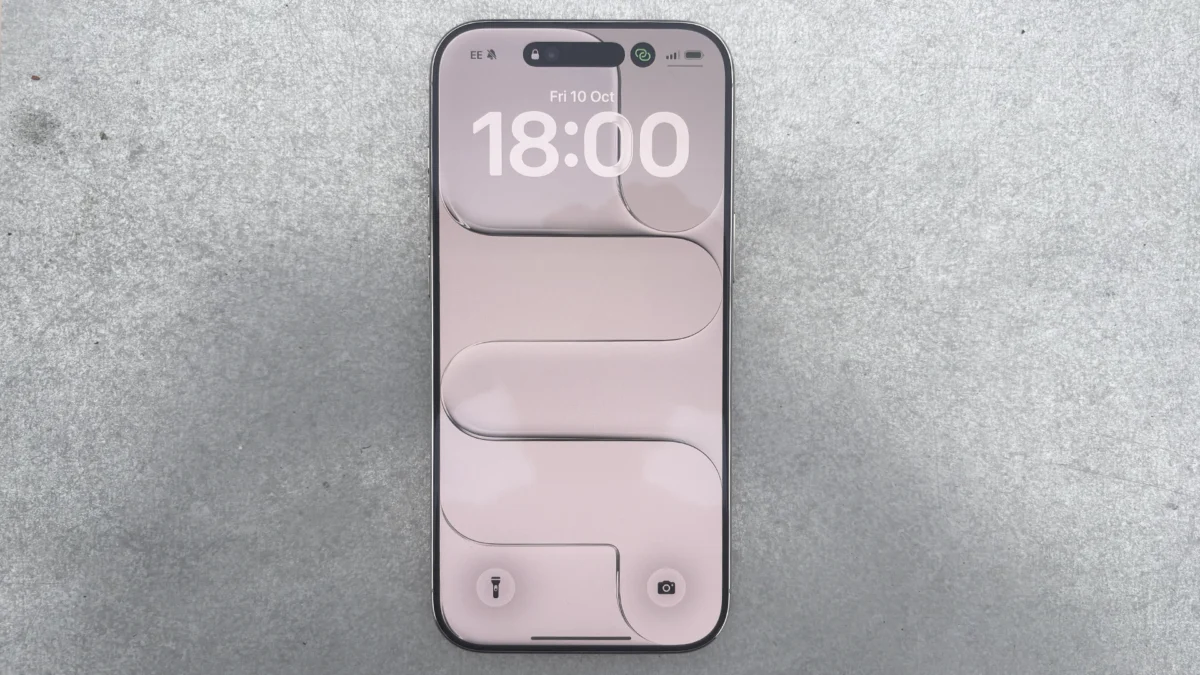
In the landscape of modern consumer technology, where "bigger is better" has dictated the trajectory of smartphone design for over a decade, Apple took a provocative gamble with the introduction of the iPhone Air. With its ultra-slim profile, meticulously crafted titanium chassis, and an aesthetic that leans heavily into minimalist purity, the device was heralded as a spiritual successor to Steve Jobs’ original vision for the iPhone. Yet, upon its release last September, the device hit a wall of market skepticism, largely driven by a high barrier to entry and a feature set that prioritized form over the raw, multi-lens functionality power users have come to expect.
Today, however, the narrative is shifting. With a significant price adjustment at major retailers like Amazon—dropping the device to £799 from its original £999 launch price—the iPhone Air is being re-evaluated. Is it a niche masterpiece that was simply priced out of its own category, or is it the blueprint for the next generation of mobile computing?
The Philosophy of the iPhone Air: A Chronology of Design
To understand the iPhone Air, one must look at the trajectory of Apple’s design philosophy. For years, the "Pro" moniker became synonymous with heavy, feature-laden handsets. The Air arrived as a corrective to this bulk.
- September (Launch Window): The iPhone Air is unveiled to a polarized reception. Design critics praise its "pure" aesthetic, noting that the titanium construction offers a premium, lightweight feel that makes the standard iPhone 17 and iPhone 17 Pro feel like industrial tools rather than pieces of art.
- October – December (The Sales Slump): Market data begins to show that the Air is failing to penetrate the mainstream market. Analysts point to the "compromise dilemma"—consumers were unwilling to pay a premium price for a single-camera system and a smaller battery capacity when the standard models offered more utility.
- January – March (The Pivot): Realizing that the price-to-value ratio was hindering adoption, retail channels began experimenting with discounts. The sudden £200 reduction marks a critical turning point, positioning the phone as a mid-tier luxury item rather than an entry-level "Pro" alternative.
Engineering Compromise: The "Pure" Trade-off
The iPhone Air was designed with a singular objective: to be the most "pocketable" and elegant phone in the ecosystem. To achieve this, Apple engineers had to make several difficult decisions that have become the primary points of contention in tech reviews.
The Camera Conundrum
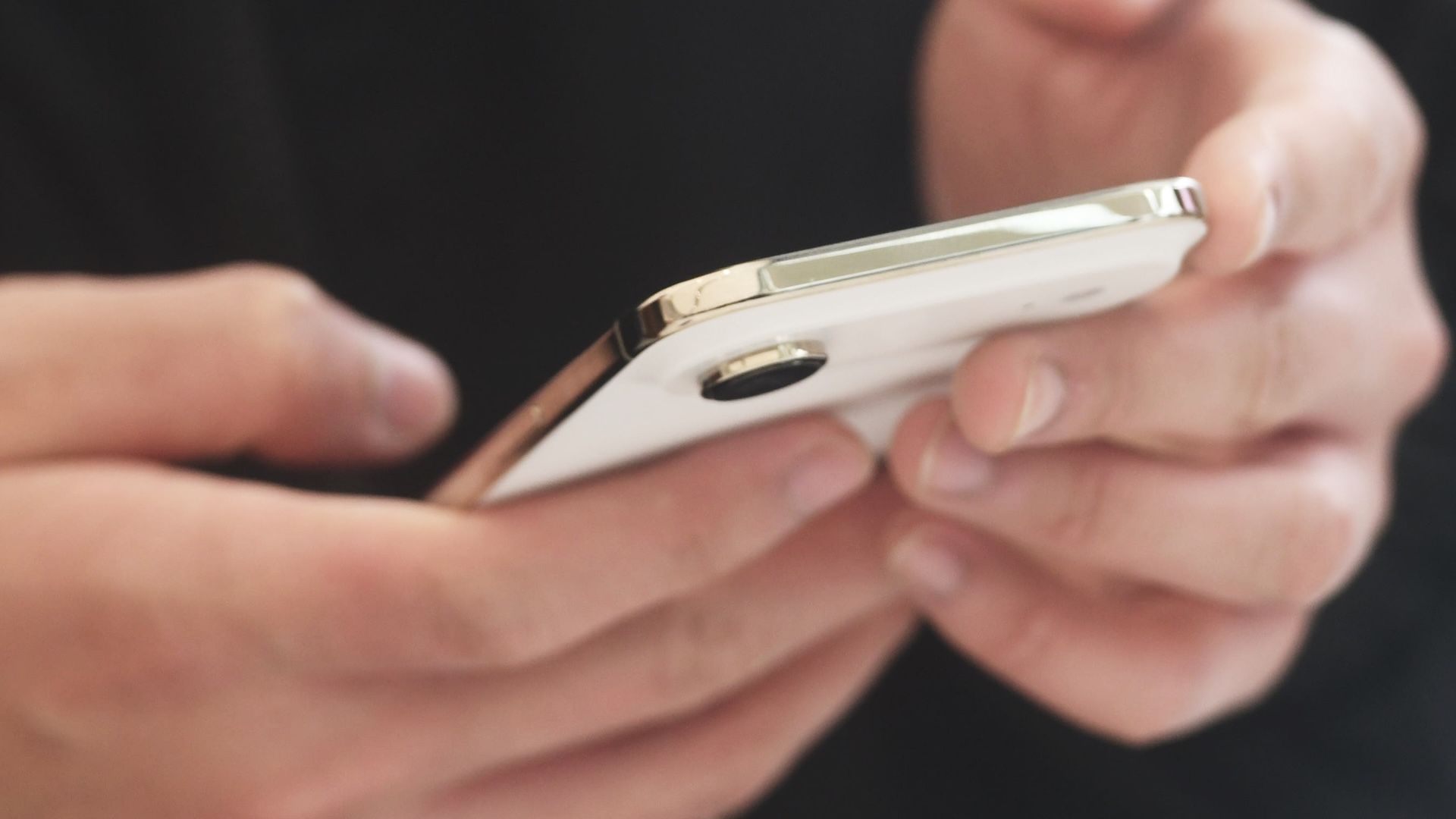
The most significant departure from the standard lineup is the single-lens rear camera system. In an era where even budget smartphones sport triple-camera arrays, the Air’s omission of a dedicated telephoto or wide-angle lens was seen by many as a regression. However, for the demographic the Air targets—the lifestyle-focused user who prioritizes snapshots over professional-grade focal length versatility—the sensor quality remains top-tier, leveraging Apple’s advanced computational photography to bridge the gap.
The Battery Paradox
The pursuit of a "razor-thin" chassis required a recalibration of the internal architecture. By opting for a smaller battery, the device loses the multi-day longevity expected by power users. Yet, in real-world usage, the efficiency of the custom silicon paired with the display’s power-sipping technology ensures the phone survives a standard day, provided the user isn’t engaging in high-intensity gaming or constant 4K video editing.
Supporting Data: Sales and Consumer Sentiment
The market response to the iPhone Air provides a masterclass in price sensitivity. According to recent retail analytics, the primary friction point for the Air was not its design, but its positioning relative to the standard iPhone 17.
- The Price Gap: At £999, the Air was competing directly with the iPhone 17 Pro, which offers a significantly more robust feature set.
- The £799 Sweet Spot: By dropping to £799, the Air now sits in the "premium-standard" tier. Data suggests that at this price point, consumers are much more willing to trade technical features (like the extra camera lens) for the aesthetic and ergonomic benefits of the Air’s design.
- Demographic Shift: Early adoption data indicates that the Air is performing exceptionally well with "minimalist" consumers—users who view their phone as a fashion accessory and a daily communication tool, rather than a mobile workstation.
Official Responses and Industry Context
While Apple typically remains silent on specific product sales performance, the company has doubled down on its commitment to the "Air" branding across its product lines, from the MacBook Air to the iPad Air. This suggests that the iPhone Air is not a one-off experiment, but rather a long-term strategy to segment the market based on usage philosophy rather than just technical specifications.
Design experts have noted that the iPhone Air represents a broader industry trend: the "democratization of luxury." As smartphone hardware reaches a plateau in terms of performance—where every phone is "fast enough"—manufacturers are turning to material science, weight reduction, and industrial design as the new battlegrounds for differentiation.
Implications: The Future of the Form Factor
The current price drop for the iPhone Air has significant implications for Apple’s future hardware releases.
1. The Death of the "One Size Fits All" Strategy
Apple is increasingly moving toward a fragmented lineup. By offering a "Pro" line for power users, a "Standard" line for the masses, and an "Air" line for those who prioritize form and portability, Apple is ensuring it captures every psychological segment of the consumer base.
2. The Return to Industrial Design
For years, smartphone design has been stagnant, trapped by the need to house massive batteries and complex camera bumps. The iPhone Air proves that there is a viable, perhaps even hungry, market for devices that feel "human-scale." If the Air continues to perform well at its new price point, we may see future iterations that push the envelope of thinness even further, potentially utilizing new battery chemistries that allow for higher energy density in smaller volumes.
3. A Lessons-Learned Moment for Competitors
Other manufacturers, such as Samsung and Google, are watching the "Air" experiment closely. If a device with fewer features but superior design can succeed through a targeted pricing strategy, we can expect a wave of "slim" handsets to enter the Android market in the coming years.
Conclusion: Is the iPhone Air Worth It?
The iPhone Air is a testament to the idea that technology should be seen and felt, not just measured by specs on a spreadsheet. While the initial £999 price tag was arguably an overreach for a device that requires the user to compromise on features, the current £799 valuation changes the calculus entirely.
For the user who finds the current generation of smartphones cumbersome, heavy, and overly utilitarian, the iPhone Air offers a refreshing alternative. It is, quite simply, the most beautiful device in the current Apple catalog. While it may not be the best phone for the content creator or the mobile gamer, it is the best phone for the person who values the intersection of design, balance, and elegance.
As the market adjusts and the "Air" finds its footing, it serves as a reminder that even in a world obsessed with performance, there is still a powerful, unquenchable demand for products that are, as some might say, "too pure for this world." If you have been waiting for the right moment to enter the world of the iPhone Air, that moment has arrived. The device remains a polarizing, beautiful outlier—and at its new, more accessible price, it is finally ready to reach the audience it was always meant to serve.
 Raul Delapena Setiawan
  Ammar Sabilarrohman