
 By Layla Zulfa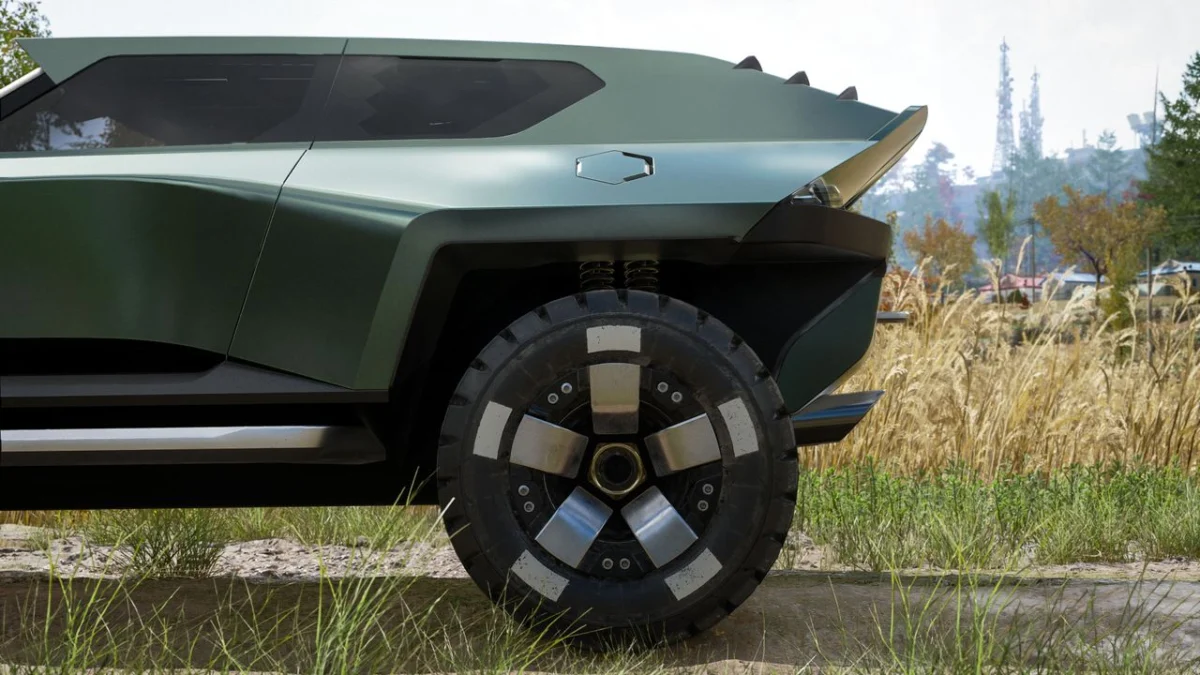
In the rarefied world of high-performance automotive manufacturing, brand identity is everything. It is a fragile alchemy of heritage, silhouette, and sensory experience—the smell of hand-stitched Oxford Tan leather, the visceral, guttural roar of a V12 engine, and the unmistakable, sweeping lines of a front grille. For decades, these elements have been reserved for the physical realm, confined to showrooms, test tracks, and the winding roads of the Cotswolds.
However, a radical shift is occurring. Aston Martin, a brand synonymous with cinematic elegance and British refinement, has just unveiled its most aggressive, imposing vehicle to date. It is a machine capable of crushing obstacles and dominating the battlefield. Yet, if you head to your nearest Aston Martin dealership hoping to place a deposit, you will be met with a polite refusal. The "Dreadnought," a military-grade, armor-plated SUV, does not exist in the physical world. It exists solely within the digital ecosystem of Call of Duty: Modern Warfare 4.
This is not merely a promotional tie-in or a digital skin. It represents a fundamental evolution in how luxury automotive brands are utilizing virtual spaces as a legitimate "design studio" to push the boundaries of their aesthetic identity without the constraints of crash tests, production costs, or aerodynamic regulations.
The Anatomy of the Dreadnought: A Digital Behemoth
At first glance, the Dreadnought looks like an anomaly within the Aston Martin stable. It is characterized by brutal, angular panels, massive LED light arrays, and a stance that suggests it could shrug off small-arms fire as easily as a standard DB12 navigates a roundabout.
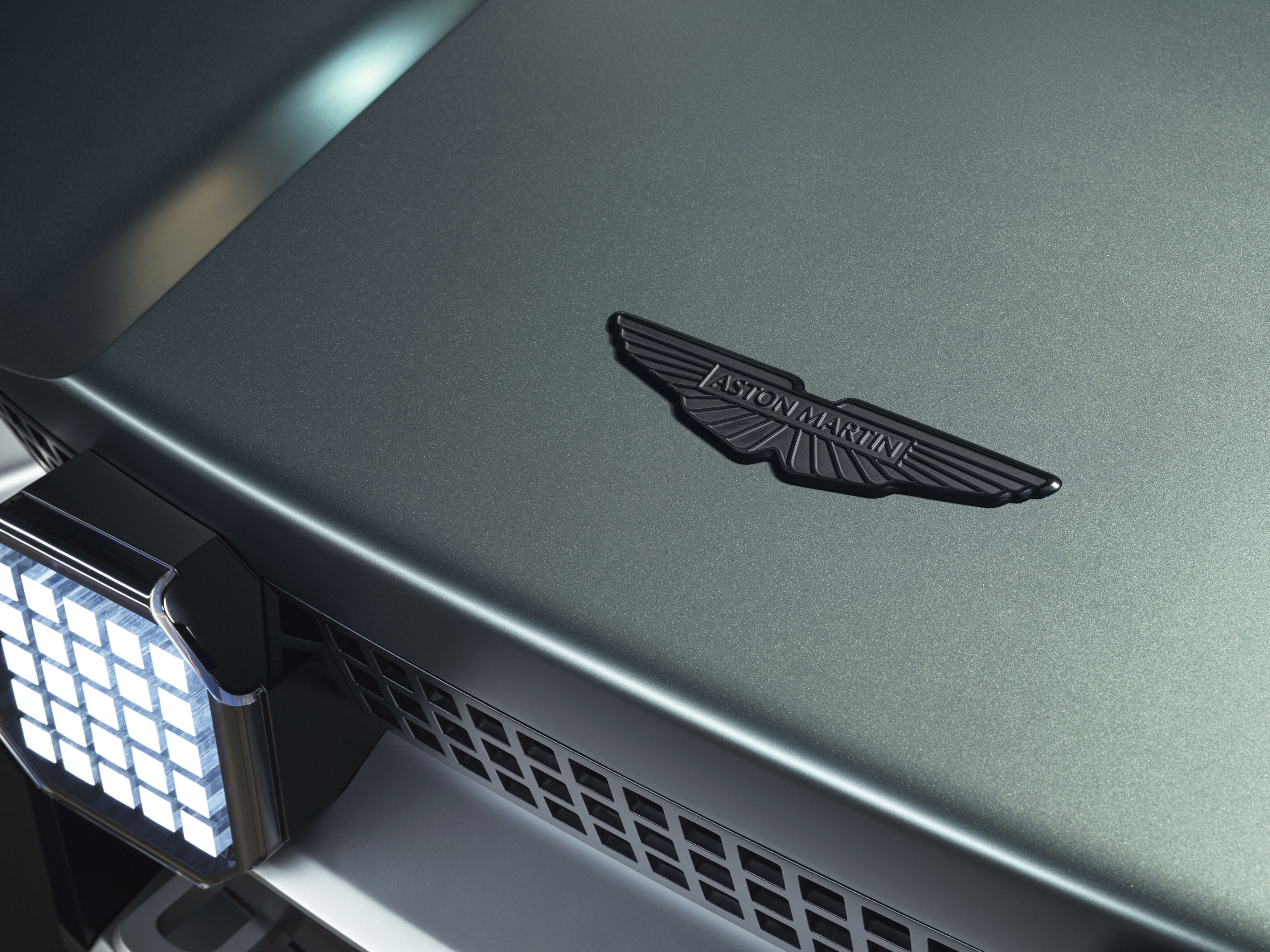
Despite its militaristic appearance, Marek Reichman, Aston Martin’s Chief Creative Officer, insists that the design process was rooted in the brand’s traditional design philosophy. "It is unmistakably Aston Martin," the company stated in its press release, a claim that might seem audacious given the vehicle’s departure from the marque’s typical grand-tourer aesthetic.
To ensure the vehicle felt authentic, the design team did not simply layer "video game" aesthetics onto a chassis. Instead, they treated the Dreadnought as if it were a genuine project destined for the production line. Designers modeled the vehicle by imagining it navigating the chaotic, monsoon-drenched streets of Mumbai or the dense, towering grid of New York City. By grounding the design in real-world environmental physics—even if those environments were rendered in a game engine—the team ensured that the Dreadnought maintained a sense of weight, proportion, and "brand soul."
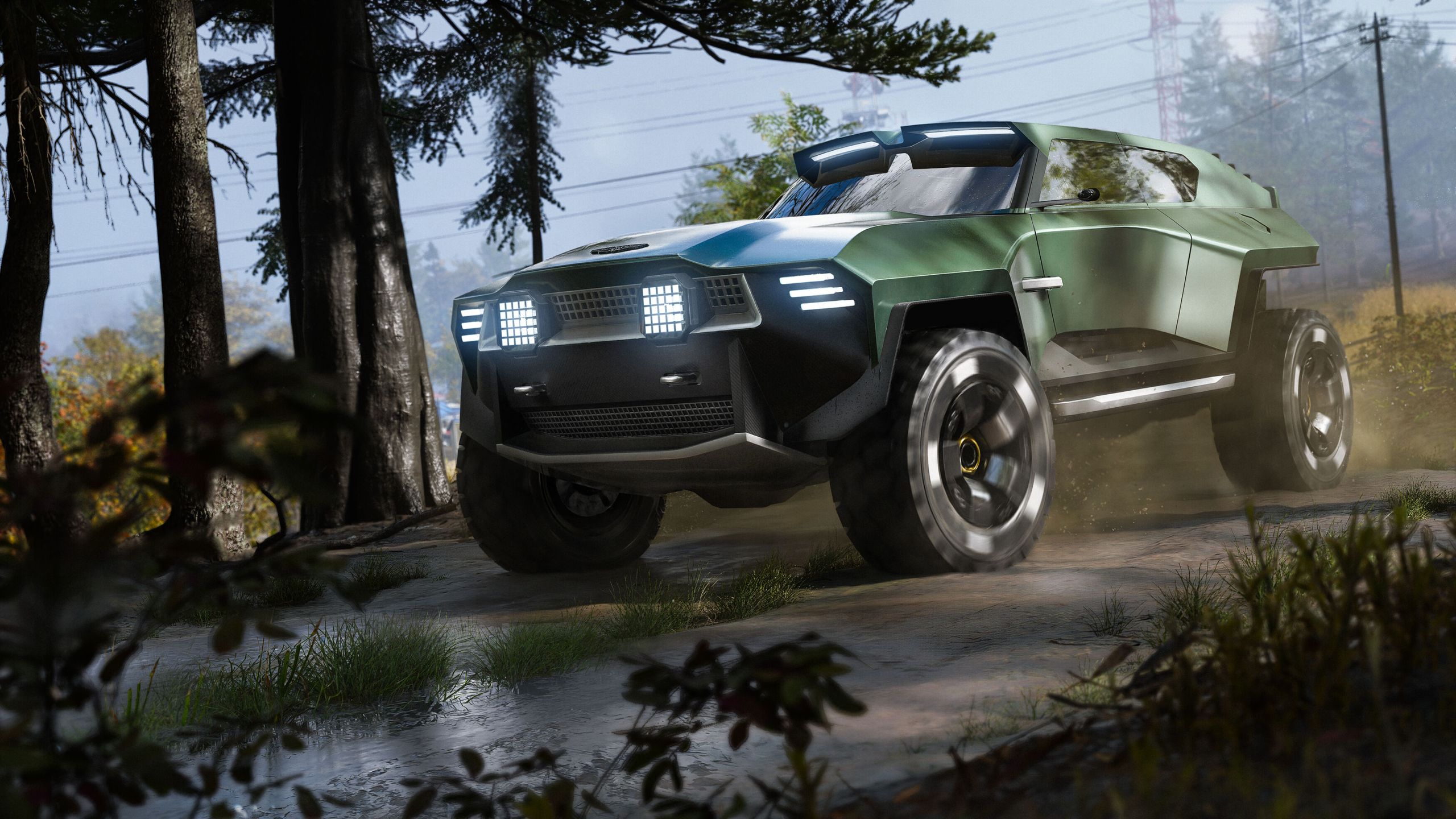
The attention to detail is staggering. The interior features the company’s signature Oxford Tan leather, juxtaposed against high-end carbon fiber detailing and satin gold accents. The vehicle is finished in the iconic Chiltern Green, ensuring that even under the dust and grit of a war zone, the lineage of the brand remains visible. Most tellingly, the engine note was engineered to sound like a classic Aston Martin V12, providing an auditory bridge between the brand’s heritage and this new, fictional frontier.
A Chronology of Virtual Design Evolution
The integration of high-end vehicles into video games is not a new phenomenon, but the intent has shifted dramatically over the last decade.
- The Early Era (2000s): Gaming was primarily a marketing channel. Brands licensed existing models for games like Need for Speed or Gran Turismo to reach younger demographics. The cars were digital replicas of physical assets.
- The Concept Phase (2010s): Gran Turismo introduced the "Vision Gran Turismo" project, inviting manufacturers to design concept cars exclusively for the game. These were "what-if" scenarios that allowed designers to experiment with futuristic materials and propulsion systems.
- The Narrative Integration (2020–Present): We are now in the era of "Brand Contextualization." Brands are no longer just dropping a car into a game; they are building the car for the game’s narrative.
This current trend was recently underscored by Jaguar’s controversial "Type 00" concept. By debuting the car within the context of the 007: First Light digital experience, Jaguar attempted to redefine its brand identity through a lens of high-concept digital storytelling rather than a traditional car show reveal. The Dreadnought follows this trend but takes it a step further: it is not a car that could be built; it is a car that is built for a specific, high-stakes, violent utility.
Supporting Data: The Economics of Digital Assets
Why would a legacy brand like Aston Martin commit high-level design resources to a project that will never generate a single unit of direct revenue? The answer lies in the evolving economics of the luxury market.
Recent industry reports indicate that the average age of luxury car buyers is shifting. While traditional prestige remains a draw, younger consumers—specifically Gen Z and Millennials—are increasingly defining their brand loyalties through digital experiences.
- Visibility Metrics: A presence in Call of Duty, one of the most commercially successful gaming franchises in history, offers a brand exposure that traditional automotive marketing campaigns struggle to match. With the game launching across Xbox Series X/S, PlayStation 5, and PC on October 23, the potential reach is in the tens of millions of active, engaged users.
- Creative ROI: The cost of developing a "concept" car for the physical world—including prototypes, engineering, and logistics—can run into the tens of millions of dollars. A digital asset, while expensive to design, bypasses the massive overhead of physical manufacturing, allowing for rapid iteration and creative freedom.
- The "Halo" Effect: By showing that Aston Martin can design a vehicle that is "tough" and "tactical," the brand expands its psychological footprint. It moves from being a brand for "gentlemen drivers" to a brand for "modern icons," widening its appeal to a demographic that values power and tech-forward aesthetics.
Official Responses and the Design Philosophy
In his official statement, Marek Reichman highlighted the unique challenges of this project. "Creating a fictional car is easy enough; creating one that still feels like it belongs to a very particular brand is a much harder design challenge," he noted.
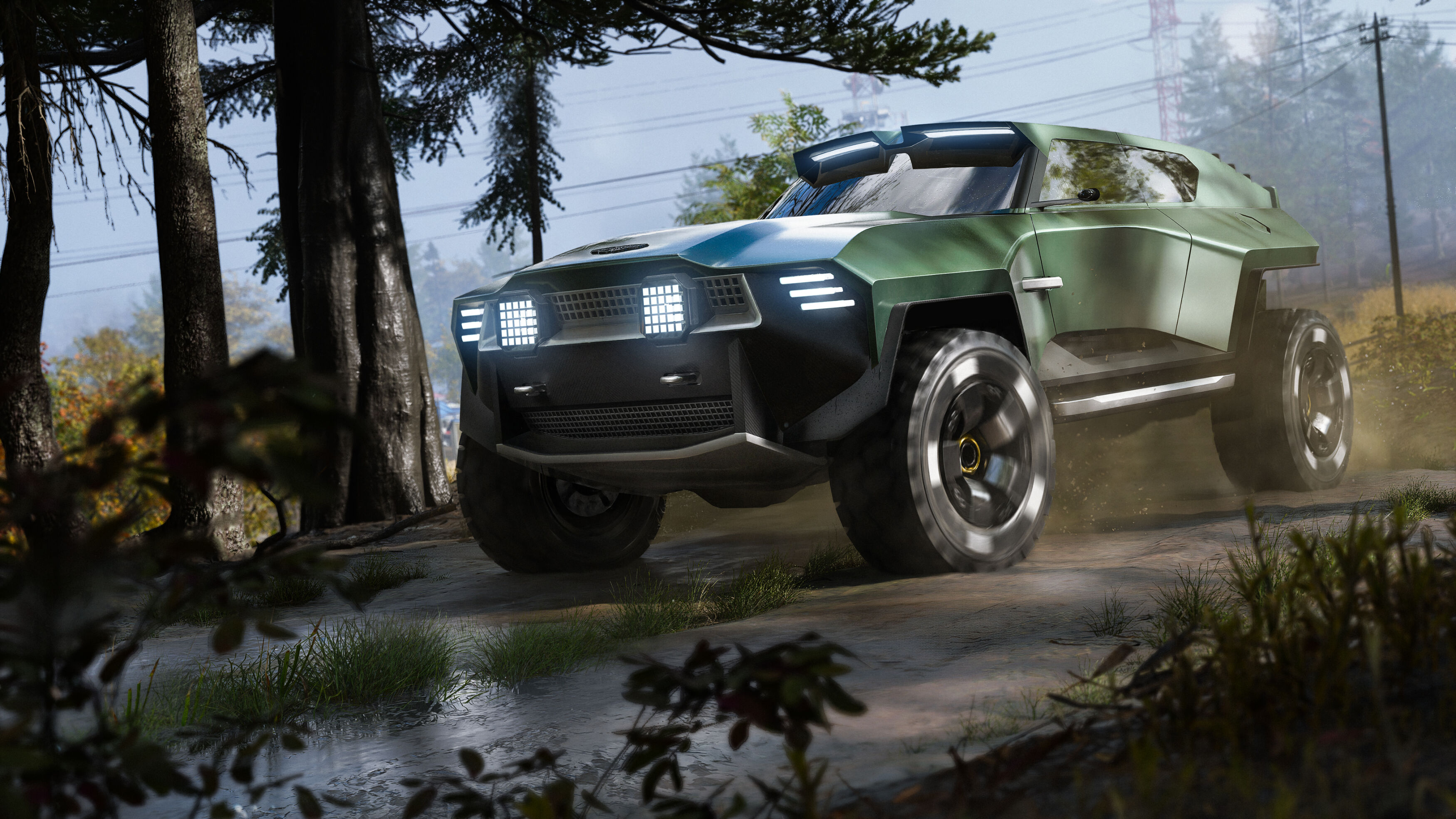
The strategy was to ignore the "gamesy" tropes that often plague vehicle design in digital media—such as neon lighting, floating components, or unrealistic dimensions. By focusing on the "rules" of the car, the design team treated the game engine as a new type of studio. This reflects a broader industry movement where game engines like Unreal Engine 5 are becoming standard tools in the automotive design pipeline, used for real-time rendering and interior ergonomics testing.
For Aston Martin, the Dreadnought is a testbed. If a design element works well in a digital environment—where users view it from every conceivable angle—it provides valuable data on how that design might be received in the real world.
The Implications: Is the Future of Design Virtual?
The creation of the Dreadnought signals a permanent shift in the relationship between luxury brands and digital spaces. We are approaching a point where the digital version of a car may hold as much prestige as the physical version.
1. The Death of the "Crash Test" Constraint
Designers have long complained that modern safety regulations and aerodynamic requirements dictate the shape of cars, leading to a "homogenization" of vehicle silhouettes. In the digital realm, these constraints vanish. The Dreadnought allows Aston Martin’s design team to flex their muscles, testing extreme proportions that would be impossible to clear for road safety, yet remain aesthetically desirable.
2. Brands as Content Producers
Aston Martin is no longer just a manufacturer; it is becoming a content studio. By collaborating directly with developers, these brands are ensuring their products are woven into the very fabric of popular culture. This is a far more effective form of brand integration than traditional product placement, where a car might simply be parked in the background of a scene.
3. A New Playground for Designers
For the next generation of automotive designers, the ability to build in virtual spaces is becoming as important as traditional clay modeling. The Dreadnought proves that the most "Aston Martin" thing about the car isn’t its engine displacement or its drag coefficient—it’s the design language. If that language can be successfully ported to an armored, weaponized SUV in a high-octane shooter, it validates the strength and versatility of the brand’s design DNA.
Conclusion: A Vision of What’s Next
As the automotive industry pivots toward electrification and autonomous driving, the "character" of a car is becoming harder to define. When the internal combustion engine is replaced by a battery pack, what makes an Aston Martin feel like an Aston Martin?
The Dreadnought suggests the answer lies in aesthetics, presence, and the sheer audacity of the design. While we may never see a road-legal version of this armored beast, its existence in Modern Warfare 4 serves as a powerful reminder that a brand’s identity is not defined by its limitations, but by its ability to evolve. Aston Martin has used the digital world to prove that even in a chaotic, fictional future, their commitment to beauty, power, and soul remains as sharp as ever.
Whether the Dreadnought will influence the next generation of physical Aston Martin SUVs remains to be seen. But one thing is certain: the line between the virtual garage and the physical showroom has never been thinner. For the fans who will be piloting this vehicle through the digital streets this October, the dream of driving an "unmistakable" Aston Martin is no longer a fantasy—it’s a gameplay experience.
 Raul Delapena Setiawan
  Ammar Sabilarrohman
  Muslim