
 By Nana Muazin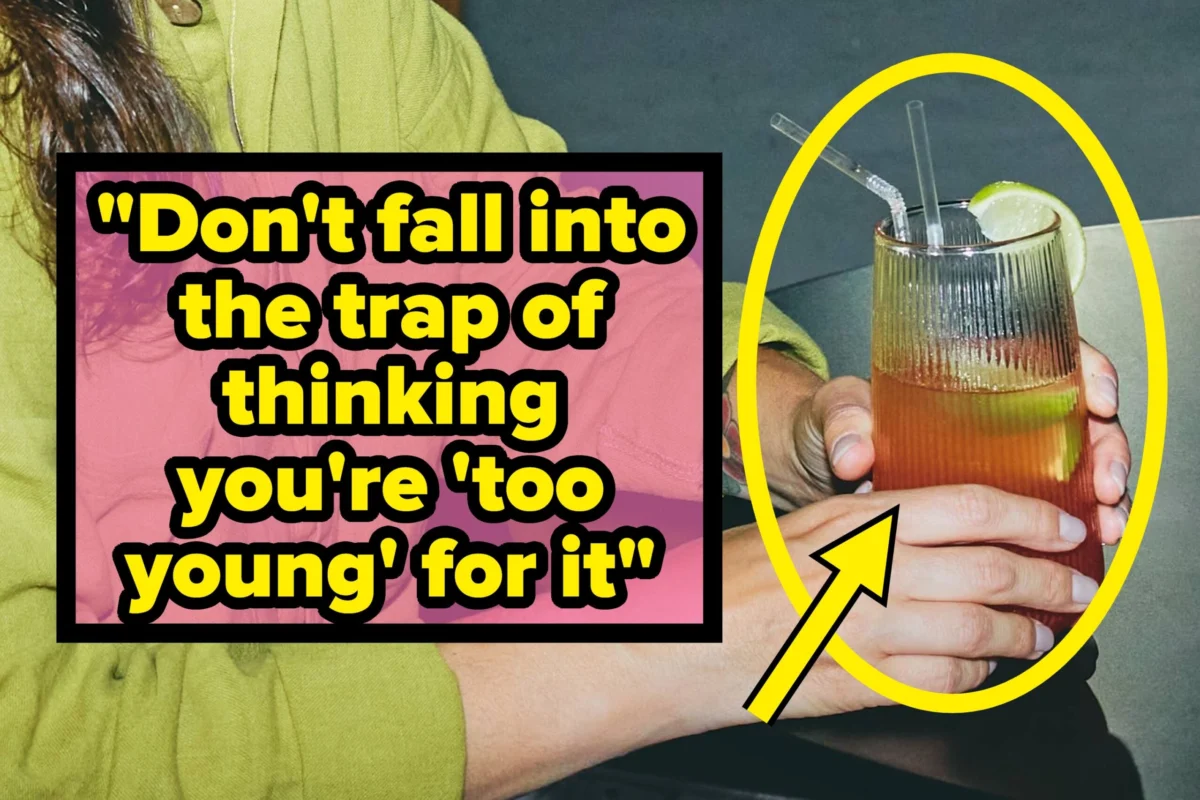
By Global Health & Wellness Desk
Published: October 2023
If a night out on the town is beginning to lead to a quiet night in much quicker than it used to, or if cracking open a drink no longer feels fun because you are suddenly overwhelmed by an unexpected wave of sleepiness, you are far from alone. Across demographics, millions of adults notice a distinct shift in how their bodies process alcohol as they cross various thresholds of adulthood. What was once a reliable social lubricant that sustained hours of late-night chatter now feels like a powerful sedative, turning Friday night gatherings into early-evening fatigue.
Far from being merely a psychological shift in lifestyle or social priorities, this phenomenon is rooted in hard science. Leading addiction experts, psychiatrists, and clinical psychologists explain that the human body undergoes profound physiological changes over time, altering how alcohol is metabolized, distributed, and experienced by the central nervous system.
1. Main Facts: The Central Nervous System and Body Composition
To understand why alcohol packs a heavier punch as we age, we must first look at how the substance interacts with our biological framework.
Dr. Urvi Natha, a licensed clinical psychologist with Oro Recovery and founder of Shanti Recovery and Wellness, highlights the primary pharmacological driver: "Alcohol is a central nervous system depressant, and the brain becomes more sensitive to its sedating effects with age."
While this neurochemical sensitivity explains the subjective feeling of exhaustion, physical changes in body composition dictate how rapidly that alcohol reaches the brain. Dr. Amy Swift, a psychiatrist and deputy medical officer at Silver Hill Hospital, points out that aging fundamentally alters our internal plumbing. "As we age, lean body mass and total body water decrease, leaving less volume in which alcohol can distribute," Dr. Swift explains.
This reduction in volume means that the same standard glass of wine or pint of beer that resulted in a mild, manageable buzz at age 25 will produce a much higher blood alcohol concentration (BAC) at age 45 or 55. The body simply has less water to dilute the substance, and fewer muscle tissues to help process it, leading to a faster and more intense onset of intoxication and sedation.
2. Chronology: How the Body Changes Decade by Decade
These physiological shifts do not happen overnight; rather, they represent a gradual, lifelong biological evolution that begins much earlier than most people realize.
The Silent Transition in Your 30s
According to Dr. James Sherer, an addiction psychiatrist and network medical director at Hackensack Meridian Health Addiction Service, the musculoskeletal foundation of this process begins around your 30th birthday.
"Starting around age 30, we lose about 3% to 8% of our lean muscle mass each decade," Dr. Sherer notes. "Fat tissue then replaces the lost muscle mass." Because fat tissue holds significantly less water than muscle, this slow, steady metabolic trade-off changes the body’s internal composition, shrinking the distribution volume for alcohol year after year.
The Middle-Age Shift (40s and 50s)
By the time individuals reach their 40s, these cumulative changes become glaringly obvious. Dr. Swift notes that patients in this age bracket frequently report that alcohol "goes to their head" much more quickly.
Furthermore, this is the era when the infamous "two-day hangover" makes its debut. Dr. Sherer explains that middle-aged drinkers routinely experience immediate sleepiness, followed by lingering fatigue, impaired concentration, irritability, and reduced exercise performance that can drag well into the workweek.
The Senior Years (60s, 70s, and Beyond)
In later decades, the body’s tolerance and processing capabilities drop off precipitously. Dr. Sherer states that by the time a person reaches their 60s and 70s, alcohol "functions heavily as a sedative," and the aging body "simply cannot process" as much alcohol safely. At this stage, the risks shift from inconvenient hangovers to severe impacts on balance, cardiovascular stability, and overall neurological safety.
3. Supporting Data: The Myth of Restorative Sleep and "Junk Sleep"
A common misconception among adults experiencing age-related alcohol fatigue is that this newfound sleepiness must be a positive thing—a natural remedy for insomnia or a quick ticket to rest. However, experts emphasize a cruel biological paradox: while alcohol may help you pass out, it destroys your actual sleep quality.
"While alcohol might make you pass out, it destroys sleep quality by blocking REM [rapid eye movement] and deep restorative sleep," Dr. Sherer explains. "Because natural sleep architecture already becomes lighter and more fragmented as we age, adding alcohol guarantees you will wake up exhausted, irritable, and physically fatigued."
This phenomenon is frequently tied to what sleep scientists call "junk sleep"—fragmented, poor-quality rest that fails to restore the body or clear metabolic waste from the brain. Chronic disrupted sleep is not merely an annoyance; public health data heavily links it to long-term health complications, with fragmented sleep cycles implicated in as many as 172 distinct medical diseases.
Dr. Lucas Trautman, an addiction psychiatrist with the American Addiction Center, frequently hears patients report that they managed to stay in bed for a full seven or eight hours after drinking, yet woke up feeling as though they had not slept at all.
"Alcohol may facilitate unconsciousness, but unconsciousness and healthy sleep are not physiologically equivalent," Dr. Trautman stresses.
4. Official Responses and Medical Compounding Factors
As individuals age, alcohol rarely acts upon the body in isolation. Older adults are statistically more likely to manage chronic health conditions, experience age-related sleep disorders, and take daily pharmaceutical medications.
"Medications, sleep apnea, and other medical conditions can compound the problem," Dr. Trautman notes.
When alcohol is introduced into a biological system already managing prescription drugs—such as blood pressure medications, anxiolytics, or diabetes treatments—the central nervous system depression can become dangerously amplified.
This compounding effect is also starkly visible in clinical settings focused on substance use recovery. Dr. Swift points out the dramatic contrast in withdrawal and dependency management across different age brackets.
"In addiction treatment, this contrast can be striking," Dr. Swift says. "A 20-year-old drinking 10 beers daily may show little evidence of withdrawal, while a 60-year-old drinking a bottle of wine each day may require medically supervised withdrawal management."
5. Broader Implications: Redefining Social Drinking Across the Lifespan
Ultimately, the medical consensus is clear: while our social habits and desires to unwind may remain remarkably consistent over the decades, the biological price tag for consuming alcohol rises exponentially.
"While our drinking habits may stay the same, as we age, their impact on our bodies grows more profound," Dr. Natha concludes.
Yet, experts issue a vital warning to younger demographics: do not fall into the psychological trap of believing you are "too young" to experience the severe physiological toll of alcohol. While a 22-year-old may bounce back from dehydration and a disrupted night of sleep far quicker than a 50-year-old, the underlying biological damage is still occurring.
Dr. Trautman shares a sobering clinical reality from his practice that challenges the myth that severe alcohol-related disease only develops late in life.
"I have seen severe consequences of alcohol use disorder in people who are remarkably young," Dr. Trautman reveals. "I have treated patients in their mid-30s who already had liver failure and other advanced medical complications related to alcohol. That clinical reality challenges the idea that serious alcohol-related disease develops only in old age or only after many decades of drinking."
Whether you are noticing a subtle drop in your tolerance during your 30s, struggling with multi-day hangovers in your 40s, or evaluating the compounding health risks in your senior years, the science suggests that listening to your body’s new signals of exhaustion is essential. What feels like an annoying biological glitch is, in reality, a protective alarm system—signaling that it is time to rethink how alcohol fits into a healthy, aging lifestyle.
Need help with substance use disorder or mental health issues? In the U.S., call 800-662-HELP (4357) for the SAMHSA National Helpline.
 rifanmuazin
  Basiran