
 By Iffa Jayyana
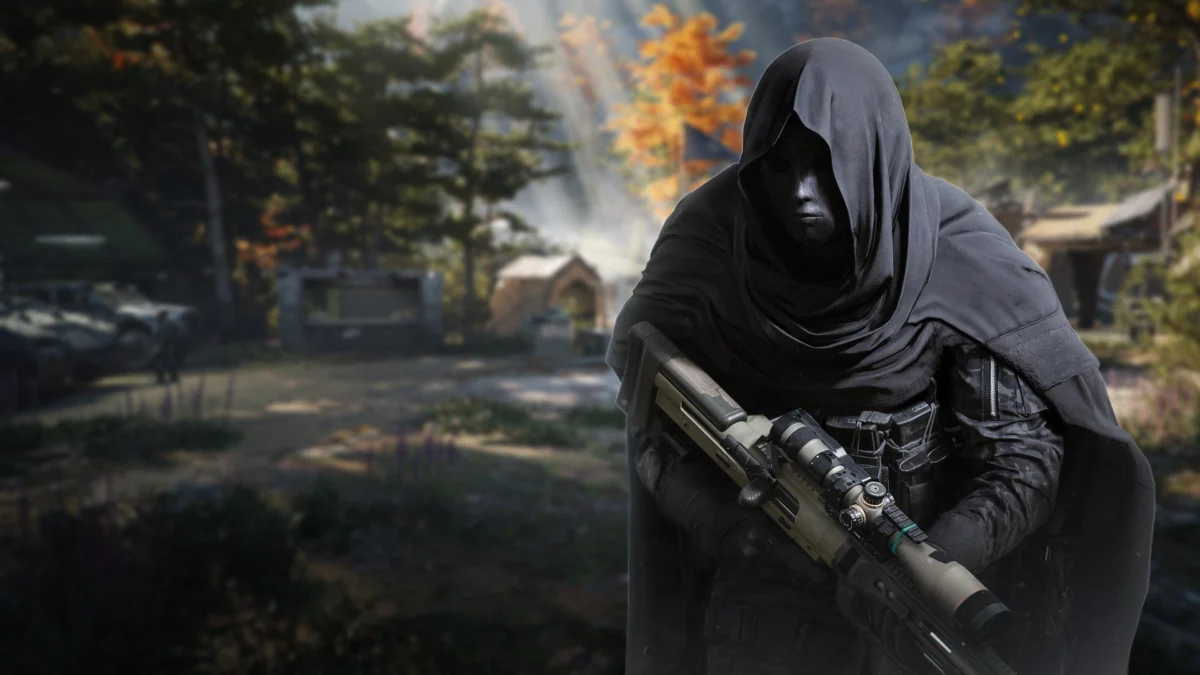
In the high-stakes world of extraction shooters, the line between triumph and defeat is usually razor-thin. For players of Call of Duty: Modern Warfare 4’s DMZ mode, that line has suddenly become blurred by a single, controversial operator trait: "Possum." Just two days into the early access period, this ability—which allows a downed player to revive themselves from a state of total elimination—has sparked a wildfire of debate across Reddit, social media, and YouTube, challenging the very core design philosophy of the genre.
The Mechanics of Resurrection: What is "Possum"?
The Possum trait is a new addition to the operator progression system, specifically tied to the "Warfighter" skill tree. It is designed as a "get out of jail free" card, but one that comes with significant caveats.
When a player equipped with the Possum trait is eliminated in a match, they do not immediately return to the lobby menu. Instead, they are granted a one-time-per-match opportunity to initiate a self-revival from a "Last Stand" state. The process is far from instantaneous; it requires approximately 10 seconds of uninterrupted time, leaving the player highly vulnerable to enemies who might be nearby. Furthermore, the penalty for utilizing this second chance is steep: upon successful revival, the player loses all loot they had collected up to that point. They are effectively reset to their starting loadout, essentially trading their accumulated gear for a second lease on life.
Despite these limitations, the community’s reaction has been swift and overwhelmingly critical, leading many to question if an "extra life" has any place in an extraction-based game.
Chronology of the Outcry
The discourse surrounding Possum began almost immediately after the early access launch.
- Launch Day (Day 1): Players began experimenting with the Warfighter progression tree. As users reached the required level to unlock Possum, the first reports of "undying enemies" began appearing on social media.
- Day 2 (The Tipping Point): As more players unlocked the trait, the frequency of "Possum-induced" encounters skyrocketed. The subreddit r/DMZ became a hub for complaints, with threads detailing instances where squads believed they had secured a victory, only to be ambushed from behind by a player they had previously confirmed as "dead."
- Current State: Major content creators and streamers have weighed in, with the general sentiment shifting from curiosity to frustration. Discussions have moved beyond the "is it fair" debate into the "how do we counter this" phase, as players scramble to adapt their playstyles to mitigate the threat.
Supporting Data: Why Players Feel "Cheated"
The core grievance held by the community is that Possum fundamentally alters the "rules of engagement" in DMZ. In a typical extraction shooter, "confirming a kill" is a strategic maneuver. You down an enemy, and if the squad is wiped, you are safe to loot the area.
The "Dead-Man-Walking" Syndrome
The primary frustration is the element of uncertainty. There is currently no visual indicator or "death cam" confirmation that informs a player if their opponent is equipped with the Possum trait. As user SkinDiesel noted on Reddit, the experience of clearing a room, only to be surprised by a player who should have been out of the game, feels "diabolical."
The Shift in Tactics
Squads are now forced to adopt what some are calling "corpse-sitting." Because a downed player could potentially revive themselves, winning squads now feel obligated to linger over the bodies of their fallen foes for an extended period to ensure they don’t pop back up. This not only slows down the pace of the game but also exposes the winning team to third-party attacks, effectively punishing players for being successful in a gunfight.
Strategies for Counter-Play
While the community remains largely divided, a subset of players has begun proposing tactical shifts to neutralize the advantage provided by Possum.
Proactive Surveillance
The most common advice circulating on forums is to "keep moving." If a squad wipes an enemy team and suspects one might have Possum, the tactical decision is to strip the remaining loot and vacate the area immediately. By leaving the immediate vicinity, you nullify the advantage of the resurrected player, who will emerge with no gear and a significant distance to close.
Environmental Deterrence
Others have suggested a more defensive approach. Players are experimenting with "body-trapping," which involves placing proximity mines or tripwires directly on the location where an enemy fell. If the player attempts to initiate the 10-second Possum revival, the explosion serves as an early warning system—or an immediate second kill.
Implications for the Future of DMZ
The introduction of Possum signals a broader design shift in Modern Warfare 4. By introducing "perk-like" abilities that can fundamentally change the outcome of a match, Infinity Ward is moving away from the traditional, hardcore extraction experience and toward a more arcade-style, forgiving meta.
The Developer Dilemma
If developers choose to nerf or remove the trait, they risk alienating players who enjoy the increased survivability it offers. However, if they leave it as is, they face the growing risk of the "tactical, high-stakes" identity of DMZ being compromised.
Critics argue that the "extraction" genre relies on the finality of death. When death becomes a temporary setback rather than a permanent end to a run, the value of the loot—and the adrenaline of the firefight—is diminished. Supporters, meanwhile, argue that it rewards strategic leveling and provides a necessary buffer against "sweaty" lobbies and aggressive, spawn-killing squads.
The Content Creator Influence
The vocal criticism from prominent YouTubers like Phixate and Wynn-Gaming cannot be ignored. In the modern gaming landscape, these creators act as the bridge between the developers and the player base. When influencers label a mechanic "broken" or "diabolical," it creates a self-fulfilling prophecy that can influence how the entire player base perceives the feature, often putting immense pressure on developers to issue a "hotfix" or balance patch.
Conclusion: A Wait-and-See Approach
While it is easy to view the current unrest as a sign of a "broken" game, it is worth noting that the meta-game in any Call of Duty title is rarely static. The game has been available for less than 72 hours. In that time, the player base has transitioned from initial shock to tactical adaptation.
The most prudent path for the developers may be to hold steady. Allowing the meta to breathe for a few weeks serves two purposes: it allows developers to gather actual telemetry data on how often Possum is successfully used to turn the tide of a match, and it gives the community time to develop counter-strategies. If, by the end of the month, the trait remains a source of widespread frustration and makes the extraction process feel trivial, then a balance adjustment—perhaps increasing the revival time or adding a clear visual indicator—would be the logical next step.
For now, the "Possum" remains a controversial occupant of the DMZ. Whether it becomes a beloved feature that adds depth to the game or is remembered as a short-lived, failed experiment, its impact on the Modern Warfare 4 landscape is undeniable. As the wider player base gains access today, the "pest control" saga is only just beginning.
 Azzam Bilal Chamdy
 Asep Darmawan
 Sagoh
