
 By Azzam Bilal Chamdy
Introduction: The Decade That Altered the Confectionery Landscape
The 1960s was a transformative era defined by cultural revolutions, technological leaps, and unprecedented shifts in popular culture. Amidst the backdrop of the Space Race, civil rights movements, and a booming youth demographic, the American confectionery industry underwent a radical reinvention. Gone were the days of simple, unadorned sugar drops and basic chocolate slabs dominating the market entirely. Instead, the decade introduced a bold, sensory-driven approach to sweet-making characterized by brilliant neon colors, dynamic textures, and an explosion of intense flavor profiles—ranging from hyper-sweet fruit combinations to face-puckering, sour jolts that challenged children and adults alike.
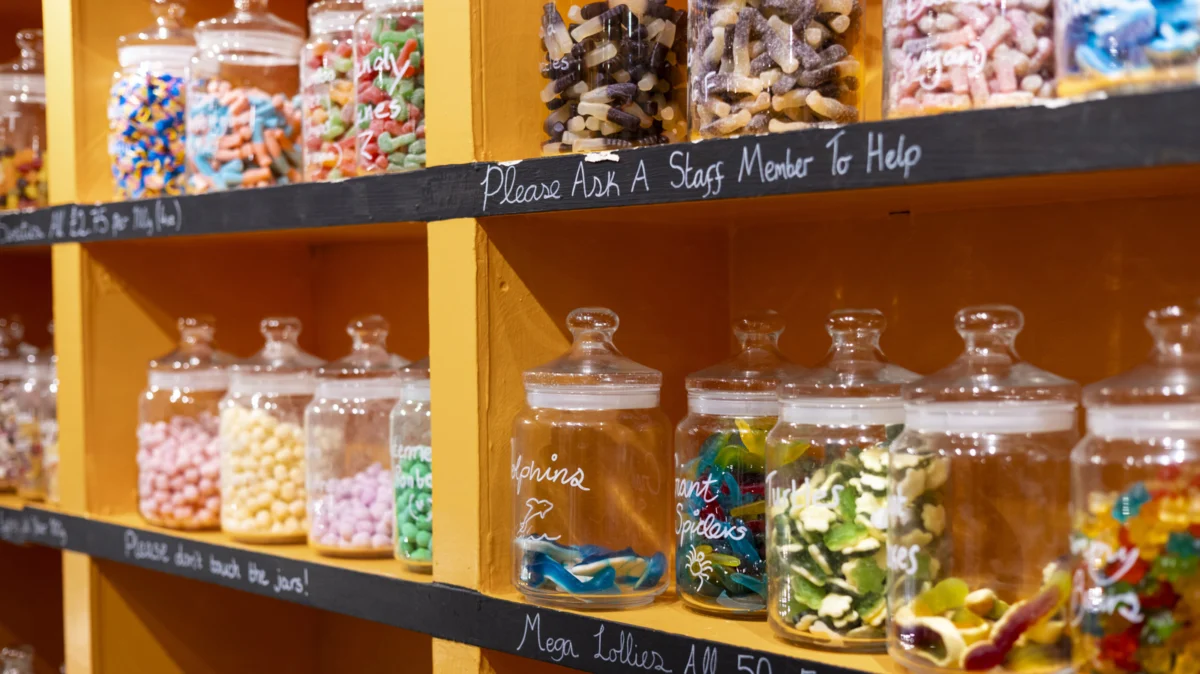
Today, while modern supermarket aisles are dominated by sleek corporate mergers, minimalist packaging, and ultra-processed gummy novelties, a dedicated subculture of candy enthusiasts continues to seek out the enduring classics of the 1960s. Whether found tucked away on the wooden shelves of an independent, old-timey mom-and-pop sweet shop or ordered through online specialty purveyors, these nostalgic treats have proven remarkably resilient. This retrospective examines seven iconic candies born during the 1960s that have stood the test of time, exploring their historical origins, cultural impact, and where adventurous sweet-tooths can still find them today.
Chronology of Confectionery Innovation: A Timeline of the ’60s Sweet Wave
To understand how these treats came to be, it is helpful to place them within the broader historical context of the mid-20th century. The confectionery market of the 1960s was driven by post-war prosperity, a surge in television advertising targeting children, and manufacturing breakthroughs that allowed for unprecedented texturized sweets.
- 1962: The Ferrara Pan Candy Company introduces Lemonheads, capitalizing on America’s growing appetite for intensely tart, fruit-flavored hard candies.
- 1963: As the U.S. and the Soviet Union battle for dominance beyond Earth’s atmosphere, Astro Pops launch, capturing the national obsession with the Space Race in a rocket-shaped lollipop.
- 1964: Nestlé debuts the $100,000 Bar (later renamed the 100 Grand Bar), tapping into the public fascination with high-stakes television game shows.
- 1966: Inventor Robert C. Bucher patents a revolutionary concept: a candy that transforms into chewing gum, introducing Razzles to the market.
- 1968: Italian novelty treats cross the Atlantic, bringing ZotZ—fizzy, sour-centered hard candies—to American consumers for the first time.
- Early 1960s: Confectioners introduce Coffee Nips (now produced by Brach’s), offering office workers a hard caramel substitute for a traditional coffee break.
- Mid-1960s: Spree gains traction as a pocket-sized, tablet-pressed dextrose candy coated in a crisp, colorful shell.
Main Facts: The Seven Defining Candies of the 1960s
1. Astro Pops (Introduced 1963)
Few confectioneries capture a specific historical moment quite like the Astro Pop. Created by two rocket scientists who transitioned into the candy business, these tri-colored, cone-shaped lollipops were explicitly designed to resemble a multi-stage space rocket. Composed of three distinct, stacked layers—cherry at the top, passionfruit in the middle, and pineapple at the base—the candy provided a sequential flavor experience that lasted as long as the Space Race dominated evening news broadcasts. While original manufacturer Leaf eventually sold the brand, these nostalgia-inducing lollipops remain available today for collectors and retro enthusiasts.
2. Lemonheads (Introduced 1962)
The Ferrara Pan Candy Company changed the hard candy landscape forever when they rolled out the Lemonhead in 1962. Utilizing the same "panning" process used to make Atomic Fireballs and Boston Baked Beans, the company created a round, bright yellow candy with an intensely tart outer shell that eventually dissolved into a sweeter center. Named after the facial expression made when biting into a fresh lemon, the candy’s success paved the way for a broader family of fruit-flavored spin-offs, though the original lemon variant remains the gold standard of zesty mid-century treats.
3. Razzles (Introduced 1966)
Invented by inventor Robert C. Bucher, Razzles challenged the fundamental physics of snacking by posing a perplexing question to consumers: Is it a candy, or is it gum? Initially launched exclusively in a tart raspberry flavor, Razzles began as a solid, chalky-textured hard candy that, when sucked on, gradually dissolved and compressed into a chewable wad of bubble gum. The clever marketing campaign—“First it’s a candy, then it’s a gum, little round Razzles, are fun, fun, fun!”—cemented its place in pop culture history.
4. 100 Grand Bar (Introduced 1964)
Originally branded as the "$100,000 Bar" by Nestlé, this confection was born during a golden era of high-stakes television game shows where ordinary citizens could win life-changing fortunes overnight. The bar itself was a masterclass in textural contrast, combining a chewy, buttery caramel core with a generous texturizing layer of crispy puffed rice, all enrobed in rich milk chocolate. Though inflation eventually prompted a slight name change to the "100 Grand Bar," its decadent recipe has remained largely unchanged for six decades.
5. Spree (Mid-1960s)
Spree represents the pinnacle of mid-century minimalist candy engineering. Manufactured as small, colorful circular tablets made of compressed dextrose, Spree possessed a characteristically chalky, melt-in-your-mouth interior similar to Smarties or SweeTARTS. However, what set Spree apart was its shiny, hard-candy outer shell, which provided an initial fruit-flavored crunch before yielding to the powdery tart center underneath. Packaged in convenient cylindrical paper rolls, they were designed for covert, mindless munching in movie theaters and school classrooms alike.
6. ZotZ (Introduced 1968)
Imported from Italy and hitting American shelves in 1968, ZotZ introduced an element of surprise and theatricality to the candy aisle. Outwardly, they appeared to be standard, brightly colored hard fruit candies. However, biting into or dissolving the shell revealed a hollow core packed with a violently effervescent, sour powder mixture. This sudden chemical fizz created a sensory explosion that delighted children and terrified unsuspecting adults, establishing ZotZ as a legendary novelty sweet.
7. Coffee Nips / Brach’s Coffee Hard Caramels (Early 1960s)
Designed to bridge the gap between confectionery and adult comfort, Coffee Nips were introduced in the early 1960s as a rich, hard caramel that tasted unmistakably like a sweetened cup of gourmet coffee. Urban legend often tied them to the corporate "coffee break" culture of the era, functioning as a simulated pick-me-up for office workers restricted from stepping away from their desks. Today, candy giant Brach’s preserves this legacy, marketing them simply as Coffee Hard Caramels to a dedicated base of coffee-loving traditionalists.
Supporting Data and Market Availability
While finding these relics in standard supermarket checkout lines can sometimes prove challenging due to modern shelf-space prioritization, the digital marketplace and specialty retail sectors have kept production robust.
- Pricing and Accessibility: Economy and bulk purchasing remain the primary methods for securing these vintage sweets. While a single box of Lemonheads or a roll of Spree can still be found at mass retailers like Walmart for under $2.00, multi-packs of specialty items like Astro Pops or ZotZ generally range between $6.00 and $16.00 depending on batch size and packaging.
- Distribution Channels: Independent online purveyors, regional mom-and-pop candy shops, and online mega-retailers account for the vast majority of retro candy sales, proving that consumer demand for mid-century nostalgia shows no signs of slowing down.
Official Industry Responses and Corporate Stewardship
The survival of these 1960s staples into the 21st century is largely due to strategic corporate acquisitions and heritage branding. Major conglomerates—such as Ferrara (a subsidiary of Ferrero SpA), Nestlé, and Brach’s—frequently utilize these legacy brands as anchor products in their "retro" or "classic" portfolios.
Confectionery industry analysts note that heritage candies offer a high return on investment because their foundational recipes require little modification, while their built-in nostalgia markets to older generations seeking to pass down childhood memories to their grandchildren. Corporate brand managers have reported steady, reliable baseline sales for items like Lemonheads and 100 Grand Bars, even during economic downturns, as consumers retreat toward comforting, familiar food experiences.
Implications: Why We Crave the Confections of the Past
The enduring appeal of 1960s candy extends far beyond simple sugar cravings; it taps deep into psychological pathways associated with memory, comfort, and cultural identity. Psychologists frequently point to the "olfactory and gustatory reminiscence bump"—the phenomenon where sensory inputs from childhood trigger vivid, emotionally resonant memories from youth.
Furthermore, in an era defined by constant digital stimulation and fast-paced technological change, vintage candies offer a tactile, grounding connection to a simpler time. Whether it is the physical challenge of cracking open a hard caramel, the chemical fizz of a ZotZ, or the futuristic optimism of an Astro Pop, these sweets serve as edible time capsules. As long as generations continue to look backward with fondness, these seven pillars of 1960s confectionery will retain their hard-earned spot on the shelves—and in our collective cultural memory.
 Lina Hope
 Reynand Wu
 Nila Kartika Wati
