
 By Muslim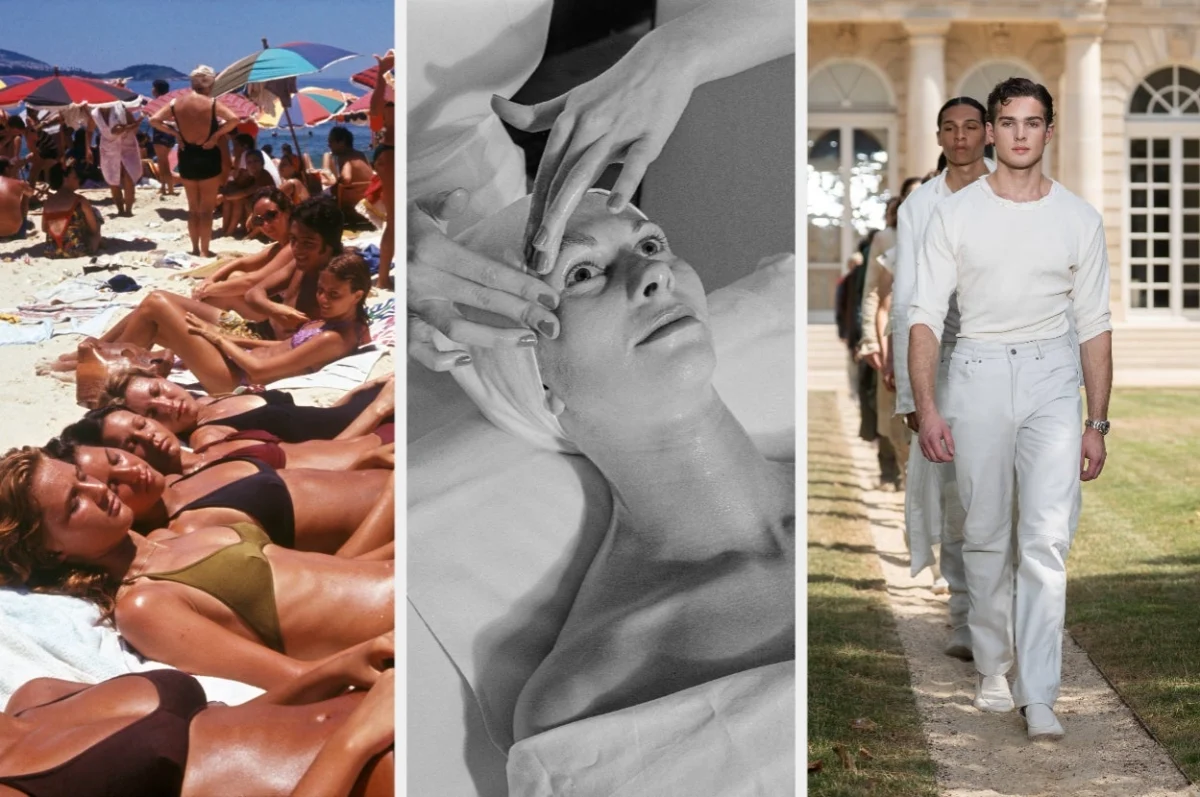
Some might argue that modern beauty standards have reached their zenith, a peak of perfection facilitated by rapid advancements in biotechnology and cosmetic surgery. Others, however, suggest we are flying too close to the sun. In an era dominated by the widespread use of GLP-1 agonists, Brazilian Butt Lifts (BBLs), and the rise of "looksmaxxing," it is essential to contextualize our current obsessions. History reveals that the pursuit of aesthetic ideals has always been a high-stakes gamble, often requiring individuals to sacrifice their health—and sometimes their lives—at the altar of vanity.
The Evolutionary Cost: A Chronology of Peril
The desire to conform to shifting societal standards is not a modern phenomenon. For millennia, humanity has experimented with lethal substances in the name of beauty.
The Lead Age: Ancient Rome to Elizabethan England
For centuries, the hallmark of aristocracy was pale, porcelain skin. In Ancient Rome, women utilized lead-based mixtures to lighten their complexions, a practice that persisted through the centuries to the Elizabethan era. Queen Elizabeth I, an icon of her time, famously coated her face in "Venetian ceruse," a toxic concoction of white lead carbonate and vinegar. While the immediate effect was a ghostly, high-status pallor, the long-term biological cost was severe. Chronic lead exposure caused hair loss, tooth decay, and systemic skin discoloration—which, ironically, users would simply cover with more lead.
The Arsenic Craze: The 19th-Century Gamble
By the late 1800s, the "waif-like" aesthetic of the Victorian era pushed the boundaries of safety even further. Arsenic, a potent poison, was marketed as a "beauty tonic." Dr. Mackenzie’s "improved harmless arsenic complexion wafers" were sold to women seeking to eliminate freckles and achieve a translucent, pale glow. In reality, the substance worked by inhibiting the body’s ability to produce red blood cells, essentially causing a mild, chronic state of anemia. When commercial wafers were eventually pulled from shelves, desperate consumers were known to soak arsenic out of flypaper to maintain their supply, a DIY hack that frequently resulted in organ failure, blindness, and death.
The Belladonna Trap: Italian Renaissance Seduction
During the Italian Renaissance, the "doe-eyed" look was the pinnacle of female allure. To achieve this, women applied drops of Atropa belladonna—the deadly nightshade plant—to their eyes. The plant’s name, meaning "beautiful woman" in Italian, belied its violent physiological effects. By dilating the pupils, the plant created a sense of magnetism and depth. However, the systemic absorption of the toxin triggered rapid heartbeats, severe hallucinations, convulsions, and, in many cases, fatal cardiac events.
The Cultural Shift: From Pale Status to Sun-Kissed Status
The 20th century marked a radical departure from the obsession with paleness. For centuries, fair skin signified that an individual did not perform manual labor under the sun. This began to fracture in 1923, when a sun-tanned Coco Chanel was photographed on a yacht in Cannes. Suddenly, the "tan" became a symbol of leisure, wealth, and health.
By the 1970s and 80s, tanning had transitioned from a sign of luxury to a competitive sport. Beach-goers would douse themselves in baby oil or even Coca-Cola to amplify the sun’s rays. This era normalized the use of "solariums" and early tanning beds. Today, this trend has evolved into the digital-age phenomenon of "tanmaxxing"—the intentional pursuit of the darkest tan possible, often while ignoring modern dermatological warnings regarding DNA damage and the increased risk of melanoma.
Technological Infatuation: Electricity and Steel
In the late 19th century, the rapid emergence of electrical technology led to a period of "electric quackery." Entrepreneurs capitalized on the public’s fascination with electricity by marketing "curative" devices, such as Dr. Scott’s electric corset. While marketed as a modern, health-conscious innovation, these devices were ultimately tools of control.
Corsetry itself was a site of significant bodily harm. The structural requirements of the Victorian silhouette often led to muscular atrophy, permanent displacement of internal organs, and severely restricted lung capacity. Similarly, the "cage crinoline"—a hoop skirt structure made of steel—presented an unprecedented fire hazard. As documented by The New York Times in 1858, an estimated 3,000 women died in the UK alone during the mid-19th century after their voluminous, flammable skirts caught fire.
The Modern Frontier: Looksmaxxing and Bio-hacking
Today, the pursuit of beauty has moved from external applications to internal bio-hacking. The "looksmaxxing" movement, which originated in online forums, advocates for the aggressive optimization of one’s physical appearance through any means necessary.
The Rise of Synthetic Peptides
Influenced by extreme archetypes—such as the fictional Patrick Bateman—the modern "looksmaxxer" may pursue everything from bone-altering surgery to the off-label use of injectable peptides. Peptides, chains of amino acids that trigger biological responses, are currently being used to influence everything from fat loss to muscle growth. While some, such as GLP-1 receptor agonists, have received clinical validation for specific conditions, many other synthetic peptides remain unregulated. The long-term physiological consequences of these "rogue" substances remain unknown, as many have not been subjected to rigorous clinical trials.
Implications for Public Health
The common thread linking crocodile dung face masks in Ancient Egypt to the peptide injections of the 21st century is the profound disconnect between the desired aesthetic and the biological reality of the human body.
Regulatory Challenges
Medical authorities continue to struggle with the regulation of "beauty tech." As trends propagate across social media platforms like TikTok and Instagram at record speeds, traditional clinical validation processes are unable to keep pace. The "black market" for injectable beauty products creates a dangerous environment where consumers often trade their long-term health for short-term aesthetic validation.
Psychological Underpinnings
The psychological drive behind these trends often stems from a combination of social status anxiety and the "blackpill" ideology found in certain online subcultures. When beauty is framed as a competitive advantage or a necessary prerequisite for social mobility, individuals are more likely to ignore evidence of physical harm.
Conclusion: A Cycle of Risk
The history of beauty is, in many ways, a history of human endurance in the face of self-imposed peril. Whether it is the lead-based makeup of the past or the unverified peptides of the present, the underlying motivation remains consistent: the belief that the body is a malleable project that must be "optimized" at any cost.
As we move forward, the challenge for society is to decouple human worth from aesthetic perfection. While the technologies of the future offer new ways to alter our appearance, the historical record warns us that the most dangerous trends are often those that we justify in the name of progress. Understanding these cycles is the first step toward reclaiming a healthier, more sustainable approach to self-presentation.
 Ammar Sabilarrohman
  rifanmuazin
  Suro Senen