
 By Suro Senen
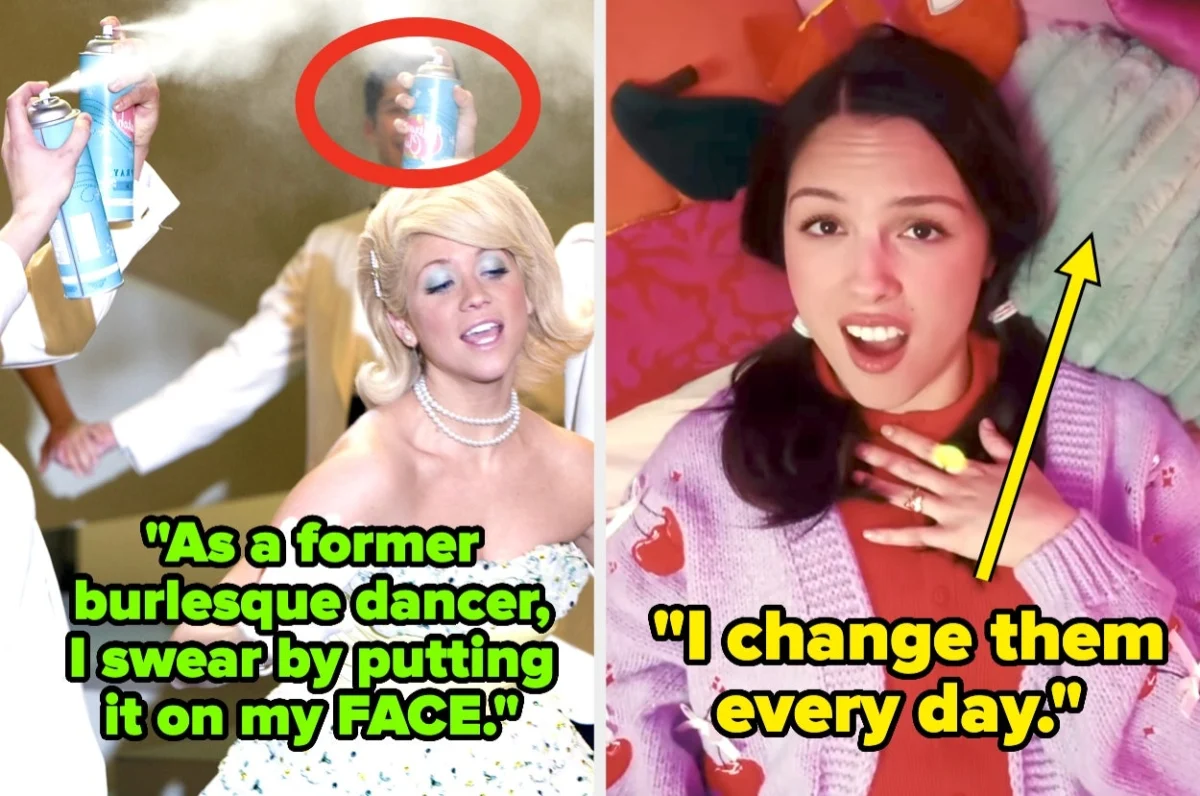
October 15, 2026 — In the modern digital landscape, the definition of beauty maintenance has undergone a radical transformation. Gone are the days when consumers relied exclusively on multi-step, dermatologist-approved regimens marketed by legacy cosmetics conglomerates. Today, a new wave of beauty culture is dominating social media platforms like TikTok, characterized not by luxury or clinical precision, but by resourcefulness, unconventional substitutions, and what internet users affectionately—and self-deprecatingly—refer to as "unhinged" beauty hacks.
From using men’s grooming products for facial features to unorthodox household items acting as primers and setting sprays, everyday consumers are rewriting the rulebook on personal care. While these methods often border on the absurd, they have ignited a massive online phenomenon, proving that when it comes to modern aesthetics, effectiveness often trumps convention.
Main Facts: The Unorthodox Shift in Consumer Beauty Habits
The core of this viral movement centers on creative problem-solving and extreme budgeting. Consumers are increasingly turning away from overpriced specialty cosmetics in favor of multi-purpose or repurposed items found in unexpected aisles of the supermarket or pharmacy.
- The Men’s Grooming Cross-Over: A common staple of these viral routines involves using men’s beard dye to tint eyebrows at home. Affordable, long-lasting, and formulated for coarse facial hair, it has become a secret weapon for those looking to bypass salon prices.
- Household Substitutes: TikTok feeds are flooded with users testing everything from unconventional hair products deployed as facial setting sprays to kitchen staples utilized for deep skincare hydration.
- The Psychology of the "Guilty Pleasure" Hack: Unlike traditional beauty tutorials that emphasize luxury and relaxation, unhinged hacks are defined by a sense of dark humor and disbelief. Users readily admit when a trick is bizarre, yet they continue to swear by its results.
The trend highlights a broader cultural fatigue with the inflated costs of the traditional beauty industry. As inflation pressures household budgets, consumers are finding innovative, if unorthodox, ways to maintain their routines without breaking the bank.
Chronology: How the Trend Gained Momentum
The evolution of unconventional beauty advice has followed the rapid acceleration of short-form video content over the past several years, culminating in the widespread trend observed today.
- Phase 1: The Budget Substitution Era (2020–2022): During global lockdowns, salon closures forced individuals to experiment at home. Root touch-up sprays became temporary eyebrow tints, and kitchen ingredients transformed into face masks.
- Phase 2: The Rise of the "Dupe" Culture (2023–2024): Social media creators began systematically hunting for affordable alternatives to high-end cosmetics. Drugstore items were tested against luxury brands, laying the groundwork for more experimental product cross-overs.
- Phase 3: The "Unhinged" Aesthetic Takes Over (2025–2026): By late 2026, the tone of these videos shifted from practical tutorials to humorous confessions. Creators began proudly sharing routines that relied on bizarre, highly specific, and occasionally eyebrow-raising methods, transforming the sharing of weird beauty secrets into a viral community pastime.
Supporting Data: The Economics and Reach of Social Media Beauty
The shift toward unconventional beauty routines is backed by significant shifts in consumer behavior and digital engagement metrics.
- The Creator Economy Impact: Hashtags related to DIY beauty, budget swaps, and unusual life hacks consistently garner billions of views on TikTok and Instagram. Content featuring unexpected product substitutions often outperforms polished, professional tutorials in terms of engagement and comment volume.
- Financial Incentives: With specialty beauty products seeing steady price increases, consumers are motivated by tangible savings. Simple hacks—such as using a $10 men’s grooming dye kit instead of booking regular salon tinting appointments—save individuals hundreds of dollars annually.
- Community Engagement: High volumes of user-generated content demonstrate that consumers prefer peer-reviewed, albeit strange, advice over traditional advertising. Engagement metrics show that audiences are eager to test these theories themselves, driving viral loops across multiple digital platforms.
Official Responses and Dermatological Perspectives
While social media users celebrate these creative shortcuts, beauty and skincare professionals urge caution. The rise of unhinged beauty hacks has prompted responses from dermatologists, estheticians, and safety advocates regarding the potential risks of misusing products.
The Professional Warning
Medical professionals frequently take to social media to caution against practices that involve putting non-cosmetic or unintended products onto sensitive facial skin. For instance, using hairspray as a makeup setting spray—a classic exaggerated trope in the beauty community—can severely dry out the skin, clog pores, and cause irritation due to high alcohol content.
Navigating Innovation vs. Safety
Dermatologists generally advise consumers to evaluate the chemical formulations of products before repurposing them. While using men’s beard dye on eyebrows is relatively common because the hair types are structurally similar, applying household cleaning agents, industrial adhesives, or heavily fragranced items to the face can disrupt the skin barrier. Experts recommend patch-testing any unconventional substance before fully integrating it into a routine.
Implications: What This Means for the Future of the Beauty Industry
The popularity of these unconventional beauty hacks carries significant implications for major cosmetic brands, retailers, and consumers alike.
1. Pressure on Traditional Pricing Models
The widespread acceptance of budget substitutions and multi-purpose grooming products signals that modern consumers are increasingly price-sensitive and skeptical of traditional luxury markups. Cosmetic companies may need to reevaluate their pricing strategies and product positioning to retain consumers who have proven they are willing to look outside the beauty aisle for solutions.
2. The Demand for Transparency and Versatility
Consumers are signaling a strong preference for multi-use products. Brands that can manufacture versatile items—such as cosmetics that serve multiple functions without requiring specialized additives—are better positioned to capture the attention of a demographic trained to look for creative efficiencies.
3. Community-Driven Validation
The shift away from top-down beauty standards toward peer-to-peer experimentation highlights a broader democratization of style. People no longer look exclusively to magazines or corporate campaigns to define what works; instead, they rely on crowdsourced, humorous, and deeply relatable digital communities.
Conclusion
As internet users continue to test the boundaries of conventional self-care, the trend of unhinged beauty hacks shows no signs of slowing down. Whether it’s finding clever budget workarounds or experimenting with bizarre home remedies, these routines reflect a collective cultural desire for authenticity, humor, and financial pragmatism.
While beauty professionals will always advocate for safety and skin health, the undeniable charm of these unconventional tricks lies in their shared human experience—proving that sometimes, the weirdest ideas are the ones that stick.
 rifanmuazin
 Azzam Bilal Chamdy
