
 By Nana Wu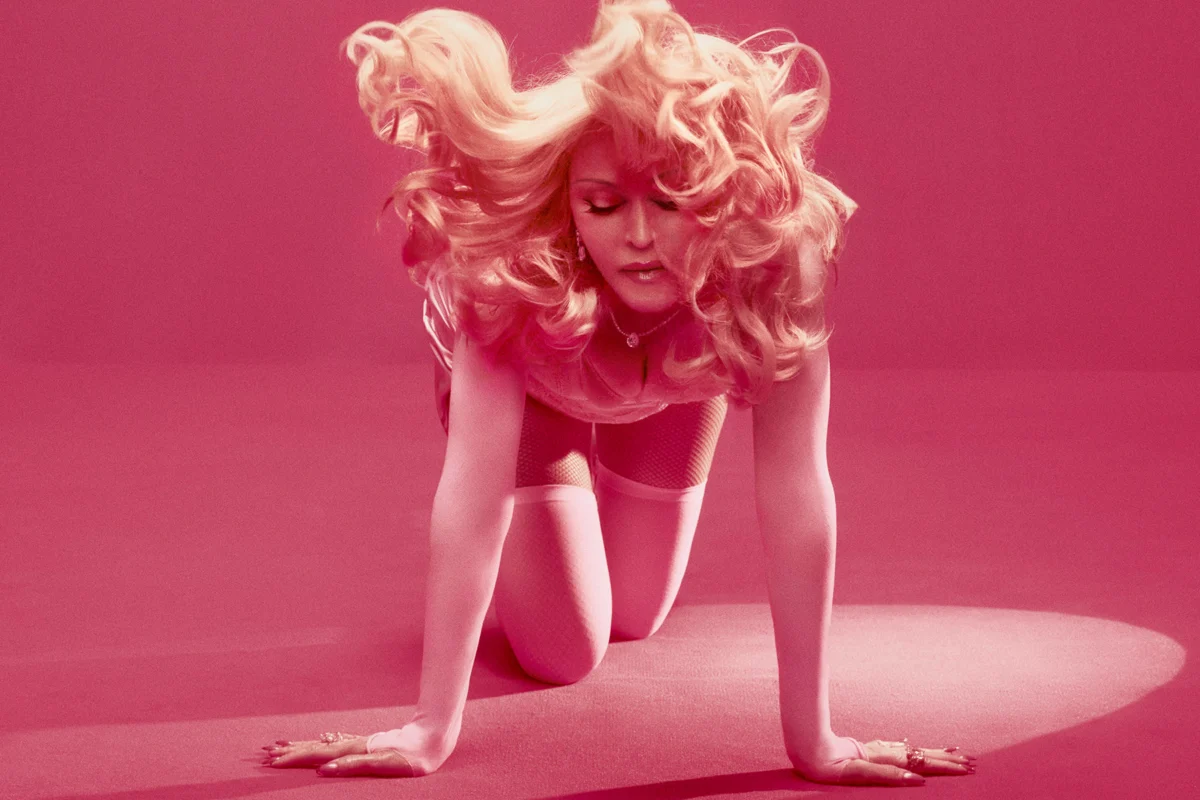
Main Facts: A Triumphant Prelude
The Saturday night air in Queens, New York, was thick with anticipation on July 11. While the rest of the world awaited the official confirmation from the industry’s arbiter of success, the Billboard 200, the Queen of Pop was busy ensuring her latest musical chapter would be etched in history. Madonna transformed the industrial, cavernous expanse of the Knockdown Center into "Club Confessions," a high-octane pop-up sanctuary designed to celebrate the release of her latest studio album, Confessions II.
The event was a masterclass in modern pop myth-making. By the time the final echoes of the night faded, it was clear that the pop icon had not just released an album; she had launched a cultural movement. The following morning, the industry received official verification: Confessions II had debuted at No. 1 on the Billboard 200, marking Madonna’s 10th chart-topping album and cementing her status as one of only 11 artists in history to achieve such a feat.
Chronology: A Night of Sensory Overload
The logistics of the evening were as audacious as the star herself. Despite the Knockdown Center’s reputation for being somewhat isolated from the central arteries of the New York City subway system, the pilgrimage of fans was nothing short of legendary. By the time doors opened at 10:00 p.m., the line of devotees stretched for several blocks, a testament to the enduring magnetic pull of Madonna’s brand.
The Inflatable Gateway
Entry into the venue was designed to be an immersive, provocative experience—a hallmark of Madonna’s visual language. Guests were required to walk through a giant, inflatable anatomical sculpture of a woman’s lower torso, where speakers served as provocative substitutes for human anatomy. This surrealist portal transitioned into a dense, verdant forest bathed in aggressive green lasers, a direct aesthetic homage to the “Good for the Soul” segment of the Confessions II short film, directed by the visionary duo TORSO.
The Warm-Up and the Shift
The atmosphere was expertly curated by a roster of dance music royalty. The opening set by the band Fcukers set a frenetic, fashion-forward pace, keeping the room pulsing. The crowd, a "who’s who" of the downtown glitterati and global icons—including Kim Petras, Pabllo Vittar, Sky Ferreira, Christian Siriano, and drag superstars Bob the Drag Queen and Plane Jane—was already at a fever pitch when Stuart Price, the architect behind both the original Confessions on a Dance Floor and this current iteration, took control of the decks.
At 1:10 a.m., the room reached a state of collective delirium. Madonna ascended to the stage, not with a whisper, but with a challenge: “New York, I love you so much—but are you ready?!”
The Setlist and Sonic Alchemy
The performance was a meticulously crafted journey through the Confessions II soundscape. The setlist balanced the fresh, throbbing rhythms of her latest work with vintage cuts that resonated with the history of the New York club scene. Songs like “Get Together” provided a nostalgic bridge, while tracks like “Thief of Hearts” (from Erotica) and “Physical Attraction” (from her 1983 self-titled debut) were met with visceral enthusiasm.
The standout moment was undoubtedly “Danceteria.” The song, a dense, autobiographical narrative of her early days in the New York scene, became a communal anthem. The audience’s familiarity with the track, including the whispered asides about cocaine and the roll call of 1980s icons, proved that the fan base had already digested the album with scholarly precision. As Honey Dijon joined the fray, the energy shifted from a concert to an authentic, sweaty, and ecstatic club experience.
Supporting Data: The Commercial Dominance
The success of the Club Confessions event was a microcosm of the album’s broader commercial performance. Within 12 hours of the event’s conclusion, Billboard confirmed that Confessions II had achieved her biggest streaming week to date.
By the Numbers:
- 10th No. 1 Album: This achievement places Madonna in an elite, rarefied category of artists who have sustained commercial dominance over multiple decades.
- Streaming Records: The project shattered her previous streaming records, indicating that her music is resonating as strongly with Gen Z listeners as it is with her legacy fan base.
- The 11-Club: Madonna is now officially one of only 11 artists in the history of the Billboard 200 to achieve 10 or more No. 1 albums, sharing this honor with legends like The Beatles, Jay-Z, and Taylor Swift.
This commercial triumph is not merely a product of legacy; it is the result of a deliberate, modern marketing strategy that marries digital-first engagement (TikTok, Instagram, and curated "afterhours" releases) with old-school, high-touch physical experiences.
Official Perspectives and Industry Implications
The genius of Club Confessions lies in the collaboration between Madonna and her long-term creative partners. Stuart Price’s involvement is significant; his ability to translate the raw energy of underground club culture into pop-chart success has been the cornerstone of the Confessions narrative. By incorporating figures like Honey Dijon, who is a staple of the global underground dance circuit, Madonna effectively bridges the gap between her status as a global pop titan and her roots in the gritty, authentic club scene of 1980s New York.
The "Afterhours" Strategy
The inclusion of an Afterhours Edition of the album, coupled with the club-tour concept, suggests a deliberate move toward "niche-mass" marketing. Instead of trying to please everyone, Madonna is focusing on the communities that have always defined her success: the LGBTQ+ community, the dance music underground, and the fashion-forward elite.
Implications for the Future of Pop
The success of this event signals a shifting paradigm in how legacy artists should launch new material. The "Club Confessions" model demonstrates that fans are no longer satisfied with standard promotional tours or stadium concerts alone. They crave intimacy, immersion, and a narrative that feels autobiographical and authentic.
Furthermore, by choosing a venue like the Knockdown Center—a site that is difficult to reach and aesthetically demanding—Madonna signaled that she was not catering to the casual listener, but to the "true believer." This strategy of "hard-to-get" exclusivity, combined with the accessibility of social media content created at the event, allowed for a wider reach than the physical venue could ever hold.
As the industry looks forward, it is clear that Madonna’s 10th No. 1 is more than a trophy; it is a blueprint. By controlling the narrative, honoring her roots, and embracing the technological demands of the streaming era, she has once again proven that "school is in session." For other artists looking to sustain a career in the digital age, the lesson is simple: do not just release an album—create a world, invite your audience inside, and make sure they never want to leave.
 Lina Irawan
  Lina Hope
  Siti Muinah