
 By Asro
For many, the pursuit of landscape photography is inextricably linked to the pursuit of the peak. It is a world of gear lists, weather apps, elevation gain charts, and the relentless ticking clock of the “golden hour.” But for Matt Payne, a photographer whose career was built on the rigorous, methodical accumulation of summits, the camera eventually ceased to be a tool for exploration and became, instead, a tool for mere documentation.
His journey—from the obsessive, ten-year quest to summit Colorado’s 100 highest peaks to a transformative 35-day thru-hike of the Colorado Trail—serves as a profound meditation on the creative process. It is a story about the "two halves of life," the necessity of intellectual curiosity, and the realization that the most important questions we ask as artists are not found in the landscape itself, but in the internal quiet that follows the climb.
The First Half: A Decade of Construction
Payne’s relationship with the mountains began in childhood, but his professional focus solidified in 2008. Inspired by the birth of his son, Quinn, Payne embarked on a decade-long project to summit Colorado’s "Centennials"—the state’s 100 highest peaks.
This period was characterized by what he calls "construction." It was a decade of building an identity, honing technical discipline, and mastering the logistics of high-altitude photography. Yet, looking back, Payne describes this era with a degree of critical distance. "Every peak carried the same assignment: get up, get the shot, move to the next one," he explains. "Ten years of that made me disciplined. It didn’t make me curious."
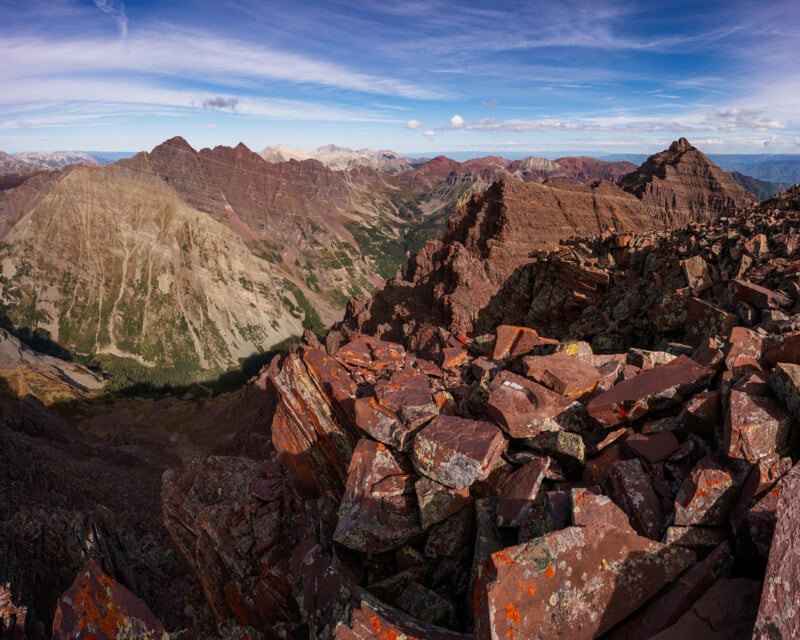
By the time he stood on the summit of Thunder Pyramid in 2018 to complete the project, his feelings were a complex cocktail of triumph and melancholy. He had achieved the goal, but the "assignment" had reached its logical conclusion. The camera had functioned as a witness, but it hadn’t necessarily been a participant in his growth.
The Catalyst: Reframing the Creative Assignment
The pivot in Payne’s trajectory was not sparked by a mountain, but by a conversation. During episode 334 of his podcast, F-Stop, Collaborate and Listen, Payne interviewed photographer Sean Tucker. They discussed the Jungian concept of the two halves of life: the first phase of identity construction followed by a inevitable crisis point where traditional success no longer satisfies the soul.
Tucker challenged Payne with the fundamental question: "What am I actually after with this camera?"
This dialogue acted as the primary catalyst for a total reevaluation of his creative output. It coincided with a pivotal life decision—leaving a stable nonprofit career to pursue full-time photography—and the planning of a 35-day thru-hike of the Colorado Trail. The transition was clear: where the Centennials were about the accumulation of peaks, the Colorado Trail would be about the accumulation of meaning.
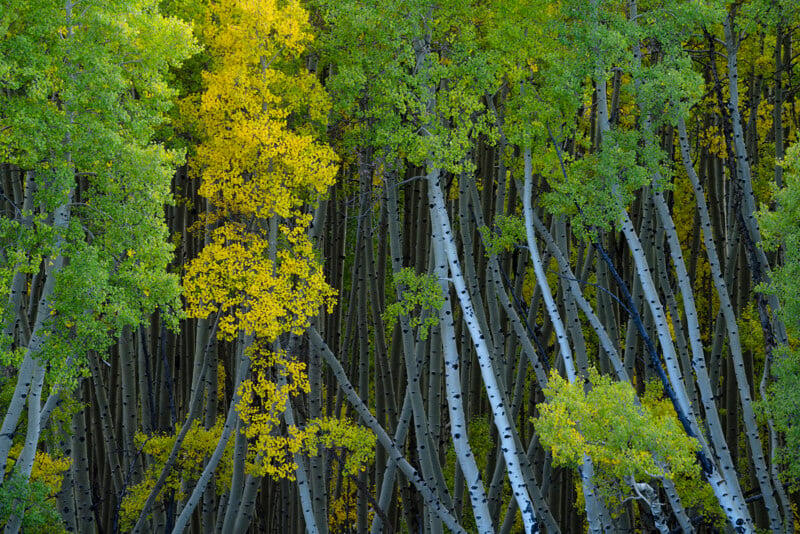
Supporting Data: The Anatomy of a Transformative Hike
The Colorado Trail project differed fundamentally from the Centennial climb in its methodology. Payne moved from a reactive, list-based approach to an intentional, inquiry-based framework.
- Philosophical Anchoring: Each evening, Payne used a wireless microphone and his Sony A7R5 to record deep-dive reflections. He focused on psychological concepts—such as resilience, dependence, and the nature of effort—rather than simply documenting the day’s mileage.
- Selective Summiting: While he had identified 50 potential "extra credit" peaks along the route, he ultimately summited 30. Unlike the Centennials, these were not chosen because they were on a list, but because they fit the pacing and the narrative arc of the experience.
- The Power of "Hormesis": During the most grueling sections of the trail, Payne explored the principle of hormesis—the biological phenomenon where controlled, low-dose stress improves system resilience. By naming this process out loud during his recordings, he transformed his experience of physical exhaustion from a "cost" to a "mechanism" of growth.
The Human Element: Humility and Dependence
Perhaps the most striking inflection point of the project occurred on Day 7, near Keystone. Exhausted and prone to the cognitive distortions of long-distance hiking, Payne convinced himself that his wife and son were waiting for him in town. The subsequent realization that the reunion was a fabrication of his own longing was, he notes, a moment of profound vulnerability.
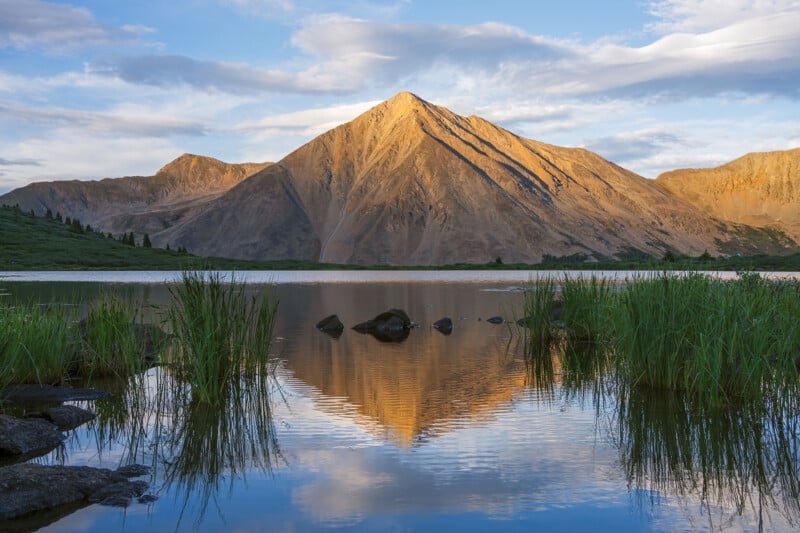
This experience shattered the illusion of the "rugged, independent adventurer." It forced an acknowledgement of how much his success—both in the mountains and in life—relied on the support of others. It shifted his focus toward gratitude, grounding his photography in the reality of human connection rather than the detached aesthetic of the wilderness.
Implications for the Creative Community
The culmination of this journey is The Colorado Way, a coffee table book that serves as an anthology of his reflections, photographs, and the psychological evolution he experienced over the years. Supported by the Nature Photography Collective’s "Inspired Creator" award, the project is a departure from traditional landscape photography books that focus solely on the "what" of the image.
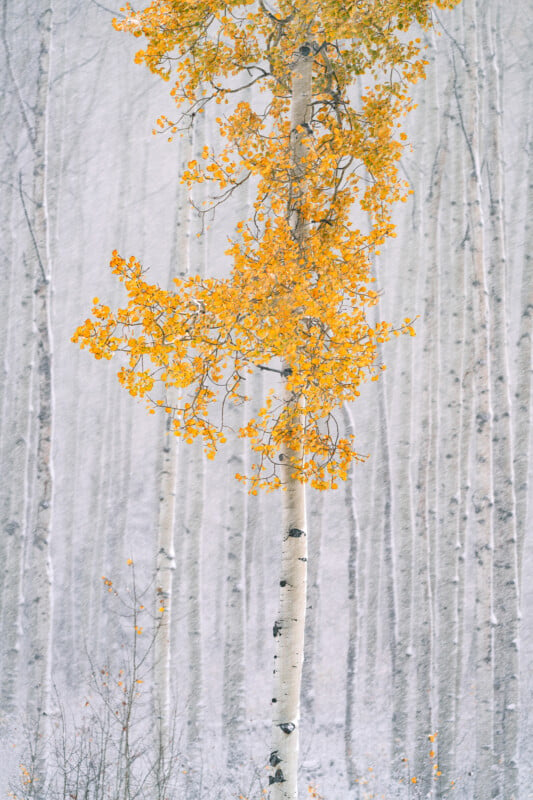
Lessons for the Modern Photographer
For those not planning a 500-mile hike, Payne offers a scalable philosophy for creative longevity:
- Define the Question First: Before heading into the field, determine the inquiry behind the work. Is the project about color theory? Mortality? Human impact on nature? A project without a guiding question is merely a collection of data.
- Move Beyond Reactive Documentation: Great photography requires more than just responding to light and terrain. It requires the photographer to bring their own internal narrative to the frame.
- Embrace the "Crisis" of Purpose: If your current creative output feels hollow, it may not be a sign of creative block; it may be a sign of growth. It is often an indication that your old "assignment" is no longer sufficient to challenge your current stage of life.
A New Definition of Success
The trajectory of Matt Payne’s career suggests that the most compelling art often occurs when the artist stops trying to conquer the landscape and starts trying to understand it. By moving from the "first half" of his career—marked by the objective completion of lists—to the "second half," defined by deep-seated inquiry, he has found a way to bridge the gap between technical mastery and genuine creative substance.
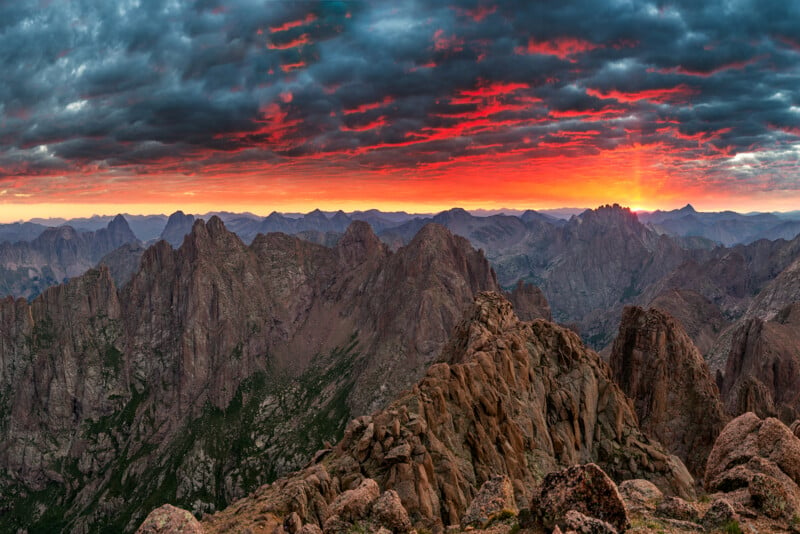
His work stands as a reminder that the camera is not a destination. It is a conduit. Whether you are photographing a backyard garden or the peaks of the San Juans, the quality of the image will ultimately be determined by the depth of the thought that preceded the shutter release. For those interested in his full account, the "Uncertainty" chapter of The Colorado Way is currently available to the public, providing a glimpse into a project that asks far more of its creator than any map ever could.
 Raul Delapena Setiawan
  rifanmuazin
  Ammar Sabilarrohman