
 By Sagoh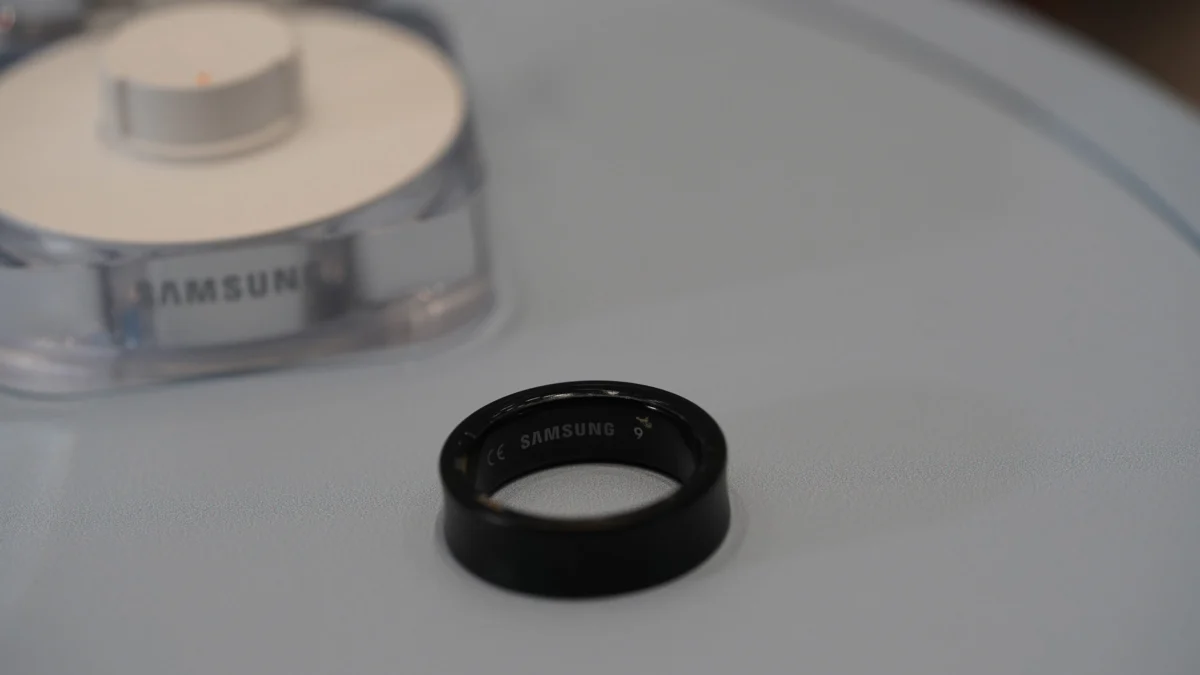
For technology enthusiasts and early adopters, the promise of a truly "smart" wearable that fits on your finger has long been a dream. After two years of anticipation, hype, and high-profile launches, the Samsung Galaxy Ring—a device positioned as the pinnacle of discreet health tracking—has finally hit a price point that could make it accessible to the masses. However, this sudden, drastic reduction in cost at one of the world’s largest retailers has raised more questions than it has answered.
Currently, Amazon UK is offering the Samsung Galaxy Ring for just £104.99—a staggering drop from its original launch price of £399. While this represents a monumental opportunity for bargain hunters, the deal is shrouded in constraints that suggest a potential shift in Samsung’s inventory management or a broader strategic pivot in its wearable ecosystem.
The Anatomy of the Deal: A Look at the Facts
The current promotion, while undeniably attractive, is highly specific. The £104.99 price tag is exclusively applicable to size 5 rings (across all available colorways) and size 6 rings (in the Titanium Black finish). For those who require any other size, the price remains hovering near the original retail premium.
This discrepancy highlights a critical logistical reality: the supply of the Galaxy Ring is not uniform. The fact that only the smallest sizes are seeing such significant markdowns suggests that these particular SKUs may be experiencing lower-than-anticipated consumer demand. For many, a size 5 or 6 ring is significantly smaller than the average adult finger, leading to speculation that this might be a targeted clearance of overstocked, less-common sizes rather than a widespread price adjustment for the entire product line.
A Chronology of the Galaxy Ring’s Market Journey
To understand the significance of this price cut, one must look at the trajectory of the Galaxy Ring’s release.
- Initial Hype (2022–2023): Rumors began circulating about a "Samsung Ring" long before the official announcement. The wearable space, dominated by Oura, was ripe for a tech giant to enter. Samsung’s promise of a seamless, screen-less health monitor integrated into the Galaxy ecosystem set expectations high.
- The Launch (2024): Upon release, the Galaxy Ring was positioned as a premium luxury wearable. With a launch price of £399, it sat at the higher end of the market, aimed at users who wanted sophisticated biometric tracking without the bulk of a smartwatch.
- Post-Launch Stagnation: Following the initial wave of sales, critics and users alike began to question the long-term value proposition. While the design was sleek and the health metrics were impressive, the lack of an expansive feature set—compared to a Galaxy Watch—made the high price point a difficult pill to swallow for many.
- The "Price Correction" (Current Day): The sudden appearance of the £104.99 price point on Amazon suggests that the honeymoon phase has ended. The product is now entering the "inventory liquidation" stage, where retailers are attempting to clear shelf space for future iterations or newer hardware.
The Disappearing Act: Samsung’s Official Store
Adding to the intrigue is the current state of availability on Samsung’s official UK web store. At the time of writing, the Galaxy Ring appears to be unavailable for purchase through official direct-to-consumer channels in certain configurations.
When a major manufacturer removes a product from its own primary storefront while third-party retailers like Amazon begin discounting it, it usually signals one of three things: a supply chain disruption, an impending refresh of the product line, or a deliberate shift to move remaining stock through secondary partners to clear the books. For the consumer, this creates a "bittersweet" environment. You can get the device for a fraction of the cost, but you are effectively buying into a piece of hardware that the manufacturer may be preparing to move past.
Supporting Data: Why Size Matters
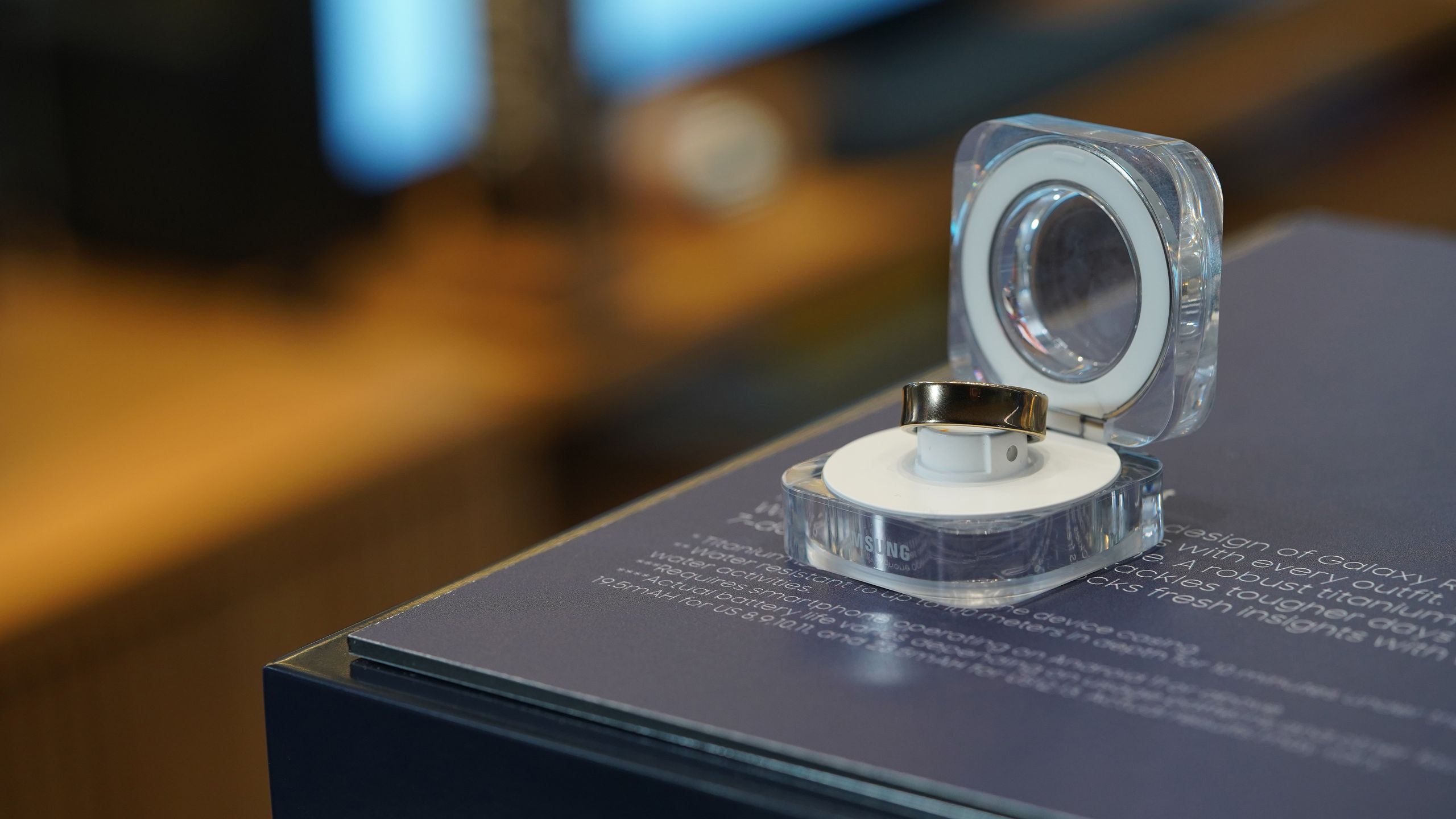
As noted in our hands-on testing, determining one’s ring size is a prerequisite for the Galaxy Ring experience. The sizing kit provided by Samsung is a necessary step, and for most, the average finger size for a "wearable" ring lands closer to a size 9 or 10.
If we consider that the discounted stock is limited to sizes 5 and 6, we are looking at a "tail end" of the distribution curve. This indicates that Samsung’s manufacturing run for the launch was likely based on standard jewelry sizing expectations, which may not have perfectly aligned with the demographics of the tech-savvy, early-adopter audience that actually purchased the ring. This mismatch between production and demand is a classic case of supply chain friction in the consumer electronics sector.
Official Responses and Corporate Strategy
Samsung has remained relatively quiet regarding the specific pricing strategies of third-party retailers. However, the company’s broader strategy has clearly been to position the Galaxy Ring as a companion device to the Galaxy Watch, rather than a total replacement. By integrating the Ring into the Samsung Health app, they have created a "double-wear" ecosystem.
Industry analysts suggest that Samsung’s ultimate goal is to increase the "stickiness" of the Galaxy ecosystem. By lowering the entry price point—even through third-party liquidations—they effectively bring more users into the ecosystem, even if the hardware margins on these specific units are non-existent.
Implications for the Future of Wearables
What does this price crash mean for the future of smart rings?
1. The Value Ceiling
The market has spoken: for a device that lacks a screen and requires constant, active charging of a base station, consumers are hesitant to pay upwards of £300. This could force competitors to reconsider their pricing models. If Samsung cannot maintain a premium price for its ring, other players in the space will likely have to lower their costs to compete.
2. The Shift to "Service-First"
As the hardware becomes cheaper, the focus for companies like Samsung will inevitably shift to software. Expect to see more "locked" features behind subscription models. The true cost of the Galaxy Ring may not be the £104.99 at checkout, but rather the long-term commitment to a data-driven health ecosystem.
3. Sustainability and Overstock
This situation raises questions about the sustainability of tech hardware cycles. Producing millions of units in a variety of sizes and colors carries a heavy environmental footprint. When those units don’t move at full price, they risk ending up as e-waste or deep-discounted clearance items. This may push Samsung to adopt more "on-demand" manufacturing processes in the future to better match production with actual demand.
Conclusion: Is the Deal Worth It?
If you are among the lucky few who happen to wear a size 5 or 6, this is, without hyperbole, one of the best deals in wearable tech this year. You are essentially getting a premium, titanium-bodied health tracker for the price of a budget fitness band.
However, for the average consumer, this serves as a cautionary tale about the volatility of the tech market. Whether this signals the end of the first-generation Galaxy Ring or simply a localized clearance, it is a reminder that in the world of gadgets, timing is everything.
For those still on the fence, the best approach is to keep a close watch on the official channels. If the Ring remains unavailable on the Samsung store, it is highly likely that a "Galaxy Ring 2" is being prepped for an announcement in the coming months. If you can wait, the next generation might offer the refinements that justify a higher price point—or at the very least, provide a more robust sizing strategy for the general public.
Until then, if you find yourself in the small-finger category, the current Amazon offer is a rare, if limited, chance to experience the future of biometric tracking without the premium tax. Just be prepared for the reality that you are purchasing a product currently navigating a complex, and perhaps nearing its end, lifecycle phase.
 Raul Delapena Setiawan
  Ammar Sabilarrohman
  Muslim