
 By Iffa Jayyana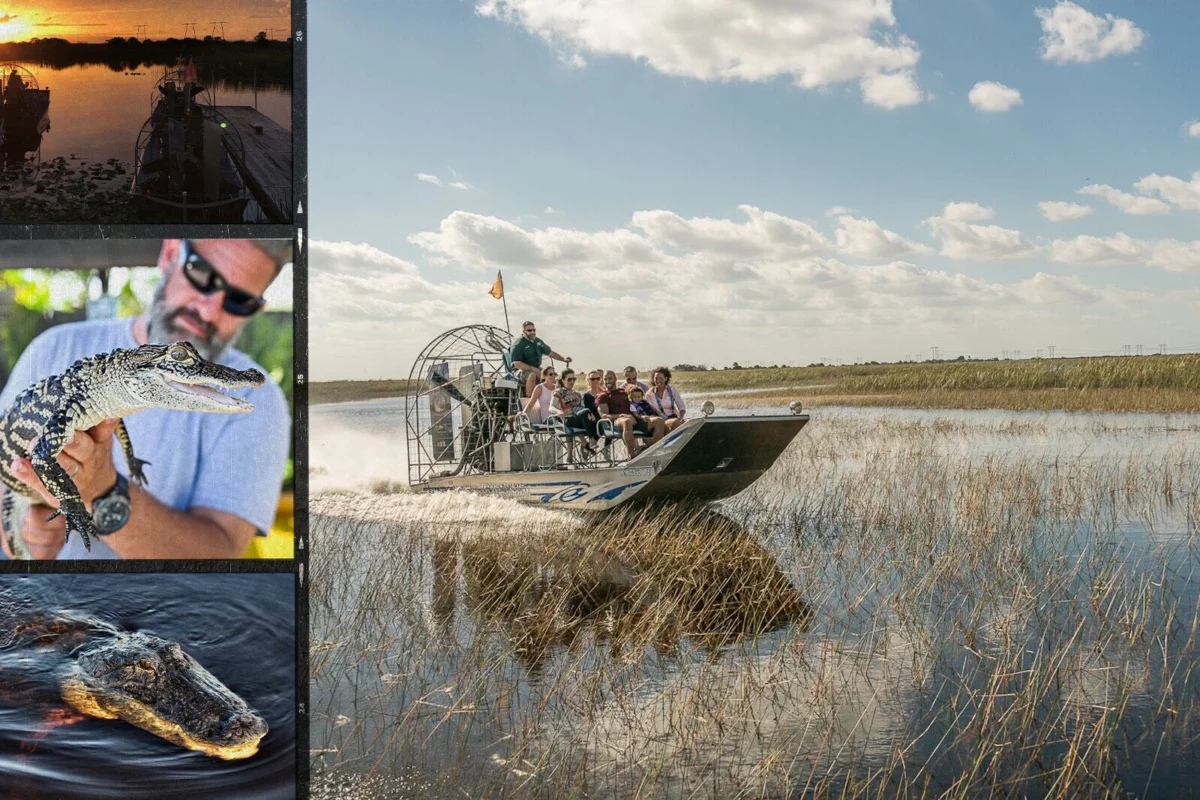
The Florida Everglades is often mythologized as a desolate, impenetrable swamp—a “river of grass” that acts merely as a scenic backdrop for airboat tours and alligator sightings. However, a landmark 2026 study published in the Proceedings of the National Academy of Sciences has reframed this vast landscape not as a wasteland, but as a critical global climate asset. According to the research, the Everglades’ freshwater marshes and coastal mangroves sequester approximately 14 million tons of carbon dioxide annually. This figure represents roughly 10 percent of the total vehicular emissions produced by Florida’s entire automotive fleet.
As we face an era of unprecedented climate instability, the preservation of the Everglades has transcended local conservation efforts to become a matter of international ecological security. Yet, this vital “carbon lung” is a shadow of its former self, a fragmented remnant of a three-million-acre watershed now fighting for survival against human encroachment.
The Shrinking Horizon: A Historical Chronology
To understand the precarious state of the Everglades, one must look at the century of industrial and residential expansion that reshaped the Florida peninsula.
- The Early 20th Century (1900–1940): Driven by a vision of agricultural expansion, the state of Florida began a massive campaign of drainage. Engineers constructed a labyrinth of canals, levees, and pumping stations designed to divert the natural southward flow of water from Lake Okeechobee. The objective was simple: reclaim the land for sugar and citrus production.
- The Post-War Boom (1950–1990): As Florida’s population exploded, the pressure on the ecosystem intensified. Subdivisions replaced wetlands, and the natural "sheet flow"—a 60-mile-wide, slow-moving pulse of water—was constricted into narrow, polluted channels.
- The Modern Era (2000–Present): Recognition of the ecosystem’s collapse led to the Comprehensive Everglades Restoration Plan (CERP), the largest hydrologic restoration project in human history. Despite these efforts, less than half of the original three-million-acre expanse remains intact today.
Today, the region is a patchwork of protected national parkland and "Water Conservation Areas." These remaining fragments serve as the hydraulic heart of the state, holding and slowly releasing the freshwater that sustains the downstream estuary. When the soil is drained, the ecological equation flips: oxygen penetrates the dried peat, microbes accelerate decomposition, and the carbon sequestered over decades is released into the atmosphere in a matter of months.
Data-Driven Conservation: The Hidden Value of Peat
The scientific community’s renewed interest in the Everglades is rooted in the unique properties of its soil. The region is defined by its saturated ground, which creates the anaerobic conditions necessary for long-term carbon storage.
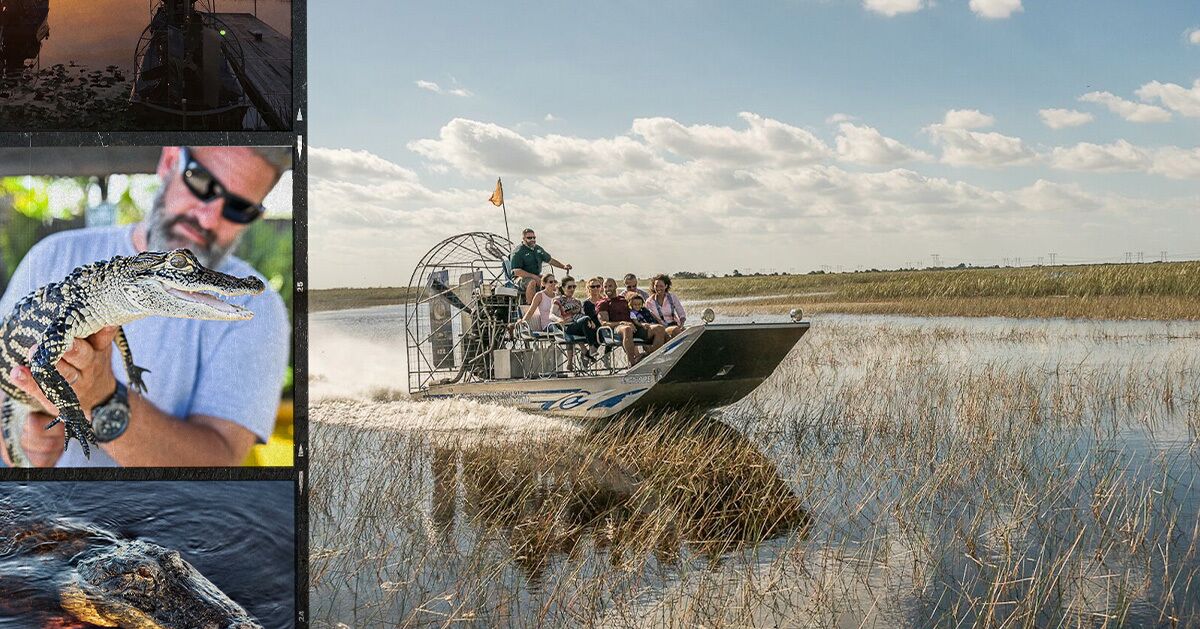
Current data underscores that this is not merely a biological curiosity; it is an economic and environmental imperative. When the ground remains saturated, the sawgrass and mangrove roots act as a massive carbon vault. The 2026 PNAS study serves as a wake-up call to policymakers: every acre of restored wetland is a direct hedge against the impacts of climate change. Conversely, the continued development of these wetlands is not just a loss of habitat—it is a significant contributor to the carbon crisis that threatens coastal Florida itself.
The Human Element: Tim “Gator” Schwartzman and the Power of Engagement
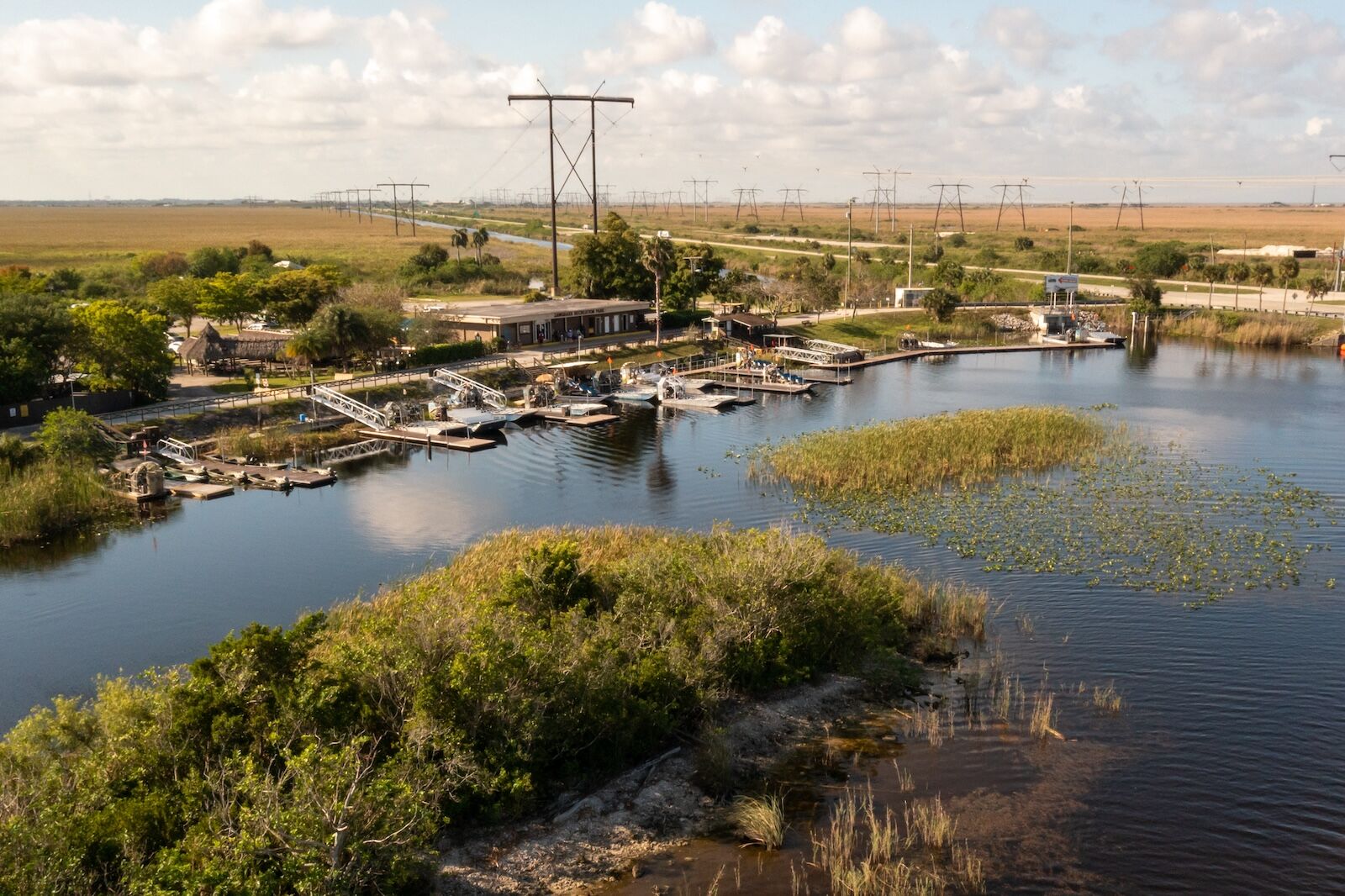
While scientists crunch the data, individuals like Tim Schwartzman are on the front lines of public perception. Based at the Sawgrass Recreation Park, a property that has been in his family since shortly after 9/11, Schwartzman has earned the moniker “Gator Tim” for his work in bridging the gap between human fear and ecological respect.
Schwartzman’s philosophy is rooted in the belief that you cannot protect what you do not understand. He argues that the biggest threat to the Everglades is not just industrial drainage, but the "eradication" mindset—the tendency of new residents and tourists to view native wildlife as nuisances.
“What we try to do is not overwhelm people with a deluge of facts,” Schwartzman says. “For most, that goes in one ear and out the other. Instead, we aim to provide a ‘taste’ of the ecosystem. My goal is to send them home with a twinge of curiosity. If they leave wanting to learn more, that behavior often spreads to their own backyards.”
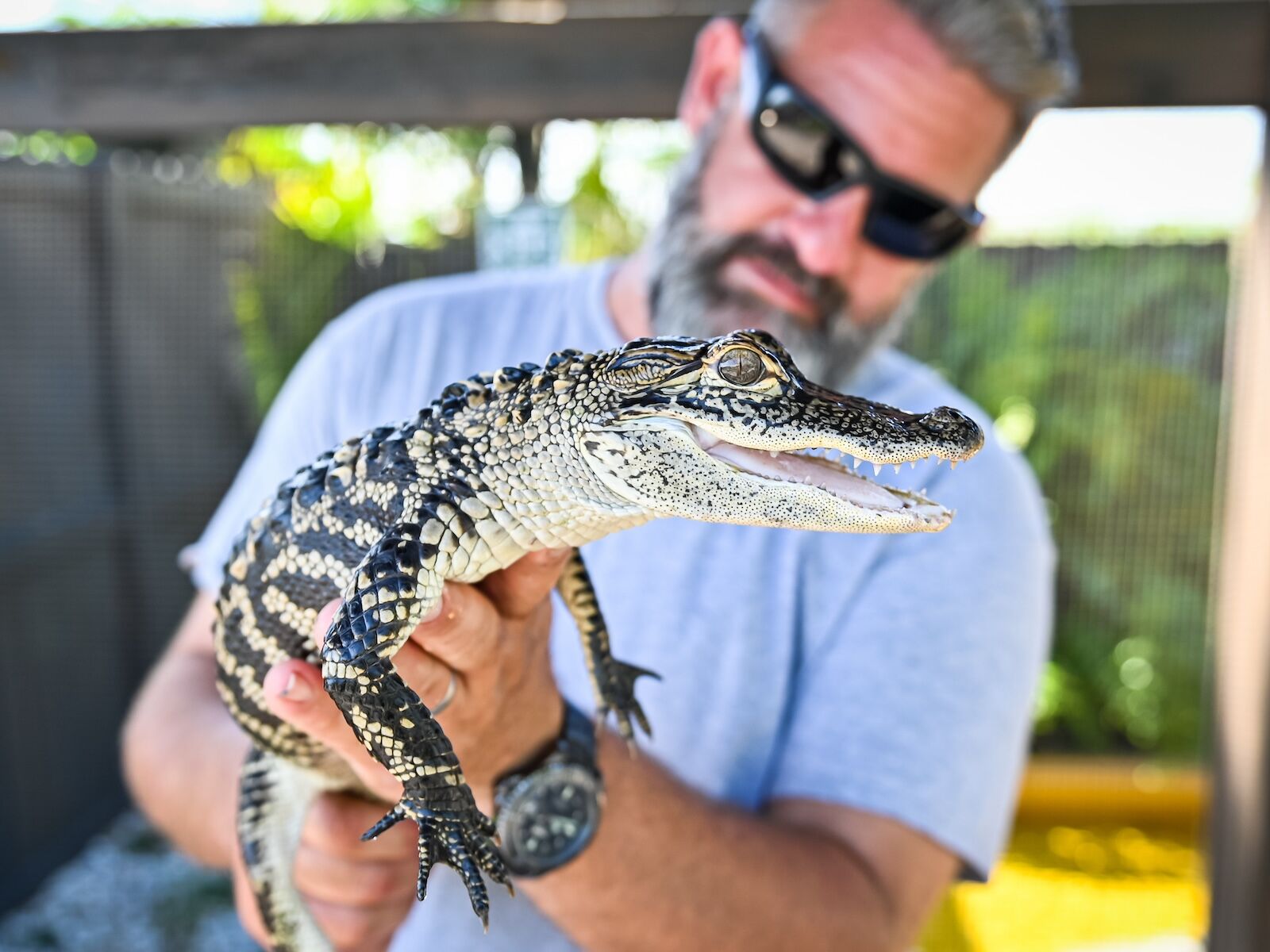
Schwartzman’s approach to the iconic American alligator is particularly illustrative. He strips away the cinematic, monster-movie narrative that has dogged the species for decades. “I try to portray them as they are: just surviving,” he explains. “They aren’t guided by politics or human bias. They aren’t ‘bad’ or ‘good.’ They are just living. When you respect the animal, you respect the balance of the ecosystem it occupies.”
Confronting the Invasive Crisis
The struggle to protect the Everglades is compounded by the influx of non-native species. The ecosystem is currently under siege by invaders that did not evolve within this delicate balance. Burmese pythons, for instance, have decimated native mammal populations, while iguanas have become a visible, invasive fixture of South Florida’s canals.
These species compete for resources in a system already under extreme stress. For the casual observer at a recreation park, the sight of a python or an iguana might seem like a novelty, but for conservationists, it is a sign of a system in disarray. Schwartzman’s educational mandate is to highlight why native biodiversity is essential to the health of the entire watershed, including the humans who depend on its water filtration and carbon-storing capabilities.
The Path Forward: Beyond the Airboat
For travelers, the experience of the Everglades is often limited to a 40-minute airboat tour. While these tours provide critical revenue and public visibility, Schwartzman urges visitors to go deeper.
“I hope people don’t just stop at the boat ride,” he says. “I want them to hike the wilderness, get into the knee-deep water, find the frogs, walk among the cypress, and see the transition into the mangrove saltwater environment. It is a multi-faceted place. It is not just one thing.”
Supporting the Advocacy
The responsibility of the visitor extends beyond simple tourism. Organizations like Capters for Clean Water and the Supporters of Anglers and Everglades Restoration (SAFER) are working to influence policy in Tallahassee. These grassroots efforts rely on the collective voice of the public to demand that legislators prioritize water quality and habitat restoration.
Sawgrass Recreation Park has walked the talk by supporting long-term research, including phosphorus monitoring programs that have tracked water quality in the region since 1993. This data-backed approach provides the necessary evidence to hold industrial actors accountable for the runoff that fuels algae blooms and degrades the marsh.
Implications for the Future
The implications of this work are clear: we are at a tipping point. The Everglades is not merely a regional park to be visited during a Florida vacation; it is a vital component of the global climate infrastructure.
As we look toward the future, the integration of public education, scientific research, and aggressive political advocacy is the only path toward restoring the sheet flow of the river of grass. Every letter written to a representative, every dollar spent at an eco-conscious business, and every person who walks away with a newfound respect for an alligator is a victory for the ecosystem.
“Protecting our waterways is for recreational use, yes,” Schwartzman concludes, “but it is fundamentally for the health of everything around us—including ourselves.”
In the end, the story of the Everglades is a mirror. If we can learn to cherish the complex, sometimes scary, and always vital life that exists in these three million acres, we might just find the wisdom to protect the planet that sustains us all. The water is still moving south, at a walking pace, waiting to see if we will choose to let it flow.
 Nana Wu
  Jia Lissa
  Evan Lee Salim