
 By Iffa Jayyana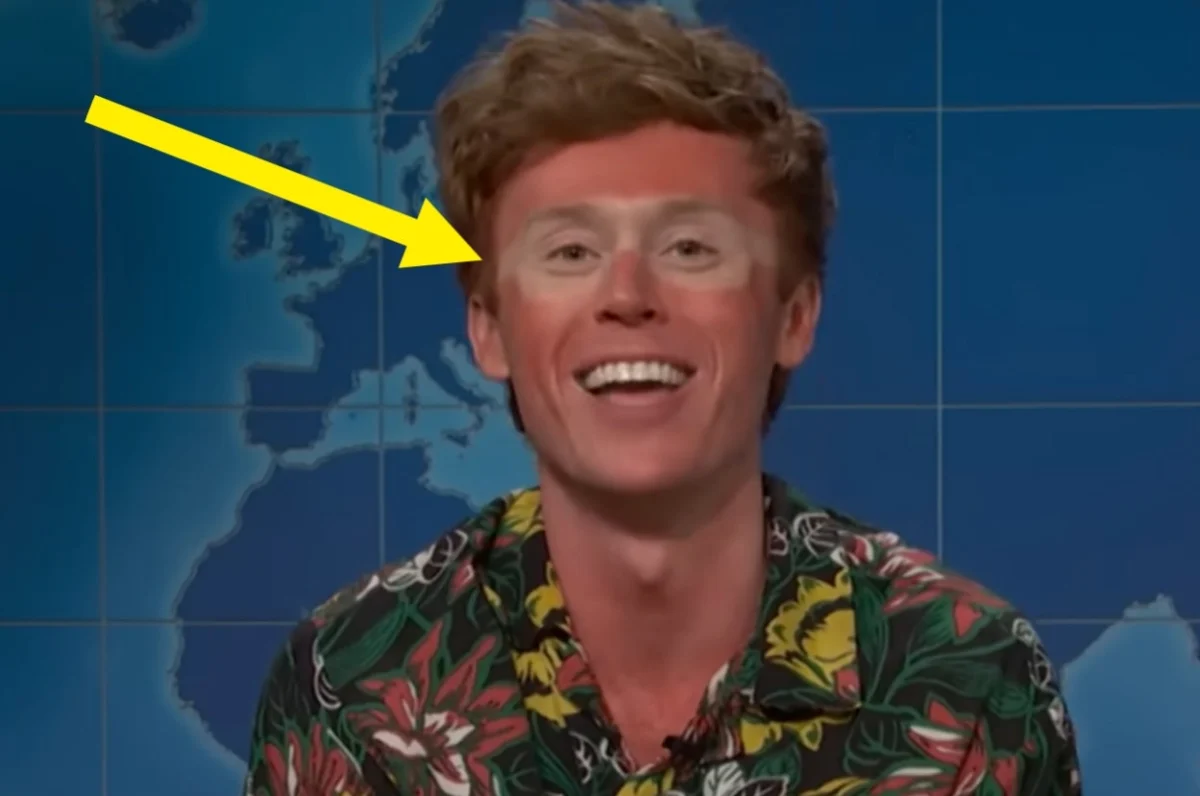
In the reckless optimism of one’s twenties, the body often feels invincible. It is a decade defined by late nights, dietary experimentation, and the belief that tomorrow is a renewable resource. However, as thousands of Gen X’ers recently revealed in a viral Reddit discussion, the "silent killer" habits formed during this period rarely stay dormant. Instead, they compound, creating a "compounding interest" effect of health and lifestyle deficits that frequently reach a breaking point in the early forties.
When Redditor The-Irumporai asked the community what habits they regretted most from their youth, the response was overwhelming. The resulting insights offer a sobering roadmap for twenty-somethings, highlighting that the decisions made today are not just fleeting choices—they are the foundational blocks for the physical, financial, and emotional reality of your future self.
The Physical Toll: When "Invincibility" Fades
The most immediate and visceral warnings from those in their forties concern the physical body. The common thread among these accounts is the dismissal of minor symptoms—the "I’ll deal with it later" mentality that often leads to irreversible systemic damage.
The Hidden Dangers of Neglect
Perhaps the most harrowing account came from user psycorpse, who detailed the cost of ignoring chronic headaches in their twenties. "I was eating ibuprofen like it was candy," they shared. What they mistook for routine stress headaches was, in fact, undiagnosed high blood pressure. By the time they reached their forties, their kidneys had suffered catastrophic, permanent damage, leading to the necessity of a kidney transplant.
Similarly, dental hygiene is often deprioritized by young adults who mistake a lack of immediate pain for a lack of underlying issues. Dentists and medical professionals have long warned that gum disease and decay are "silent" until they aren’t, often resulting in expensive, invasive, and permanent restorative work once the patient hits their mid-life years.
The Cumulative Impact of Poor Sleep and Lifestyle
Sleep apnea, often dismissed as "just snoring," was cited as a major culprit in long-term health degradation. "Snoring ruins marriages, but more importantly, it starves the brain of oxygen," one user noted. This chronic oxygen deprivation impacts everything from cognitive function to heart health, contributing to a state of "burned out" malaise by the time an individual hits thirty-five.
Furthermore, the "fall apart 40s" phenomenon is heavily exacerbated by a lack of consistent movement. As Boopbopbeepe noted, "It is so much harder to create new habits that undo the bad ones now that I’m in my 40s." The sedentary nature of modern desk-bound work, paired with a lack of intentional physical activity in one’s twenties, often manifests as chronic joint pain, stiffness, and a metabolic slowdown that becomes increasingly difficult to reverse.
Nutritional Insidiousness: The Processed Food Trap
The consumption of ultra-processed foods, including fast food and excessive alcohol, is often treated as a lifestyle badge of honor in young adulthood. However, the data suggests that these habits act as a slow-acting poison.
"The damage doesn’t happen overnight; that’s what makes it so insidious," one commenter observed regarding junk food. The cumulative inflammation caused by poor diet is a primary driver of heart disease, metabolic syndrome, and autoimmune issues that frequently emerge in the mid-forties. Alcohol, specifically the habit of having a "couple of beers" every night, was highlighted for its role in destroying sleep quality and promoting systemic inflammation. By the time many reach their mid-life, they find that their body no longer "bounces back" from these substances, leading to a diminished quality of life that could have been avoided with moderation earlier on.
The Long-Term Consequences: Financial and Environmental
While physical health is paramount, the Reddit thread also emphasized that "silent killers" exist in the financial and environmental realms as well.
The Cost of Financial Procrastination
Perhaps the most regret-laden advice came from the financial sector. The habit of not contributing to a 401(k) or similar retirement vehicle in one’s twenties is a mistake that is mathematically impossible to fully correct later. One user stated, "I’ll be at about 10% of what I need when it’s time to retire, but I fucked around with my money and figured there would be time later." This creates a scenario where the individual is forced to work indefinitely, tethered to a career they may no longer enjoy, simply to maintain basic survival.
Environmental Exposure and Safety
Neglect regarding environmental safety also emerged as a significant theme. This includes everything from failing to use ventilation during DIY projects—leading to respiratory and neurological issues—to failing to protect one’s hearing at concerts. Photographers and musicians, in particular, noted that their failure to use earplugs has left them with permanent tinnitus, a condition that profoundly impacts daily communication.
Sun exposure, while often associated with "fun," was also cited as a lethal oversight. One user shared their story of having a massive melanoma removed from their hand in their forties, underscoring the necessity of SPF—a habit often ignored during the "invincible" twenties.
Mental Health and the "Social" Erosion
Perhaps the most overlooked, yet most critical, aspect of the discussion was the impact of mental health and social isolation.
The Crisis of Connection
As we age, the ability to maintain and cultivate friendships becomes a vital pillar of health. Those who failed to prioritize deep relationships in their twenties often find themselves isolated in their forties. "People who keep their circles too small end up very lonely," noted Alive_Comfortable123. The distinction between "party friends" and "real friends" is a skill set that must be developed, and failing to learn how to communicate, show up for others, and tolerate the complexities of long-term friendship creates a vacuum that is difficult to fill later in life.
The Fear of Rejection
Finally, the "shyness" tax is a significant regret. Many in their forties reflected on the missed opportunities—career, travel, and romantic—that resulted from a fear of rejection in their twenties. This psychological paralysis is a silent killer of potential, leading to a deep sense of "what if" that colors the experience of middle age.
Implications: A Call to Action
The collective wisdom of those in their forties serves as a powerful call to action for the current generation of twenty-somethings. The "silent killers" described are not inevitable; they are, for the most part, avoidable through intentionality.
Implementing Proactive Measures
- Medical Vigilance: Never ignore persistent symptoms, even if they seem minor. Routine check-ups are not just for the elderly.
- Financial Discipline: Compound interest is the greatest financial tool available to the young. Start saving now, even if the amount seems negligible.
- Physical Maintenance: Integrate movement and healthy eating not as a weight-loss tool, but as a maintenance strategy for your future body.
- Social Investment: Prioritize the cultivation of high-quality relationships. Emotional health is as vital to longevity as physical health.
- Risk Mitigation: Sunscreen, earplugs, and protective gear are small inconveniences that pay massive dividends in long-term health.
Conclusion
The narrative shift from "I’m young, I’m fine" to "I’m forty, and I’m paying for it" is a rite of passage for many, but it doesn’t have to be. The insights shared by the Gen X community are not meant to induce fear, but to offer a blueprint for success. By acknowledging that the body and mind are not renewable resources, but rather assets that require consistent, daily care, young adults can ensure that their forties are defined by vitality and stability rather than by the "silent" consequences of a decade of neglect.
The message is clear: your future self is waiting for you to make the right choice today. Listen to the advice of those who have already walked the path, and act before the silence becomes a roar.
 Ammar Sabilarrohman
  rifanmuazin
  Suro Senen