
 By Suro Senen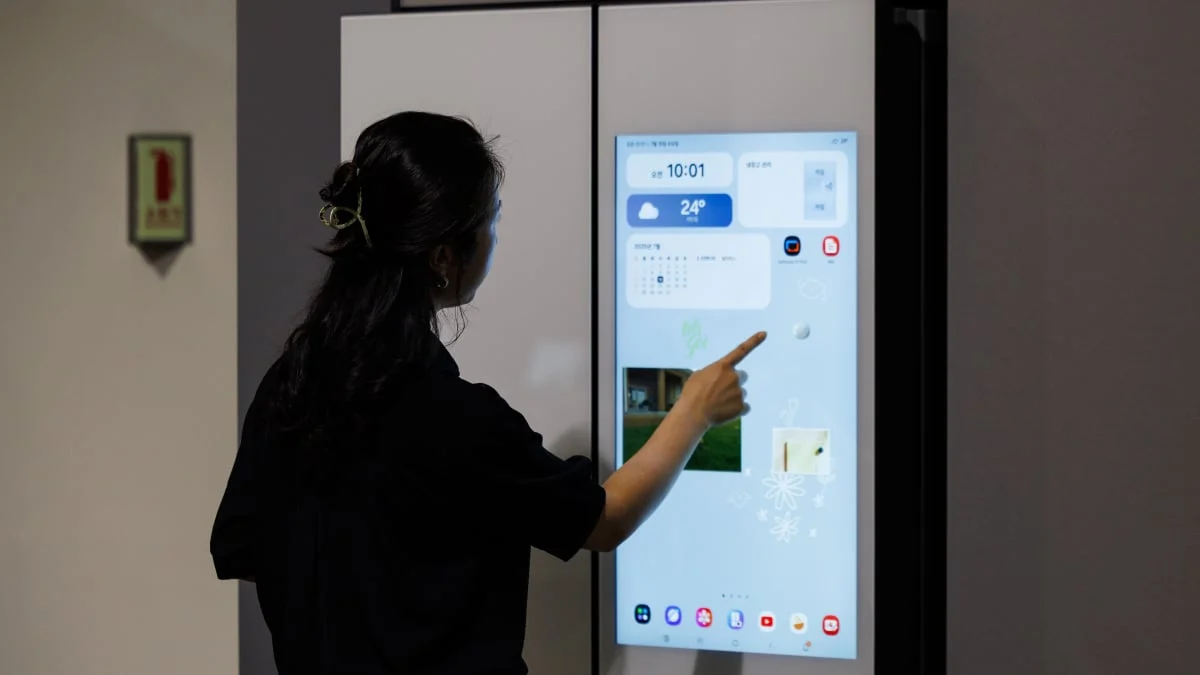
For decades, the refrigerator was the ultimate "set it and forget it" appliance. It sat quietly in the corner of the kitchen, hummed along at a constant temperature, and reliably preserved the family’s perishables. However, in the age of the Internet of Things (IoT), the humble fridge has been transformed into a sophisticated computing node. While these advancements promise efficiency and convenience, a recent catastrophic failure involving Samsung’s high-end refrigerators in South Korea serves as a sobering reminder of what happens when the software—not the hardware—fails.
The Incident: A Digital Cold Snap
On September 22, thousands of Samsung Bespoke AI four-door refrigerators—premium appliances released since 2024—suddenly ceased to function as cooling units. For owners, the symptoms were immediate and alarming. Interior lights went dark, control panels became unresponsive, and, most critically, the internal cooling mechanisms stopped running. Instead of the steady hum of a compressor, users were greeted by screens frozen on a perpetual "updating" notification.
The failure was not triggered by a mechanical breakdown or a power surge, but by a software update pushed through Samsung’s proprietary SmartThings app. What should have been a routine optimization process instead rendered these high-end kitchen staples effectively useless, turning expensive, AI-powered appliances into oversized, insulated boxes—minus the insulation benefits as temperatures began to climb.
Chronology of a Kitchen Crisis
The timeline of the incident highlights the intersection of modern tech deployment and real-world consequences:
- September 22: Samsung pushes a software update to Bespoke AI refrigerators via the SmartThings ecosystem. Shortly after installation, users report widespread failures, including total loss of cooling and unresponsive touch interfaces.
- September 22 (Evening): Social media and community forums in South Korea erupt with complaints. The timing is particularly devastating, as the country is preparing for Chuseok, one of the most significant cultural holidays, which revolves around massive family gatherings and elaborate, food-heavy celebrations.
- September 23: Samsung officially acknowledges the issue on its community forums. Reports from South Korean media, including the Seoul Shinmun, begin to quantify the damage, with some users reporting the loss of over 20 kilograms of holiday groceries.
- September 24: Samsung attempts to contain the damage, halting the faulty update distribution and launching an emergency repair initiative. The company sets an internal goal to have all affected units restored by the end of the day.
The Human Cost: More Than Just "Smart" Failure
While technology companies often view these issues through the lens of lines of code and server load, the real-world impact was visceral. Chuseok is a time of preparation; families had stocked their fridges with premium ingredients, traditional dishes, and perishable goods for the holiday feast.
One affected user shared their frustration with local media, noting that they had lost an entire holiday’s worth of food—a significant financial and emotional blow during a time meant for celebration. The loss was not just the monetary value of the meat, vegetables, and pre-prepared meals, but the wasted labor and the disruption of a major cultural event. For the average consumer, the "smart" functionality of the fridge—such as recipe suggestions or barcode tracking—meant nothing when the core utility of keeping food safe had been compromised.
Samsung’s Official Response and Mitigation
Samsung’s response was swift, albeit marred by the severity of the initial error. According to statements released by the company, the outage was caused by an "error during software testing." Reports from South Korean outlets suggest that the update sent to customers was, in fact, an internal testing version that was never meant for public deployment.
The company issued a formal apology on its community boards and committed to sending service technicians to perform free, in-person repairs for every affected unit. While Samsung claimed to have the situation under control by September 24, they remained vague regarding the total number of households impacted.
As of the current reporting, the company is still "reviewing" compensation packages for spoiled food. This leaves a lingering tension between the corporation and the consumers, as many affected families feel that a simple repair does not account for the loss of property, the stress of the holiday, or the breach of trust in the brand’s reliability.
The Implications: Is Our Infrastructure Too "Smart"?
The Samsung incident is not merely an isolated tech glitch; it is a symptom of a broader, systemic shift in the appliance industry. As manufacturers push to make every household item "smart," they are tethering the physical integrity of our homes to the reliability of cloud servers and remote software deployments.
The Rise of Over-Engineered Appliances
From LG washing machines that use AI to sense fabric types, to Dyson’s high-tech toothbrushes that track oral hygiene with cameras, the market is saturated with "smart" features. The industry logic is simple: connectivity equals value. If a company can track a consumer’s habits, offer personalized recipes, or push firmware updates to optimize energy efficiency, they can command higher price points and maintain long-term engagement with the customer.
However, the "smart" trend introduces a fundamental vulnerability. When a manufacturer integrates a computer into a device that relies on manual, long-term mechanical reliability, they introduce a "single point of failure." In the past, a fridge might last 15 years with nothing more than an occasional cleaning of the coils. Today, that same fridge is subject to the stability of the company’s software development cycle. If the code is buggy, the fridge is broken.
The Problem of "Firmware-as-a-Service"
The model of pushing automatic updates—common in smartphones and laptops—is increasingly being forced upon static appliances. In the case of the Samsung incident, the update was likely intended to improve the user experience or add features. Instead, it became a liability. This raises a critical question for consumers and regulators alike: Should core appliance functions be decoupled from cloud-based software updates?
If a consumer buys a refrigerator, they are paying for a cooling service. When that service is interrupted by a digital update, the manufacturer is failing to deliver the fundamental product. The shift toward "always-online" appliances essentially makes the consumer a permanent beta tester for the manufacturer’s software department.
The Future of Connected Living: A Necessary Reckoning
The tech industry is currently in an arms race to digitize the home. Yet, as the Samsung case proves, the industry’s capacity to deploy software often outpaces its ability to ensure the safety and stability of that software.
Lessons for the Industry
- Staged Rollouts: Had Samsung employed a more rigorous, staggered update rollout (starting with a small cohort of users), the impact could have been identified and mitigated before the entire customer base was affected.
- Offline Fallbacks: Modern appliances should be designed with "safe modes" that allow basic mechanical functions to continue even if the OS crashes or an update fails. A fridge should never be "brickable" to the point where it stops cooling.
- Transparency and Compensation: The hesitation to immediately offer full compensation for spoiled goods creates a secondary layer of frustration. If a company’s software destroys a customer’s property, the path to restitution should be seamless and automatic.
A New Consumer Mindset
For the consumer, the Samsung incident serves as a cautionary tale. While the allure of smart features is strong, there is a clear trade-off between convenience and risk. As we continue to integrate more technology into our homes, we must demand higher standards of software reliability from manufacturers. We are currently living in a "wild west" of smart appliances, where features are prioritized over the foundational requirements of the hardware.
Conclusion: The Cold Reality
The Samsung refrigerator incident will likely be studied in corporate boardrooms and engineering departments for years to come. It highlights the dangers of prioritizing innovation over reliability. When the device in question is a television or a laptop, a software glitch is an inconvenience. When the device is a refrigerator—a critical piece of kitchen infrastructure designed to protect our food and health—a software glitch is a catastrophe.
As we look toward an increasingly connected future, the lesson is clear: the smartest appliance is not the one with the most sensors, the brightest screen, or the most advanced AI. It is the one that works reliably, every day, without requiring a patch to keep the milk from spoiling. Until manufacturers can guarantee that their software updates will never compromise the primary utility of our appliances, consumers should approach "smart" kitchen technology with a healthy dose of skepticism. The digital revolution is here, but for those whose refrigerators were left in the dark this September, the cost of progress is proving to be far higher than the price of the appliance itself.
 rifanmuazin
  Nana Wu
  Muslim