
 By Lina Irawan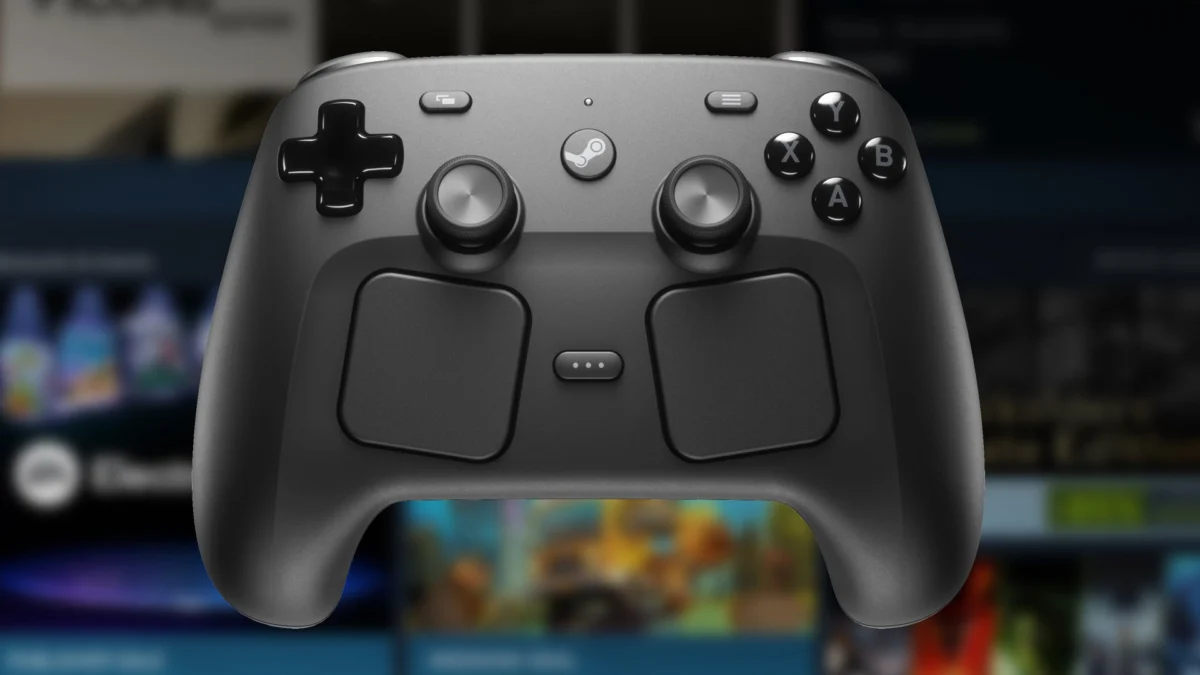
The gaming industry is currently witnessing a logistical bottleneck that has left fans frustrated and Valve scrambling to recalibrate its manufacturing expectations. Since its official launch on May 4th, the new Steam Controller—a device designed to bring the tactile precision and interface convenience of the Steam Deck to the desktop PC—has effectively vanished from the retail landscape. While the peripheral has garnered significant praise for its innovative design, the reality of its availability has been a different story: unless one turns to predatory scalpers on secondary markets, the device is currently impossible to acquire through conventional channels.
The scarcity has forced Valve to implement a radical transparency measure regarding its supply chain. By acknowledging that current demand has drastically outstripped production capacity, the company is attempting to reset consumer expectations as it looks toward a manufacturing timeline that stretches well into 2027.
A Chronology of the Supply Squeeze
The trouble began almost immediately upon the product’s May 4th launch. Valve, acting as the sole distributor for its own hardware, utilized the Steam storefront to manage sales. However, the sheer volume of traffic and purchase attempts quickly overwhelmed the platform’s logistics, prompting Valve to pivot to a reservation system just three days after the product went live.
This queue-based system was initially designed to provide a sense of order, allowing customers to reserve their place in line and receive notifications as stock trickled into the warehouse. For the first few weeks, this appeared to be a functional, if slow, method of distribution. However, as the backlog grew exponentially, it became clear that the rate of production could not keep pace with the influx of reservations.
By mid-May, the disparity between manufacturing output and consumer demand had reached a tipping point. Valve’s internal data indicated that even at maximum production efficiency, they would not be able to fulfill existing reservations in a timely manner. This realization triggered the most recent shift in policy: a transition from a simple queue to a tiered, time-bound delivery estimation system.
Breaking Down the New Delivery Windows
Valve has now updated its storefront to provide specific, albeit distant, windows for delivery based on when a customer placed their reservation. These windows are categorized into three distinct brackets:
- By September 2026: Reserved for the earliest adopters who successfully navigated the initial launch window.
- By December 2026: For those who secured a spot shortly after the initial surge but before the current manufacturing bottleneck became fully apparent.
- In 2027: The current landing zone for any new reservations placed moving forward.
For potential buyers entering the market today, the news is sobering. Valve has been transparent about the fact that those who have not yet reserved a controller are highly unlikely to see one arrive on their doorstep before the start of 2027. This long-term outlook is a rare admission of production limitations for a company that typically prefers to keep its hardware supply chains tightly controlled.
Why the Steam Controller? Understanding the Demand
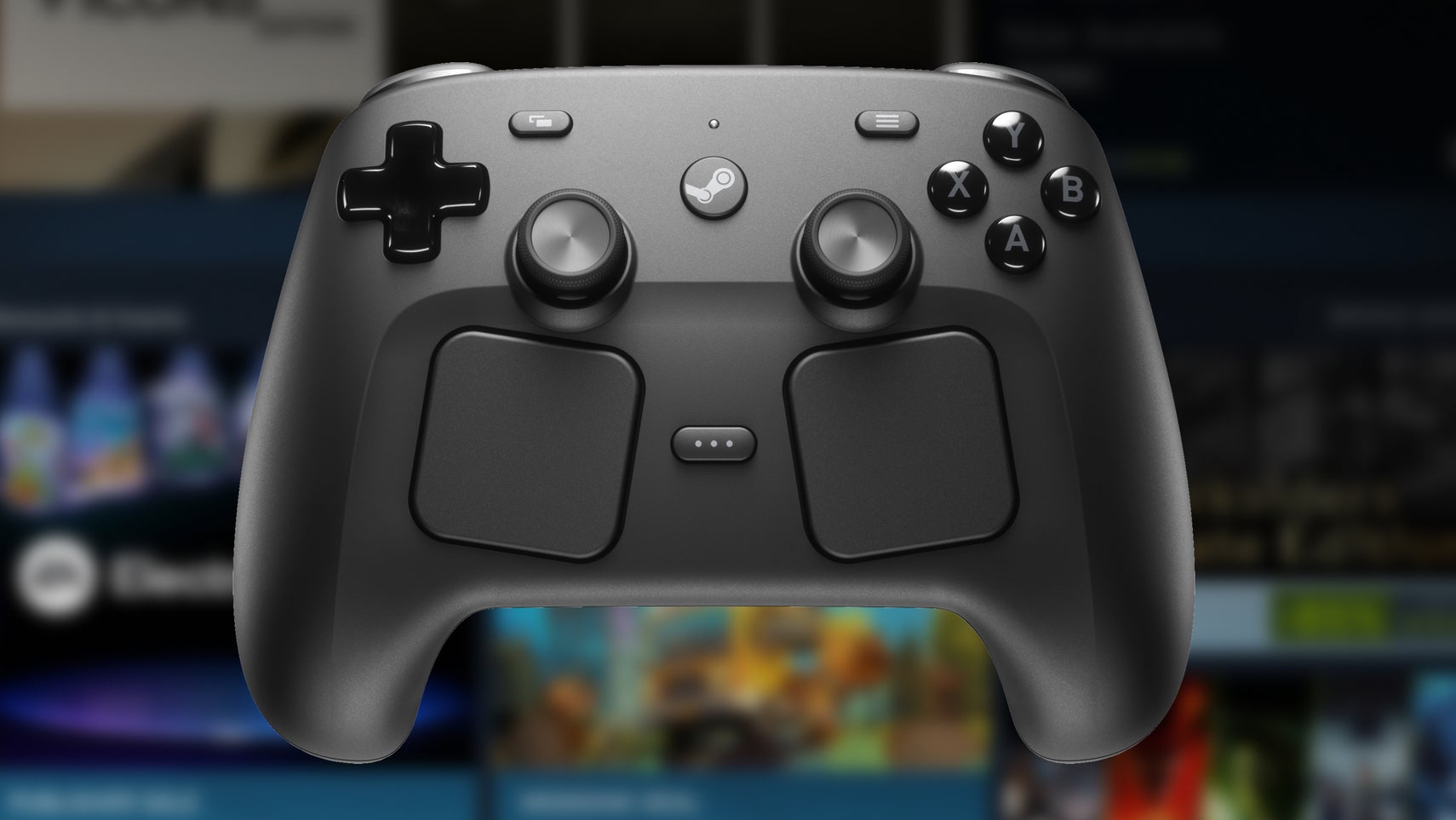
To understand why a $99/£85 peripheral is seeing such intense demand, one must look at the unique value proposition the device offers. The Steam Controller is not merely a game controller; it is an ergonomic bridge between the console experience and the PC.
The device acts as a hardware manifestation of the Steam Deck’s input philosophy. By incorporating trackpads and advanced haptic feedback, it allows users to navigate complex PC interfaces—which are traditionally designed for mouse and keyboard—without leaving the comfort of their couch. For many users, this solves a two-fold problem: it provides a comfortable controller for "lean-back" gaming while eliminating the need for a desk-bound mouse to manage complex menus, launchers, and Steam Big Picture mode.
However, the product is not without its detractors. As noted in early critical impressions, the Steam Controller remains a somewhat niche offering. Its unconventional layout and reliance on specific software configuration mean it is not necessarily a "plug-and-play" replacement for a standard Xbox or PlayStation controller. It is a device for enthusiasts—specifically those who have already integrated the Steam ecosystem into their daily lives and are looking to optimize their workflow and playstyle.
Official Responses and the "Manage Expectations" Strategy
In a candid blog post released via the Steam Hardware community, Valve addressed the situation with unusual bluntness. "We have no plans to stop making Steam Controllers," the post stated, directly addressing rumors that the scarcity was the result of a discontinued product line.
"But as we look at the current demand compared to how many we know we can make by the end of the year, we want to manage expectations as much as we can with regards to when folks can expect to receive their order."
This statement serves as a dual-purpose communication: it confirms the long-term viability of the product while simultaneously warning the consumer base that the supply chain is currently operating at maximum capacity. By shifting to a, "we will update you as we get closer" model, Valve is attempting to prevent the customer service fatigue that often accompanies mass-market hardware delays.
Implications: The High Cost of Niche Hardware
The current supply crisis highlights several critical implications for both Valve and the broader gaming hardware industry:

1. The Risk of Direct-to-Consumer Distribution
By limiting sales to the Steam storefront, Valve maintains total control over pricing and the customer experience, but it also assumes the entirety of the logistical burden. Unlike traditional manufacturers who utilize third-party retailers like Amazon, Best Buy, or GameStop to handle regional warehousing and shipping, Valve is currently acting as its own global fulfillment house. When demand spikes, there are no external partners to share the logistical load, leading to the kind of bottlenecks we are seeing now.
2. The Scalper Economy
Whenever a high-demand product is constrained by a reservation system, a secondary market is guaranteed to emerge. On platforms like eBay, Steam Controllers are already appearing for prices well above the $99 retail MSRP. This creates a "gray market" that inflates the perceived value of the product and often leaves genuine fans bitter. Valve’s inability to meet demand has inadvertently turned their own product into a speculative asset.
3. Long-term Brand Loyalty vs. Frustration
While the Steam Controller is a niche product, the frustration surrounding its availability could have a "halo effect" on how customers perceive other Valve hardware, such as the Steam Deck or future VR endeavors. If users feel that Valve’s hardware launches are synonymous with long, opaque waiting lists, they may be less likely to support future product rollouts, opting instead for more readily available third-party alternatives.
Looking Toward 2027
As the industry moves forward, the Steam Controller situation serves as a case study in demand forecasting. The device occupies a unique space: it is high-end enough to be expensive to manufacture, yet specialized enough that it doesn’t have a direct equivalent in the mainstream market.
Valve’s promise to update estimates as they approach each delivery window suggests that they are keeping a close watch on their manufacturing partners. If they can streamline production or scale up their assembly lines, those 2027 estimates could potentially move inward. However, for the time being, the message is clear: if you are interested in the Steam Controller, you should reserve it now, but prepare for a very long wait.
The success of the Steam Controller, even in the face of these shortages, reinforces that there is a significant market for hardware that bridges the gap between PC complexity and console accessibility. Whether Valve can eventually satisfy this hunger remains the defining question of their hardware division for the next eighteen months. For now, the most patient among us will have to wait for the mailman to deliver their peripheral, while the rest of us observe a masterclass in the difficulties of modern hardware distribution.
 Laily UPN
  Nila Kartika Wati
  Asro
Asro 