
 By Basiran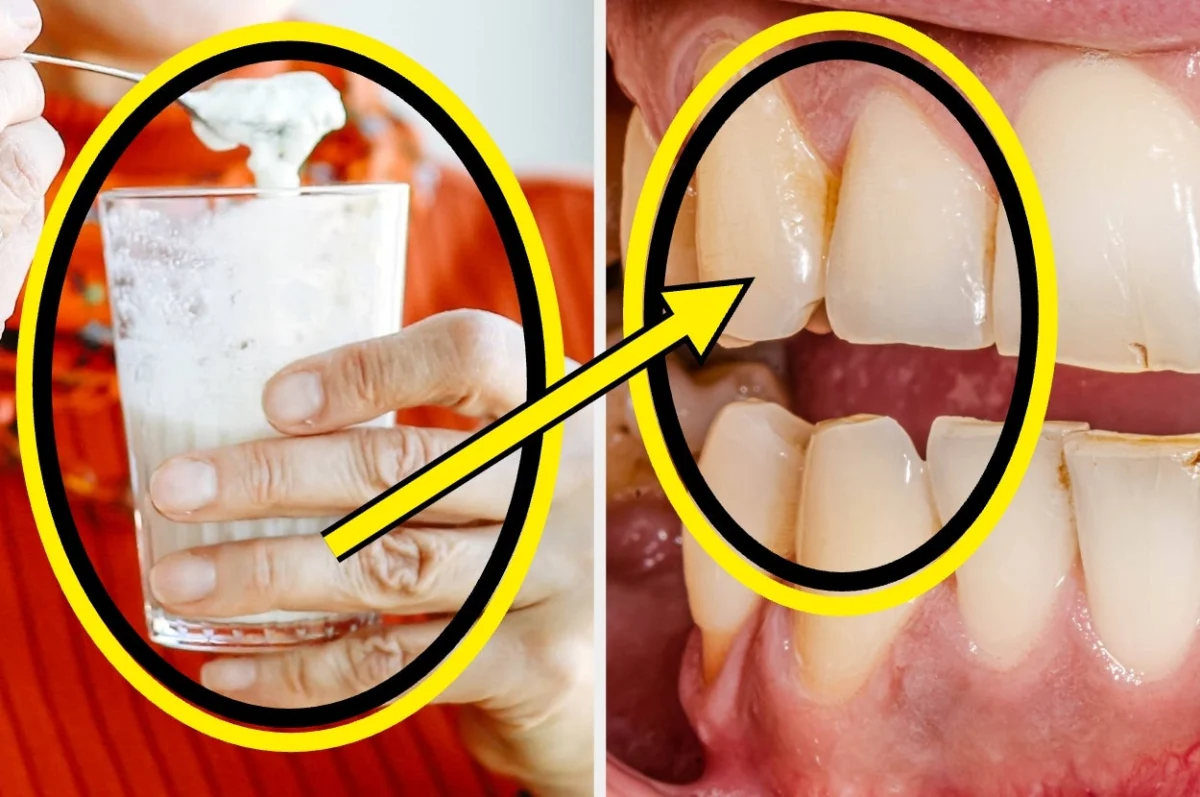
When it comes to maintaining a pristine oral hygiene routine, most of us are familiar with the standard checklist. We dutifully brush twice a day, floss with varying degrees of consistency, and schedule our bi-annual dental cleanings with a mix of optimism and underlying dread. As you sit in the dental chair, surrounded by cheerful posters of gleaming white teeth paired next to crisp apples and colorful toothbrushes, a familiar wave of anxiety might wash over you. You silently hope to avoid the dreaded pronouncement from the dental assistant: "You have a cavity."
Visiting the dental clinic is rarely anyone’s favorite pastime, but being proactive about your dental health is the cornerstone of preventing major interventions down the line. When dental experts discuss strong, healthy teeth, the conversation usually revolves around limiting sugary beverages, avoiding sticky candies, and consuming calcium-rich foods. However, there is a major blind spot in the average person’s understanding of dental health—one that involves a staple of the modern health food movement.
While nutritionists and wellness influencers constantly praise certain foods for their incredible benefits to gut health, digestion, and general vitality, dental professionals are sounding the alarm. It turns out that a beloved health food—one that sits front and center in countless refrigerators—can quietly wreak havoc on your tooth enamel.
Dental experts have stepped forward to reveal the surprising reality of how this food impacts your teeth, which varieties are safe to consume, and the exact steps you can take to protect your smile without giving up your favorite snacks.
Main Facts: The Yogurt Dilemma and Your Enamel
At first glance, yogurt seems like the ultimate superfood. Packed with probiotics, protein, and calcium, it has earned a permanent place in diet plans aimed at improving gut health, supporting bone density, and aiding weight management. Unfortunately, dental professionals warn that its reputation as an unmitigated health food obscures some significant risks to dental structures.
The primary culprit behind yogurt-related dental decay is a combination of natural and added sugars reacting with the oral microbiome.
"Although generally a ‘healthy’ snack, there are certain aspects of yogurt that can negatively affect teeth," explains Dr. Liel Grinbaum, a pediatric dentist and the owner of Smiles + Grins in New York.
When you consume yogurt, the sugars present in the product interact with the naturally occurring bacteria living inside your mouth. This interaction produces an acidic byproduct. Over time, repeated exposure to these acids creates an inhospitable environment for your teeth, stripping away essential minerals from the outer protective layer.
"When the environment around a tooth becomes sufficiently acidic, minerals can begin leaving the enamel surface," explains Dr. Jonathan Richter, a dual-trained holistic periodontist, prosthodontist, and expert in implant dentistry at Manhattan Oasis Dentistry. "Repeated acidic exposures can therefore contribute to enamel demineralization and, over time, erosion."
Enamel is the hardest tissue in the human body, but once it is eroded, it cannot regenerate on its own. The loss of enamel leaves the underlying dentin exposed, which can lead to increased tooth sensitivity, discoloration, and a significantly heightened vulnerability to cavities and decay.
Furthermore, the problem is often compounded by popular mix-ins and toppings. "Sometimes, yogurts with toppings like granola, peanut butter, crunchy things, or jam can stick to your teeth and prolong acid exposure," notes Dr. Lilya Horowitz, a general dentist and owner of Domino Dental in Brooklyn, New York. When sticky, carbohydrate-rich toppings cling to the crevices of your teeth long after the meal is finished, they feed oral bacteria for extended periods, maximizing the window of acid attack.
Chronology: The Evolution of Dietary Health Trends vs. Dental Awareness
To understand how yogurt became a hidden hazard for dental health, it is helpful to look at the historical trajectory of dietary trends and how public health messaging has evolved.
The Rise of the Gut Health Movement (Early 2000s–2010s)
Over the past two decades, scientific research increasingly turned its attention toward the human microbiome. Studies highlighted the critical role of gut bacteria in digestion, immunity, and even mental health. Fermented foods, particularly yogurt and kefir, surged in popularity as accessible sources of live probiotics. Marketing campaigns positioned yogurt as an essential daily habit for anyone looking to optimize their wellness, largely overshadowing the fine print regarding sugar content.
The Proliferation of Flavored and Convenience Yogurts (2010s–Present)
As consumer demand for yogurt exploded, food manufacturers expanded their product lines far beyond plain, traditional styles. Grocery store aisles were flooded with fruit-on-the-bottom cups, highly sweetened children’s yogurts, squeezable pouches, and drinkable varieties. To appeal to mainstream palates, manufacturers added substantial amounts of cane sugar, high-fructose corn syrup, and artificial flavorings, effectively transforming a health-conscious dairy product into a dessert-like snack loaded with hidden sugars.
The Modern Dental Re-Evaluation (Recent Years)
In response to rising rates of enamel erosion and decay among patients who considered themselves health-conscious, dental professionals began taking a closer look at dietary staples. Recent clinical observations and periodontal studies have prompted a more nuanced dialogue. While dentists still recognize the systemic and periodontal benefits of yogurt, they are actively working to educate the public on the distinction between raw dairy benefits and the detrimental effects of added sugars and sticky additives.
Supporting Data: What the Research Shows
Navigating the complex relationship between diet and dental health requires looking closely at clinical data and scientific literature. While the acid-producing potential of sugary yogurt poses clear risks to enamel, broad studies reveal that dairy consumption can simultaneously offer protective benefits for other areas of oral health.
A landmark study published in the Journal of Clinical Periodontology in 2022 explored the correlation between dairy intake and periodontal health. The research demonstrated a fascinating dichotomy: regular consumption of yogurt was actually associated with a lower risk of tooth loss resulting from periodontal (gum) disease. The live cultures and dairy proteins appeared to support systemic and oral tissue health, buffering against the aggressive inflammatory markers associated with gum disease.
However, dental experts emphasize that this protective benefit depends heavily on the type of yogurt consumed. The biochemical composition of traditional dairy yogurt offers distinct advantages that plant-based alternatives often lack.
"Milk (dairy) yogurt has natural calcium, phosphate, and casein proteins, which are beneficial to the protection of enamel," Dr. Grinbaum notes. These natural components can help remineralize teeth under the right conditions, counteracting mild acid exposure.
In contrast, alternative products present a different nutritional profile. "Nut-based yogurts can be fortified, but do not contain the same natural proteins, and they usually contain some type of added sugars for flavoring," Dr. Grinbaum warns. Consequently, consumers opting for plant-based yogurts for dietary preferences or lactose intolerance must be exceptionally vigilant about reading nutrition labels to monitor sugar content.
Official Expert Responses and Recommendations
Rather than advocating for the complete elimination of yogurt from consumer diets, dental professionals emphasize mindful selection and smart consumption habits. The consensus among periodontists and general dentists is that yogurt can easily remain part of a balanced diet if approached with the right strategy.
1. Choose Plain, Unsweetened Varieties
The single most important recommendation from dental professionals is to swap out flavored, sweetened, or fruit-on-the-bottom yogurts for plain, unsweetened Greek yogurt.
"If more sweetness is desired, consider adding whole fruit yourself," suggests Dr. Richter. By incorporating fresh berries or a drizzle of natural honey at home, consumers retain control over the exact amount of sugar entering their mouths.
2. Explore Savory Applications
For those looking to move away from sweet breakfast bowls entirely, yogurt can be integrated into meals in unexpected, tooth-friendly ways. Dr. Horowitz suggests mixing plain Greek yogurt into homemade salad dressings or using it as a nutritious, protein-packed substitute for sour cream in soups and savory dishes.
3. Evaluate the Four Key Factors
Dr. Richter summarizes the impact of yogurt on dental health through four critical variables:
- The type of yogurt: Traditional dairy vs. heavily processed plant-based alternatives.
- The amount of sugar: Natural lactose versus added cane sugars and syrups.
- The frequency of exposure: Eating yogurt as a quick meal versus grazing on it slowly over an extended period.
- The method of consumption: Plain yogurt versus varieties packed with sticky, enamel-clinging mix-ins like granola or caramel.
"The key is not to avoid yogurt altogether, but to understand which types are more tooth-friendly and how eating habits affect enamel and cavity risk," Dr. Richter clarifies. "Yogurt isn’t the enemy, but not all yogurt is equally friendly to your teeth."
Implications: How to Protect Your Enamel While Enjoying Yogurt
If you aren’t ready to banish yogurt from your morning routine—and given its nutritional benefits for gut health and periodontal support, you don’t necessarily have to—there are several practical steps you can take to safeguard your smile.
- Rinse with Water Immediately After Eating: Swishing a glass of plain water around your mouth immediately after finishing your yogurt helps wash away lingering sugars and residual acids, neutralizing the pH balance in your mouth before bacteria can feed on the remnants.
- Wait Before Brushing: It might seem counterintuitive, but dentists advise against brushing your teeth immediately after consuming acidic or sugary foods. Because acid temporarily softens your tooth enamel, brushing right away can actually abrade and scrub away the weakened outer layer. Instead, wait at least 30 minutes to allow your saliva naturally to remineralize the enamel before introducing a toothbrush.
- Minimize "Grazing": Eating a cup of yogurt in one sitting exposes your teeth to a brief spike in acid, which your saliva can easily manage. However, slowly nursing a container of yogurt over the course of an hour prolongs the acidic environment, keeping your teeth under constant attack. Eat it efficiently rather than snacking on it over an extended period.
- Opt for Whole-Food Mix-Ins: If you enjoy texture in your yogurt, steer clear of sticky, highly processed crunch elements like clusters of heavy syrup-bound granola. Instead, choose fresh nuts or seeds that do not adhere to the surfaces of your teeth as aggressively.
By understanding the delicate balance between systemic health and dental preservation, patients can make informed dietary choices that protect their tooth enamel without sacrificing the foods they love. Your next trip to the dentist might just end with praise rather than a lecture—provided you choose your yogurt wisely.
 Nana
Nana  Pevita Pearce
  Raul Delapena Setiawan