
 By Laily UPN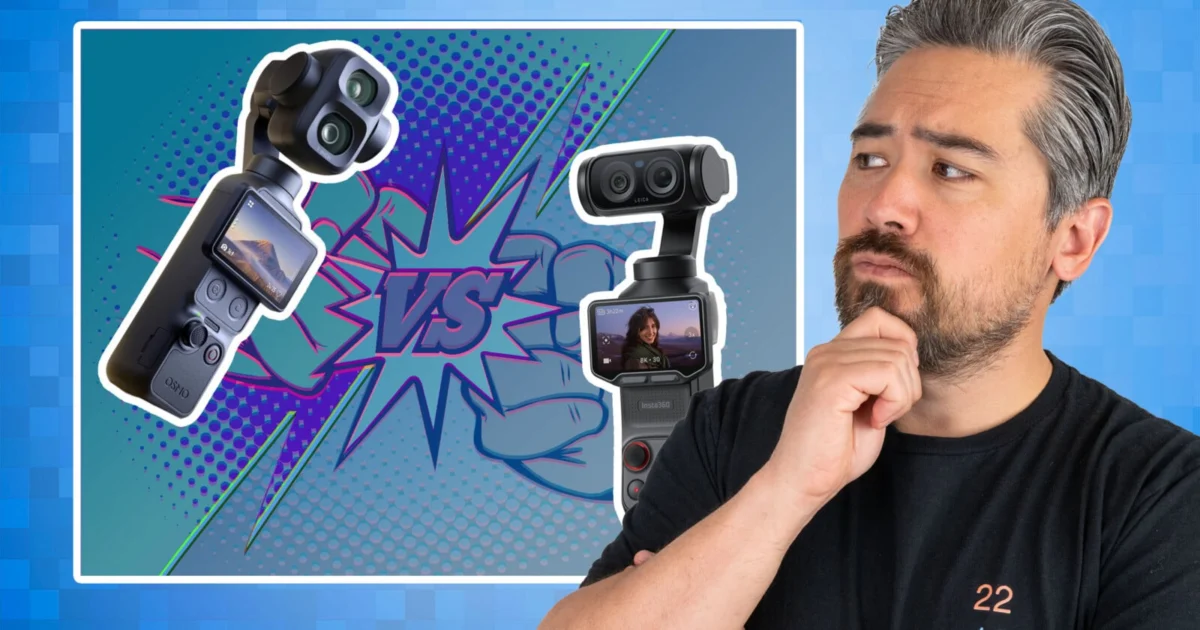
The photography industry is currently navigating a period of intense transformation, characterized by aggressive corporate litigation, a fascination with analog nostalgia, and heightened scrutiny regarding the manufacturing origins of high-end glass. This week’s episode of the PetaPixel Podcast dissects these multifaceted developments, offering a comprehensive look at the state of the imaging market. From the courtroom showdown between industry giants to the debates circulating within lens enthusiast circles, the following analysis breaks down the week’s most significant stories.
1. The Titan Clash: DJI vs. Insta360
The rivalry between DJI and Insta360 has officially moved beyond the shelves of retail stores and into the courtroom. For years, these two companies have been locked in a fierce battle for dominance in the action camera and drone-mounted imaging markets. However, the conflict has escalated from aggressive pricing and feature-set competition to formal legal action.
The Nature of the Dispute
At the heart of the current legal tension is a series of patent infringement allegations. While both companies have built their reputations on rapid innovation—DJI by dominating the drone space and Insta360 by revolutionizing the 360-degree and modular action camera market—their feature sets have increasingly begun to overlap.
Industry analysts suggest that this litigation is a strategic maneuver. By filing patent infringement suits, companies often aim to stifle a competitor’s ability to market specific features—such as stabilization technology, modular connectivity, or AI-driven subject tracking—in key territories. The legal battle serves as a "chilling effect" on the market, forcing both entities to divert resources toward legal defense rather than purely R&D.
Market Implications
For the consumer, this legal friction presents a double-edged sword. On one hand, the rivalry has historically driven prices down and accelerated the release of cutting-edge hardware. On the other, if the courts rule in favor of one party, we may see the sudden disappearance of certain features or even entire product lines from the market. The industry is currently watching closely to see if this evolves into a long-term injunction war similar to those seen in the smartphone sector a decade ago.
2. The Return of the Kodak Charmera: A Lesson in Nostalgia
In a move that highlights the enduring power of brand legacy, the "Kodak Charmera" has returned to the spotlight with updated designs. The device, which occupies a unique space between retro-aesthetic novelty and functional imaging tool, has reignited conversations about the role of design in modern photography.
The Psychology of Retro Tech
The revival of the Charmera is not an isolated event; it is part of a broader trend where photography brands are leveraging the "analog experience" to attract a younger demographic that never grew up with film. By combining the tactile feel of classic hardware with modern digital sensors, manufacturers are tapping into a desire for authenticity in an era of hyper-processed smartphone photography.
Design Evolution
The latest iterations of the Charmera focus on aesthetic refinement and ergonomic improvements. Unlike the original, which was often criticized for its functional limitations, the new designs aim to marry the iconic Kodak silhouette with improved user interfaces. Critics remain skeptical of whether these devices can offer genuine utility for professional photographers, but the market data suggests that for the enthusiast and social-media-focused user, the "cool factor" remains a potent driver of sales.
3. The Zeiss-Cosina Controversy: Optics Under Scrutiny
Perhaps the most contentious debate this week concerns the Zeiss Otus line. Rumors have persisted in various photography forums and technical circles that these high-end, premium-priced lenses—often heralded as the pinnacle of optical engineering—are, in fact, rebranded lenses manufactured by Cosina.
The "Otus" Pedigree
The Zeiss Otus series has long been marketed as the "best of the best," commanding astronomical prices for their purported edge-to-edge sharpness and lack of chromatic aberration. These lenses are considered the standard by which all other manual-focus primes are measured.
Investigating the Allegations
The core of the accusation is that the manufacturing process is outsourced to Cosina, a Japanese manufacturer known for producing high-quality optics for brands like Voigtländer and even earlier Zeiss ZM lines. Proponents of the theory point to shared physical characteristics, similar manufacturing tolerances, and the logistical realities of high-end optical production.
However, optical engineers argue that "manufacturing" is not the same as "design." Even if the physical assembly takes place in a Cosina facility, the design, glass specifications, and quality control protocols remain firmly in the hands of Zeiss. This distinction is crucial: if a lens is designed by Zeiss, it carries the "Zeiss DNA," regardless of the factory floor location. The controversy highlights a growing transparency issue in the optics industry, where consumers are increasingly demanding to know exactly where and by whom their gear is being assembled.
4. Chronology of Recent Industry Developments
To understand the current state of these events, one must look at the timeline of the last few months:
- Early Q1: DJI announces a new suite of stabilization patents, signaling a shift toward protecting intellectual property.
- Mid Q1: Insta360 responds by expanding its patent portfolio and initiating preliminary legal filings in several jurisdictions.
- Late Q1: The Kodak Charmera design refresh is teased via social media, creating a buzz in the retro-tech community.
- Early Q2: The "Otus" manufacturing debate gains traction on major photography forums, fueled by leaked production documentation that links specific Zeiss production batches to facilities historically associated with Cosina.
- Current Week: The PetaPixel Podcast team synthesizes these events, noting that the converging pressures of litigation and public scrutiny are placing significant stress on manufacturers to maintain brand integrity.
5. Supporting Data and Industry Context
The optics and action camera markets are currently seeing a shift in consumer behavior. According to recent market analysis:
- Consumer Spending: While total camera unit sales have declined, the "premium" segment—gear priced above $2,000—has remained remarkably resilient. This explains why Zeiss can justify the price of the Otus line even amidst manufacturing rumors.
- Litigation Trends: Patent litigation in the electronics sector has increased by 14% year-over-year. This indicates that as hardware reaches a plateau of performance, companies are increasingly turning to legal barriers to maintain market share.
- The "Influencer" Effect: The resurgence of products like the Charmera is largely attributed to content creators on TikTok and Instagram, who prioritize the "aesthetic" of the camera as much as the final output.
6. Official Responses and Industry Stance
While neither DJI nor Insta360 has issued a detailed public statement regarding the specifics of the ongoing litigation, spokespeople have noted that both companies "are committed to protecting their intellectual property and ensuring fair competition."
Zeiss, meanwhile, maintains a stance of quality assurance. When asked about manufacturing origins, the company has historically stated that all products bearing the Zeiss brand are manufactured according to strict proprietary standards, regardless of the assembly location. They emphasize that the lens design—the "optical formula"—is the primary value proposition, not the assembly labor itself.
7. Implications for the Future of Photography
The events of this week serve as a microcosm of the challenges facing the photography industry.
- For Manufacturers: The industry is moving toward a model where transparency is no longer optional. Brands that attempt to obscure the origins of their products risk severe backlash in an age of internet sleuthing.
- For Legal Strategy: We are likely to see more "patent walls" being built. Companies will focus on securing IP in AI-driven features (like auto-tracking and computational photography) rather than just mechanical lens design.
- For Consumers: The message is clear: do your due diligence. As the line between "premium" and "rebranded" blurs, and as legal battles threaten the availability of certain features, the role of independent journalism and peer-reviewed testing becomes more vital than ever.
As the PetaPixel Podcast continues to cover these stories, it is evident that the photography industry is not just about capturing images—it is a complex ecosystem of law, design, and manufacturing that is constantly shifting under our feet. Whether it is the battle for the sky between DJI and Insta360, or the debate over what makes a lens "Zeiss," the one certainty is that the industry is never standing still.
To support the independent reporting that brings these stories to light, consider joining the PetaPixel Membership. For $3 per month, members gain access to exclusive content, raw file downloads, and discounts on industry-leading gear, helping to sustain the rigorous, in-depth journalism that defines the PetaPixel mission.
 Reynand Wu
  Lina Hope