
 By Suro Senen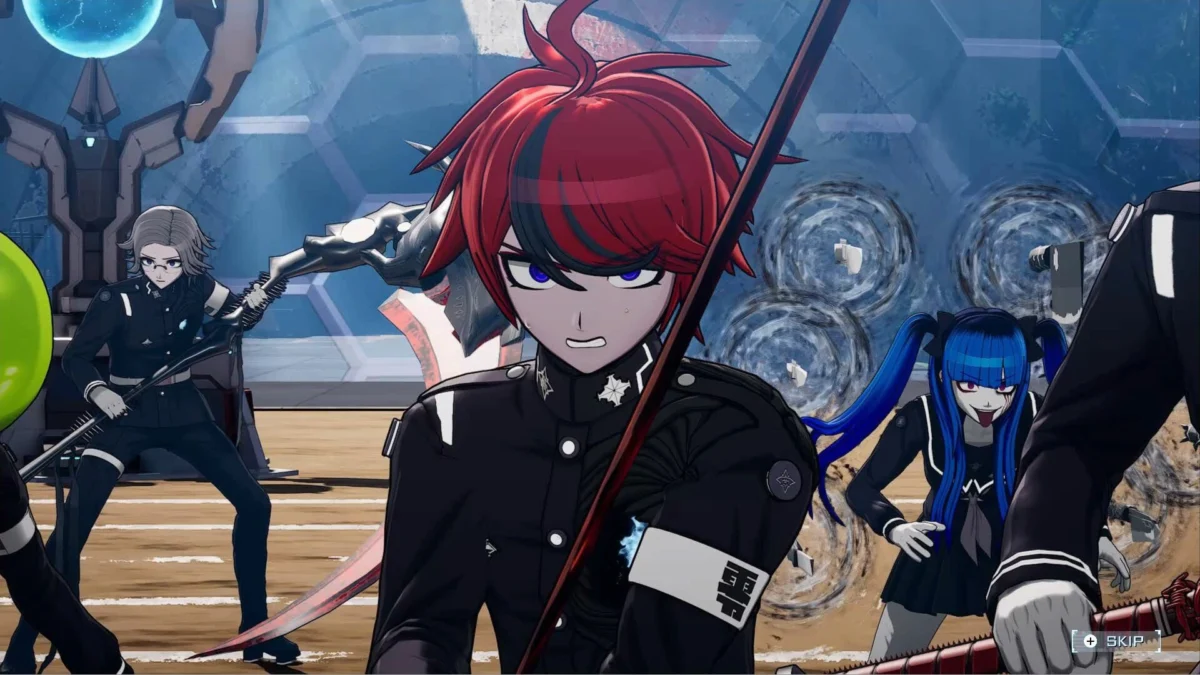
The video game industry is currently navigating a period of profound volatility, characterized by mass layoffs, studio closures, and a fundamental shift in how interactive media is conceptualized, funded, and built. At the heart of this storm is Kotaro Uchikoshi, the visionary writer and director behind cult classics like the Zero Escape trilogy and AI: The Somnium Files.
In a series of startling social media disclosures, Uchikoshi revealed that his newly formed independent studio, Crash Keys, has seen its maiden project—a title he describes as a potential obsession for his fanbase—abruptly cancelled. This development has not only cast a shadow over the future of his boutique team but has also ignited a contentious debate regarding the role of generative artificial intelligence (AI) in the survival of mid-sized game development houses.
The Chronology of a "Bolt from the Blue"
The collapse of the project was as sudden as it was unexpected. Uchikoshi, who co-founded the independent studio Crash Keys in March 2025, had planned a calculated, slow-burn reveal of his company and its first major project for the following year. However, the industry’s harsh economic reality intervened.
On social media, Uchikoshi described the cancellation as a "bolt from the blue," noting that his small, dedicated team had poured eighteen months of creative labor into the project before the plug was pulled. "I lost my job overnight," he remarked, highlighting the fragility of independent development in the current fiscal climate.
The announcement forced Uchikoshi to accelerate his public disclosure timelines significantly. Instead of a polished marketing rollout, the public was met with an urgent call for partnership. Crash Keys is currently seeking investors and project collaborations to ensure the survival of its core team, which includes industry veterans Akira Mine and Muri Sasaki—both of whom share deep professional histories with Uchikoshi, dating back to The Hundred Line and the Zero Escape series.
A Clarification of Allegiances
Following the initial wave of concern from fans regarding the status of his previous professional affiliations, Uchikoshi moved quickly to clarify his standing within the broader industry ecosystem.
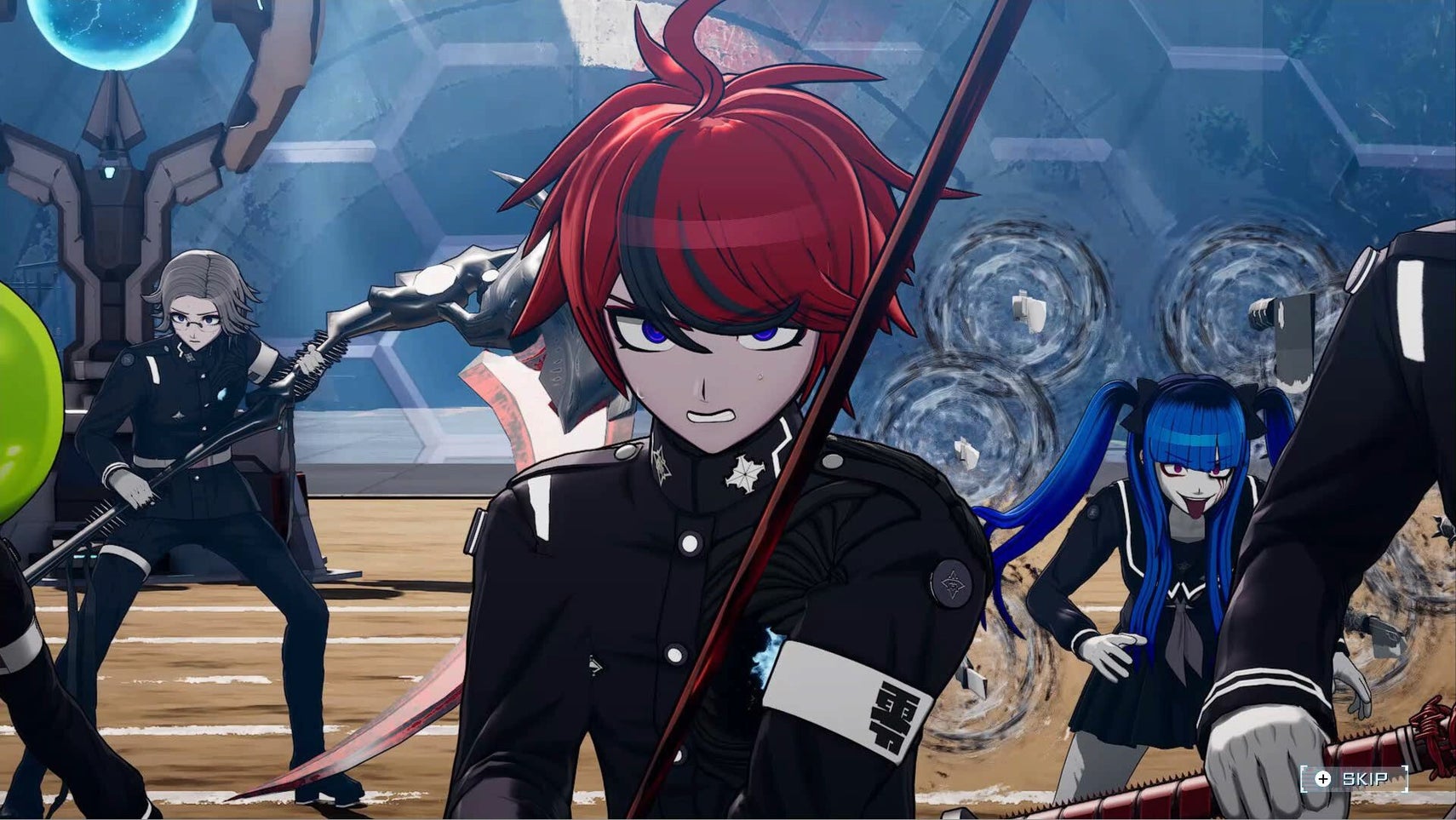
Addressing rumors of a falling out with fellow visionary Kazutaka Kodaka—the mastermind behind Danganronpa—Uchikoshi confirmed that he remains an integral part of TooKyo Games. He lightheartedly dismissed any notion of professional friction, noting that the two founders maintain a relationship close enough to host "pajama parties" while sharing boba tea. This clarification was essential for the community, as it dispelled fears that the dissolution of the Crash Keys project was a symptom of a larger, systemic failure within the TooKyo Games partnership, which last year released the ambitious strategy-RPG The Hundred Line: Last Defense Academy.
The AI Dilemma: Efficiency vs. Ethics
The most significant takeaway from Uchikoshi’s post-cancellation commentary is his candid assessment of why mid-sized developers are increasingly struggling to survive. While he did not explicitly state that a lack of AI tools was the sole cause of the cancellation, he positioned the "major changes in the game development landscape"—specifically the rise of generative AI—as a central pressure point.
The Economic Squeeze
Uchikoshi argues that the rapid advancement of generative AI tools has created a "losing battle" for mid-sized studios. As larger corporations integrate AI to drastically reduce production costs and timeframes, smaller teams find themselves caught in a vice. They are expected to maintain the high quality and creative depth that fans expect from a "Uchikoshi game," yet they must compete with the bottom-line efficiency of AI-assisted rivals.
"Advances in AI have made it possible for people to create games at a much lower cost," Uchikoshi explained. "To stay competitive, mid-sized game developers like us need to find ways to cut costs."
The "Frowned Upon" Conundrum
The irony, according to the director, is the social stigma surrounding the use of these tools. While developers are pressured to keep budgets lean, the public perception of AI in art and game design remains largely negative. "These days, using AI to make games is generally frowned upon, isn’t it?" he noted. This creates a psychological and creative bottleneck: the tools exist to save the project, but their implementation risks alienating the very audience the game is built for.
Redefining the Human Role
Perhaps most controversially, Uchikoshi challenged the binary narrative that AI inherently replaces human labor. He posits that if his studio had been able to integrate AI for "tedious tasks," the human team might have been protected from the fallout of a project cancellation.
"It’s often assumed that using AI could cause creators to lose their jobs," Uchikoshi observed. "But the opposite can also be true. In other words, ‘not using AI’ could also cause creators to lose their jobs. If using AI had been an option, perhaps the project wouldn’t have been canceled." He emphasized that his vision involved humans handling the creative core, with AI relegated to the grunt work of development, potentially allowing the studio to scale costs without sacrificing staff.
Industry Implications: The Future of the "Mid-Size"
The situation at Crash Keys serves as a microcosm for the challenges facing the "AA" or mid-sized game development sector. As giants like Google and Unity push for more accessible generative AI tools, the barrier to entry for content creation is falling, but the cost of sustaining a specialized team is rising.
The failure of the Crash Keys project, a game that Uchikoshi teases would have caused "nosebleeds for three days and three nights" among his dedicated fan base, underscores a tragic loss of creative output. When projects with such clear creative identity fail to reach the market due to "landscape changes," the industry risks becoming polarized between massive, safe-bet blockbusters and hyper-minimalist indie experiments, with little room for the unique, narrative-heavy mid-budget games that define the medium’s artistic evolution.
The Road Ahead for Crash Keys
Despite the setbacks, the tone from Uchikoshi remains one of resilience, albeit colored by his signature dark, off-key humor. His plea for work—a candid, almost desperate request for investment—highlights the precarious nature of independent creation.
"At this rate, our company might literally crash into a million pieces," he joked, framing the dire situation with the wit his fans have come to expect from the writer of 999 and Virtue’s Last Reward. However, the subtext is serious. Without a pivot, the studio faces an existential threat.
As the industry watches to see if Crash Keys can secure the funding necessary to continue, the conversation around AI in game development has moved beyond academic debate. It is now a pressing, front-line issue that impacts the livelihoods of some of the most celebrated creators in the field. For Uchikoshi, the goal is clear: to find a path where the creative vision of the human mind is supported, not stifled, by the inevitable march of technological progress.
Whether this results in a new project or a long, cold winter for his studio, the "Deadass Underrated Director" remains a focal point for the industry’s ongoing struggle to define its future in the age of automation. For now, the fans wait, hoping that the only thing "crashing" is the company’s bad luck, and not the future of one of gaming’s most idiosyncratic voices.
 Asro
Asro  Reynand Wu
  Nana Wu