
 By Reynand Wu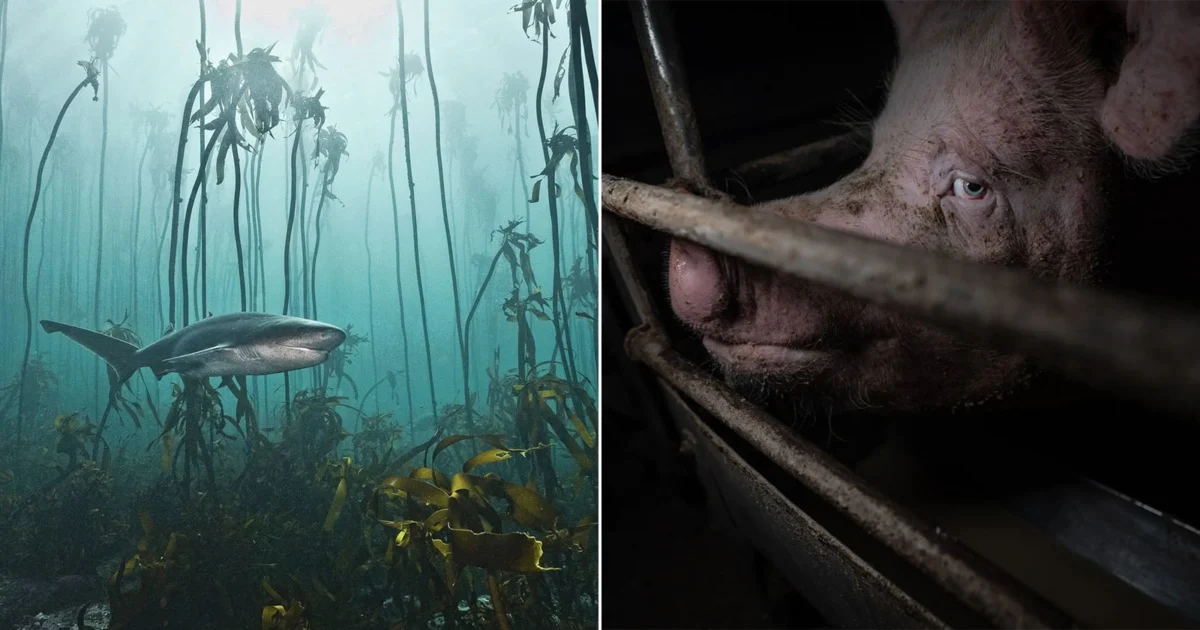
The third annual Nature and Humans Photo Competition, a global initiative dedicated to the intersection of wildlife, conservation, and human impact, has unveiled its 2026 winners. By curating a collection that oscillates between the sublime beauty of the natural world and the stark, often uncomfortable realities of human industrial practices, the competition has solidified its reputation as a vital forum for visual storytelling and environmental advocacy.
Organized by the Spanish-based Fundación DESEA and directed by renowned nature photographer Arturo de Frías, the contest attracted thousands of entries from 49 countries. The winning images serve as a visual manifesto, challenging the viewer to confront the complexities of our relationship with the non-human world.
The Dual Narrative: Beauty and Brutality
At its core, the Nature and Humans competition rejects the notion that nature photography must be purely aesthetic. While categories like "The Beauty of the Planet" and "Mammals" showcase the majesty of the animal kingdom, the "Conservation Photography" sections pull back the curtain on the often-hidden facets of factory farming, habitat encroachment, and environmental degradation.
Content Warning: The following report contains descriptions of imagery that may be distressing to some readers, reflecting the harsh realities of modern animal husbandry and environmental loss.
The organizers maintain that this juxtaposition is intentional. According to the Foundation, "We believe that the best way to inspire the will to protect Nature is through its stunning beauty, but we must also acknowledge the ugly side of our interactions with animals. Both hopeful and distressing images are awarded, all sending a clear conservation message."
Chronology of the 2026 Competition
The path to the 2026 announcement was a rigorous, months-long process that prioritized both technical excellence and narrative weight.
- Call for Entries: The competition opened in early 2026, inviting professional and amateur photographers to submit works that capture the nuance of the human-nature dynamic.
- The Judging Phase: A panel of experts, led by Arturo de Frías, evaluated thousands of submissions. Judges were instructed to look for "powerful and original photographs that explore the relationship—positive or negative—between the natural environment and us, human beings."
- Announcement of Winners: In June 2026, the final selection was published, featuring a diverse array of winners, from seasoned photojournalists to emerging youth talents.
- Future Outlook: Following the success of this year’s installment, the foundation has already opened the doors for the fourth edition, with a submission deadline set for September 28, 2026.
Unmasking Industry: Conservation Photography Series
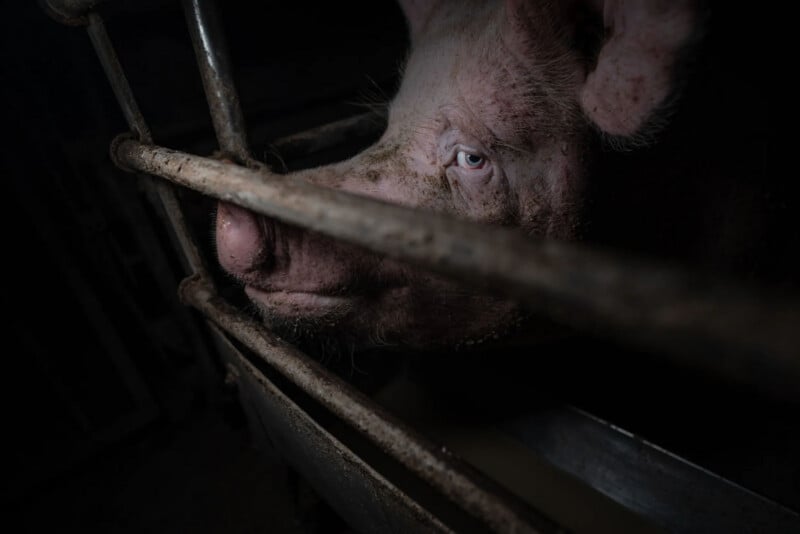
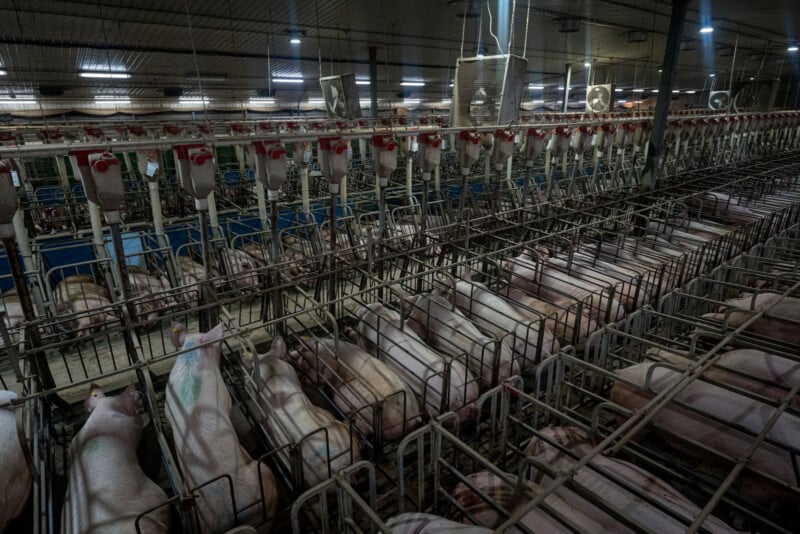
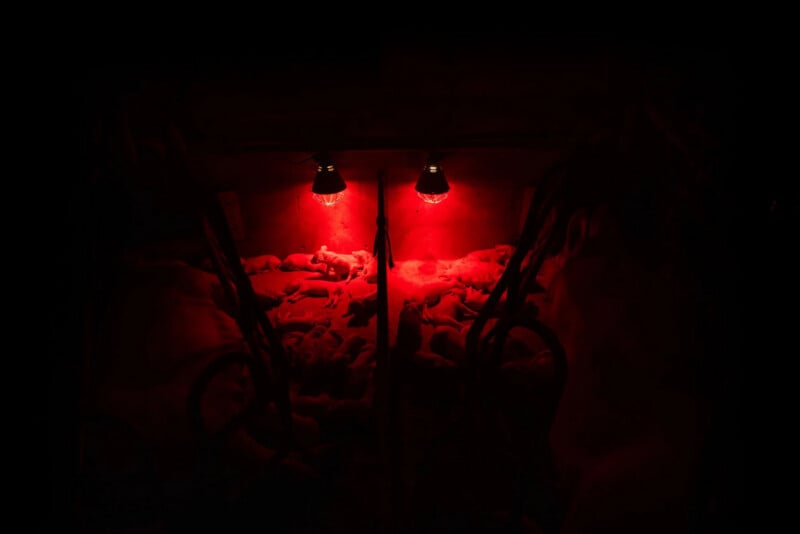
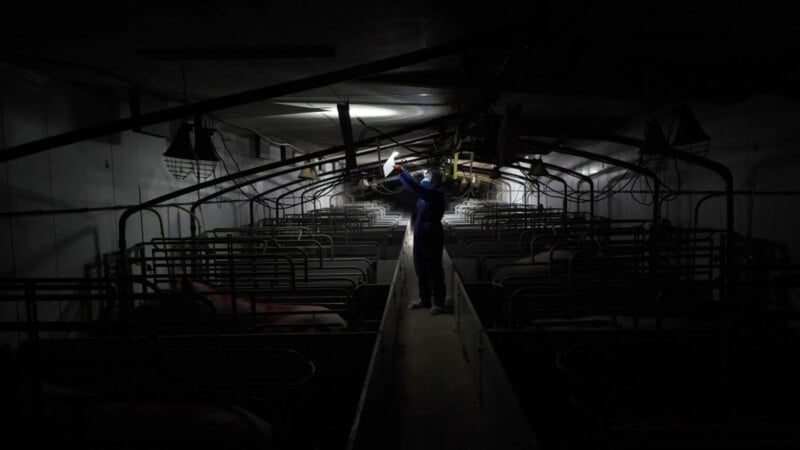
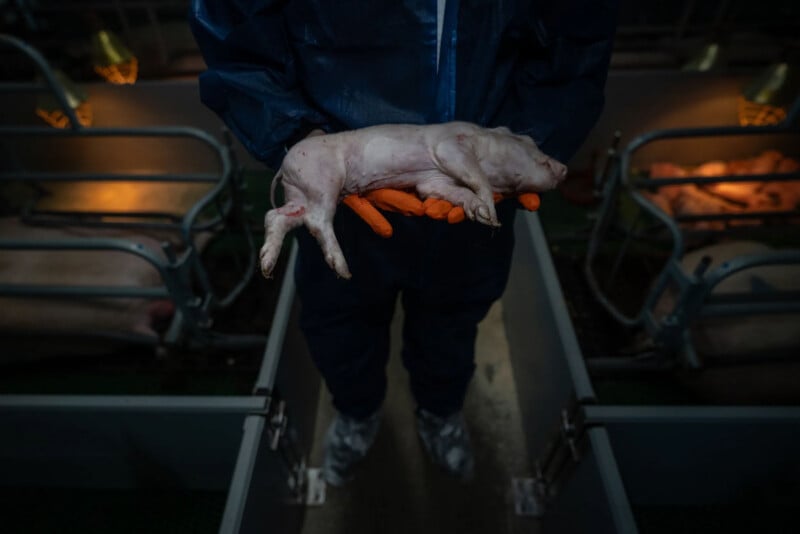
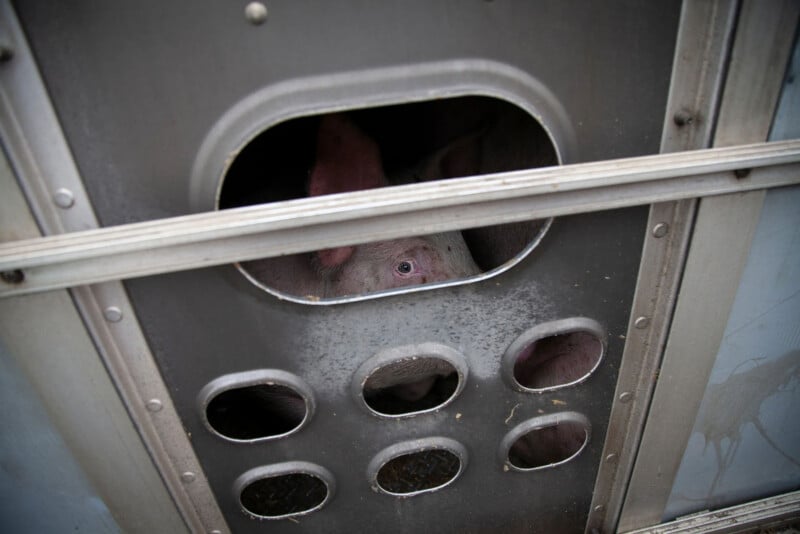
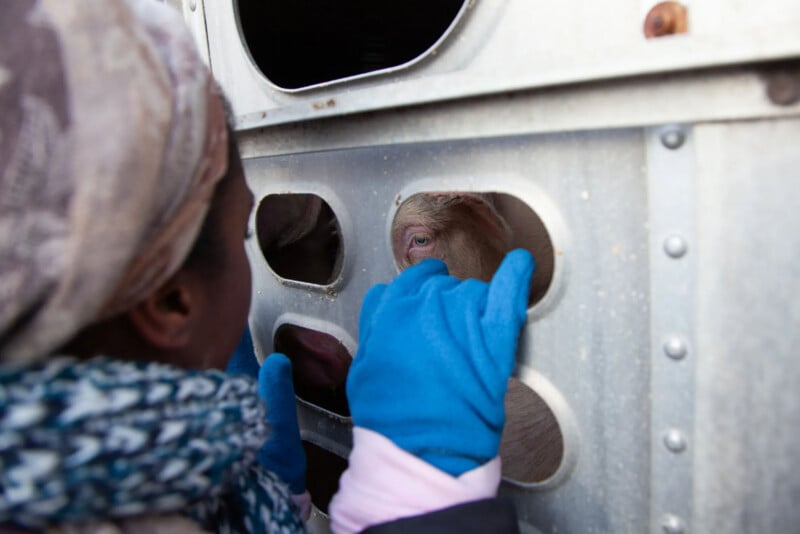
The most profound impact of this year’s contest came from the "Conservation Photography — Thematic Series" category. The first-place winner, a photographer operating under the name "human.cruelties," an animal rights investigator, took home a €1,500 cash prize for their series, Uncovering what’s hidden.
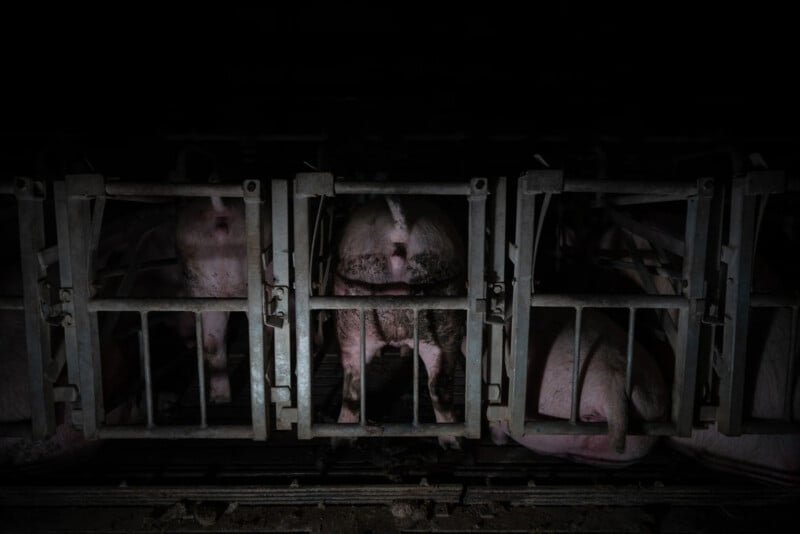
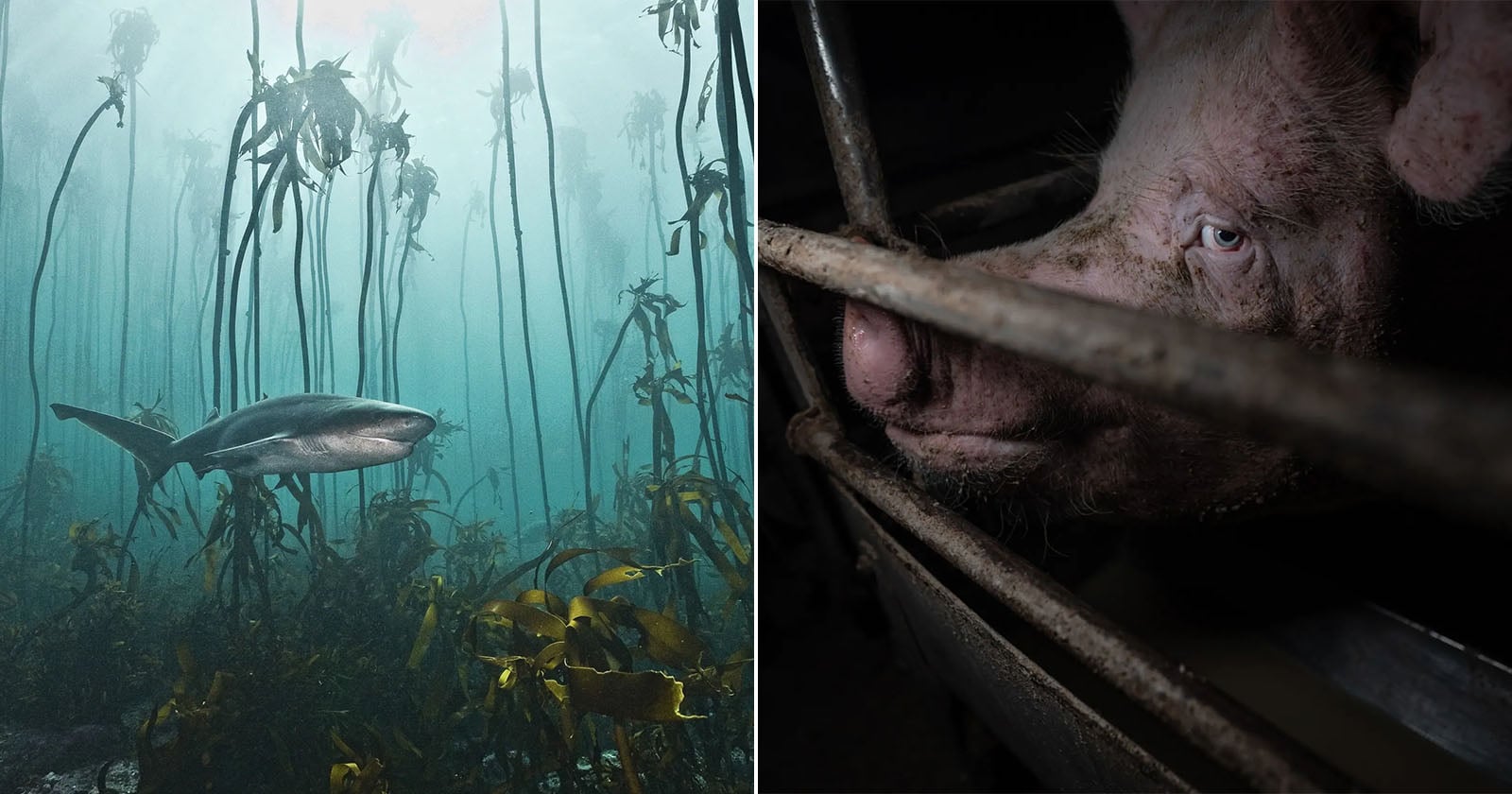
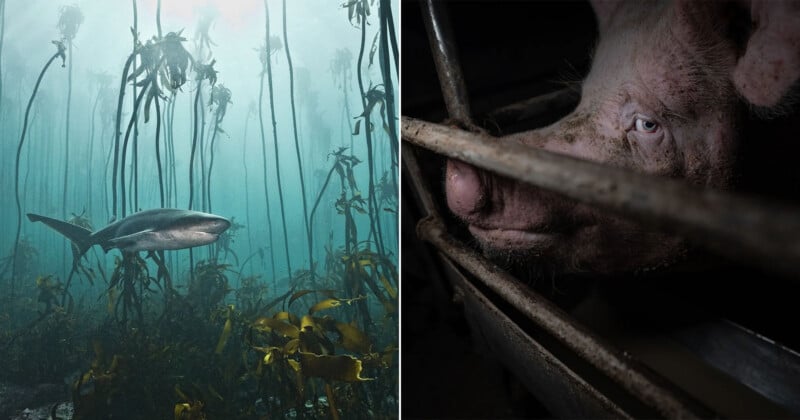
The series is a visceral, unflinching look at industrial livestock farming. Through high-contrast lighting and tight, claustrophobic framing, the photographs capture the reality of gestation crates, dimly lit confinement, and the sterile, mechanical nature of modern animal agriculture. One particularly poignant image, featuring a pig’s eye peering through heavy metal bars, forces the viewer to engage with the animal as a sentient individual rather than a commodity.
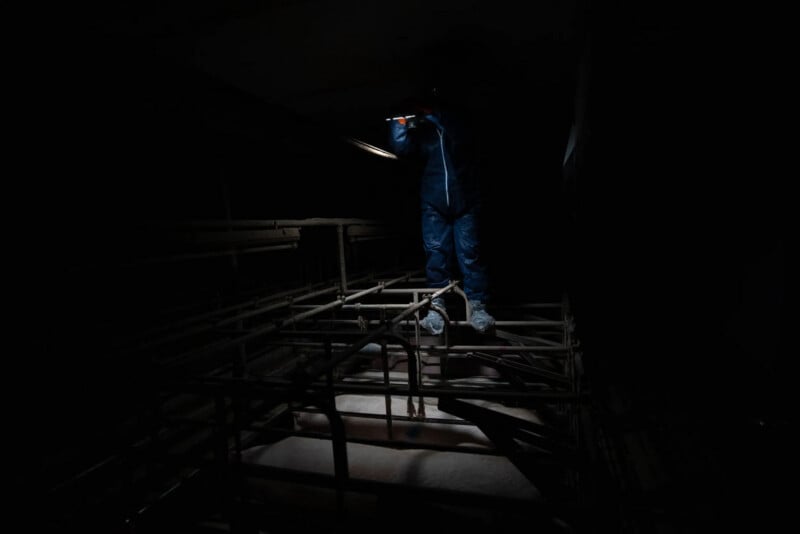
This series challenges the "out of sight, out of mind" mentality that often shields consumers from the realities of their food sources. By documenting the physical environment of these animals, the photographer provides evidence of the psychological and physical toll of industrial confinement.
Notable Winners Across Categories
The Human Toll and Natural Wonders
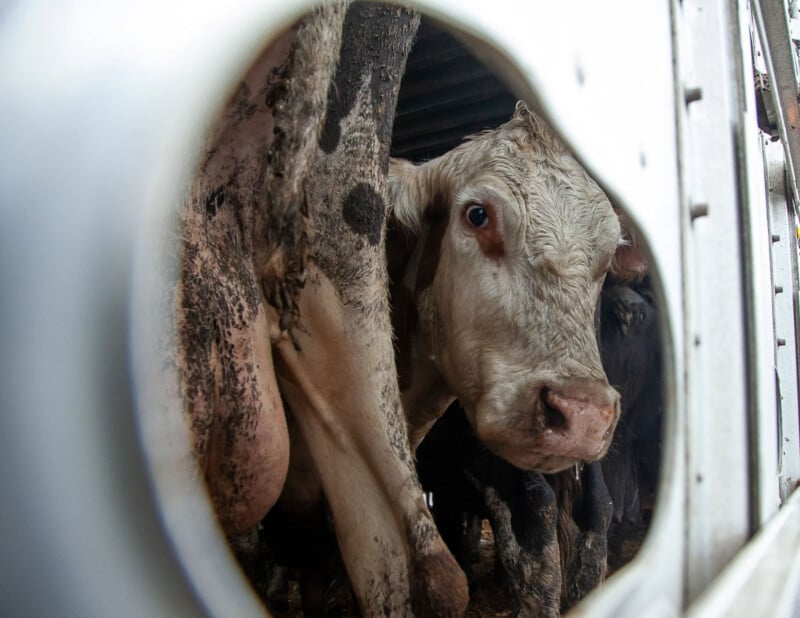
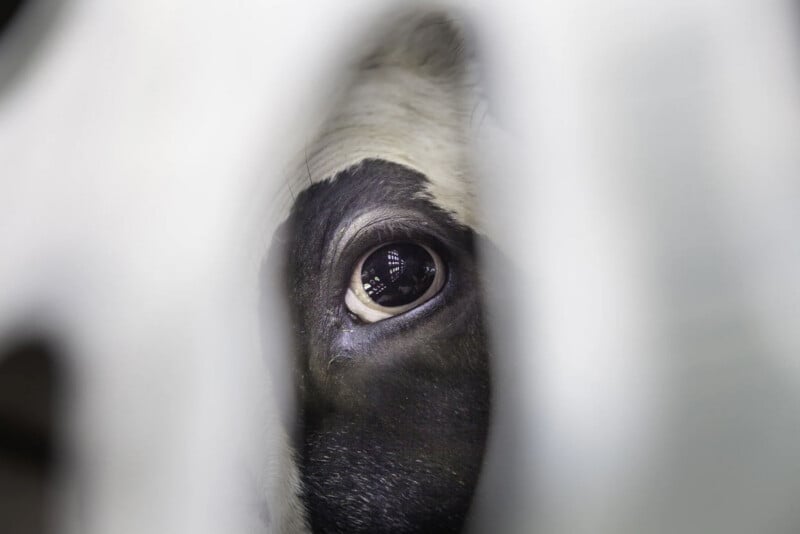
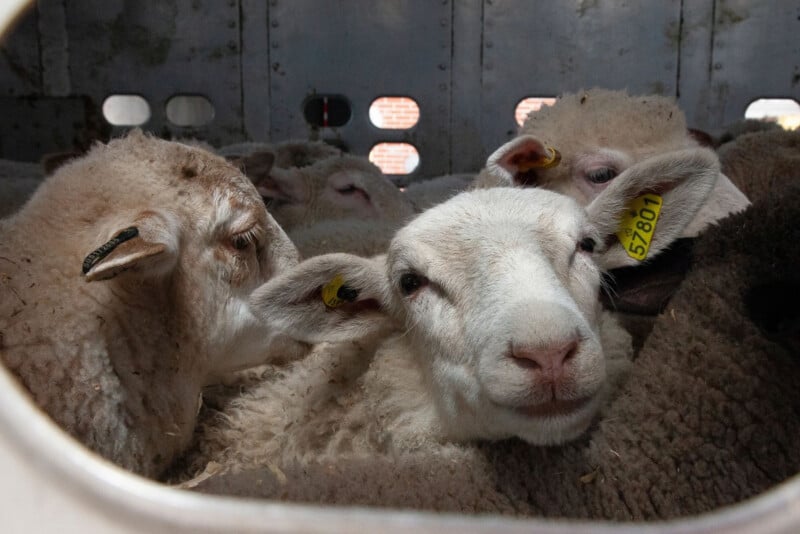
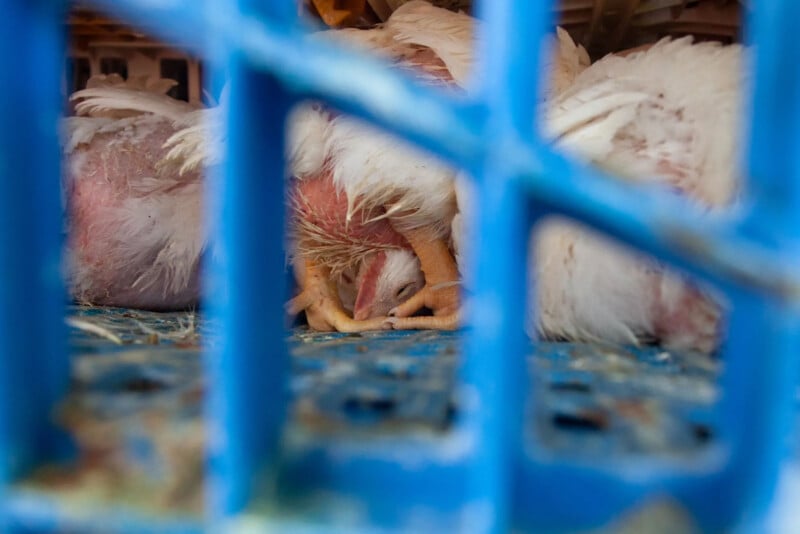
In the "Nature Told by Women" category, Louise Jorgensen’s series, Out of Sight, Out of Mind, echoed similar themes of confinement. Her work documents the transport and holding of livestock, capturing the somber expressions of cows and the crowded conditions of poultry crates. Like other top-tier winners, Jorgensen was awarded a €1,500 prize, reflecting the competition’s commitment to rewarding impactful investigative work.
High-Impact Single Images
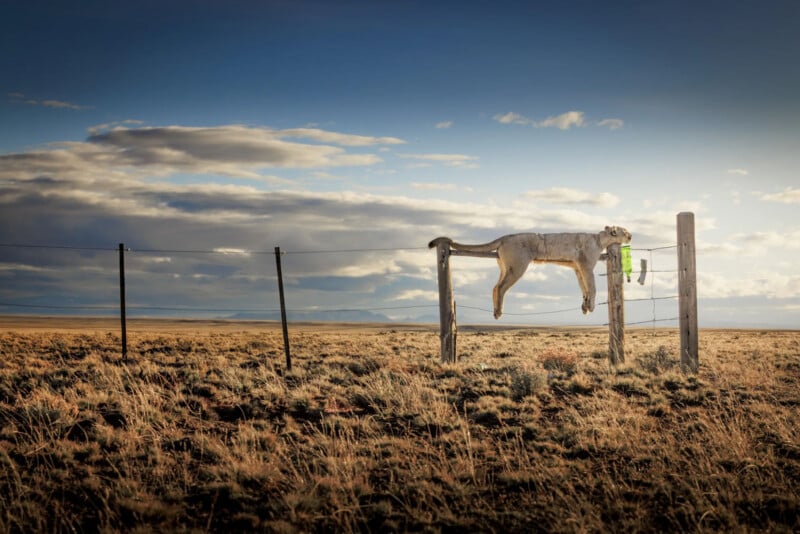
Francisco Negroni secured the top spot in the "Conservation Photography — Single Image" category with Screaming in the wind. The image captures a mountain lion entangled in a barbed-wire fence. It is a haunting metaphor for the encroachment of human infrastructure into wild territories. The visceral tension in the animal’s body against the stark, open grassland creates an immediate sense of urgency regarding habitat fragmentation.
Environmental Hazards in Spain
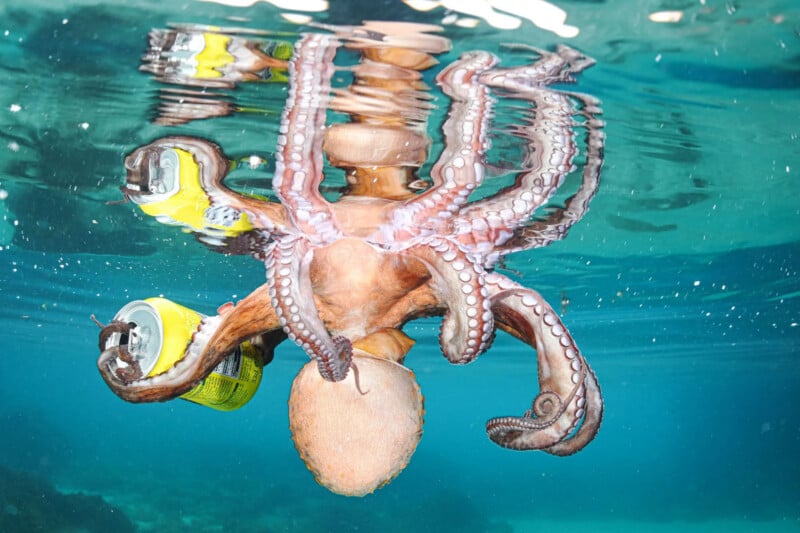
Javier Murcia’s photograph, I want my soda, won the "Conservation Photography — Spain" category. The image, which captures an octopus holding two yellow beverage cans, is a striking, albeit depressing, commentary on the ubiquity of plastic pollution in our oceans. It serves as a visual shorthand for the Anthropocene, where even the most remote marine life is forced to navigate human waste.
Celebrating the Sublime: Wildlife and Landscapes
While the conservation categories focus on the impact of humans, the competition remains a celebration of biodiversity.
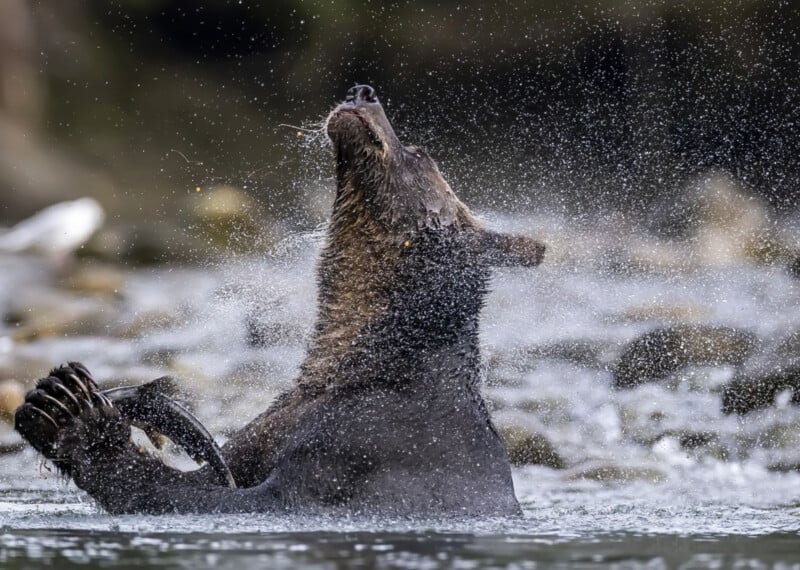
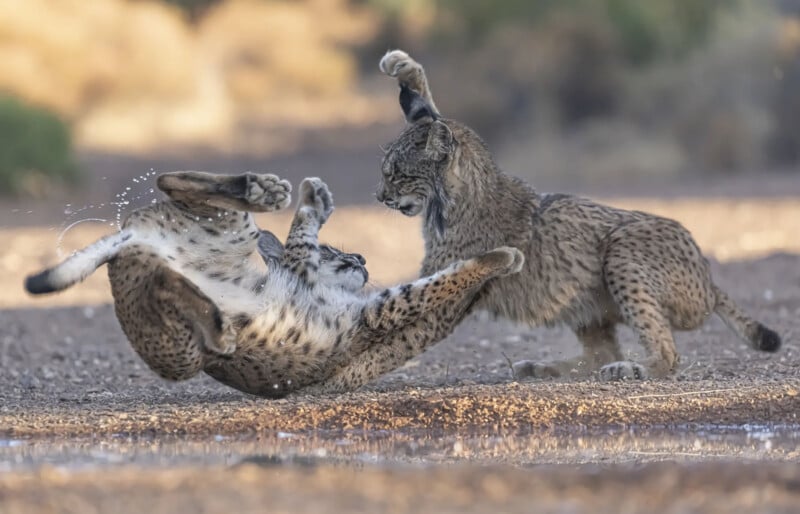
- Daniel Valverde’s Triumphs: Valverde dominated the "Beauty of the Planet" and "Beauty of Spain" categories. His image Shaking Off While Eating captures a grizzly bear in a dynamic, water-spraying moment of life in the wild, while Power Struggle offers a rare, high-action glimpse of wild lynxes in a territorial dispute.
- Mammals and Birds: Hira Punjabi’s Bat Bath showcased technical mastery in capturing a bat in flight over water, winning the Mammals category and a Sony imaging kit valued at €1,700. Andrea Izzotti’s Cormorhunt captured the chaotic beauty of a bird’s dive into a school of fish, earning a €500 voucher at Fotografiarte.
- Ocean and Landscape: Lesley Rochat’s Ghost of the Kelp Forest highlighted the ethereal beauty of marine ecosystems, while Javier Herranz’s Flysch utilized a masterful black-and-white composition to capture the timeless drama of coastal rock formations.
The Youth Perspective
The competition’s commitment to the next generation was evidenced by the "Youth" and "Child" categories.
- Jofre Cutal Gallifa won the Youth category with Vergonya, a thought-provoking image of a primate attempting to manipulate a padlock on its enclosure.
- Alberto Román Gómez took the Child category with A break at 40°C, a minimalist, black-and-white study of a bird perched on a branch.
These entries suggest that younger photographers are increasingly conscious of the themes of captivity and environmental adaptation, continuing the legacy of advocacy-driven photography.
Official Responses and Strategic Implications
The organizers at Fundación DESEA emphasize that this competition is not merely a contest, but a platform for systemic change. By assigning significant monetary prizes and providing high-profile exposure, they aim to legitimize the work of conservation photographers who often operate under extreme personal risk.
The implications for the broader conservation community are clear: imagery remains the most potent tool for public engagement. When a photo of a pig behind bars wins an award, it forces a public dialogue that scientific reports often struggle to initiate. The competition effectively bridges the gap between the scientific community and the general public, using the emotional resonance of art to drive the necessity of policy reform.
Conclusion: The Road Ahead
As the 2026 edition of the Nature and Humans Photo Competition draws to a close, the winning images remain as a collective archive of our current epoch—a time defined by the tension between technological advancement and ecological preservation.
For those interested in participating in the upcoming cycle, the fourth edition is now officially open. The organizers encourage entries that push boundaries, whether they celebrate the untamed beauty of our planet or shine a light on the darkest corners of human industry. With the deadline of September 28, 2026, approaching, the world awaits the next generation of visual storytellers who will continue to document the fragile, complex, and enduring relationship between nature and humanity.
For more information, visit the official website.
 Laily UPN
  Lina Hope