
 By Ali Ikhwan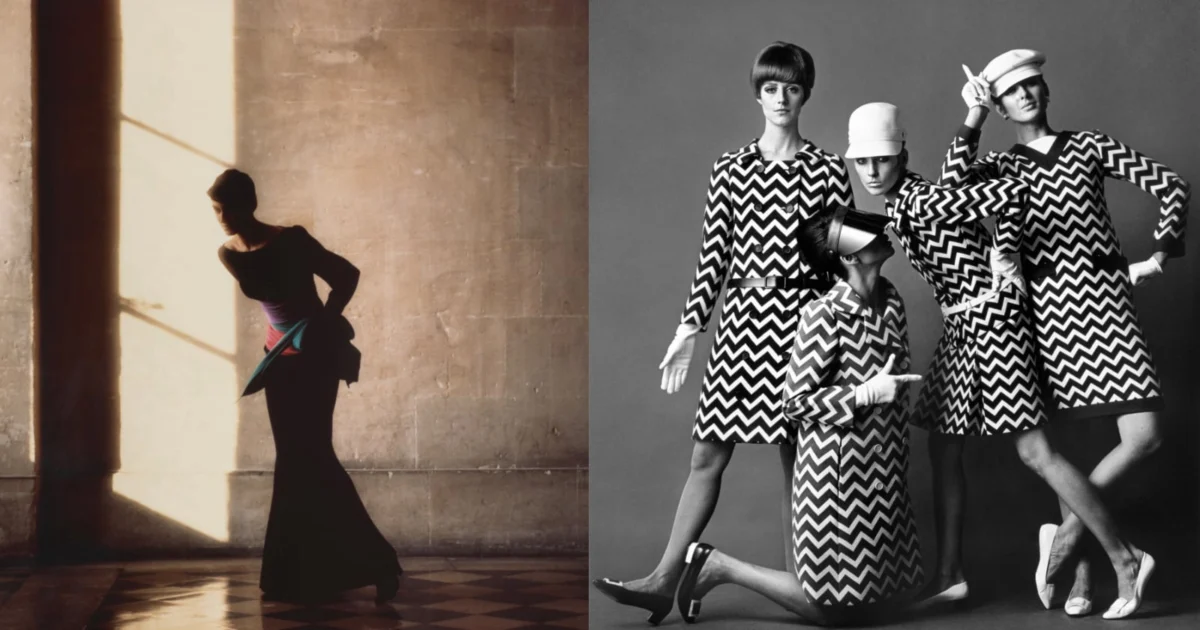
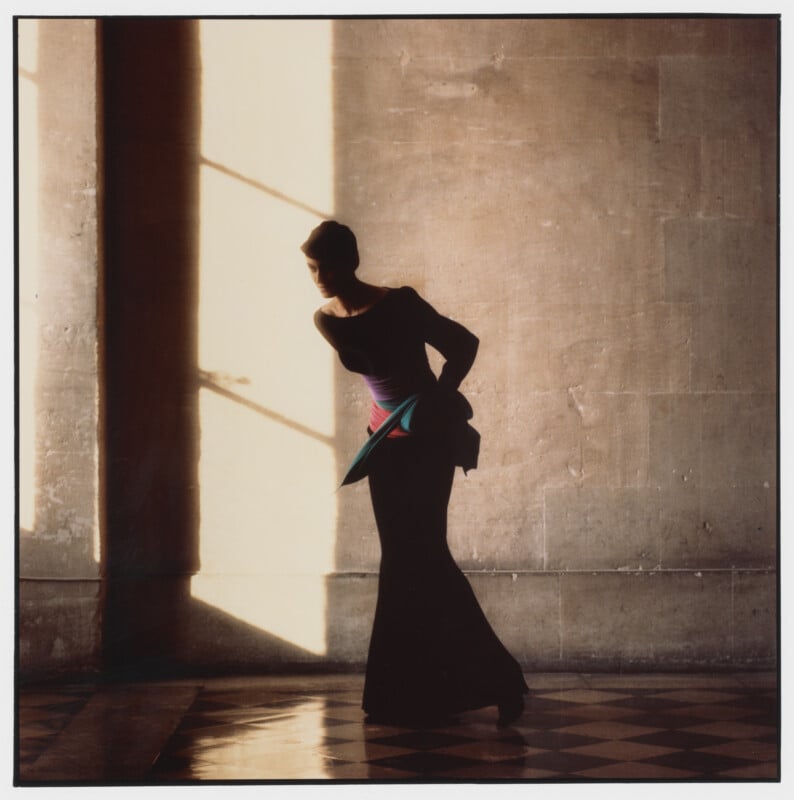
For over four decades, the name Yves Saint Laurent was synonymous with revolutionary fashion. Yet, the mythos of the French couturier was not built by fabric alone. It was meticulously constructed, frame by frame, through a profound and symbiotic relationship with the medium of photography. Now, the International Center of Photography (ICP) in New York invites audiences to pull back the curtain on this creative partnership with its major exhibition, Yves Saint Laurent and Photography, running through September 28.
Bringing together nearly 300 photographs and archival objects, the exhibition is more than a retrospective of garments; it is a deep dive into the visual language that cemented Saint Laurent as a cultural icon. Organized in collaboration with the Musée Yves Saint Laurent Paris and the Fondation Pierre Bergé–Yves Saint Laurent, the show reveals how photography served as both a strategic promotional tool and an essential creative catalyst for one of the 20th century’s greatest designers.
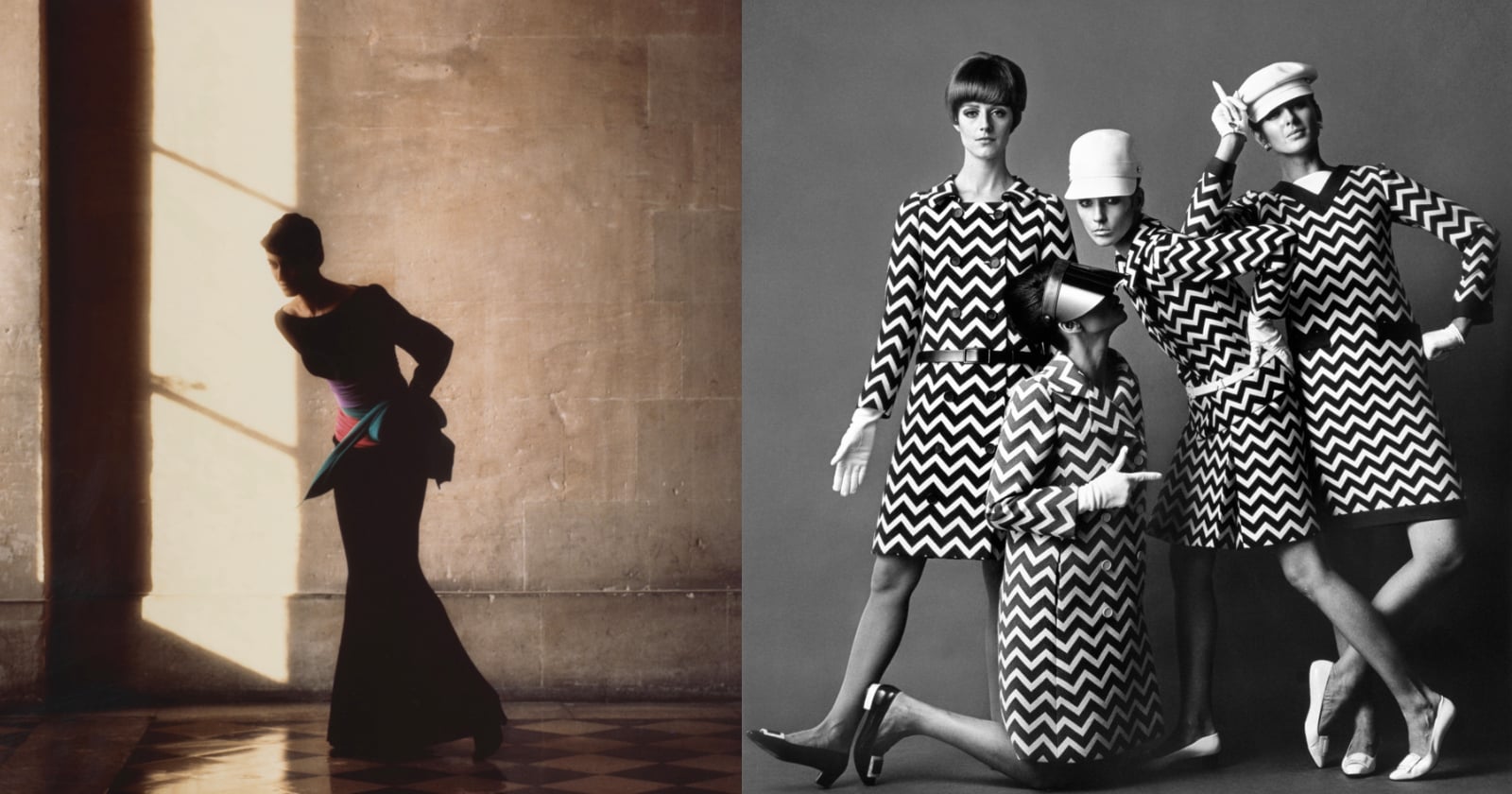
The Symbiotic Evolution: A Chronological Journey
The ICP exhibition is structured to trace the trajectory of Saint Laurent’s career, mapping his stylistic evolution against the shifting landscape of mid-to-late 20th-century photography.
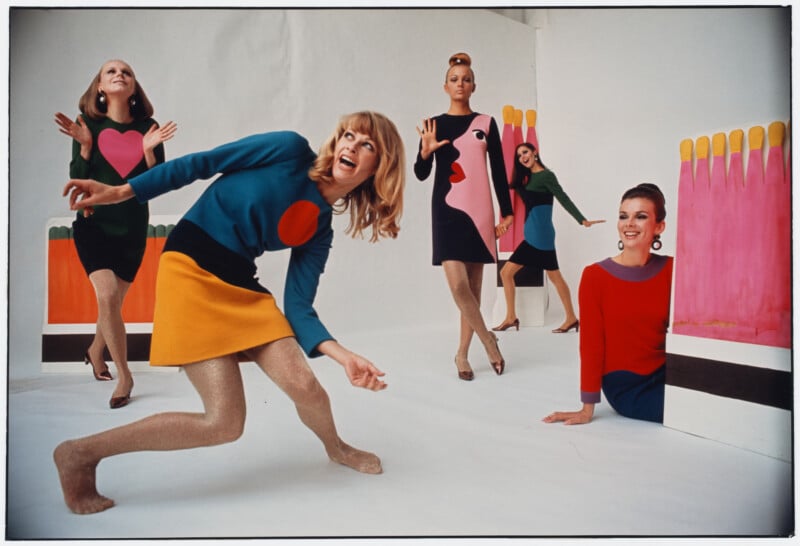
The 1960s: Pop Art and Modernity
The early years of Saint Laurent’s independent house were defined by the energy of the "Youthquake." The exhibition highlights the 1966 Fall/Winter collection, where the designer’s "Homage to Pop Art" cocktail dresses were immortalized by photographers like Jean-Claude Sauer. These images, often published in LIFE magazine, captured the playful, graphic nature of his designs. During this period, photography was used to emphasize the modernity of the Saint Laurent woman—energetic, dynamic, and liberated from the stuffy silhouettes of the past.
The 1970s and 80s: Pushing Gender Boundaries
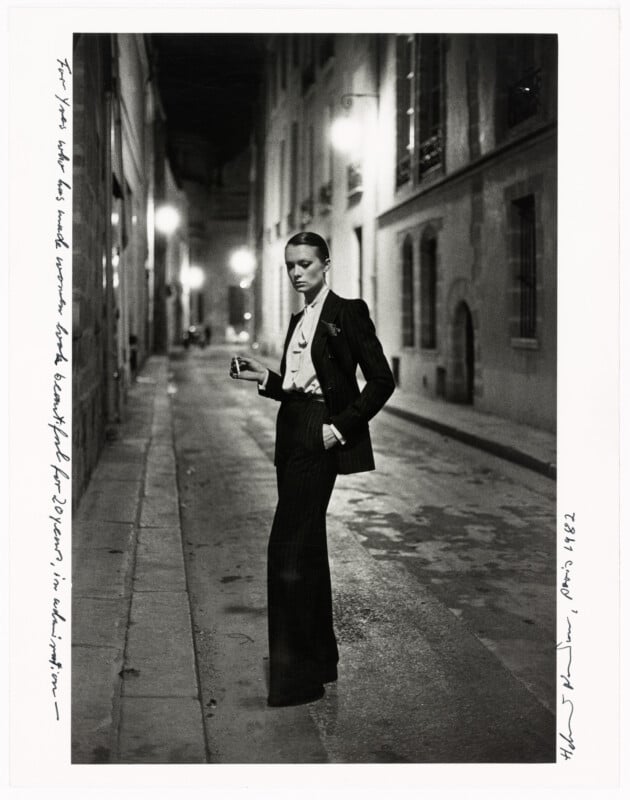
As the 1970s dawned, the collaboration between Saint Laurent and his photographers took a more daring turn. Helmut Newton’s iconic 1975 photograph, Rue Aubriot, is a centerpiece of this era. Featuring a model in a sharp, pinstriped pantsuit standing on a desolate city street, the image challenged the era’s rigid gender expectations. Saint Laurent used photography to redefine power, dressing women in tailored menswear-inspired garments that commanded respect. This era also saw the documentation of his "Rive Gauche" collections, with photographers like Gian Paolo Barbieri capturing the burgeoning supermodel culture, including legends like Christy Turlington and Naomi Campbell, further cementing the brand’s status as a global powerhouse.
The 1990s: Intimacy and the Archive
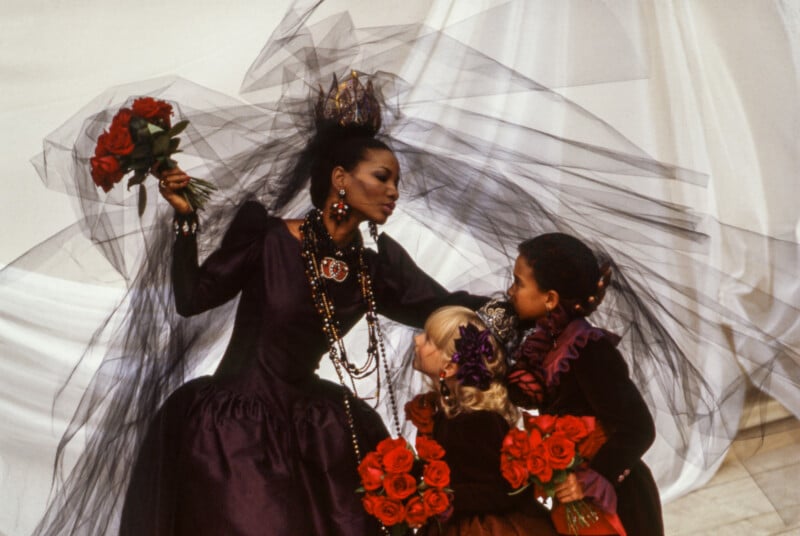
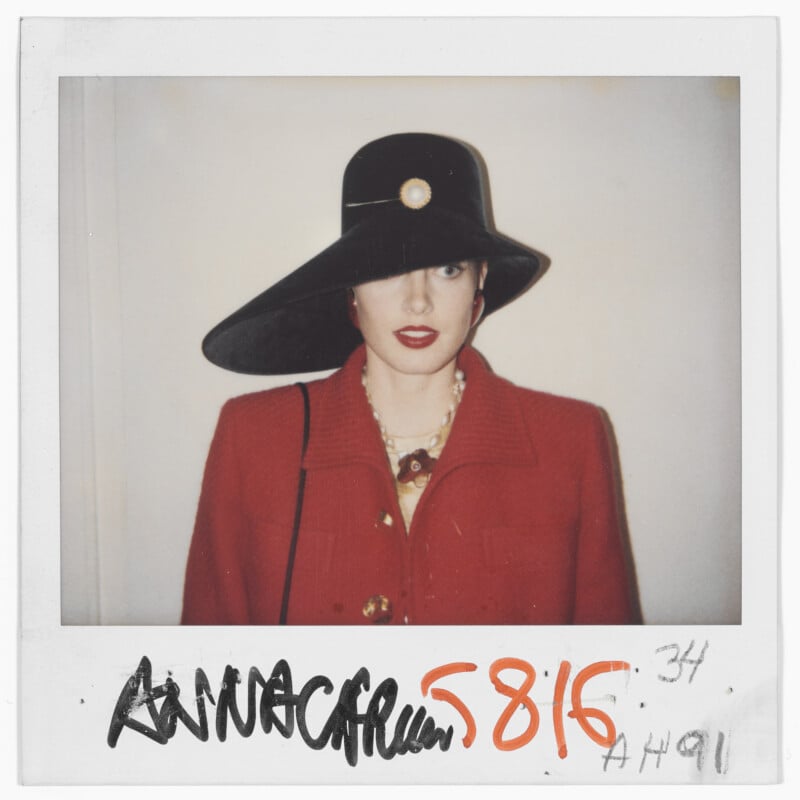
The final section of the exhibition moves toward the 1990s, showcasing how the brand managed its own visual narrative. Alongside professional fashion editorials, the exhibition displays raw, intimate Polaroids taken by the house staff at 5 Avenue Marceau. These "behind-the-scenes" glimpses, showing models in tailored suits or vibrant ensembles, reveal the granular detail of the couture process. They contrast sharply with the polished, high-fashion spreads, providing a holistic view of the atelier’s daily life.
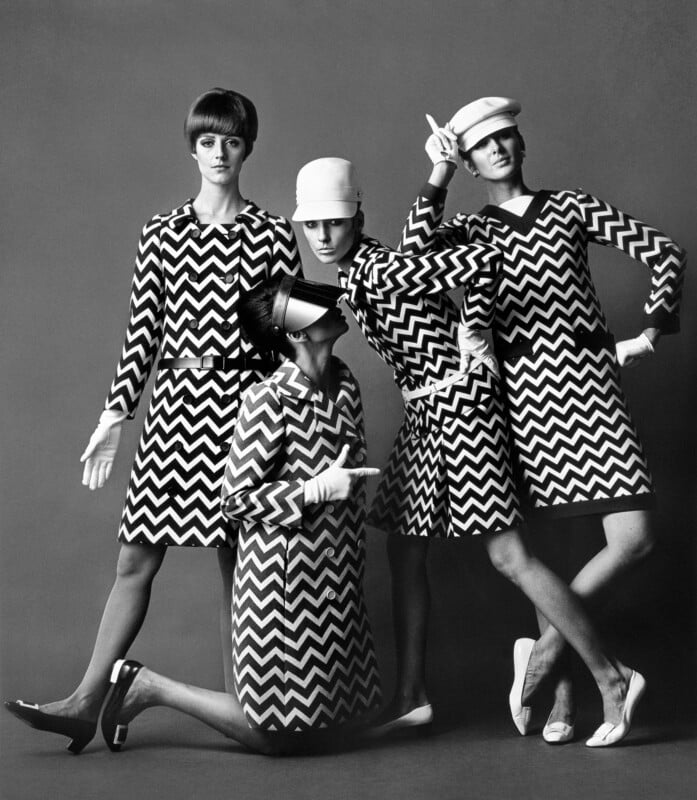
The Masters of the Craft: A Curatorial Masterclass
The exhibition’s strength lies in its curation of legendary talent. The ICP has assembled a "who’s who" of 20th-century photography, demonstrating that Saint Laurent’s influence spanned generations of visual artists.
Key contributors featured in the exhibition include:
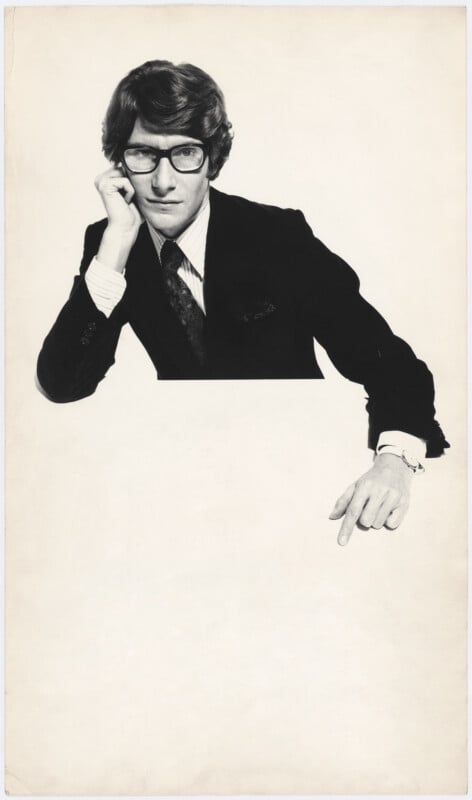
- Irving Penn: Represented by a seminal 1957 portrait of the young designer, capturing the quiet intensity that would define his later work.
- Cecil Beaton: Known for his aristocratic, refined aesthetic, Beaton’s work highlights the timeless, sculptural quality of Saint Laurent’s haute couture.
- Helmut Newton: Whose work for the house redefined the "femme fatale," emphasizing eroticism, strength, and urban grit.
- Annie Leibovitz: Bringing a contemporary, narrative-driven approach to the legacy of the brand.
- Bettina Rheims: Whose 1980s backstage imagery captures the kinetic, often chaotic energy of the runway, stripping away the polish to reveal the human labor behind the glamour.
By placing these diverse voices side-by-side, the exhibition argues that Saint Laurent was not just a passive subject of these photographers; he was an active director, often collaborating closely to ensure that the image produced perfectly aligned with the mood and narrative of the collection.
Supporting Data: The Archive as Evidence
A significant portion of the exhibition—the second section—is dedicated to over 200 archival items. This is where the "making of" the fashion house becomes tangible. For historians and fashion enthusiasts, this section provides the primary evidence of how Saint Laurent’s reputation was manufactured.
The archive includes:
- Contact Sheets: Providing a rare look at the editing process—how a single, perfect image was chosen from dozens of frames.
- Advertising Notebooks: Revealing the strategic planning that went into every campaign.
- Press Clippings: Mapping the global reaction to Saint Laurent’s most controversial and celebrated collections.
- Campaign Catalogs: Documenting the shift from purely descriptive fashion photography to the lifestyle-focused storytelling that dominates modern advertising.
These materials demonstrate that the "Saint Laurent look" was not accidental. It was a calculated, rigorous process that involved constant feedback between the studio, the photographer, and the press.
Implications: The Lasting Mark on Visual Culture
The legacy of Yves Saint Laurent is intrinsically linked to the visual culture of the 20th century. By viewing photography as an extension of the design process, Saint Laurent helped move fashion photography away from mere cataloging toward the realm of fine art.
Redefining the Designer’s Identity
Saint Laurent was notably shy, yet his image—often captured by Harry Meerson and others—became a brand in itself. The exhibition highlights how the designer used his own image to project a sense of intellectual, slightly melancholic genius. By carefully selecting which photographers were granted access to his creative process, he controlled his public persona, effectively "fashioning" his identity as much as he fashioned his clothes.
The Shift in Gender Roles
Perhaps the most significant implication of this photographic history is its role in social change. Saint Laurent’s designs, particularly the Le Smoking tuxedo, were radical departures from gendered expectations. Through the lens of photographers like Newton, these garments were not just seen as clothes; they were seen as political statements. The exhibition makes clear that without the visual narrative provided by these photographers, the social impact of Saint Laurent’s work might have been far less pronounced.
A Blueprint for Modern Branding
Today, every luxury fashion house operates on the premise that the "image is the product." The ICP exhibition serves as a historical blueprint for this modern reality. It shows that the foundations of modern fashion marketing—the use of celebrity, the creation of a "world" around the clothes, and the tight curation of the brand’s visual history—were largely pioneered by the collaboration between Saint Laurent and his photographers.
Official Perspective and Closing Thoughts
"The relationship between Yves Saint Laurent and photography is one of the most significant in the history of fashion," notes the curatorial team at the ICP. By bridging the gap between the Musée Yves Saint Laurent Paris and the New York public, the exhibition performs a vital service: it preserves the ephemeral nature of the runway and the studio.
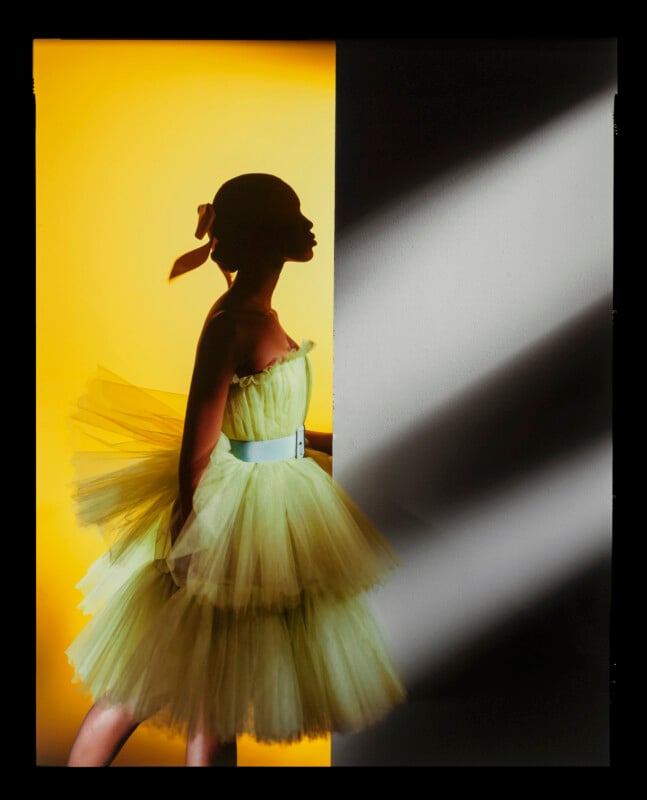
As visitors walk through the gallery, they are not merely looking at photos of dresses; they are looking at the evolution of a cultural zeitgeist. Whether it is the bold, playful colors of the 1960s or the sharp, monochromatic power of the 1980s, the images on display remind us that fashion is a dialogue. It is a conversation between the designer’s needle and the photographer’s shutter—a collaboration that, in the case of Yves Saint Laurent, transformed the way the world sees, interprets, and consumes beauty.
Yves Saint Laurent and Photography is a testament to the fact that while trends fade, the power of a well-crafted image remains timeless. It is an essential visit for anyone interested in the intersection of art, fashion, and the indelible power of the camera.
 Laily UPN
  Reynand Wu
  Lina Hope