
 By Lina Irawan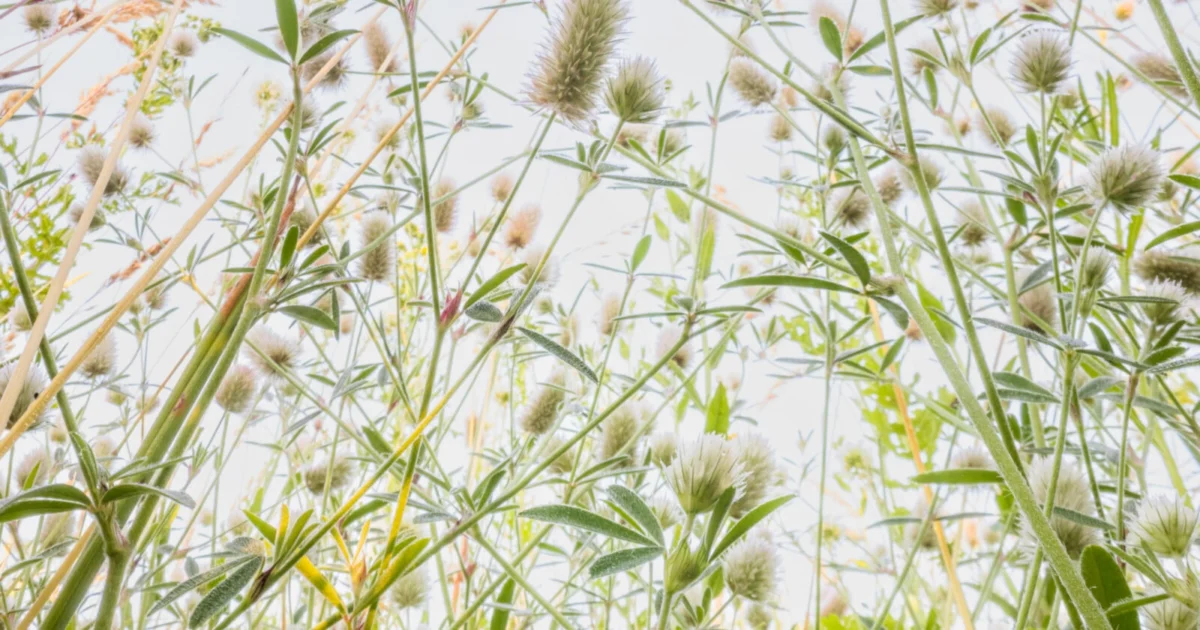
For years, photographer Theo Bosboom stood among the wildflowers of the Netherlands, looking down at the landscape as humans are biologically destined to do. Yet, his imagination was frequently pulled toward the ground. He found himself wondering: What does the world look like to an ant navigating a dense forest of clover? How does a ladybug perceive the towering, verdant spires of a flower stem when it lands for a moment of respite?
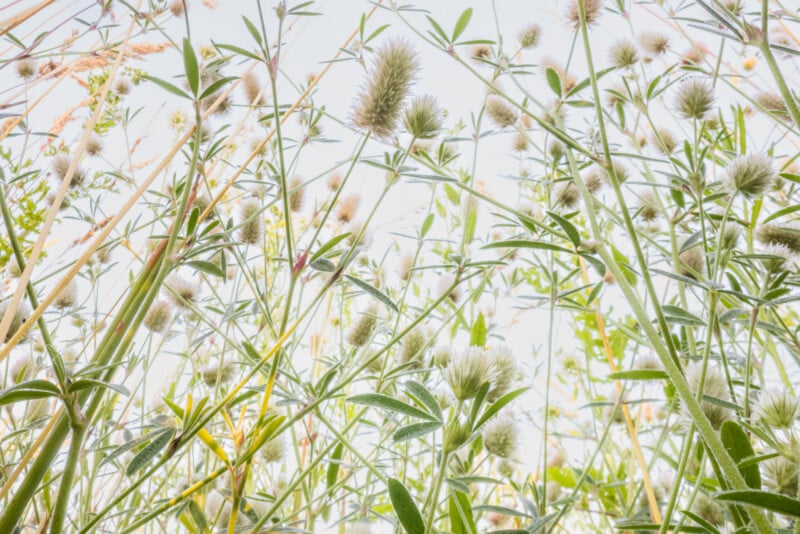
These questions, once relegated to the realm of thought experiments, have now blossomed into a groundbreaking photographic project titled Flowerscapes: A Bug’s Eye Perspective. By utilizing cutting-edge optical technology to bridge the gap between human height and insect-scale vision, Bosboom has unveiled a hidden world of natural geometry, light, and chaotic beauty that has remained largely invisible to the human eye.
The Genesis of an Idea: Bridging the Micro and Macro
The catalyst for this project was not merely a creative urge, but a technical breakthrough. The limitations of traditional macro photography—which often requires bulky equipment and offers a fixed, limited angle—meant that true “bug’s-eye” imagery was largely a technical impossibility.
Everything changed with the release of the Laowa PeriProbe, a specialized, long, narrow wide-angle macro lens. The lens, which functions effectively like a high-end periscope, features a 360-degree rotating tube and a side-mounted optic. This allowed Bosboom to place his camera lens directly at ground level, peering upwards through the stems and petals of wildflowers.
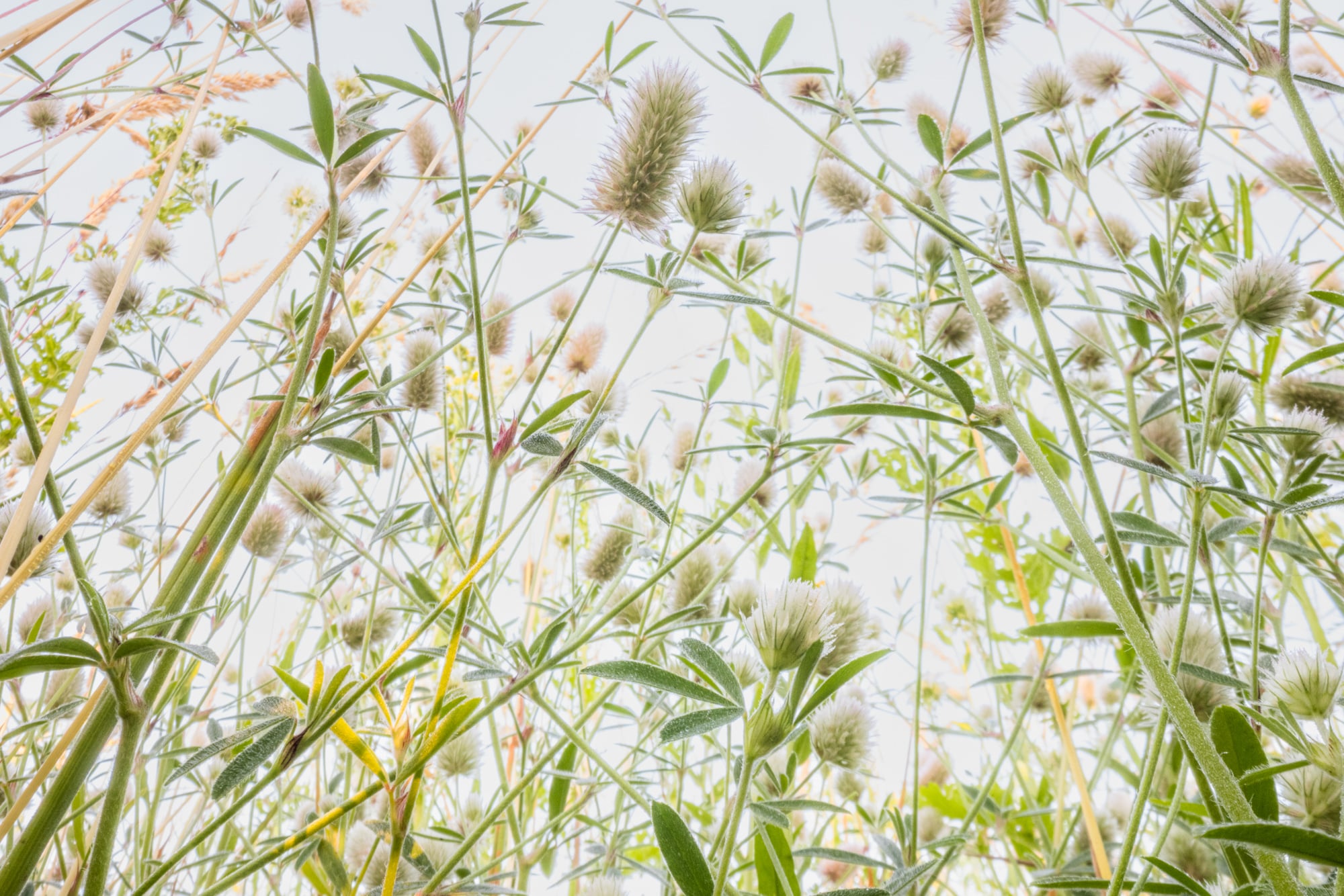
"I felt as though I’d received the key that granted access to a wondrous secret world," Bosboom recalls. This realization marked the beginning of an arduous, multi-year journey across the Netherlands, Germany, and Belgium, exploring verges, dunes, forests, and parks to document the flora of the lowlands from a radically different vantage point.
Chronology of a Botanical Exploration
The evolution of Flowerscapes was as much about patience as it was about discovery.
- 2023: Bosboom, having left a successful legal career to dedicate himself fully to professional photography, began his intensive fieldwork. His primary testing ground was a humble patch of land on the outskirts of his then-home in Harderwijk, Netherlands.
- The Routine: Despite the location being bordered by a busy highway and frequently trafficked by commuters and school children, the site’s proximity (a ten-minute walk) proved invaluable. It allowed Bosboom to capitalize on fleeting lighting conditions and the delicate cycles of plant growth.
- The Iteration Phase: Early sessions were defined by the challenges of the equipment. Because the PeriProbe is a manual-focus, manual-aperture instrument designed originally for cinema, Bosboom had to master a steep learning curve. He spent months refining his ability to "organize the chaos" of a meadow into a coherent, visually pleasing composition.
- Present Day: The project has culminated in a dedicated photobook, Flowerscapes, which serves as a definitive catalog of his findings and a testament to the aesthetic potential of the insect perspective.
The Technique: Mastering the "Periscope"
The technical requirements of the Flowerscapes project were immense. Working with the Laowa PeriProbe is far from intuitive.
The Optical Challenges
The lens boasts an 85-degree field of view with a 2:1 macro magnification ratio, capable of focusing on subjects as close as 2cm. However, these specs come with significant trade-offs. The maximum aperture is fixed at f/14, meaning the lens requires an immense amount of light to function effectively. Furthermore, the image appears upside down in the viewfinder, forcing the photographer to rely heavily on the flip-out screen of his Canon R5 and a rigorous manual workflow.
Light, ISO, and Noise Management
Because the high f-stop of the lens necessitates longer exposure times or higher sensitivity, Bosboom had to abandon traditional low-ISO landscape standards. He frequently operated at ISO levels between 1000 and 5000 to ensure shutter speeds were fast enough to counteract the movement of flowers in the breeze.
"This is quite unusual for plant photography," Bosboom acknowledges. To maintain image integrity at these high sensitivities, he integrated modern post-processing workflows, utilizing AI-driven noise-reduction tools such as Lightroom’s Denoise, Topaz Denoise, and Nik Dfine to produce clean, high-resolution final prints.
Supporting Data: Compositional Logic
One of the central tenets of Flowerscapes is the deliberate organization of visual space. According to Bosboom, simply pointing a lens upward is not enough; the resulting image often devolves into cluttered, unreadable noise.
To create a compelling image, Bosboom employs several key strategies:
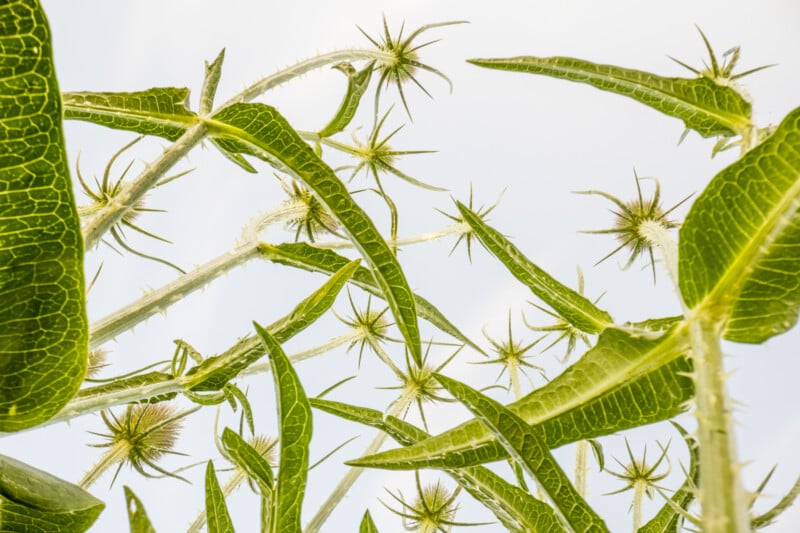
- Subject Separation: He seeks out species that grow with enough spacing between stems to allow for clear negative space.
- Focus Anchors: He identifies a primary subject—such as a central Hare’s-foot clover—to act as a visual "anchor" where the viewer’s eye can settle.
- Atmospheric Lighting: He favors shade or overcast days, which provide soft, even illumination. Even when the sun does intrude, he treats it as a compositional tool, using the subtle light flares to add color accents rather than letting them overwhelm the scene.
- Botanical Selection: By choosing younger, newly sprouted plants, he ensures that the subjects are intact, free of the decay or damage that often characterizes older vegetation.
Official Perspectives on Nature and Conservation
Beyond the technical prowess required for the project, Bosboom maintains that Flowerscapes serves a deeper, environmental purpose. In an era where photography is often criticized for the "over-saturation" of familiar landscapes, he believes that changing the perspective is the only way to re-engage the public with the natural world.
"New perspectives in photos are extremely helpful to draw attention to your subject—in this case, wildflowers in our environment which are under severe pressure," Bosboom explains. By forcing the viewer to look at a weed or a patch of clover with the same reverence usually reserved for dramatic mountain ranges or grand vistas, he hopes to instill a greater sense of stewardship for the local flora that is currently threatened by urbanization and climate change.
Implications for Modern Nature Photography
The success of the Flowerscapes project carries significant implications for the future of landscape and macro photography.
First, it highlights the necessity of "niche specialization." As photography equipment becomes more accessible, the value of a professional image lies increasingly in the unique approach rather than the subject matter itself. Bosboom’s work proves that there are still "new" ways to photograph the "old" world.
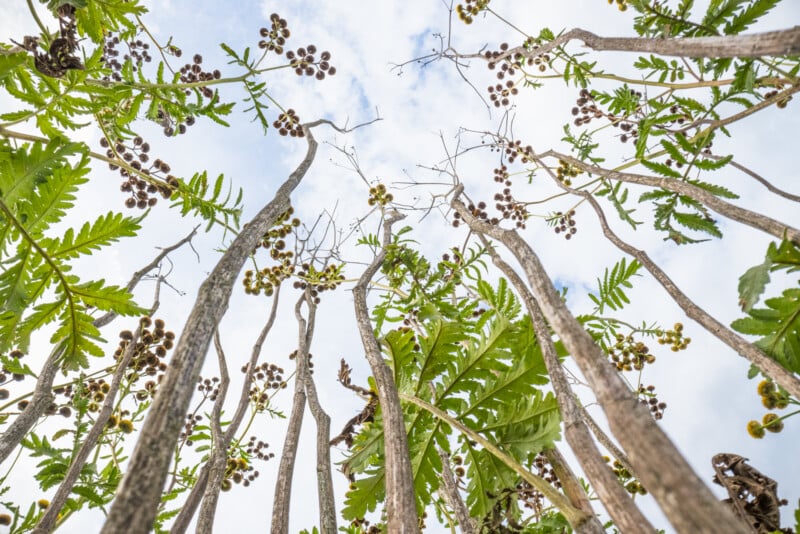
Second, it underscores the importance of technical adaptability. Bosboom’s willingness to embrace a tool designed for cinema, and his ability to integrate high-ISO digital workflows with the organic nature of field photography, represents a new frontier for professionals. It suggests that the future of photography is increasingly a hybrid of optical innovation and software-based enhancement.
Finally, the project serves as a reminder of the quiet, miniature beauty that exists in the "non-places" of our world—the patches of grass near highways, the park edges, and the roadside verges. By documenting these spaces with such intensity, Bosboom has transformed the mundane into the majestic.
For those interested in exploring this secret world further, Flowerscapes: A Bug’s Eye Perspective is available via Theo Bosboom’s website. His transition from the courtroom to the wildflower field serves as a compelling narrative of a photographer who, by changing his perspective, has successfully changed the way we view the ground beneath our feet.
This article was produced in collaboration with ELEMENTS Magazine. For more insights from the world’s leading landscape photographers, including Hans Strand and Rachael Talibart, consider an annual subscription to ELEMENTS. Readers of PetaPixel can use the code PETAPIXEL10 for a 10% discount.
 Reynand Wu
  Basiran
  Muslim