
 By Ali Ikhwan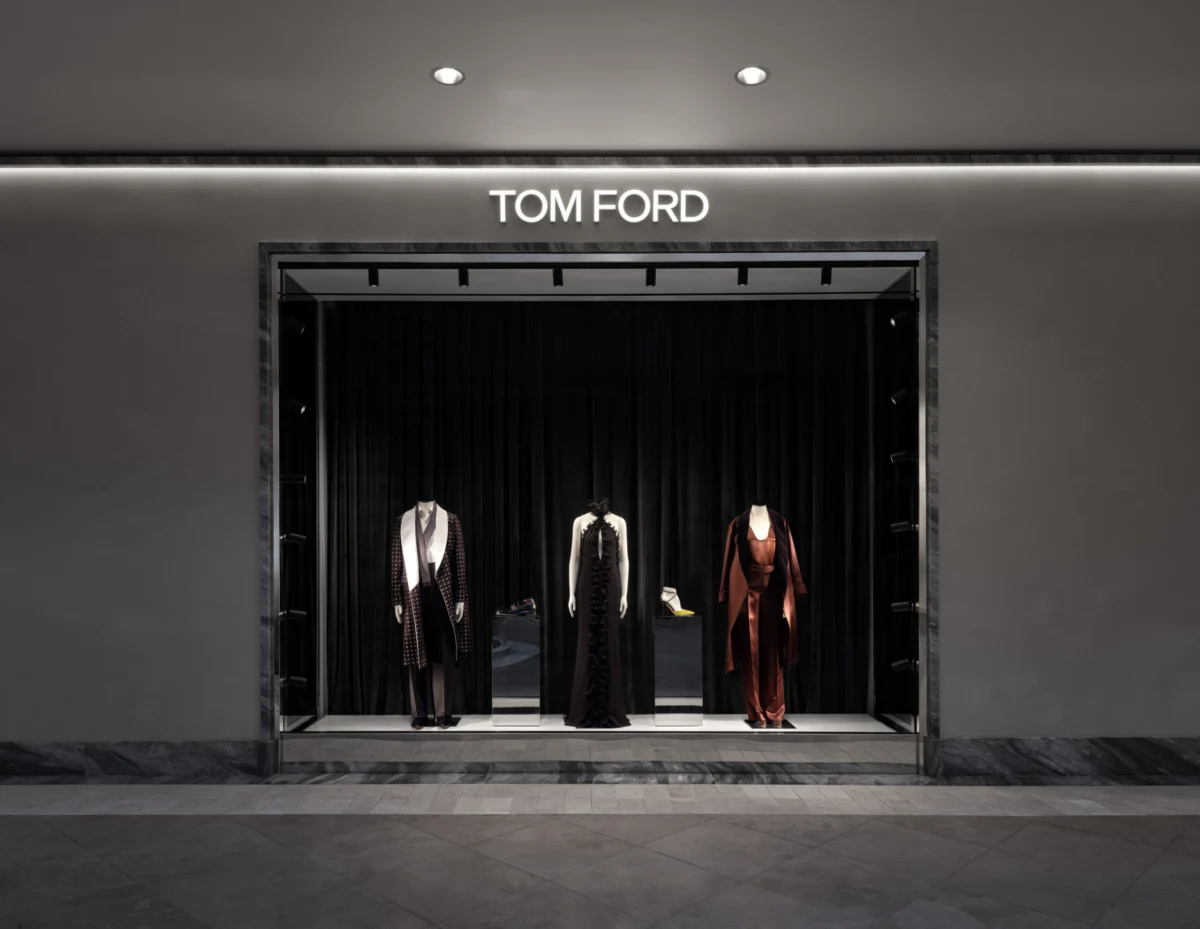
MILAN — In a move that underscores the enduring allure of the American luxury market, Tom Ford Fashion is aggressively expanding its physical footprint across the United States. The brand, currently navigating a pivotal era of creative and commercial repositioning, has announced the opening of three flagship-level boutiques in key strategic locations: Costa Mesa and San Diego, California, and the iconic Bal Harbour, Florida.
This expansion is not merely a geographic play; it represents a fundamental shift in how Tom Ford Fashion intends to manage its brand narrative and client relationships. By moving toward a more robust, directly operated retail network, the brand is positioning itself to capture the full value of its high-end consumer base while reinforcing its status as a complete luxury powerhouse.
Main Facts: The New Retail Frontier
The three new locations are designed to be more than just points of sale; they are immersive brand environments. The Costa Mesa boutique, located in the prestigious Jewel Court of South Coast Plaza, serves as the centerpiece of this expansion. Spanning 4,428 square feet, the store reflects a sophisticated architectural language—a blend of Carrara Nuvolato marble, limestone plaster, and polished chrome.
The interior design is highly segmented to provide a curated experience for the luxury shopper. The women’s area features elegant Newport white marble, while the cosmetics and fragrance sections are anchored by Cala Paonazzo stone. The men’s section adopts a more masculine, bold aesthetic with black granite. Perhaps most indicative of the brand’s focus on "intimate luxury," the store includes private lounges equipped with fireplaces, designed to facilitate a bespoke, unhurried shopping experience.
Similar, albeit slightly smaller, boutiques are set to open their doors in Bal Harbour and San Diego later this month. These locations will mirror the material palette of the Costa Mesa flagship, ensuring a consistent global brand identity while catering to the specific, high-net-worth demographics of these coastal hubs.
Chronology: A Brand in Evolution
The journey of Tom Ford Fashion to this point has been marked by significant structural changes and a vision for long-term growth.
- 2005: Tom Ford launches his namesake brand, setting the standard for modern luxury and "sex-sells" glamour.
- 2006: The Estée Lauder Companies initiates its long-term partnership with the brand through Tom Ford Beauty.
- November 2022: A landmark moment in the industry occurs when The Estée Lauder Companies acquires the entirety of the Tom Ford brand in a transaction valued at $2.8 billion.
- September 2023: Lelio Gavazza is appointed CEO of Tom Ford Fashion, tasked with overseeing the brand’s integration and growth strategy under the new ownership structure.
- 2024: Creative visionary Haider Ackermann is appointed as creative director, tasked with ushering the brand into a new aesthetic era.
- September 2026: Tom Ford Fashion presents its daring fall collection at Paris Fashion Week, receiving critical acclaim and signaling a revitalized design language.
- Present Day: The brand completes its trio of U.S. store openings, signaling a move toward a retail-first, direct-to-consumer business model.
Supporting Data: Commercial Momentum
The push for physical expansion is supported by encouraging financial performance. In the first half of the current fiscal year, the Ermenegildo Zegna Group—which holds the long-term license for Tom Ford Fashion—reported that the brand generated 156.8 million euros in revenue. This represents a 2.7 percent increase year-over-year in nominal terms, but more impressively, a 6.4 percent growth on an organic basis.

These figures reflect the broader success of the Zegna Group, which saw overall sales rise 6.4 percent to 987.3 million euros. The growth in the Tom Ford segment is largely attributed to the successful reception of the spring collections under the guidance of Haider Ackermann.
Currently, Tom Ford Fashion maintains a global portfolio of 67 directly operated stores, with 13 of those located within the U.S. prior to these new openings. The shift toward a retail-heavy model is a calculated response to the brand’s desire to reduce its reliance on wholesale channels—which, while still important for selective distribution, are no longer the primary engine of long-term brand equity.
Official Responses: The Philosophy of Retail
Lelio Gavazza, the CEO of Tom Ford Fashion, has been vocal about the necessity of this retail-first approach. During his recent commentary to WWD, he emphasized that the "U.S. is a key market… and an important engine of our growth."
"The strength of the business comes from the combination of a powerful and distinctive brand, a loyal and highly engaged client base, and the continued evolution of our men’s and women’s collections," Gavazza stated. "Our direct-to-consumer model allows us to build closer relationships with our clients and translate strong brand desirability into sustained organic growth."
A critical component of this retail experience is the focus on made-to-measure tailoring. According to Gavazza, this is a "true differentiator" for the brand. By leveraging the technical prowess of the Ermenegildo Zegna Group, Tom Ford Fashion is able to offer a bespoke service that appeals deeply to the American luxury consumer. This service not only drives sales but serves as an anchor for client loyalty, reinforcing the perception of Tom Ford as a complete, comprehensive luxury fashion house rather than a label defined by a single product category.
Implications: The Path Ahead
The strategic decision to expand in the U.S. carries several implications for the luxury landscape:
1. The Power of Direct Engagement
By prioritizing direct-to-consumer channels, Tom Ford Fashion is reclaiming control over its pricing, inventory, and, most importantly, the customer experience. In an era where third-party retailers often dilute brand identity through heavy discounting, the ability to maintain full-price integrity in a brand-controlled space is invaluable.

2. Diversification of Product Focus
The brand is clearly signaling an intent to grow its women’s ready-to-wear category. As noted by Zegna Group leadership, there are significant "untapped daywear opportunities" within the women’s segment. By providing the physical space to showcase these collections alongside established categories like eyewear, fragrance, and beauty, the brand is effectively encouraging cross-category consumption.
3. Synergistic Partnerships
The partnership between The Estée Lauder Companies (the owner) and the Ermenegildo Zegna Group (the operator) is proving to be a robust model. Zegna provides the manufacturing and tailoring expertise required for high-end fashion, while Lauder provides the global infrastructure and marketing power to sustain the brand’s massive beauty and fragrance footprint. This "best-of-both-worlds" arrangement allows Tom Ford to scale without compromising on quality.
4. The "Retail-as-Destination" Trend
The inclusion of private lounges and fireplaces in the new stores is a direct response to the changing habits of high-net-worth individuals. These clients are no longer looking for a transactional "grab-and-go" experience; they are looking for hospitality, privacy, and an environment that mirrors the exclusivity of their lifestyles.
Conclusion
As Tom Ford Fashion looks toward the future, the combination of creative revitalisation under Haider Ackermann and the tactical expansion of its physical retail network places the brand in an enviable position. The U.S. market, ever competitive and demanding, remains the testing ground for the brand’s global ambitions.
With the new boutiques in Southern California and Florida, Tom Ford is not just adding square footage; it is building a fortress around its brand identity. By prioritizing the intimacy of the in-store experience and the precision of made-to-measure tailoring, the brand is successfully transitioning from a designer-led label into a legacy luxury institution capable of sustaining growth for decades to come. As the brand continues to "pump up the volume" on its visibility, the industry will be watching closely to see how effectively it can capture the hearts—and wallets—of a new generation of American luxury consumers.
 Reynand Wu
  Suro Senen
  Siti Muinah