A newly released monograph is shedding light on the nascent years of one of the 20th century’s most visionary image-makers. Titled FrankHorvat. The Birth of a Photographer / La naissance d’un regard and published by Kehrer Verlag, the book brings together approximately 100 striking black-and-white photographs captured during Horvat’s extensive travels through India and Pakistan in 1952 and 1962.
Long before he cemented his legacy as a titan of haute couture and avant-garde fashion photography—revolutionizing the genre by bringing lightweight 35mm cameras and unscripted reportage techniques out of the photojournalism realm and onto the fashion runway—Horvat was a 25-year-old traveler seeking to make sense of a post-colonial South Asia.
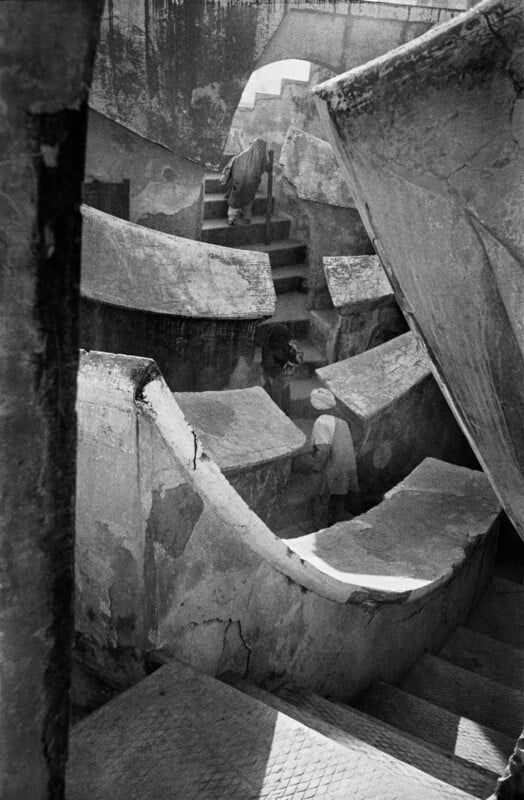
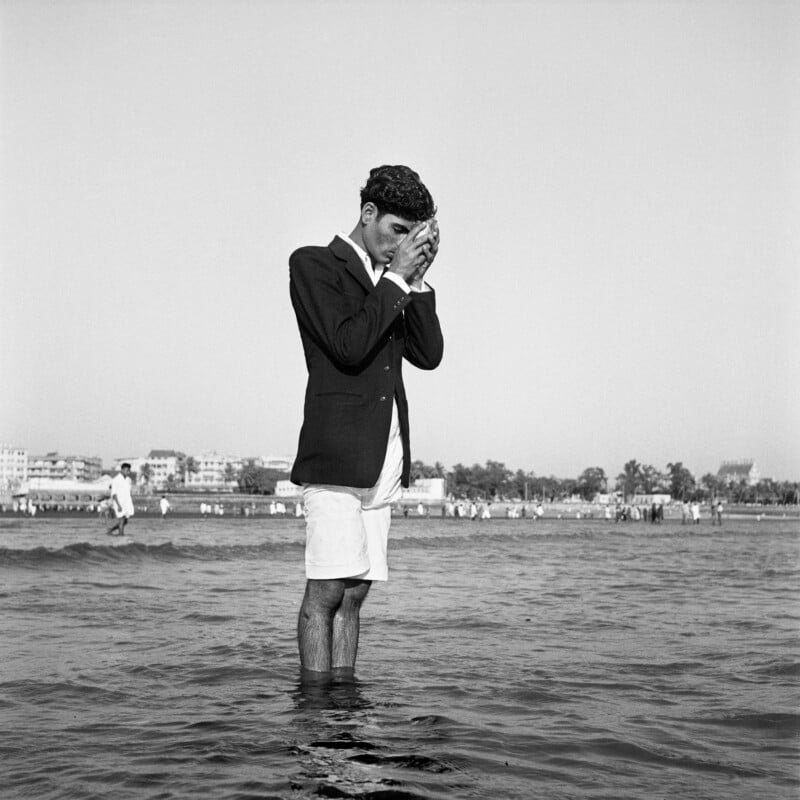
The publication serves as a visual autobiography of sorts, capturing the exact juncture where an ambitious young creative transitioned into an empathetic visual storyteller. Featuring rare frames ranging from bustling bazaars in Lahore and the quiet, introspective moments of everyday life in Karachi, to sweeping architectural geometries at New Delhi’s Jantar Mantar and poignant assemblies in Calcutta, the book offers an unprecedented look at the foundational worldview of a master photographer.
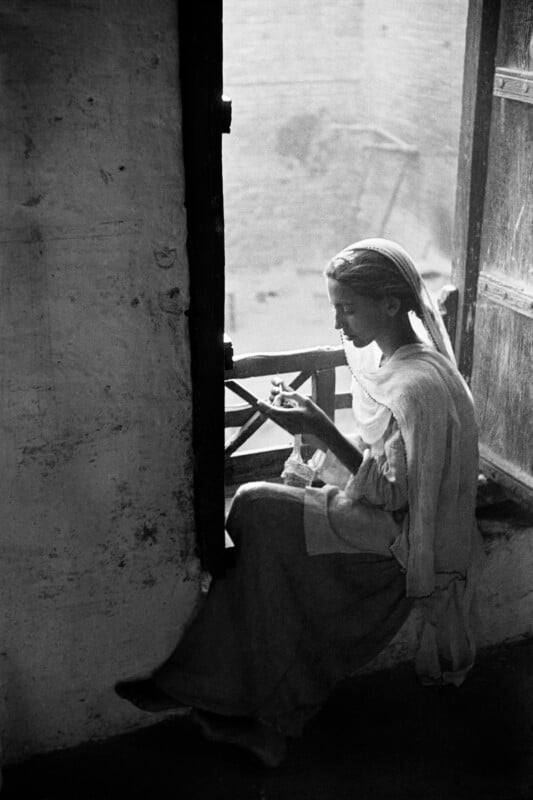
Among the standout inclusions is a celebrated 1952 portrait of a Pakistani bride—an image so powerful that legendary curator Edward Steichen handpicked it for inclusion in the Museum of Modern Art’s (MoMA) landmark 1955 exhibition, The Family of Man.
Chronology: Tracing the Path to South Asia
To understand the weight of Horvat’s South Asian archive, one must trace the trajectory of a life marked by displacement, cross-cultural curiosity, and relentless reinvention.
Early Life and World War II (1928–1945)
Frank Horvat was born in 1928 in Abbazia, Italy (now Opatija, Croatia), to a middle-class Jewish family. His early years were overshadowed by the geopolitical tumult of World War II. As a young Hungarian Jewish refugee, Horvat sought safety in Switzerland. It was during this turbulent wartime period in Switzerland that Horvat had his very first formative encounter with South Asian culture: he observed Indian soldiers stationed with the Allied forces. This brief, exotic encounter planted a psychological seed that would germinate a decade later.
The Formative Journeys to India and Pakistan (1952–1953)
In 1952, at just 25 years of age, Horvat embarked on what he would later describe as the most important journey of his life. Armed with his camera and a profound sense of inquiry, he spent two years traversing India and Pakistan. During this epoch, he did not travel as a detached tourist, nor as a commercial mercenary. Instead, he moved through red-light districts, rural villages, and dense urban centers with the patience of an anthropologist.
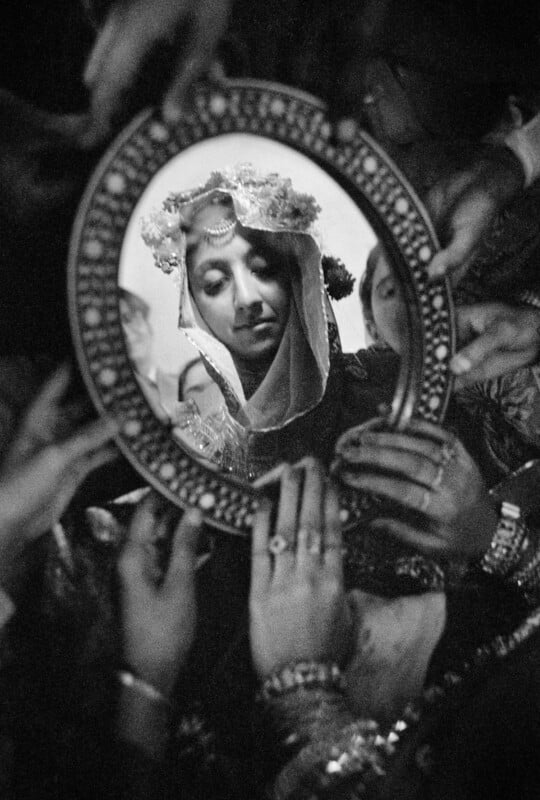
His lens captured striking vignettes of human existence: a husband lifting a mirror to reveal his wife’s face in Lahore; people navigating the brutalist stone staircases of historical astronomical observatories; and intimate glimpses of citizens listening to political and social speeches. These images were quickly dispatched back to Europe and the United States, finding homes in prominent magazines and establishing his international reputation well before his foray into fashion.
The Return in 1962
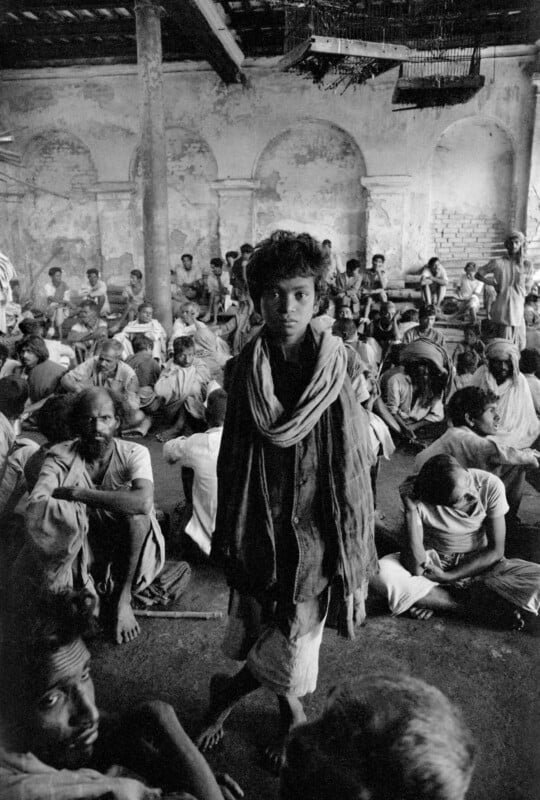
A decade after his initial expedition, Horvat returned to the Indian subcontinent in 1962. By this time, his eye had matured, tempered by the rapid evolution of his emerging career in editorial and fashion photography. His 1962 frames—such as the atmospheric beggar assemblies and striking street-level compositions in Calcutta—demonstrated a heightened command of light, shadow, and social commentary.
The Fashion Years and Global Acumen (Mid-1950s–1980s)
Following his initial return from Asia in the mid-1950s, Horvat pivoted toward fashion photography. Operating primarily out of Paris, he shattered conventions. Traditionally, fashion photography was bound to the rigid, static confines of the indoor studio, relying on bulky large-format cameras and heavy lighting setups. Horvat injected the kinetic, unpredictable energy of street photography into the medium. He placed models in bustling Parisian traffic, cafes, and subway stations using 35mm film, forever altering the aesthetic trajectory of high fashion.
Later Years, Magnum, and Digital Innovation (1970s–2020)
Horvat’s career defied simple categorization. He was briefly a member of the prestigious cooperative photo agency Magnum Photos, expanding his portfolio into portraiture, landscape, nature, and deep-dive photojournalism. Never one to remain tethered to the past, Horvat enthusiastically embraced emerging technologies late in life. He transitioned smoothly into digital photography and spent countless hours experimenting with early versions of Adobe Photoshop. He continued to exhibit, lecture, and publish until his death in 2020 at the age of 92.
Supporting Data & Photographic Insights
The newly compiled volume by Kehrer Verlag presents a rigorous archival deep-dive, organizing Horvat’s early catalog into a cohesive narrative. The collection of 100 black-and-white photographs emphasizes several recurring motifs:
Humanism over Exoticism: While many Western photographers in the 1950s framed Asia through an exoticized or orientalist lens, Horvat focused on micro-interactions—shared glances, quiet labor, and individual dignity.
Architectural Contrast: His eye frequently gravitated toward the juxtaposition of ancient, monumental architecture (such as the Jantar Mantar in New Delhi) and the ephemeral nature of the modern human figures traversing it.
The Power of Natural Light: Working primarily with available light in challenging environments—dimly lit rooms, crowded bazaars, and stark outdoor glare—Horvat honed a dynamic range that later translated seamlessly to his outdoor fashion shoots in Europe.
Selected Noteworthy Works in the Monograph:
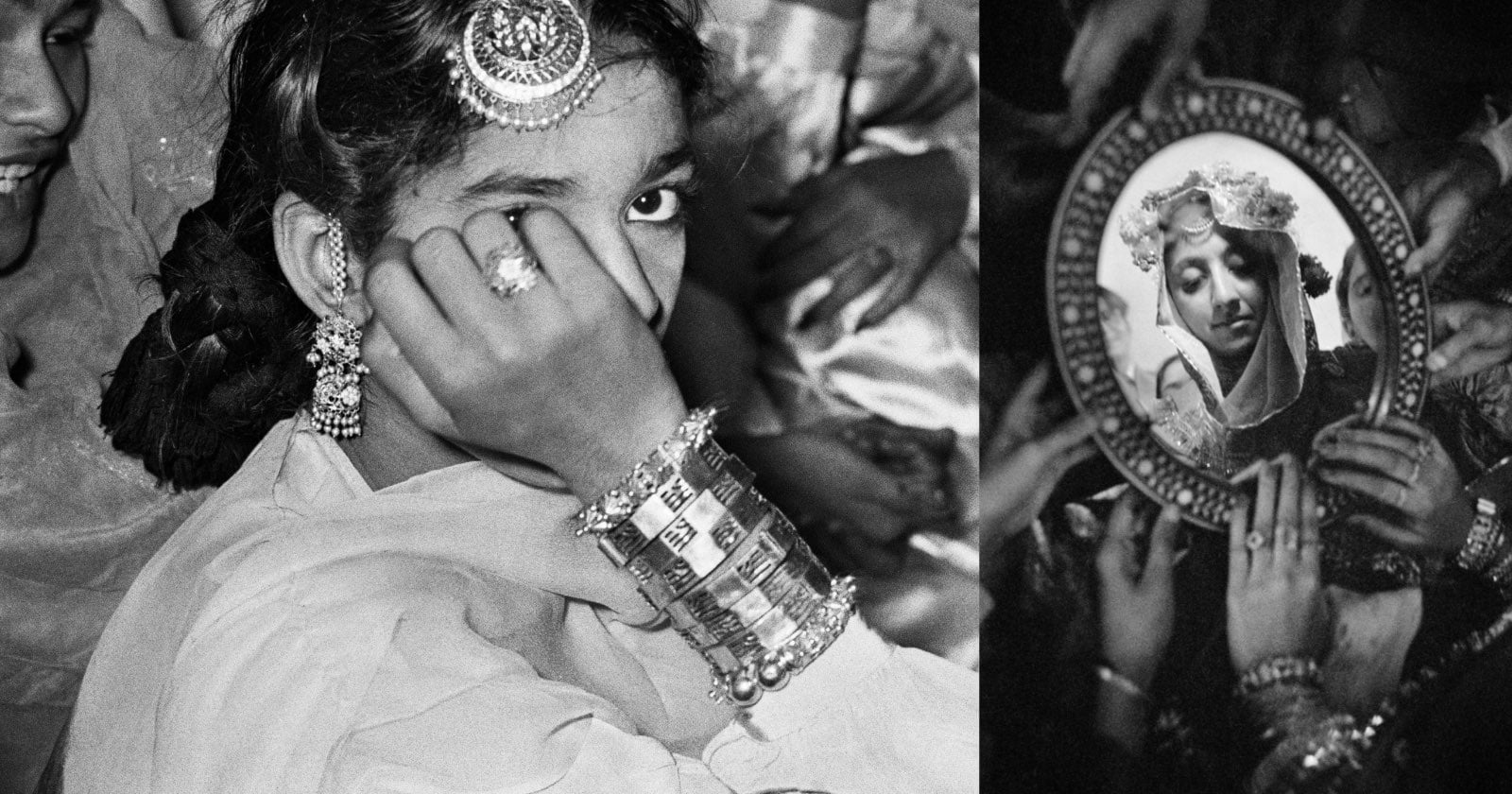
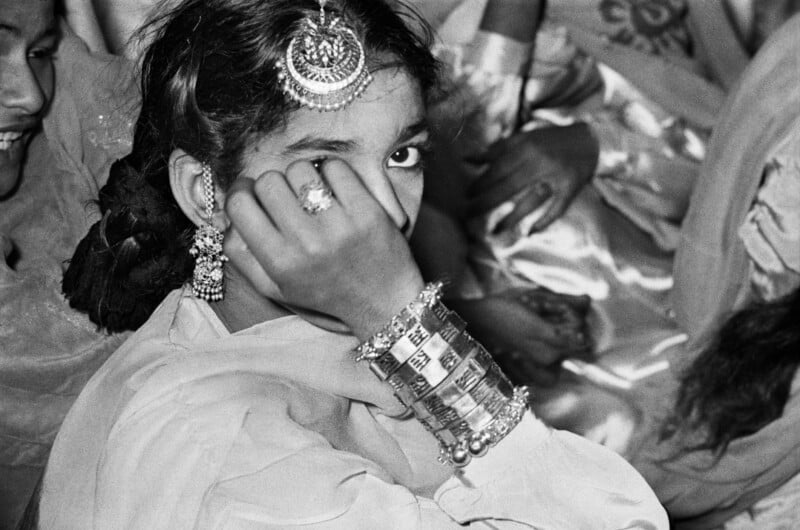
Red-light district of Hira Mandi, Lahore, Pakistan, 1952 – A delicate study of a young person with traditional jewelry partially veiling their face.
Husband discovering the face of his wife in a mirror, Lahore, Pakistan, 1952 – An intricate play of reflections and multiple hands holding an ornate mirror.
Beggar assembly, Calcutta, India, 1962 – A dense, claustrophobic composition featuring a young boy surrounded by seated men beneath hanging birdcages.
Women listening to Vinoba Bhave speech, Bihar, India, 1953 – A tender capture of communal solidarity and rapt attention among rural women.
Official Statements and Reflections
The overarching philosophy of the book is anchored by Horvat’s own retrospective reflections on his time in South Asia. Long after he had achieved global acclaim for his glossier fashion layouts, he frequently pointed back to these dusty, unglamorous roads as the true wellspring of his artistic identity.
"It seems to me that these images ‘go beyond the subject’, and more generally, that this trip was the true starting point of my journey as a photographer," Horvat famously reflected.
Art critics and photography historians have long echoed this sentiment. While commercial success brought him financial security and mainstream fame, his artistic soul was forged in the alleyways of Lahore and Calcutta. The empathy required to capture a marginalized subject on the streets of Pakistan or India laid the psychological groundwork for how he would later respect, elevate, and humanize models wearing Christian Dior or Givenchy on the streets of Paris.
Publishing house Kehrer Verlag noted in their curatorial statement that The Birth of a Photographer aims to correct a historical blind spot:
"While Frank Horvat’s contribution to fashion photography is universally recognized, his early travel photography has remained largely under-examined. This volume seeks to bridge that gap, revealing that his revolutionary approach to framing human emotion and movement was born not in the fashion studios of Europe, but under the vast, complex skies of South Asia."
Implications for Art History and Contemporary Photography
The release of Frank Horvat. The Birth of a Photographer arrives at a pivotal moment in the contemporary re-evaluation of mid-century photography. As audiences increasingly demand depth, context, and historical accountability in visual art, revisiting the formative steps of master practitioners provides crucial educational insight.
1. Recontextualizing a Master’s Oeuvre
For decades, monographs dedicated to Horvat have heavily favored his revolutionary fashion output. By isolating and elevating his 1952 and 1962 archives, critics and historians are forced to reconsider his entire catalog. His fashion photography is no longer viewed as a sudden stroke of genius, but rather as the polished application of reportage lessons learned in the bustling markets of South Asia.
2. A Masterclass in Empathy and Adaptability
In an era dominated by instantaneous digital capture and hyper-curated social media feeds, Horvat’s early work serves as a reminder of the virtues of slow, deliberate observation. Armed with rudimentary gear and operating in completely unfamiliar cultural environments, Horvat demonstrated how an outsider can document a foreign culture not with exploitation, but with profound reverence and observational discipline.
3. Commercial Availability and Accessibility
Priced and distributed globally by Kehrer Verlag, the monograph ensures that these rare, historically significant frames are no locked away in private archives or elite institutional vaults. Students, emerging photographers, and fine art enthusiasts now have a tangible textbook on how an artist discovers their visual voice.
As the photography world continues to digest the immense scope of Frank Horvat’s 92-year life, The Birth of a Photographer stands as an essential monument to humility, curiosity, and the enduring power of the human gaze.

 By Nana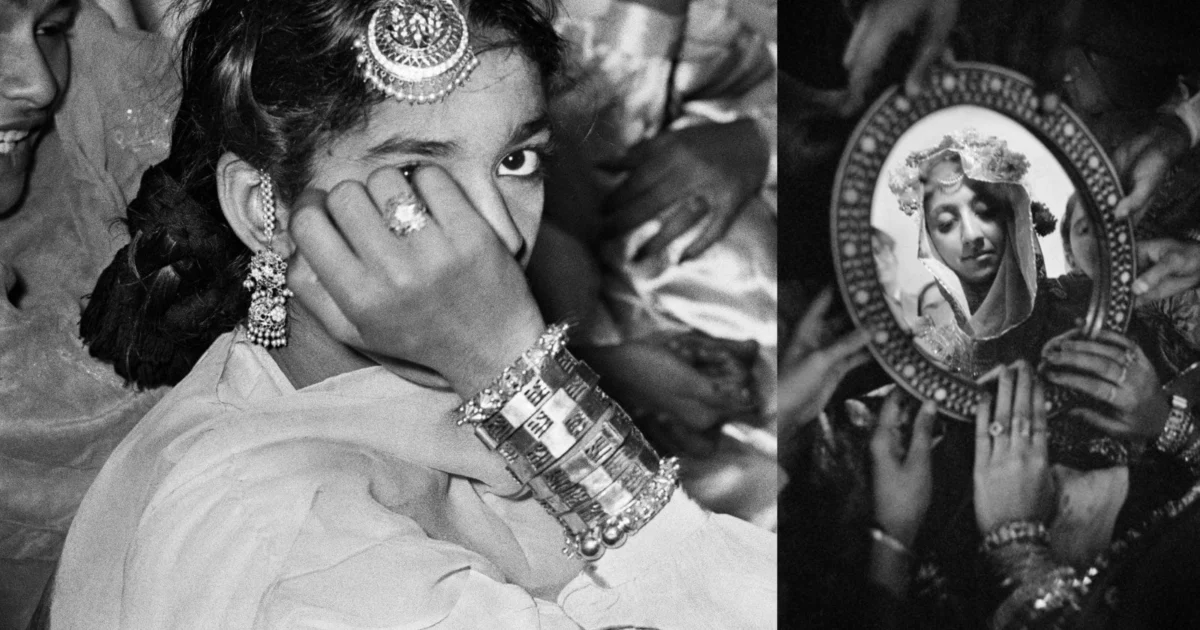
 Raul Delapena Setiawan
  rifanmuazin
  Ammar Sabilarrohman