
 By Nila Kartika Wati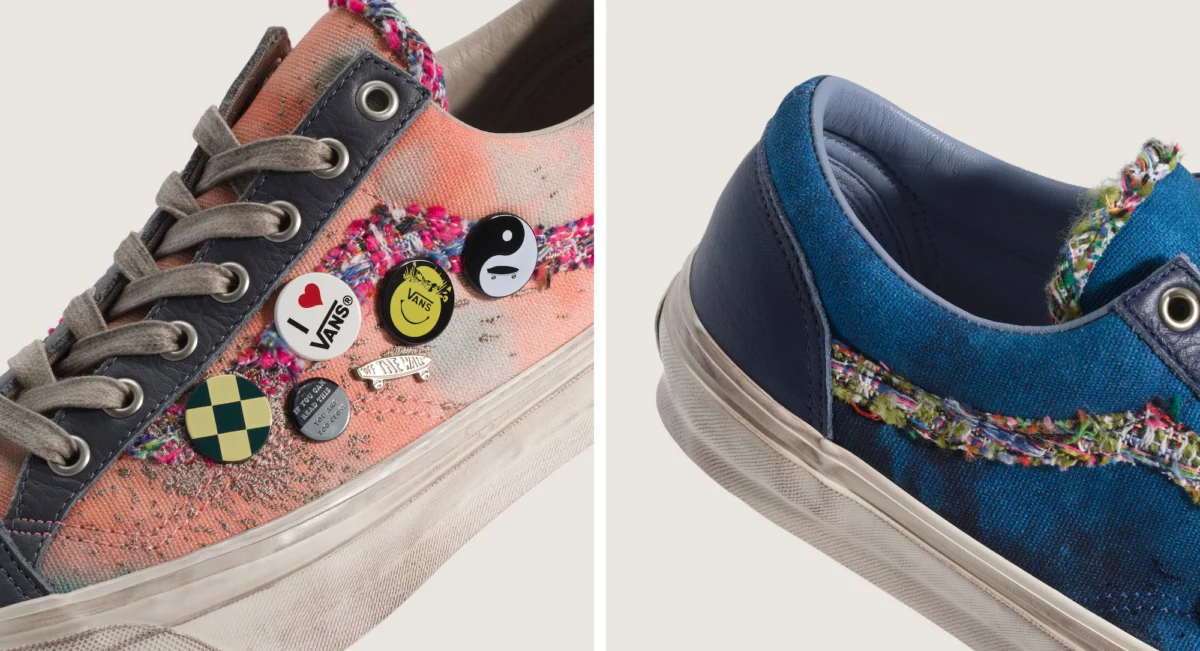
The outlook for apparel and footwear giant VF Corp. is shifting from cautious recovery to guarded optimism, according to the latest analysis from Williams Trading. Following a period of significant volatility and inventory realignment, the parent company behind iconic brands such as Vans and Timberland appears to be finding its footing.
Williams Trading analyst Sam Poser has issued a “Buy” recommendation for VF Corp., citing a confluence of factors: improved inventory management, the successful revitalization of heritage product lines, and a clearer pathway toward sustained gross margin expansion. While the company faces the inherent challenges of retail fashion cycles, the consensus among observers is that the foundational health of the business is strengthening.
Main Facts: A Turnaround in Progress
The central thesis of the recent bullish sentiment surrounding VF Corp. centers on two pillars: the impending sales inflection of the Vans brand and the necessary product diversification for Timberland.
Crucially, VF Corp. has succeeded in clearing out excess inventory across its portfolio. By maintaining “clean” balance sheets and leaner marketplace inventory levels, the company is positioning itself to drive gross margin expansion. For investors, this represents a shift from the discount-heavy, margin-eroding environment that plagued the retail sector over the last two fiscal years to a more disciplined, full-price selling model.
For Vans, the primary concern remains the bridge between current performance and future growth. While the first half of the current fiscal year is projected to show a year-over-year sales decline, the trajectory is expected to pivot sharply in the second half of fiscal year 2027. Timberland, conversely, is benefiting from positive revenue trends but requires a strategic pivot away from an over-reliance on its flagship six-inch boot to avoid market fatigue.
Chronology of the Recovery
The road to this projected improvement has been paved with systematic adjustments to how VF Corp. interacts with both its direct-to-consumer (DTC) channels and wholesale partners.
- FY26 Performance: Timberland demonstrated resilience, recording an eight percent revenue growth (up five percent in constant currency). This period solidified the brand’s presence but also highlighted the risks of “solely” focusing on the iconic six-inch silhouette.
- Early FY27 (Q1): Vans reported improved sell-through rates in the first quarter, particularly within the Americas DTC channel, which saw a five percent increase in revenue. Despite this, overall wholesale data appeared soft, largely due to a strategic, year-over-year reduction in inventory levels designed to prevent future markdowns.
- The Back-to-School Catalyst: The current back-to-school season is being closely watched as a bellwether for consumer demand. Analysts expect this period to act as the catalyst that convinces hesitant wholesale partners to place more aggressive orders for the latter half of the year.
- 2H27 Projections: Analysts anticipate a “positive inflection” for Vans beginning in the second half of the fiscal year. By the fourth quarter, it is expected that large wholesale accounts will have cleared their older stock, allowing them to respond fully to the brand’s new, updated product offerings.
Supporting Data and Market Analysis
The data suggests that the market is currently underestimating the potential for a rebound. While guidance suggests a mid-single-digit revenue decline for Vans in FY27, Sam Poser projects that actual sales will end up “closer to flat.”
The Vans Product Strategy
The divergence in success between “new” styles and “updated heritage” styles is telling. The Knu Skool and Super Lopro models—while popular—are categorized by some analysts as new concepts paying homage to old ideas. In contrast, updates to classic silhouettes like the Old Skool and Authentic are seeing significant momentum.
Specifically, releases such as the Old Skool Pearlized, the LX Old Skool 36, and the Palace Skateboard x Vans Low 2.0 have achieved “cult” status. These limited releases are not only selling out but are consistently trading at a premium on secondary marketplaces—a key indicator of brand heat and consumer desirability.
Timberland’s Diversification Imperative
Timberland faces a different hurdle. By leaning too heavily into the yellow/wheat colorway and the lug-sole aesthetic, the brand risks alienating the urban consumer who is prone to moving on to the next trend. Poser notes that the brand has spent 25 years sidelining its outdoor lifestyle roots, leaving a vacuum in the “country casual” segment.
Data indicates that there is a massive, untapped opportunity in reclaiming the boat shoe market. Historically, Timberland outperformed competitors like Sperry in this category; by reintroducing heritage styles like the three-eye padded collar lug-sole moccasin, the brand can appeal to a much broader demographic than just the seasonal boot buyer.
Official Responses and Strategic Implications
While the company has not issued a specific rebuttal to every analyst claim, the general strategic direction of VF Corp.’s management aligns with the push for operational discipline. CEO Bracken Darrell, who has been steering the company through this restructuring, has emphasized the importance of performance-based metrics and a focus on the core strengths of the portfolio.
The implications for shareholders are significant:
- Margin Expansion: With inventory levels under control, the company is no longer forced to use aggressive discounting to move product. This should manifest in higher gross margins in upcoming quarterly reports.
- Wholesale Re-engagement: The anticipated shift in the wholesale order book for the second half of 2027 is the “missing piece” of the puzzle. Once major retailers regain confidence in the sell-through velocity of Vans and Timberland, the volume of orders is expected to normalize, providing a lift to top-line growth.
- Heritage Capitalization: The shift toward re-releasing and updating archival models (such as Timberland’s Weather Buck or Goretex Chukka) reduces the R&D risk associated with launching entirely new, unproven styles. It leverages the brand equity that has been built over decades.
Outlook: Navigating the Fickle Retail Landscape
The forecast for VF Corp. is one of calculated stabilization. The transition from the volatility of the post-pandemic retail cycle to a more stable growth model is contingent on two distinct, yet related, maneuvers.
For Vans, the task is to maintain the momentum of its heritage updates in the DTC channel and translate that success back into the wholesale market. If the brand can prove that its core consumers are gravitating toward refined classics rather than just new-age novelties, the revenue growth projections for the second half of 2027 are well within reach.
For Timberland, the path forward is a return to basics. The brand possesses an extensive archive of outdoor-lifestyle footwear that has been neglected for too long. By broadening its product mix—specifically by entering the boat shoe and country-casual categories with legitimate, high-performance features like siped soles—Timberland can mitigate the boom-and-bust cycle of its six-inch boot sales.
As Poser aptly concluded, “It is not too late to make the needed adjustments.” With the brand still holding significant weight in the cultural zeitgeist, the ability of VF Corp. to pivot away from a singular product focus will likely determine the long-term success of the turnaround. Investors should expect a period of “building” in the near term, followed by potential acceleration as the market realizes that these brands are not just surviving, but actively evolving to meet a more discerning, quality-conscious consumer base.
 Neng Nana
  Ali Ikhwan
  Lina Hope