
 By Dwi Wanna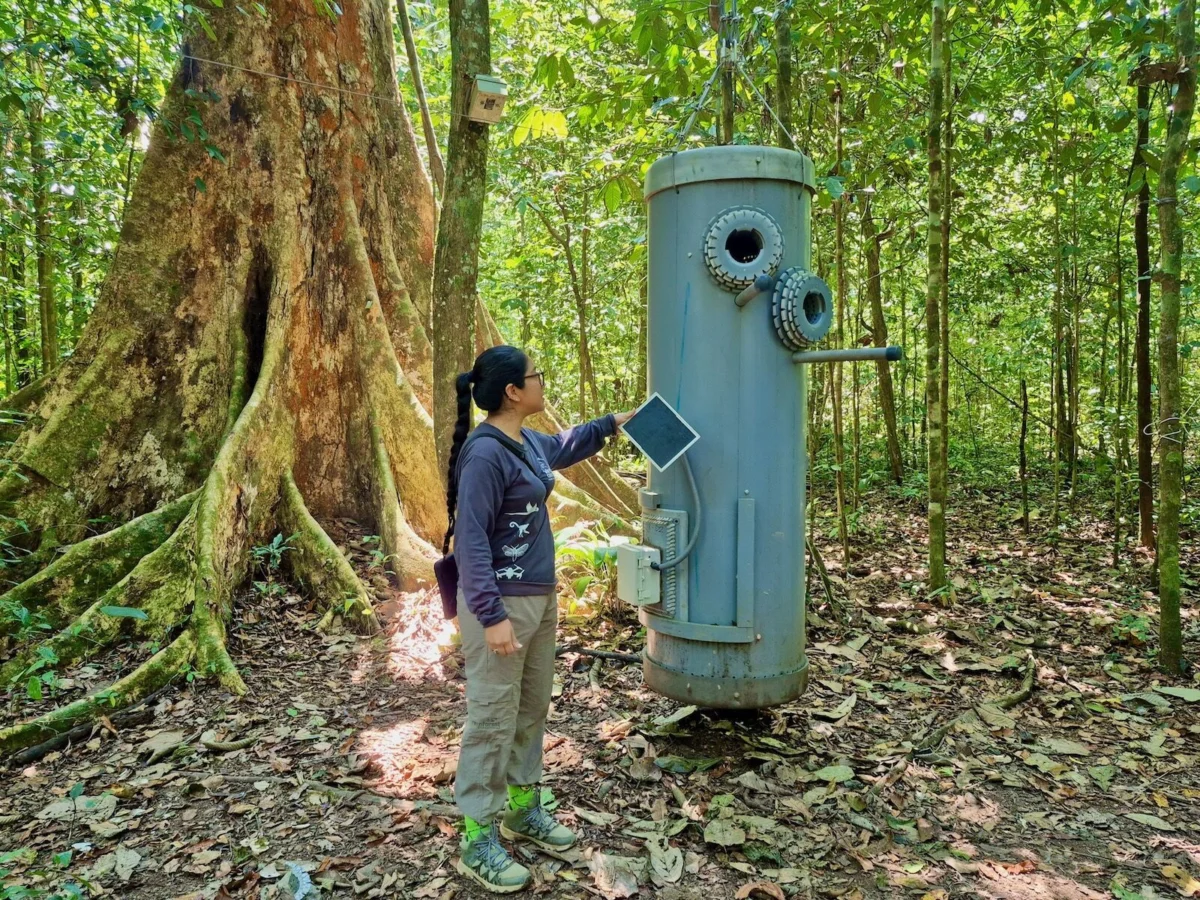
Deep in the heart of the Peruvian Amazon, where the Tambopata River snakes through an endless expanse of emerald wilderness, a quiet revolution is taking place. It is not occurring in a sterile laboratory, but within the rustic, open-air walls of the Tambopata Research Center (TRC). Here, travelers are trading their cameras for calipers and their binoculars for bioacoustic recorders, transforming from passive observers into active "change agents" in the fight to save one of the world’s most critical ecosystems.
The initiative, known as "Wired Amazon," is a pioneering model of citizen science tourism that bridges the gap between high-level conservation biology and the curious layperson. By inviting guests to assist in genuine research—from monitoring macaw nesting sites to documenting previously unknown insect species—the project is proving that the future of conservation lies in collective participation.
The Nexus of Science and Tourism
At the helm of this initiative is Aracely Yarasca, a Lima-born biologist whose credentials include a master’s degree in marine sciences and climate change. As the Wired Amazon Project Coordinator, Yarasca views the integration of tourism and science as a professional imperative rather than a side project.
"Doing citizen science with guests helps us share knowledge and involve them in science," Yarasca explains, her hands moving with practiced precision as she prepares a moth specimen for study. "They are not just listeners; they are active participants. They are change agents. And with that comes a sense of responsibility."
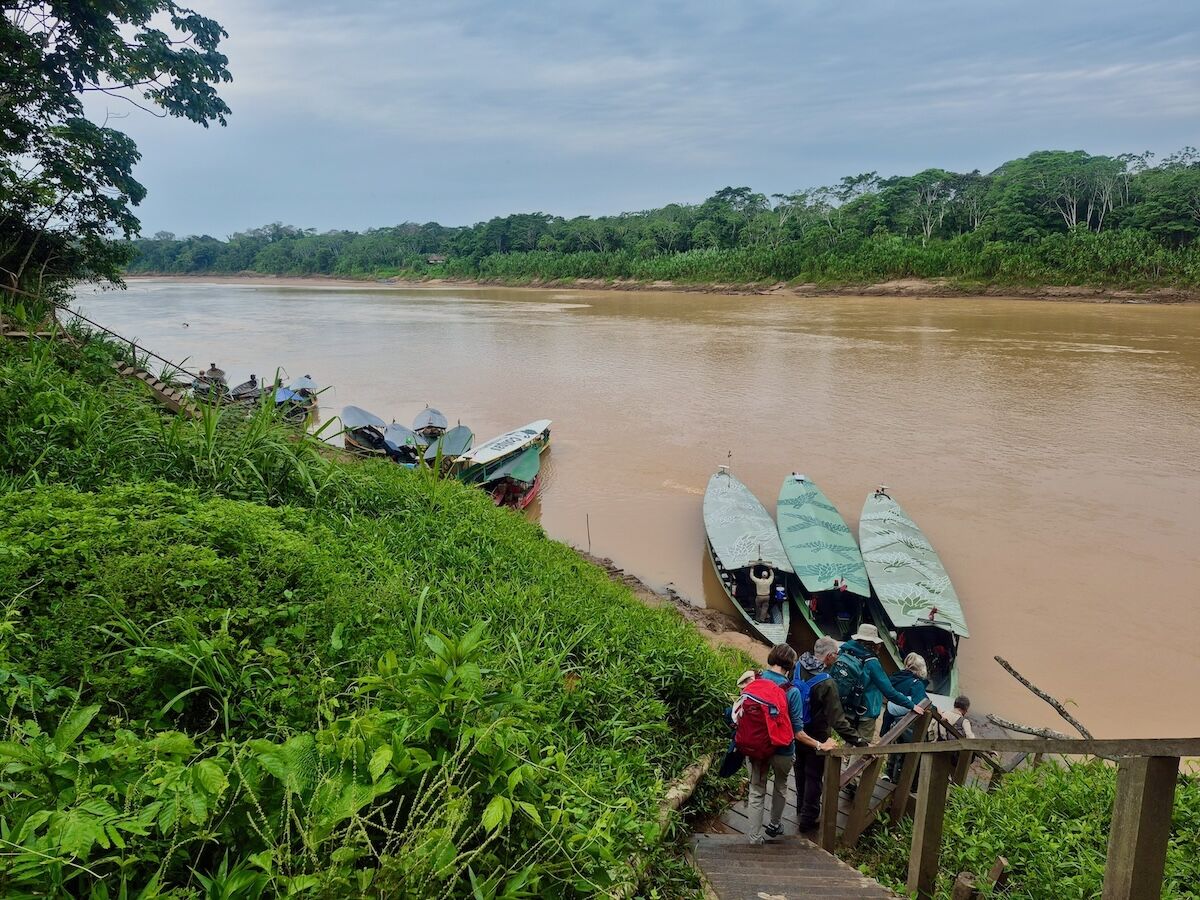
The TRC, the only lodge situated within the protected Tambopata National Reserve, serves as the primary hub for this work. Here, the boundary between luxury eco-tourism and rugged field research is intentionally blurred. Guests are not merely staying in the forest; they are contributing to its long-term health. Whether it is tagging along to check artificial macaw nests or assisting in the cataloging of DNA-barcoded Lepidoptera, the experience is designed to be accessible to everyone, from seasoned wildlife enthusiasts to children encountering the rainforest for the first time.
A Chronology of Conservation
The story of this region’s preservation began in 1989, when architect and photographer Eduardo Nycander arrived in Tambopata. His vision was to prove that the jungle could be worth more standing than felled. Over the decades, his vision evolved into a complex ecosystem of lodges—including the TRC and the nearby Refugio Amazonas—that prioritize scientific inquiry.
- 1989: Eduardo Nycander initiates the early foundations of ecotourism in the region, focusing on the protection of the Macaw Clay Licks.
- The Early 2000s: Expansion of the Tambopata Research Center, establishing it as a primary base for researchers studying parrot behavior and forest ecology.
- 2015-Present: The launch of "Wired Amazon," a suite of five core projects (Macaw Project, 8 Primates, Aerobotany, Discovering New Species, and AmazonCam) that leverage technology and citizen science to gather data at a scale previously impossible for a small team of biologists.
The Pillars of Wired Amazon: Supporting Data and Methodology
The Wired Amazon initiative is comprised of five distinct projects, each designed to address specific ecological gaps. The strength of the program lies in its data-driven approach.
The Macaw Project
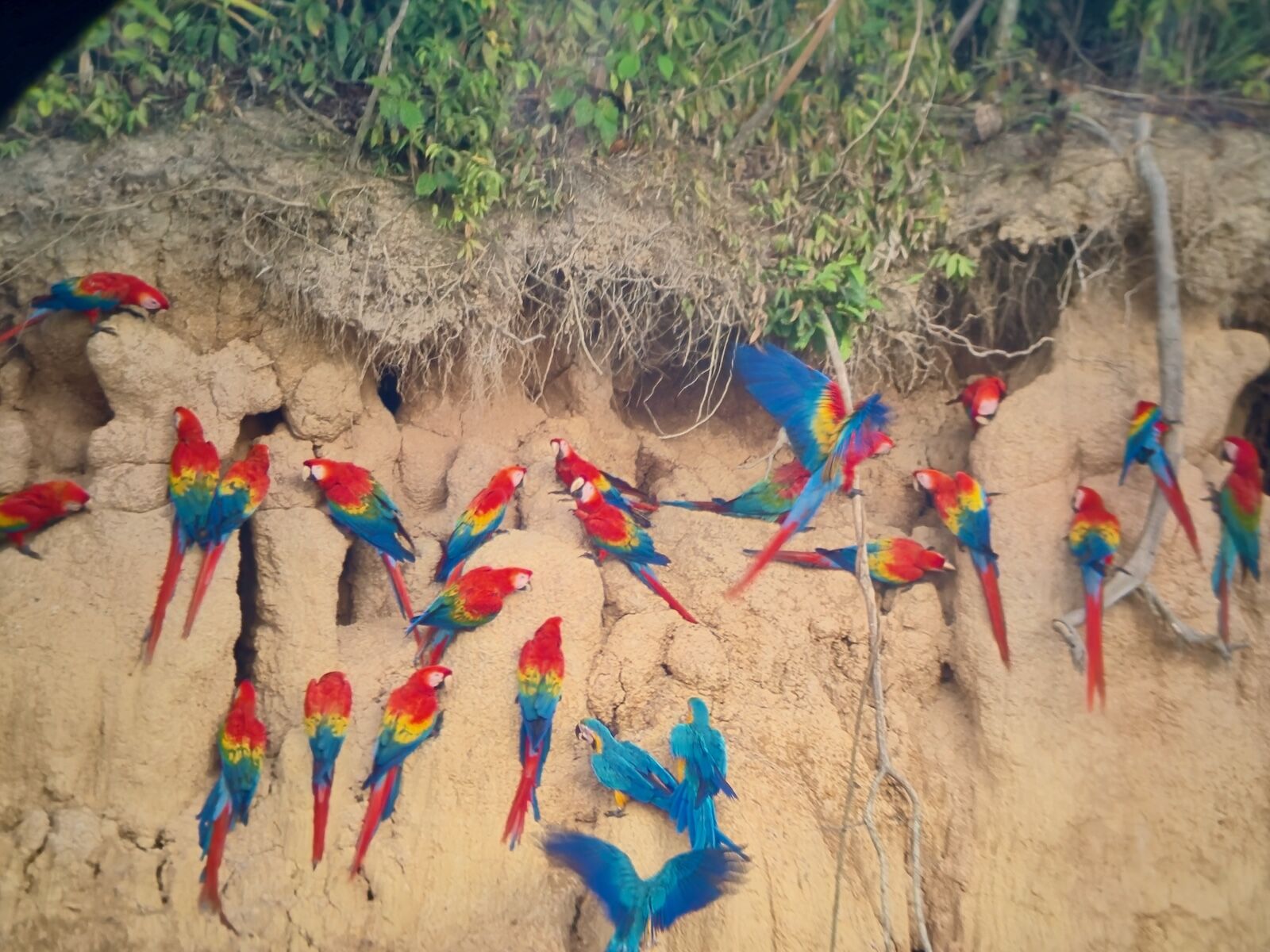
The project’s namesake, the Macaw Clay Lick, remains the most iconic sight in the region. Every morning, hundreds of scarlet, blue-and-yellow, and red-and-green macaws descend upon the mineral-rich riverbanks. However, these birds face a critical shortage of nesting sites due to the slow growth of the Shihuahuaca trees they favor. Wired Amazon has responded by installing high-tech artificial nests equipped with internal cameras. These nests, suspended deep in the canopy, provide a sanctuary for chicks, while cameras allow scientists and guests to monitor their development in real-time without the stress of human proximity.
8 Primates and Bioacoustics
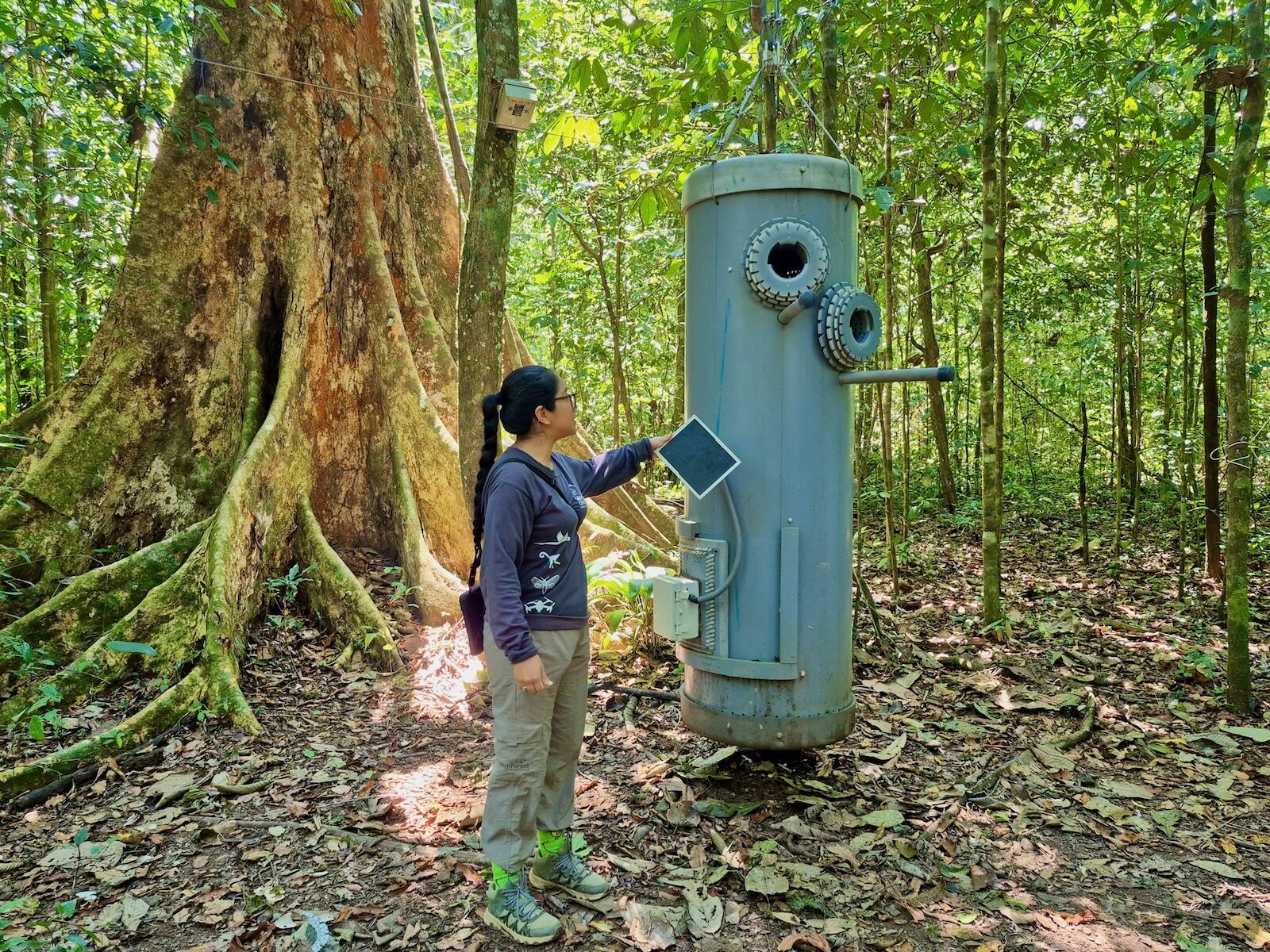
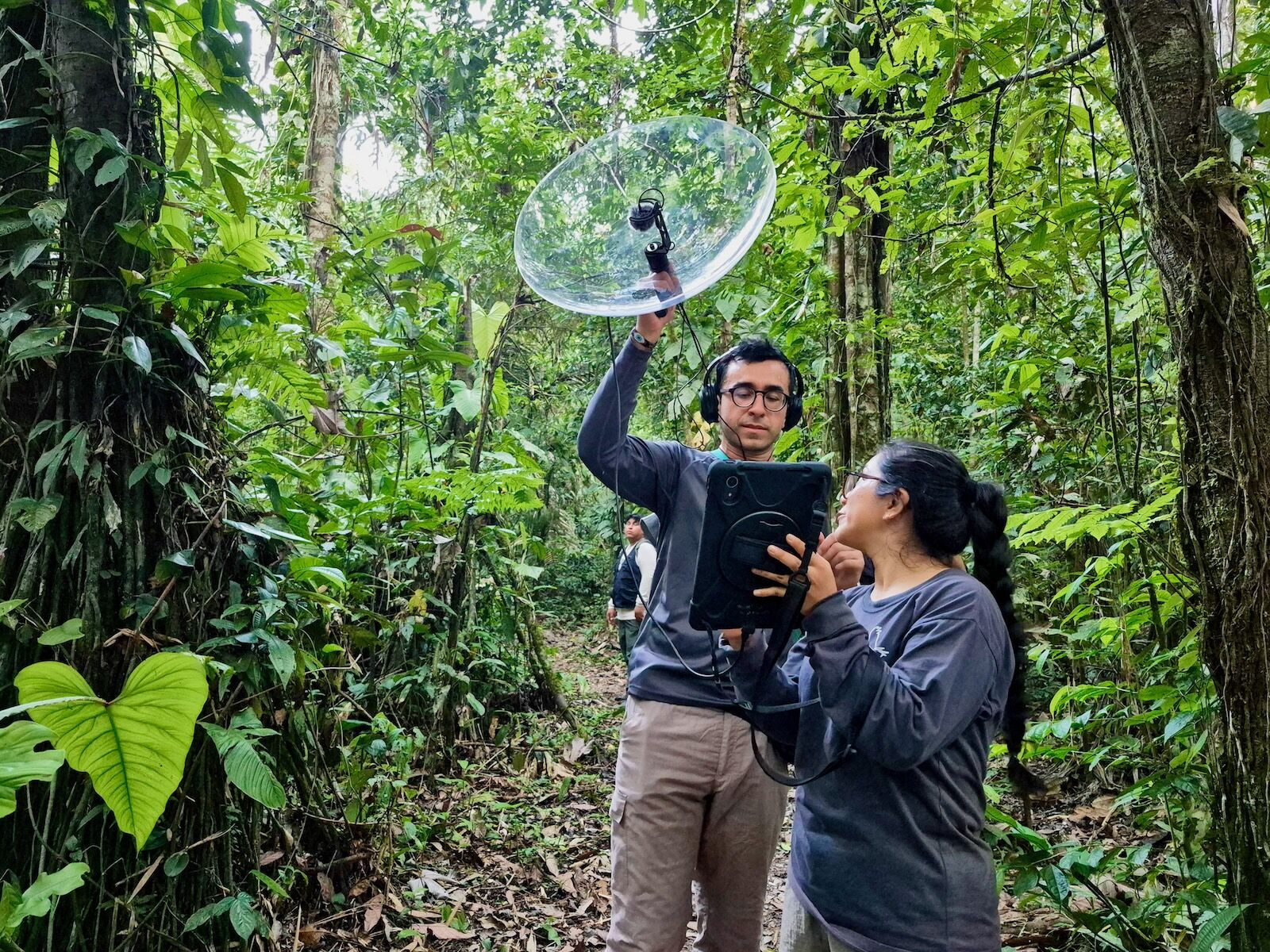
Led by Dr. Mark Bowler, the "8 Primates" project utilizes bioacoustic monitoring to build a comprehensive library of monkey calls. By placing recording devices throughout the reserve, researchers can track the movements and health of spider, howler, and capuchin monkeys. Tourists often participate by helping to organize and categorize these audio recordings, a process that is vital for understanding how climate change and habitat fragmentation affect primate populations.
Discovering New Species
Perhaps the most ambitious arm of the program is the hunt for new species, primarily focused on tiger and pyralid moths. Guests set up light traps, document their finds, and contribute to a global database. If a guest discovers a previously unidentified species, they are often invited to participate in the naming process. This is more than a thrill for the visitor; it is a vital tool for environmental advocacy. As Yarasca notes, "If we have a high biodiversity of insects, we have an empirical, scientific argument to protect that specific space."
Official Perspectives: The Reality of the Amazon
While the atmosphere at the lodge is one of wonder, the researchers do not shy away from the harsh realities facing the Peruvian Amazon. During evening lectures, Yarasca and her colleagues provide sobering briefings on the threats looming over the Madre de Dios department.
Illegal gold mining, rampant deforestation, and the shifting, unpredictable rainfall patterns associated with global climate change are creating an existential crisis for the forest. The researchers admit that they cannot stop these global and systemic forces alone, but they emphasize the importance of creating "refuges of data." By establishing a baseline of species and forest health, they provide the documentation necessary to support international grants and the creation of further protected areas.
"The Amazon affects the whole world," Yarasca says. "I like to work with tourists because I can translate what is happening on the ground into a language they can understand, and then take home to their own countries."
The Implications: Moving Beyond the "Tourist" Label
The ultimate goal of Wired Amazon is to shift the paradigm of travel from consumption to contribution. In an age of rapid environmental decline, the project suggests that the traditional model of "viewing" nature is no longer sufficient.
The data collected through the Wired Amazon program is not kept in a vault. It is shared with global research institutions, utilized to fight for conservation legislation, and used to monitor the impact of climate change on specific indicator species. By turning every guest into a documenter, the lodge creates a global network of advocates who have a personal, tangible connection to the forest.
For the traveler, the result is a deeper, more profound experience. As one visitor noted after four days of fieldwork, the initial hesitation toward "creepy-crawlies" or the technicalities of bioacoustics fades, replaced by an appreciation for the intricate, invisible systems that keep the planet breathing.
A Future in the Canopy
As the sun sets over the Tambopata River and the cicadas begin their nightly chorus, the Tambopata Research Center remains a beacon of hope. With new lodges like Kuaii Amazonas (opening in 2027) on the horizon, the model of citizen science is set to expand.
The paradox of the experience—staying in a luxurious, off-grid suite while utilizing state-of-the-art technology to track jaguars and moths—is exactly what makes the program work. It forces a collision between the comfort of the modern traveler and the urgency of the natural world.
The message from the researchers at Tambopata is clear: we do not have to be scientists to be part of the solution. By documenting the sounds of the canopy, protecting the nests of the macaws, and cataloging the diversity of the soil, every visitor leaves a mark. In the face of a changing world, the Wired Amazon project proves that when we invite people to look closer, they don’t just see the forest—they learn to defend it.
 Asep Darmawan
  Layla Zulfa
  Lina Irawan