
 By Lina Irawan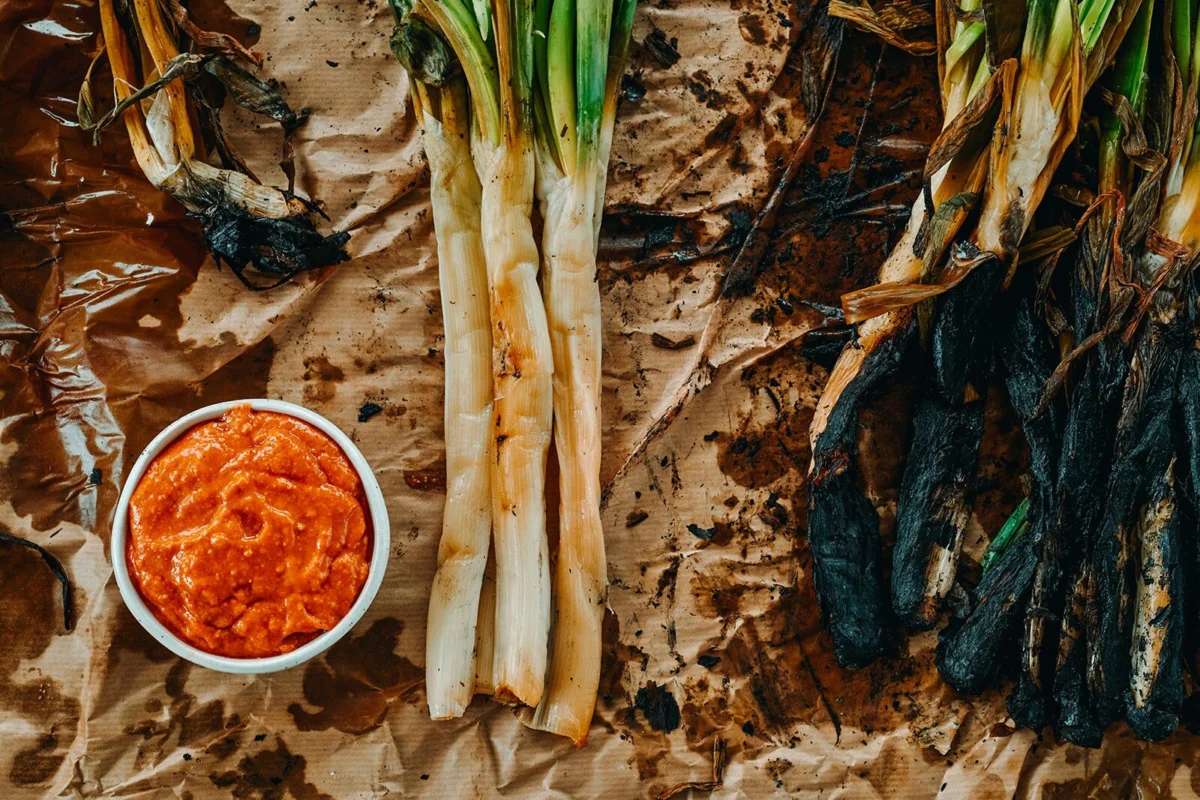
In Spain, food is far more than mere sustenance; it is a cultural religion, a history book written in flavors, and a seasonal pulse that dictates the rhythm of life. Across the country’s 17 autonomous communities, the landscape, the climate, and centuries of tradition have coalesced into a culinary map that changes with the sun. From the charred, earthy sweetness of a Catalan onion to the crisp, effervescent "txotx" of a Basque cider house, Spain offers a year-long pilgrimage for the palate.
To understand the Spanish kitchen is to accept that geography is destiny. Each region guards its specific ingredients with a ferocity born of pride, often protected by the European Union’s Protected Geographical Indication (PGI) or Protected Designation of Origin (PDO) status. These designations aren’t just labels; they are guarantees of authenticity. By following the agricultural and seasonal calendar, one discovers that the true essence of Spain is not found in a single national dish, but in a sequence of regional masterpieces that transform the year into a continuous, nationwide feast.
The Seasonal Architecture: A Chronological Journey
The Spanish food calendar operates on a cyclical basis, where the harvest determines the menu. This chronological approach reveals how the country moves from the delicate greens of spring to the cooling soups of summer, the rich, cured harvests of autumn, and the hearty, fireside comforts of winter.
Spring: The Awakening of the Earth
As the frost recedes, the Spanish soil yields its most anticipated treasures. In Catalonia, the season is defined by the calçotada. From late November through April—peaking in February—farmers harvest calçots, a mild, sweet green onion. The tradition is visceral: bundles of these onions are charred over open flames of vine cuttings until the outer layers are blackened and the inner hearts are meltingly tender. Wrapped in newspaper to steam, they are served alongside romesco, a rich emulsion of almonds, peppers, tomatoes, garlic, and olive oil. To eat a calçot is to participate in a social ritual that requires no utensils—only a steady hand, a bib, and the technique of dangling the stalk into one’s mouth.
Further north, in Navarre, spring is synonymous with "white gold": white asparagus. Protected as an Espárrago de Navarra, these spears are harvested by hand with such precision that they retain a tender, almost buttery texture with a signature hint of bitterness. Similarly, La Rioja celebrates the artichoke. Whether served simply as a steamed starter or incorporated into menestra de verduras—a vibrant vegetable medley—these artichokes represent the region’s commitment to its fertile Ebro River valley soils.
Rounding out the spring, Cantabria honors its maritime heritage through the Santoña anchovy. While the fishing season is concentrated in spring, the curing process, perfected by Italian salters in the 19th century, allows these briny, oil-slicked fillets to remain a staple of the Spanish tapas culture year-round.
Summer: The Sun-Drenched Palette
When the heat settles over the Iberian Peninsula, the kitchen shifts toward freshness and hydration. In Andalusia, the gazpacho reigns supreme. This chilled emulsion of tomatoes, peppers, cucumbers, garlic, stale bread, and vinegar is the ultimate antidote to the scorching southern sun.
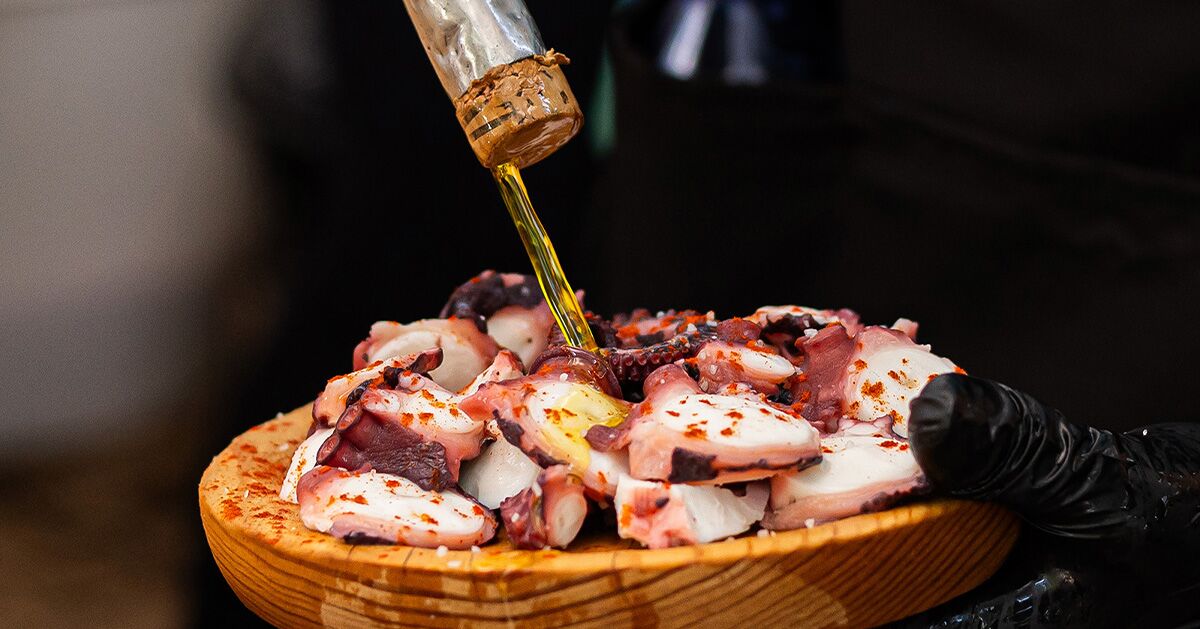
In the Canary Islands, the focus turns to gofio, an ancient staple made from toasted maize or wheat meal. Once the breakfast of indigenous Canarians, gofio has evolved into a versatile culinary tool, appearing in modern desserts like mousse or nougat. Meanwhile, in Galicia, the Atlantic coast provides the star of the show: pulpo a la gallega. Boiled to perfection and served on wooden platters with a dusting of paprika, sea salt, and olive oil, this "fair-style octopus" (polbo á feira) remains a link to the village festivals of yesteryear.
Murcia, often dubbed "Europe’s Garden," provides the ensalada murciana. Utilizing jarred tomatoes—a nod to the region’s historical need to preserve the harvest—this dish combines boiled eggs, tuna, and local Cieza olives. Finally, Valencia demands respect for its most famous export: paella valenciana. Eschewing the seafood-heavy versions often found in tourist hubs, the authentic Valencian recipe is a precise affair of chicken, rabbit, garrofó (lima beans), and saffron, cooked over a wood fire.
Autumn: The Harvest and the Cure
As temperatures drop, the focus shifts to the richness of the land. Castile-La Mancha produces the world-renowned Manchego cheese, a sheep’s milk delicacy that ranges from the buttery semicurado to the complex, crystalline añejo.
Extremadura enters the spotlight during the montanera—the period from October to March when Iberian pigs roam the dehesa (pastureland) feeding on fallen acorns. This diet imbues the meat with a unique, nutty fat profile, resulting in the world-class Iberian ham. In neighboring Castile and León, the star is the cochinillo asado. The suckling pig, roasted in a wood-fired oven until the skin shatters like glass, is so tender that tradition dictates it be carved with the edge of a plate—a performance often concluded by the waiter smashing the plate to the floor. Finally, the Balearic Islands offer the ensaimada, a spiral pastry made with pork lard (saïm) that bridges the gap between sweet and savory, often filled with everything from custard to sobrasada sausage.
Winter: The Hearth and the Barrel
Winter in Spain is a time for communal warming. Asturias serves its fabada, a dense, soul-warming bean stew laden with compangos—chorizo, morcilla, and pork belly. In the Basque Country, the season marks the opening of the kupelas (cider barrels). From January to April, cider houses offer a set menu of cod, txuleta (rib steak), and cheese, all punctuated by the cry of "Txotx!"—the signal to catch the flowing cider as it is tapped from the barrel.
Madrid provides its own winter comfort in the form of cocido madrileño, a three-course ritual starting with noodle broth, moving to chickpeas and vegetables, and finishing with a bounty of meats. In Aragon, the season is anchored by Ternasco de Aragón, a young, PGI-protected lamb that serves as the centerpiece for Christmas celebrations across the region.
Supporting Data: The Value of Protection
The adherence to these seasonal traditions is not merely nostalgic; it is a significant economic driver. The EU’s PGI and PDO systems have bolstered the local economies of these regions by ensuring that products like Manchego or Espárrago de Navarra maintain a premium market value. For instance, the Ternasco de Aragón PGI designation, established in 1996, created a standardized quality benchmark that allowed small-scale farmers to compete on a global scale. These certifications ensure that the "sacred" nature of these ingredients is protected by law, preventing the dilution of regional heritage by mass-production methods.
Official Perspectives and Cultural Implications
The Spanish government, through initiatives like the "Spain.info" cultural campaigns, frames these culinary traditions as "intangible cultural assets." This official recognition, such as the 2021 declaration of paella valenciana as an intangible cultural asset, underscores the government’s view that gastronomy is a cornerstone of the national identity.
The implication of this cycle is a form of "gastronomic citizenship." By participating in the calçotada or the txotx, locals and visitors alike are participating in an unbroken chain of history. It creates a rhythm of life that forces a slower, more intentional engagement with the environment. In a world of fast food and globalized menus, the Spanish model serves as a defiant reminder of the power of seasonality. It suggests that when we eat what the earth provides at the moment it provides it, we are not just consuming nutrients—we are engaging in a dialogue with our geography.
Ultimately, whether it is the crashing of a plate in Segovia or the silent dipping of a green onion in Valls, these rituals are the glue of Spanish society. They offer a calendar that, while tied to the harvest, is fundamentally about the people who gather around the table to share in the bounty of their land. In Spain, the year is not measured by months, but by the next delicious arrival.
 Basiran
  Laily UPN
  rifanmuazin