
 By Neng Nana
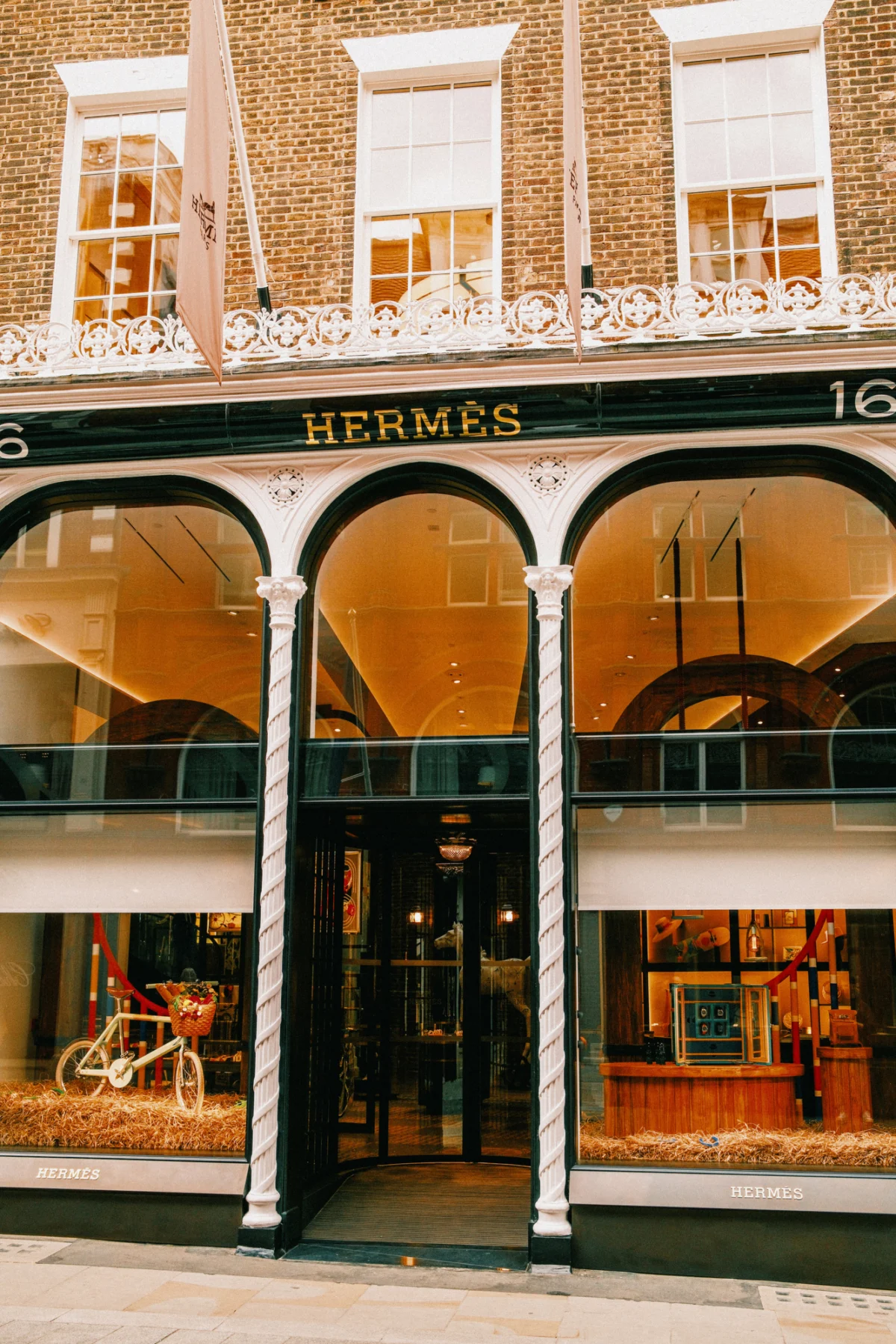
PARIS — In the rarefied air of the global luxury industry, Hermès International has long stood as the gold standard of resilience. However, the French maison’s third-quarter results, released this week, have provided a stark reminder that even the most exclusive brands are not immune to the shifting tides of the global economy.
Reporting a third-quarter revenue of 4.1 billion euros—representing a 4.3 percent growth at constant currency—Hermès delivered a performance that, while positive in absolute terms, failed to meet the lofty expectations of the financial markets. Analysts had penciled in a consensus growth rate of 5.2 percent, leaving investors to grapple with the reality of a cooling luxury sector.
The deceleration is palpable. Compared to the 9.6 percent growth rate recorded in the same period last year, the recent figures signal a clear shift in momentum. As the appetite for high-end goods wanes in key Asian markets and geopolitical headwinds cloud the horizon, Hermès finds itself navigating an increasingly complex trading environment.
The Chronology of a Shift: From Boom to Caution
The narrative of luxury growth over the past three years has been one of post-pandemic euphoria, where "revenge spending" drove record-breaking margins for major houses. For Hermès, this period saw unprecedented demand for iconic leather goods like the Birkin and Kelly bags.
However, the third quarter of 2024 marks a definitive transition. The slowdown began to manifest earlier this year as inflationary pressures and high interest rates began to weigh on the aspirations of "aspirational" luxury consumers. While Hermès typically caters to a "VIC" (Very Important Client) demographic that is largely insulated from macroeconomic volatility, the stagnation in the broader Chinese market—a pillar of luxury growth for the last decade—has created a drag that even the most loyal brand enthusiasts cannot fully offset.
The quarter’s trajectory suggests that the "easy growth" phase is over. As the company looks toward the end of the fiscal year, the pressure is mounting to prove that its artisanal, scarcity-driven model remains robust enough to withstand a multi-year period of tepid global consumption.
Supporting Data: A Tale of Two Hemispheres
The geographical breakdown of the latest earnings report paints a nuanced picture of global demand. While the brand remains a powerhouse in the West, its reliance on a rebounding China remains the primary point of friction.
Regional Performance
- Europe: The region emerged as the standout performer, with total sales rising 7.2 percent at constant currency. Notably, France—the brand’s home market—saw a 3.6 percent increase, while the rest of the continent surged by 9.5 percent, suggesting strong tourism-driven demand.
- The Americas: Maintaining its status as a growth engine, the Americas reported an 8.8 percent increase. This demonstrates that the U.S. market, despite fears of a consumer slowdown, continues to appreciate the exclusivity of the brand.
- Japan: An outlier in the Asian theater, Japan continues to defy gravity with a 9.6 percent jump in sales, benefiting from a favorable exchange rate and a sophisticated domestic luxury culture.
- Asia-Pacific (Excluding Japan): This is the segment that has kept analysts up at night. With sales effectively flat, the wider Asian region—excluding Japan—managed only a meager 1.9 percent growth. This stagnation highlights the "China factor," where cautious consumer sentiment has hit luxury brands hard.
- The Middle East: Facing the brunt of geopolitical volatility, the region saw a 4.5 percent contraction, reflecting the direct impact of regional instability on luxury retail traffic.
Category Breakdown: The Resilience of Leather
The "Hermès model" is fundamentally rooted in its leather goods division, which once again proved to be the bedrock of the company’s revenue. Sales in this segment jumped 10.8 percent, fueled by an insatiable demand for both new silhouettes and the timeless classics that serve as the brand’s investment-grade assets.
Other segments saw mixed results:
- Perfume and Beauty: A steady performer, rising 7.5 percent.
- Other Products (John Lobb, Saint-Louis, Puiforcat): These subsidiaries saw a healthy 10.5 percent growth, proving the brand’s ability to cross-sell into home and lifestyle categories.
- Silk and Textiles: A modest 1.4 percent increase, suggesting that the brand’s entry-level "gateway" products are seeing slower velocity.
- Ready-to-Wear and Accessories: A decline of 2 percent, indicating that seasonal fashion trends are feeling the pressure of a more discerning consumer.
- Jewelry and Home: A slight dip of 1.1 percent.
- Watches: The laggard of the portfolio, watches experienced a 6 percent decline, continuing a downward trend that began earlier in the year.
Official Responses: Navigating the Long Term
In a climate of uncertainty, leadership tone is paramount. Axel Dumas, the chief executive officer of Hermès, adopted a stance of disciplined optimism during the earnings call.
"Despite a complex environment, Hermès continues its profitable growth and maintains its course," Dumas stated. "Convinced of the strength and relevance of our artisanal model, we see our vision as firmly rooted in the long term, and we look to the future with confidence."
Dumas’s strategy is not to pivot toward mass-market appeal or aggressive discounting—tactics that would dilute the brand’s value—but to double down on the creative evolution of the house. He pointed toward a future-looking roadmap, specifically highlighting the appointment of Grace Wales Bonner to design the first men’s ready-to-wear collection, and the introduction of haute couture by Nadège Vanhée, both slated for January 2027. These moves are clearly intended to inject fresh energy into the brand’s creative output and secure a new generation of high-net-worth clients.
However, the market remains skeptical. Bernstein analyst Luca Solca, a prominent voice in luxury equity research, provided a sobering assessment: "Hermès continues to suffer a difficult trading environment overall." This sentiment echoes the broader industry consensus that even the most elite luxury houses are entering a "normalization" period, where double-digit growth is no longer a given.
Implications: The Future of the "Quiet Luxury" Leader
The implications of these third-quarter results for the luxury sector are profound. As Hermès slows, the rest of the industry—particularly those brands that are more dependent on fashion trends rather than artisanal heritage—may face even steeper declines.
1. The Scarcity Model as a Defense
Hermès’s commitment to its artisanal model acts as both a shield and a limitation. Because the brand limits production to maintain exclusivity, it cannot simply "turn on the tap" to boost revenue when demand spikes, nor can it quickly pivot production to meet changing tastes. This rigidity is precisely what preserves its brand equity during downturns.
2. The China Dilemma
The stagnation in the Asia-Pacific region underscores a structural issue for luxury conglomerates. As China’s middle class reevaluates its spending habits amidst a domestic real estate crisis and youth unemployment, luxury brands are forced to re-examine their reliance on the region. For Hermès, the focus will likely shift toward deepening relationships with existing "VICs" rather than relying on volume growth.
3. Pricing Power and Inflation
While Hermès has successfully utilized price increases to combat inflation in previous quarters, there is a limit to how much the consumer will absorb. The decline in watches and ready-to-wear suggests that consumers are becoming more selective, choosing to invest only in the most iconic, timeless pieces—the "Birkin and Kelly" strategy—while skipping more discretionary fashion items.
4. A Shift in Creative Direction
The focus on 2027—specifically the launch of haute couture—is a strategic play to elevate the brand further into the realm of "ultra-luxury." By moving deeper into couture, Hermès is attempting to distance itself from the volatile "luxury fashion" cycle and align itself with the highest echelons of exclusivity, where price is irrelevant and status is the primary currency.
As the industry closes the book on the third quarter, Hermès stands at a crossroads. The results serve as a wake-up call that the post-pandemic gold rush has dissipated, replaced by a more sober, challenging reality. For a company that has spent over a century building its reputation on patience, craftsmanship, and restraint, the current environment is not a crisis—it is merely another test of the endurance of the Hermès name. Investors will now be watching closely to see if the brand’s strategic investments in design and its unwavering commitment to quality will be enough to navigate the remainder of a turbulent year.
 Nana Muazin
 Azzam Bilal Chamdy
 Nana
