
 By rifanmuazin
Main Facts
A bombshell investigative report published by The Wall Street Journal has once again thrust billionaire entrepreneur and X owner Elon Musk into the center of a media firestorm. While the core of the report focuses on allegations made by Ashley St. Clair—one of Musk’s alleged "baby mamas," who claims the world’s richest man has refused to undergo a paternity test and has failed to fulfill child support obligations—a secondary detail buried within the piece has taken on a viral life of its own across social media.
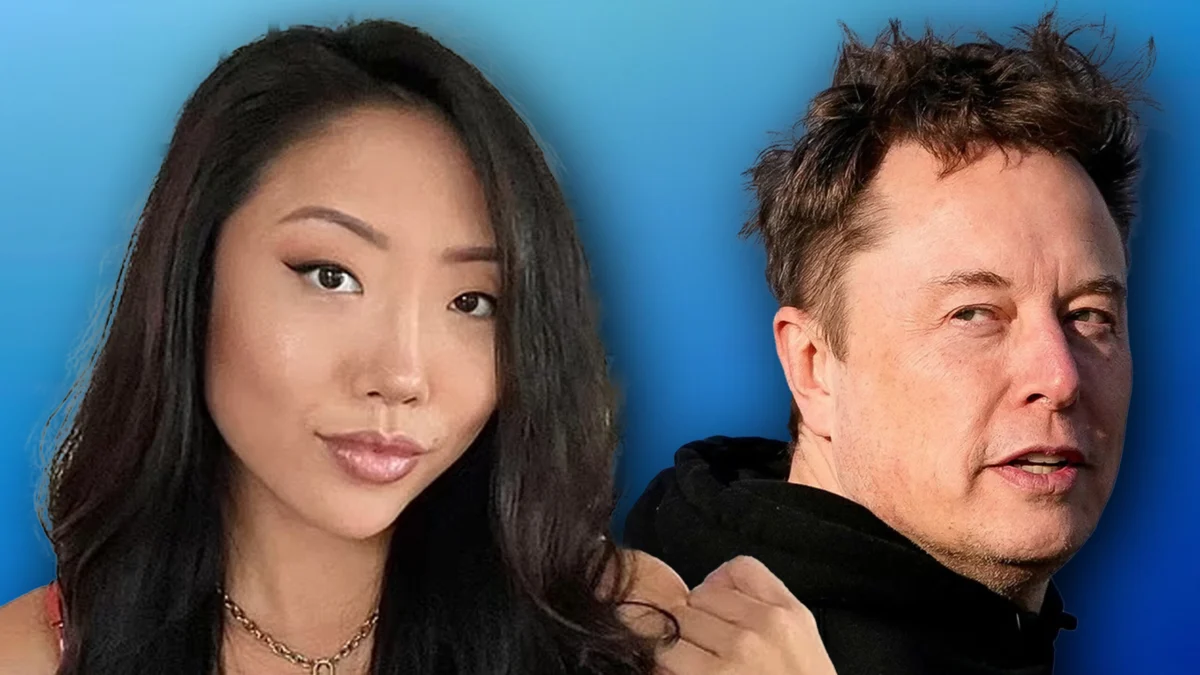
According to the Journal, and corroborated by sources close to the situation, Musk allegedly slid into the direct messages (DMs) of right-leaning cryptocurrency influencer and commentator Tiffany Fong in late 2024. At the time, Fong was experiencing a massive surge in visibility, effectively serving as "Twitter’s main character" across various internet subcultures. Sources cited by the publication indicate that Musk sent Fong an unsolicited proposition via DM, asking if she would be willing to have his child—despite the two having reportedly never met in person.
Fong allegedly rejected the proposal, expressing a desire for a more traditional, nuclear family structure. Furthermore, she reportedly confided in a circle of friends regarding the exchange, including Ashley St. Clair. When word of Fong’s "loose lips" allegedly reached Musk, the billionaire swiftly unfollowed her on X.
This revelation has injected fresh momentum into longstanding online narratives concerning Musk’s reported obsession with population growth, his sprawling family tree, and the ways in which his personal interactions frequently intersect with the governance, feature sets, and algorithmic changes of his social media platform, X (formerly Twitter).
Chronology of Events
To fully understand how a private DM exchange ballooned into a cross-platform internet phenomenon, it is necessary to trace the timeline of events leading up to The Wall Street Journal’s publication.
Late 2024: The Rise of Tiffany Fong and X Premium Earnings
Tiffany Fong, known primarily for her commentary on cryptocurrency and alternative financial markets, became a dominant fixture of X discourse in late 2024. Her prominence spiked dramatically when she publicly shared screenshots of her X Premium earnings dashboard, revealing a staggering payout of approximately $21,000 generated over a two-week span. The viral post positioned her at the epicenter of platform attention, sparking widespread discussions about monetization on the app and drawing the direct attention of high-profile accounts, including Musk himself.
The Unfollowing and Subsequent Speculation
Shortly after her earnings went viral, sharp-eyed users on X noticed that Elon Musk had abruptly unfollowed Fong. Concurrently, her platform earnings experienced a notable drop. This sequence of events triggered immediate speculation across social media. Rumors began to circulate that Fong had somehow rebuffed Musk, either romantically or reproductively, and was now facing algorithmic or social retaliation. Online sleuths and casual users alike began connecting the dots, with viral posts asserting that Fong had "definitely told him no."
December 2024 – Early 2025: The Rumor Mill and Platform Changes
As whispers regarding the alleged rejection continued to circulate within niche internet circles, rumors about sweeping changes to X’s infrastructure began to emerge. Reports indicated that X was considering major overhauls to its direct messaging system, including rumors of phasing out traditional DMs in favor of a new feature provisionally dubbed "XChat." Users quickly began drawing satirical and speculative links between Musk’s personal romantic rejections and his administrative control over platform architecture—a trope that has historically followed controversies involving the billionaire.
Tuesday: The Wall Street Journal Drop
The speculative ecosystem was upended when The Wall Street Journal published its investigative feature on Ashley St. Clair. Alongside the core legal and financial disputes detailed by St. Clair, the piece formally introduced the anonymous sourcing that confirmed Musk’s DM proposal to Fong. The report validated months-old internet rumors, confirming that Musk had indeed propositioned Fong and that she had turned him down, leading to his petty-seeming unfollow. Within hours, the detail eclipsed the primary reporting on social media, sparking thousands of memes, greentext stories, and analytical threads across X, Reddit, and 4chan.
Supporting Data and Digital Folklore
The intersection of Elon Musk’s personal life and platform governance has long fostered a unique brand of digital folklore. Users frequently attempt to draw causal lines between Musk’s personal embarrassments and sudden, sweeping platform updates—a phenomenon that blends genuine corporate decision-making with internet conspiracy and meme culture.
The "Legion-Level" Family Theory
According to information shared by Ashley St. Clair with The Wall Street Journal, Musk reportedly harbors a distinct philosophical and existential urgency regarding procreation, allegedly expressing a desire to reach "legion-level before the apocalypse." This ideological stance aligns with Musk’s frequent public warnings about global birth rate collapse. However, when applied to real-world interactions, such as unsolicited DM propositions to high-profile crypto influencers, it paints a bizarre picture of corporate and personal life colliding. Fong’s reluctance to join what internet commentators dubbed Musk’s "legion" of mothers and children became a central point of mockery and discussion.
Memetic Retaliation: The 4chan Greentext and XChat Discourse
The revelation immediately inspired a wave of creative output online. One of the most prominent viral formats was a classic 4chan-style greentext story summarizing the situation with deadpan brevity:

> Elon gets rejected by Tiffany Fong
> Removes DMs
This framing ties directly into ongoing discourse regarding X’s upcoming transition from traditional DMs to "XChat." While industry reports from outlets like Mashable and Dexerto clarify that XChat is intended to be an evolved messaging interface with advanced features rather than a total blackout of private communication, the public narrative often prefers a juicier explanation: that platform features are altered in real-time as emotional reactions to personal slights.
Historical Precedents in Internet Mythology
This is not the first time the internet has attempted to map Musk’s personal life onto X’s source code. Detractors and meme-makers frequently point to past platform updates—such as Musk’s decision to make user "likes" private—as direct consequences of embarrassing moments going viral. For instance, a widely circulated rumor in mid-2024 claimed that Musk hid likes because a doctored screenshot surfaced showing him interacting with bizarre, satirical content regarding his own anatomy. Though that specific screenshot was definitively proven to be a sophisticated hoax, the myth persists because it feeds into a broader narrative: that X is a personal sandbox molded by the ego and grievances of its owner.
Official Responses and Industry Context
As of publication, representatives for Elon Musk and X have not issued a formal, direct response addressing the specific claims made regarding Tiffany Fong in The Wall Street Journal report. Musk’s public-facing accounts have largely ignored the viral secondary wave of memes, maintaining his typical cadence of posting about SpaceX, Tesla, artificial intelligence, and general political commentary.
However, industry analysts and technology journalists have rushed to contextualize the broader implications of the report. Media observers note that The Wall Street Journal piece adds to a growing body of investigative reporting scrutinizing the private lives and corporate governance styles of tech monopolists.
Regarding the technical changes on X, platform representatives and independent tech reporters have repeatedly clarified that feature updates—including the evolution of direct messaging into XChat—are part of Musk’s long-stated goal to transform the platform into an "everything app" akin to WeChat. These infrastructural shifts are driven by commercial monetization strategies, subscription pushbacks, and engineering roadmaps, rather than interpersonal disputes in the DMs. Nevertheless, distinguishing between corporate strategy and personal caprice has become increasingly difficult for the public, largely due to Musk’s tendency to run his multi-billion-dollar enterprise directly through his personal social media feed.
Implications
The cascading fallout from The Wall Street Journal’s latest exposé carries several profound implications for Elon Musk, his business empire, and the broader culture of digital discourse.
1. The Blurring of Personal Conduct and Corporate Brand
For years, Musk has operated without a traditional corporate communications shield, treating his personal social media account as both his personal diary and his primary public relations weapon. When personal controversies—such as paternity disputes, child support allegations, and awkward DM propositions—bleed directly into mainstream investigative journalism, they inevitably tarnish the brand image of his high-tech enterprises, including Tesla and SpaceX. Investors and board members are left to weigh the tangible risks of a chief executive whose personal life generates constant tabloid and political friction.
2. The Weaponization and Gamification of Platform Policy
The rapid spread of the theory linking Fong’s rejection to X’s DM modifications highlights a dangerous erosion of trust in platform governance. When users genuinely believe that global-scale software architecture can be altered overnight out of petty personal retaliation, it undermines the credibility of the platform’s engineering teams. It transforms every bug, redesign, and feature rollout into a guessing game of corporate gossip, turning infrastructure into a canvas for public speculation.
3. The Parasocial Economy of X Influencers
The episode also shines a harsh spotlight on the weird, transactional nature of modern social media influence. The initial spark of the rumor—tied to Tiffany Fong’s $21,000 X Premium payout—illustrates how platform monetization models create direct financial dependencies between creators and the platform owner. When creators attain viral status, they enter a strange parasocial ecosystem where algorithmic visibility, monetization payouts, and personal interactions with platform leadership collide in unpredictable ways. Fong’s ability to walk away from a billionaire’s proposition—and survive the alleged algorithmic fallout to tell the tale—has turned her into a folk hero of sorts within certain anti-Musk and independent creator subcultures.
Ultimately, whether the public is parsing the legal complexities of child support claims or laughing at 4chan greentexts about direct messaging, the latest Wall Street Journal report demonstrates that the boundary between Elon Musk’s private life and the public square he purchased continues to dissolve entirely.
 Nana
 Iffa Jayyana
 Jia Lissa
