
 By Jia Lissa
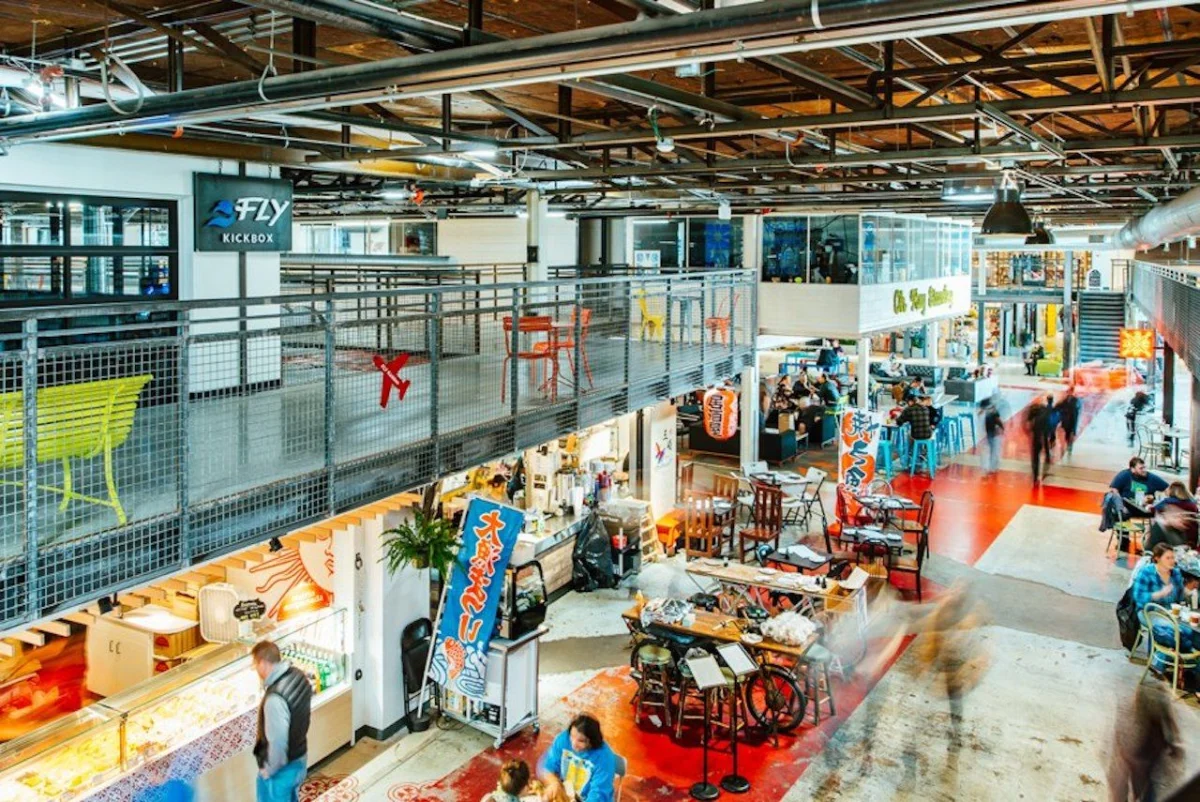
For decades, the industrial corridors of Denver—specifically the warehouse-heavy districts of River North (RiNO) and Lower Downtown (LoDo)—lay dormant, relics of a manufacturing era that had long since retreated. Today, these same neighborhoods serve as the beating heart of a culinary renaissance. The catalyst for this transformation is not a sprawling department store or a corporate plaza, but the humble, high-concept food hall.
By reimagining vacant industrial spaces as hubs of communal dining, developers and local entrepreneurs are effectively stitching together the city’s urban fabric. This movement has not only revitalized neglected real estate but has also provided a necessary platform for a diverse, multicultural demographic to showcase the vibrant flavors of modern Denver.
The Architect of Change: Why Food Halls?
Justin Croft, Vice President of Development at Zeppelin Development, views the rise of food halls as a strategic response to decades of urban stagnation. “Part of the reason that markets are blowing up is that cities, and especially industrial parts, declined for so long,” Croft explains. His firm, which spearheaded the development of The Source, sees these projects as more than just dining venues. “Developers are coming in and building cities and neighborhoods from scratch, one big move at a time, in an effort to create compelling places for people to go.”
The necessity of this model stems from the economic barriers once faced by independent restaurateurs. Two decades ago, the core of most American cities—Denver included—was dominated by national chain restaurants. This monopolization of storefronts made it nearly impossible for “mom and pop” operators to secure prime locations.
“The reason market halls are happening is because there are interesting, independent brands with people who have devoted their lives to that endeavor,” says Croft. “Market halls really make it possible for smaller businesses to come together with their limited budgets and operational capacity, allowing them to pool resources and draw people in to enjoy them collectively.”
A Demographic Shift: The Culinary Tapestry of Denver
The success of these food halls is intrinsically linked to the shifting demographics of the Denver metro area. According to 2024 U.S. Census Bureau figures, the metro population of approximately 3.05 million is becoming increasingly diverse, creating a "perfect landscape" for a broad spectrum of international cuisines to thrive under one roof.
Latino residents represent 24.6% of the population, totaling roughly 750,000 people. This deep cultural foundation is increasingly complemented by a robust influx of global communities. Venezuela, for instance, has emerged as the seventh-largest source of foreign-born residents, with nearly 9,000 individuals calling Denver home. Furthermore, the city’s Asian and African communities have established a significant footprint. Vietnam currently ranks fourth in foreign-born residents (12,700), trailing only Mexico (18,000), India, and China.
This rich demographic tapestry is precisely what allows Denver’s food halls to offer an authentic, global culinary experience, moving far beyond the traditional "food court" model of the 20th century.
Chronology of a Transformation: From Industrial Decay to Culinary Hubs
The shift from industrial warehouse space to vibrant social centers did not happen overnight. The transformation began in earnest during the 1990s, when the construction of Coors Field for the Colorado Rockies acted as an anchor for the north side of the city center. This brought tens of thousands of visitors to areas previously devoid of foot traffic, setting the stage for developers to see the potential in the derelict warehouses.

- 2013: The Source opens in RiNO, marking Denver’s first full-scale, chef-driven food hall.
- 2015: Avanti F+B launches in LoHi, introducing the concept of rotating "incubator" kitchens in repurposed shipping containers.
- 2016: Denver Central Market opens in the heart of Larimer Street, emphasizing the European urban market model.
- 2017: Stanley Marketplace opens in Aurora, redefining the suburban mall as a community-centric, inclusive destination.
- 2018: Denver Milk Market opens in the historic Dairy Block, showcasing the trend of multi-concept, single-owner food hall developments.
Profiles in Innovation: Denver’s Premier Food Halls
The Source (RiNO)
Opening in 2013, The Source remains the gold standard for adaptive reuse. Housed in a 19th-century brick foundry, it blends traditional staples—a butcher, a brewery, and a barber—with high-end culinary experiences. Notable residents like Acorn (led by chef Ian Palazzola) and the innovative Israeli market Safta have turned this venue into a destination rather than just a stop-over. It also anchors the area with a boutique hotel, creating a complete hospitality ecosystem.
Avanti F+B (LoHi)
Avanti F+B represents the "incubator" model. By utilizing repurposed shipping containers and an open, two-story floor plan, the space allows chefs to test new concepts with lower financial risk before committing to a permanent brick-and-mortar storefront. With a patio offering arguably the best view of the downtown skyline, it has become a trendsetter; the success of the Denver location has led the Avanti team to expand into Boulder and Vail.
Denver Central Market (LoDo)
If you are looking for the local iteration of a European-style urban market, this is it. Denver Central Market strips away the artifice of big-box grocery stores, focusing on artisanal quality. Whether it’s the house-made charcuterie or the fresh-baked bread, the market serves as an essential hub for residents of the Larimer Street corridor. Its expansion into the airport in 2018 solidified its status as a staple of the city’s brand.
Stanley Marketplace (Aurora)
Stanley represents a fundamental rethinking of the suburban mall. Located near the Anschutz Medical Campus, it serves as an inclusive, multi-generational destination. From coworking spaces and zero-waste retail shops to high-end Japanese cuisine featuring fish flown in daily from international markets, the Stanley proves that "suburban" does not have to mean "stale."
Denver Milk Market (LoDo)
Taking its name from the city’s historic Dairy Block, this massive project houses 16 permanent kitchens. It is a testament to the diversity of Denver’s culinary scene, offering everything from complex global fusion to surprisingly refined salad concepts, such as The Green Huntsman, which has successfully challenged the notion that a salad-centric kitchen couldn’t thrive in a meat-heavy market.
Implications for the Future of Denver
The implications of this food hall movement extend beyond the dinner plate. These venues have become vital components of the city’s economic and social infrastructure. By lowering the barrier to entry for local entrepreneurs, Denver has fostered an environment where culinary risk-taking is rewarded.
Furthermore, these halls have successfully integrated disparate neighborhoods, encouraging residents to traverse the city and engage with communities they might otherwise have ignored. As the city continues to grow, the food hall model provides a blueprint for how to maintain the "small business" soul of Denver in an increasingly urbanized environment.
As Justin Croft notes, the ultimate success of these spaces lies in their ability to draw people in to enjoy them together. In an age where digital interaction often supersedes the physical, Denver’s food halls are a reminder that the city is, at its core, a place for human connection, shared culture, and the pursuit of the perfect bite.
 Evan Lee Salim
 Nana
 Iffa Jayyana
