
 By rifanmuazin
In an era defined by the rapid encroachment of Generative AI into the creative arts—where "slick, perfect, and boring" is increasingly the default aesthetic—a counter-movement is taking root. For many observers, the fear has been that animation would eventually succumb to the cold, automated efficiency of algorithms. However, this past weekend provided a defiant, tactile rebuttal to that trend.
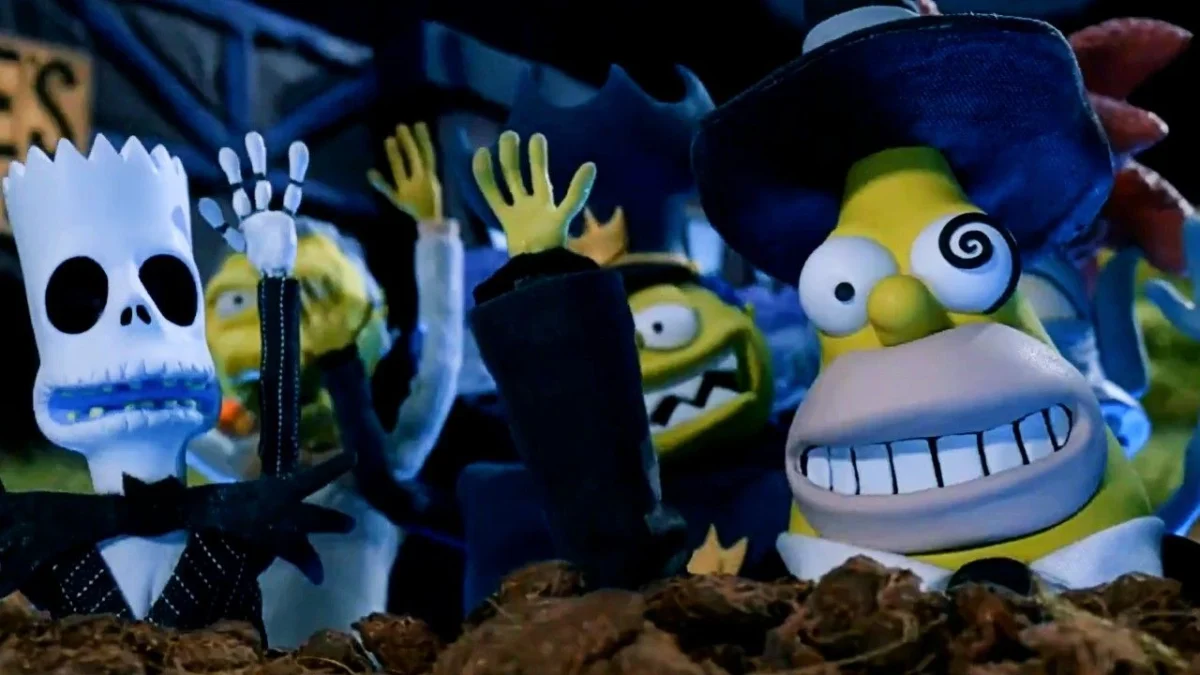
With the theatrical release of Laika’s Wildwood and a startlingly authentic stop-motion opening sequence for The Simpsons’ latest "Treehouse of Horror," the industry is witnessing a deliberate, high-profile pivot back toward the visceral, imperfect, and labor-intensive beauty of the handmade.
The State of Modern Animation: A Fight for Soul
The apprehension surrounding the future of animation is not unfounded. As AI-driven tools like those from Autodesk promise a "press-to-animate" future, critics have voiced concerns that the distinct "human fingerprint" of animation—the subtle imperfections that give a character life—will be smoothed away in favor of cost-effective, algorithmically generated content.
However, the industry’s recent output suggests a different narrative. The success of Laika’s Wildwood, the studio’s sixth feature film, acts as a lighthouse for those seeking an alternative to the digital deluge. By prioritizing physical sets, hand-sculpted puppets, and the frame-by-frame dedication of real human beings, Laika is not merely making movies; it is preserving a craft. The strong box office performance of Wildwood proves that audiences are not just receptive to this aesthetic—they are craving it.
Chronology: From Nightmare to Springfield
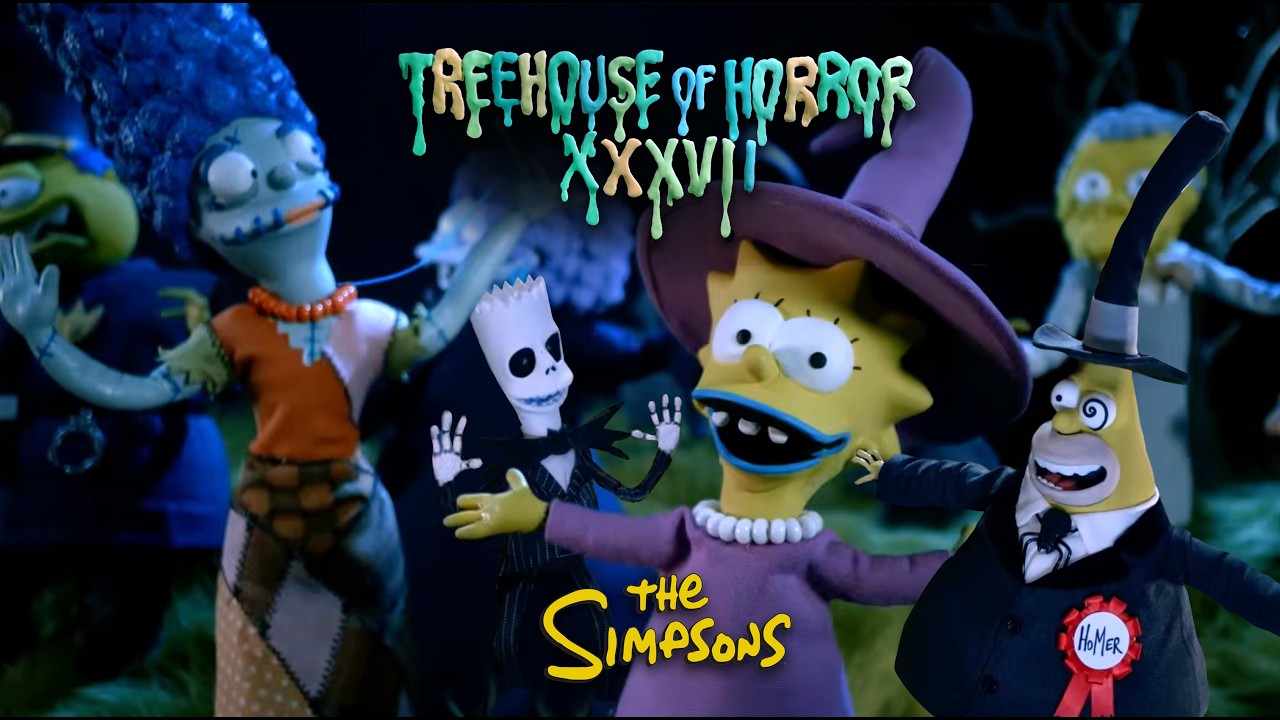
The intersection of classic stop-motion legacy and modern television satire peaked this weekend with the debut of the Treehouse of Horror XXXVII opener. The segment is a meticulous homage to Henry Selick’s 1993 classic, The Nightmare Before Christmas.
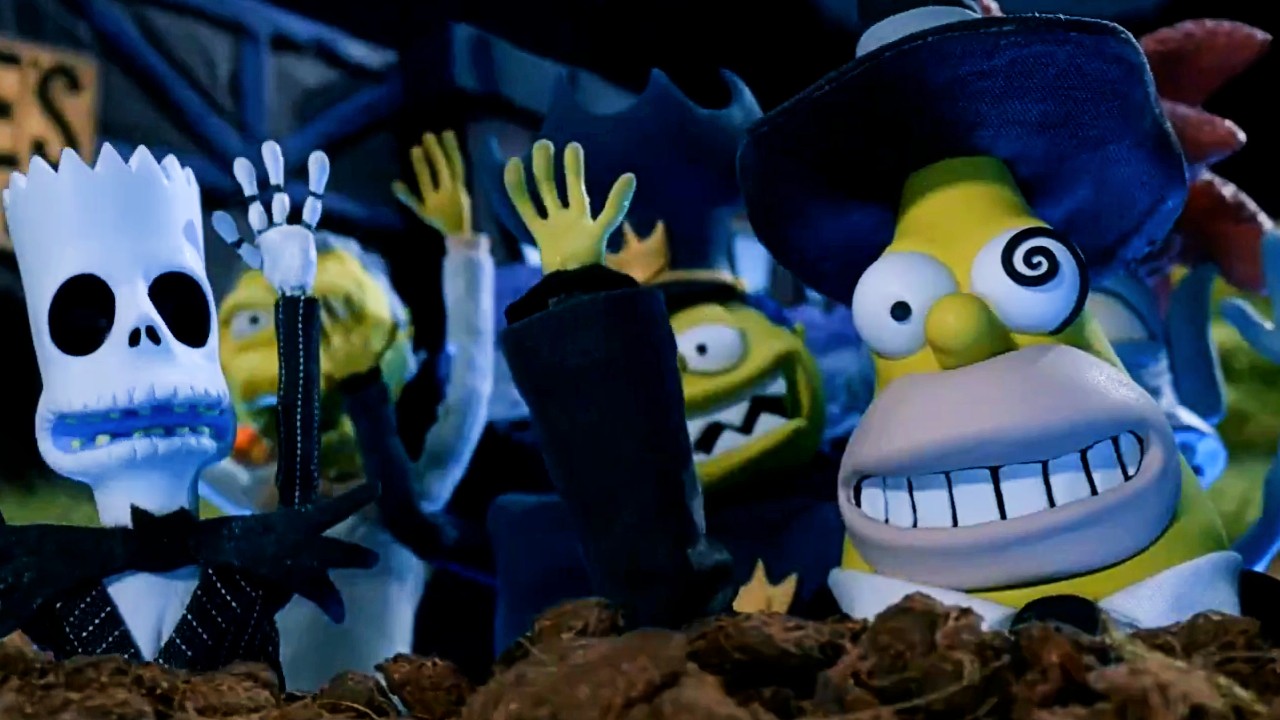
In this brief but dense sequence, the residents of Springfield are reimagined as the ghoulish inhabitants of Halloween Town. Bart takes on the mantle of Jack Skellington, Marge is transformed into a tragic, yarn-stitched Sally, Homer dons the two-faced visage of the Mayor, and Ned Flanders appears as a bug-stuffed Oogie Boogie. The sequence, which features a parody of the iconic "This Is Halloween" musical number, serves as a love letter to the history of stop-motion.
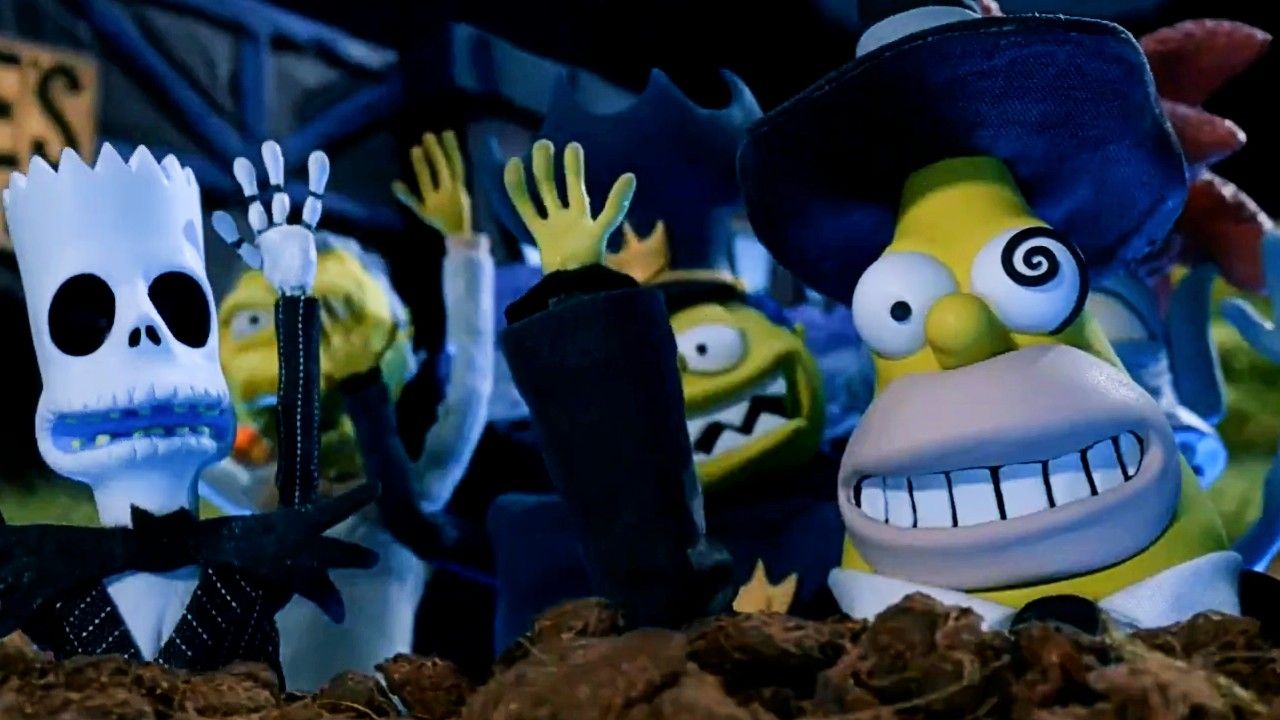
The timeline of this project underscores a commitment to tradition. While modern television production is often pressured to adopt rapid digital workflows, the team at Stoopid Buddy Stoodios—the Burbank-based powerhouse behind Robot Chicken—opted for the "old school" approach. By rejecting 3D printing and choosing to sculpt every element by hand, they bridged the gap between the 1993 aesthetic of Nightmare and the contemporary desire for physical, tangible art.
Supporting Data: The Case for the Physical
The reliance on physical media is not merely a stylistic choice; it is a rejection of the "AI-as-standard" model. John Harvatine IV, co-founder of Stoopid Buddy Stoodios, was clear about the intentionality behind the production. In an interview with Animation World Network, he emphasized that the team "just did old school the whole way, from sculpting by hand."
This sentiment was echoed by sculptor Jim McKenzie, who worked on the Simpsons sequence. Speaking to Entertainment Weekly, McKenzie noted, "I think in a time of AI, to be involved with something that’s truly handmade, it’s very special these days."
This "specialness" is supported by the increasing difficulty of the craft. Stop-motion requires:
- Precision Lighting: Unlike digital rendering, lighting must be managed frame by frame.
- Material Science: Sculptors must account for heat, gravity, and the degradation of materials like clay and silicone over weeks of shooting.
- Human Labor: A single second of animation often requires 12 to 24 individual movements and captures.
While AI can synthesize an image of a stop-motion puppet in seconds, it cannot replicate the physical reality of a puppet that has been manipulated through space, subject to the laws of physics, captured by a real lens.
Official Responses and Industry Sentiment
The industry response to this trend has been overwhelmingly positive, particularly from those who view stop-motion as a vital "antidote" to digital fatigue. The Simpsons has long utilized its Treehouse of Horror specials to experiment with non-canonical, often avant-garde, animation styles. Since 1990, these specials have existed outside the show’s continuity, allowing for the destruction of Springfield and the death of its characters without long-term consequences.
This "non-canonical" freedom has allowed the show to push boundaries. In the new opener, the character Lisa, dressed as a witch, explicitly addresses the audience: "Halloween episodes are not canon." This meta-commentary highlights that the producers understand the value of this format not just as a narrative device, but as an aesthetic sandbox.
The connection to Henry Selick’s 1993 Nightmare Before Christmas is equally significant. When Selick’s film was released, stop-motion was widely considered an archaic technique, a "thing of the past" that stood little chance against the burgeoning digital revolution. Yet, Nightmare proved that stop-motion could be a massive mainstream hit. That success paved the way for films like Coraline, which in turn served as the foundation for the establishment of Laika. To see The Simpsons honoring this legacy today feels like a full-circle moment in the history of the medium.
Implications: The Future of the Human Touch
The implications of this movement are profound for both creators and consumers.
1. The Value of Scarcity
As AI content floods the market, "human-made" will likely become a luxury brand. The time, effort, and physical resources required to produce a stop-motion sequence will act as a hallmark of quality. Audiences are already learning to distinguish between the "uncanny valley" of generated content and the tangible warmth of physical animation.
2. A Call to Action for Studios
For major studios, the success of Wildwood and the viral popularity of the Simpsons stop-motion sequence provide a clear data point: investment in traditional crafts pays off. It suggests that audiences are not looking for the easiest path to content consumption, but for the most compelling, labor-intensive, and emotionally resonant storytelling available.
3. Preserving the Craft
The reliance on techniques like hand-sculpting ensures that the knowledge of traditional animation—the nuances of timing, weight, and character performance—does not die out. By keeping these studios busy with projects that value the human hand, we are effectively subsidizing the training of a new generation of artists who understand the physics of movement in the real world, not just the math of movement in a digital space.
Conclusion
The Simpsons’ Treehouse of Horror stop-motion sequence, while fleeting, serves as a potent reminder of why we care about animation in the first place. These gruesome, delightful, and meticulously crafted puppets are more than just props; they are a manifestation of a "fightback" for creativity.
In a world where software can simulate almost anything, the things that are truly, physically, and laboriously made by hand are becoming the most radical form of art. As we look toward the future of entertainment, the message is clear: if we want to keep our stories from becoming "slick and perfect… but really boring," we must continue to support the artists, sculptors, and animators who are willing to get their hands dirty.
Whether it is the epic scale of Wildwood or a thirty-second parody on a long-running sitcom, the commitment to the physical is a welcome victory. It is, to borrow the sentiment of the creators, a very special thing to see.
 Reynand Wu
 Muslim
