
 By Sagoh
In the hyper-competitive landscape of modern e-commerce, the standard playbook for email marketing is reaching a point of diminishing returns. For years, the industry has been obsessed with a singular, narrow metric: conversion. How do we move a subscriber from the “welcome” sequence to the “cart abandonment” flow, and finally to the “thank you” page? While these transactional automated flows are the backbone of revenue generation, they are increasingly insufficient for long-term brand sustainability.
As market saturation increases and customer acquisition costs (CAC) continue to climb, the brands that win are not necessarily the ones with the most aggressive sales funnels. They are the ones that have cracked the code of digital intimacy. They have moved beyond treating their email list as a collection of leads to be harvested and started treating them as a community to be nurtured.
The Paradigm Shift: From Mailing List to Digital Tribe
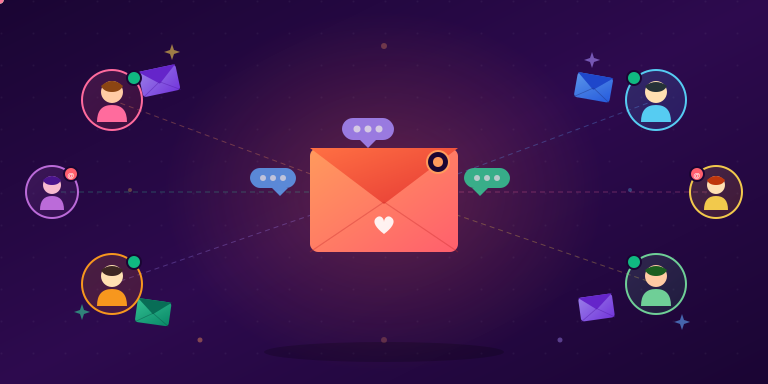
To understand why this shift is necessary, one must first distinguish between a "list" and a "community." A list is a static database—a ledger of email addresses that have opted into your communication. It is a one-way street defined by the brand’s agenda. A community, conversely, is a dynamic ecosystem. It is defined by a shared sense of belonging, common values, and active participation.
The distinction is not semantic; it is structural. When a brand views its audience as a list, every email is an ask: Buy this. Click here. Sign up now. When a brand views its audience as a community, the emails become an exchange: Here is the story behind our latest design. What do you think of this problem we’re trying to solve? How are you using our tools to improve your daily workflow?
The data supports this evolution. In an era where social media algorithms are increasingly volatile and opaque, email remains the final frontier of direct, unmediated access. By leveraging the inbox as a space for conversation rather than just commerce, brands can insulate themselves against the unpredictability of third-party platforms.
Chronology of Connection: Building the Infrastructure of Loyalty
Building a community does not happen overnight; it is a cumulative process that begins the moment a user clicks "subscribe." To move from transaction to transformation, brands must rethink their engagement chronology:
1. The Welcome Phase (Setting the Tone)
The first interaction is the most critical. Instead of hitting a new subscriber with a 20% discount code immediately, forward-thinking brands use this space to establish a shared identity. They introduce the "why" behind the brand, the mission, and the unique point of view that sets them apart from the competition.
2. The Development Phase (Inviting the Insider)
Once the relationship is established, the goal shifts to "insider access." This is where the barrier between creator and consumer is dismantled. By sharing the "messy" parts of business—the prototypes that failed, the packaging dilemmas, the logistical hurdles—brands invite their subscribers to become stakeholders in the journey. This psychological investment turns a passive buyer into a vocal advocate.
3. The Conversation Phase (The Two-Way Street)
The transition to community is cemented when the brand stops broadcasting and starts listening. By incorporating open-ended questions into email campaigns, founders can harvest invaluable qualitative data. This creates a feedback loop where the community influences product development, fostering a deep sense of ownership among the user base.
The Data Behind the Connection
While the "community-first" approach is often criticized as being "soft" or difficult to measure, sophisticated marketers are tracking specific metrics to quantify this intangible connection. If your strategy is working, you should see shifts in the following areas:
- Reply Rates: This is the ultimate litmus test for community health. A high reply rate indicates that your audience feels comfortable and invited to engage with you personally. It signifies that your brand is viewed as a peer, not a faceless entity.
- Forward Rates: When a subscriber forwards your content to a friend or colleague, they are performing a high-trust endorsement. It is a sign that your email is providing value beyond a simple discount.
- List Growth via Referrals: Organic, word-of-mouth growth is the most cost-effective and resilient form of acquisition. If your community feels like a club worth joining, they will do the marketing for you.
- Unsubscribe Patterns: A healthy community doesn’t have zero unsubscribes; it has "intentional" unsubscribes. When people stick around through educational, story-driven, or opinionated emails, you know you have built a loyal base that values your brand identity, not just your price point.
Establishing an Authentic Brand Voice
A brand’s voice is the connective tissue of its community. If your emails could be copy-pasted and sent by a competitor without the reader noticing a difference, you have failed to build a brand identity.
To build a recognizable voice, founders must ask themselves: What does our brand stand for? What are the industry dogmas we disagree with? What are the non-negotiables? When these beliefs are woven into the fabric of every email—whether it’s a promotional blast or a casual update—it creates a sense of consistency that breeds trust. Subscribers don’t just buy what you make; they buy into who you are.
Implications for Modern Founders
The implications for the modern entrepreneur are profound. The reliance on paid social advertising as a primary growth lever is becoming increasingly precarious. By building a community-driven email strategy, you are building an asset that you own entirely.
Founders like those at Foundr have long emphasized that the most durable businesses are those that prioritize relationship equity. When a company hits a rough patch, or when the market shifts, a transactional list will abandon you for a cheaper alternative. A community, however, will stick around to see how you navigate the storm.
Implementation: The Role of Technology
To execute this strategy at scale, you need an infrastructure that balances automation with personalization. Tools like Omnisend have become essential for this transition. By providing advanced segmentation, founders can ensure that the "community-focused" emails reach the right segments at the right time, while automated flows handle the heavy lifting of the sales process.
The objective of these tools should be to automate the transaction so you have the freedom to invest your energy in the interaction. When the software handles the cart abandonment, you have the bandwidth to write a thoughtful, personal note to your top customers, ask them for their feedback, or share a glimpse of the new product roadmap.
Final Reflections
Ultimately, the goal of email marketing in the modern age is not to force a sale; it is to create a sense of belonging. The brands that succeed in the next decade will be the ones that understand that a subscriber is a human being with a story, an opinion, and a desire to connect.
You don’t need a massive, global audience to begin. You need a commitment to consistency, a willingness to be vulnerable, and the courage to stop treating your customers as mere data points. If you start treating your email list like a community, you might find that your most loyal customers are waiting for you to simply reach out and say hello.
For those looking to refine their email strategy, platforms like Omnisend offer the necessary tools to bridge the gap between revenue and relationship. By using code FOUNDR50, entrepreneurs can access exclusive resources to begin building a brand that their customers actually look forward to hearing from.
 Neng Nana
  Basiran
  Azzam Bilal Chamdy