
 By Ali Ikhwan
The global conversation surrounding artificial intelligence is undergoing a profound shift. For the past two years, the discourse has been dominated by the existential question of whether AI should be utilized in creative fields. However, as the technology matures, that binary debate is rapidly evolving into a more nuanced inquiry: how, when, and why should generative AI be harnessed to transcend the limitations of traditional content production?
While the broader public discourse remains fixated on AI-generated imagery and basic productivity hacks, a new wave of visionary creators is leveraging these tools for a more ambitious purpose: the construction of entire, multi-layered fictional universes. At the forefront of this movement is Gerard Bisbal, the creator of NUVAGAIA, an expansive sci-fi transmedia project that serves as a case study for the future of solo-creator output.
The Genesis of NUVAGAIA
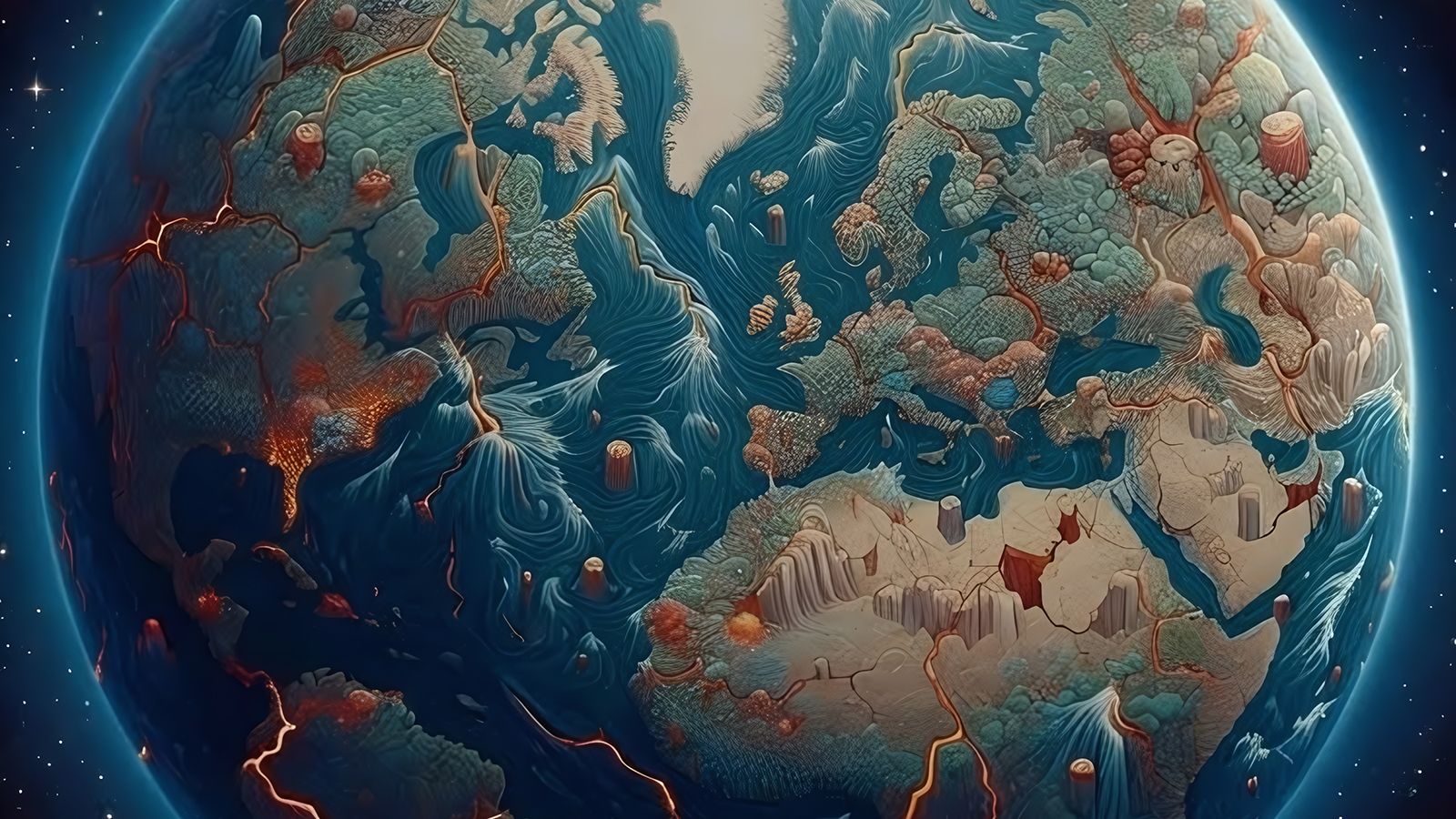
NUVAGAIA is not merely a story; it is a complex, sprawling universe that synthesizes solarpunk optimism with the unsettling aesthetic of cosmic horror. The project manifests across a diverse array of media, including podcasts, written fiction, visual art, video, an expansive wiki, and interactive digital experiences.
Historically, a project of this scale would have been the exclusive domain of major studios. It would have required a global team of writers, illustrators, producers, and developers, alongside a multi-million-dollar budget and the inevitable bureaucratic friction that accompanies collaborative media production. We have seen this traditional model struggle with recent releases like Reflector Entertainment’s Unknown 9: Awakening—a project that, despite high production values, often felt burdened by its own sprawling transmedia ambitions.
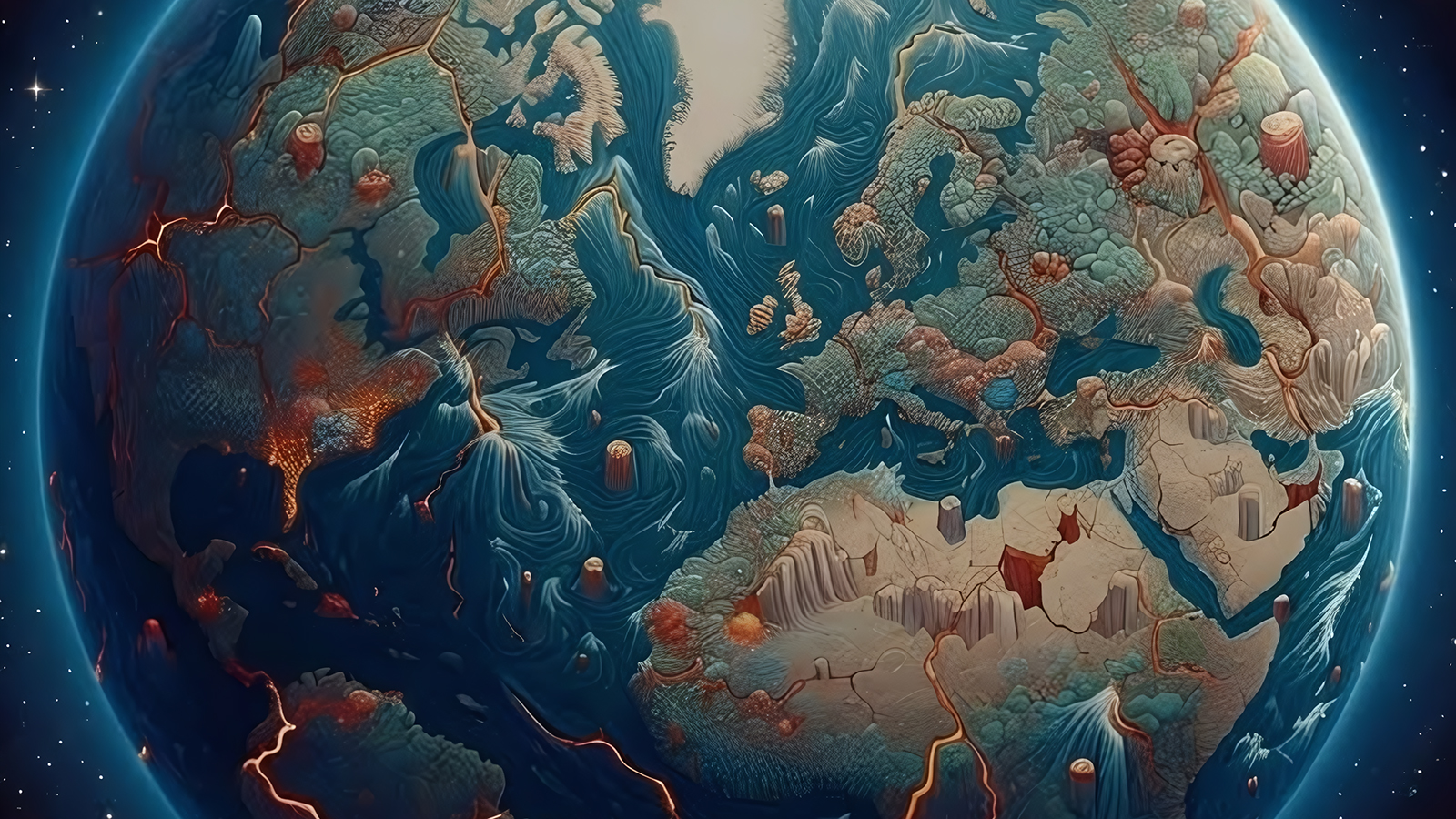
In contrast, Bisbal is architecting NUVAGAIA as a solo creator. By utilizing a sophisticated stack of generative AI tools, he is managing lore development, visual aesthetics, vocal synthesis, and canon continuity with a level of agility that was previously impossible.
A Chronology of AI-Integrated Creation
For Bisbal, the integration of AI was not an afterthought or a secondary layer added to an existing workflow; it was the foundation upon which the project was built.
- Phase 1: Conceptual Research (Pre-Launch): Bisbal utilized AI to conduct a strategic analysis of existing science fiction IP. The goal was to identify "empty" territories in the genre where his specific creative vision could thrive. Through iterative prompt-based research, he landed on the juxtaposition of solarpunk and cosmic horror.
- Phase 2: World Structure: With the premise established, AI was deployed to organize the internal rules of the universe. This included the development of complex civilizations, character archetypes, and a rigid, logical conflict system.
- Phase 3: Transmedia Deployment: Once the "bible" of the world was established, Bisbal began expanding into various formats. The podcast serves as the primary narrative vessel, while the wiki acts as the authoritative archive, and interactive fiction pieces—such as his Thresholds series—allow the audience to influence the canon.
- Phase 4: Ongoing Iteration: Today, the project exists as an evolving system. AI is used not as a replacement for creativity, but as a "working memory," ensuring that every new piece of content aligns with the established logic of the NUVAGAIA universe.
Supporting Data: The Efficiency of the Solo Studio
The primary implication of Bisbal’s work is the democratization of "big-budget" storytelling. By his own estimation, tasks that once required weeks or months of manual labor can now be prototyped or executed in a matter of days.
However, Bisbal is quick to clarify that "efficiency" does not imply "automation." The process remains deeply human-centric. For image generation, he engages in a rigorous cycle of testing variations, discarding the majority of outputs that fail to meet his specific aesthetic standards, and refining the remainder until they fit the NUVAGAIA brand.
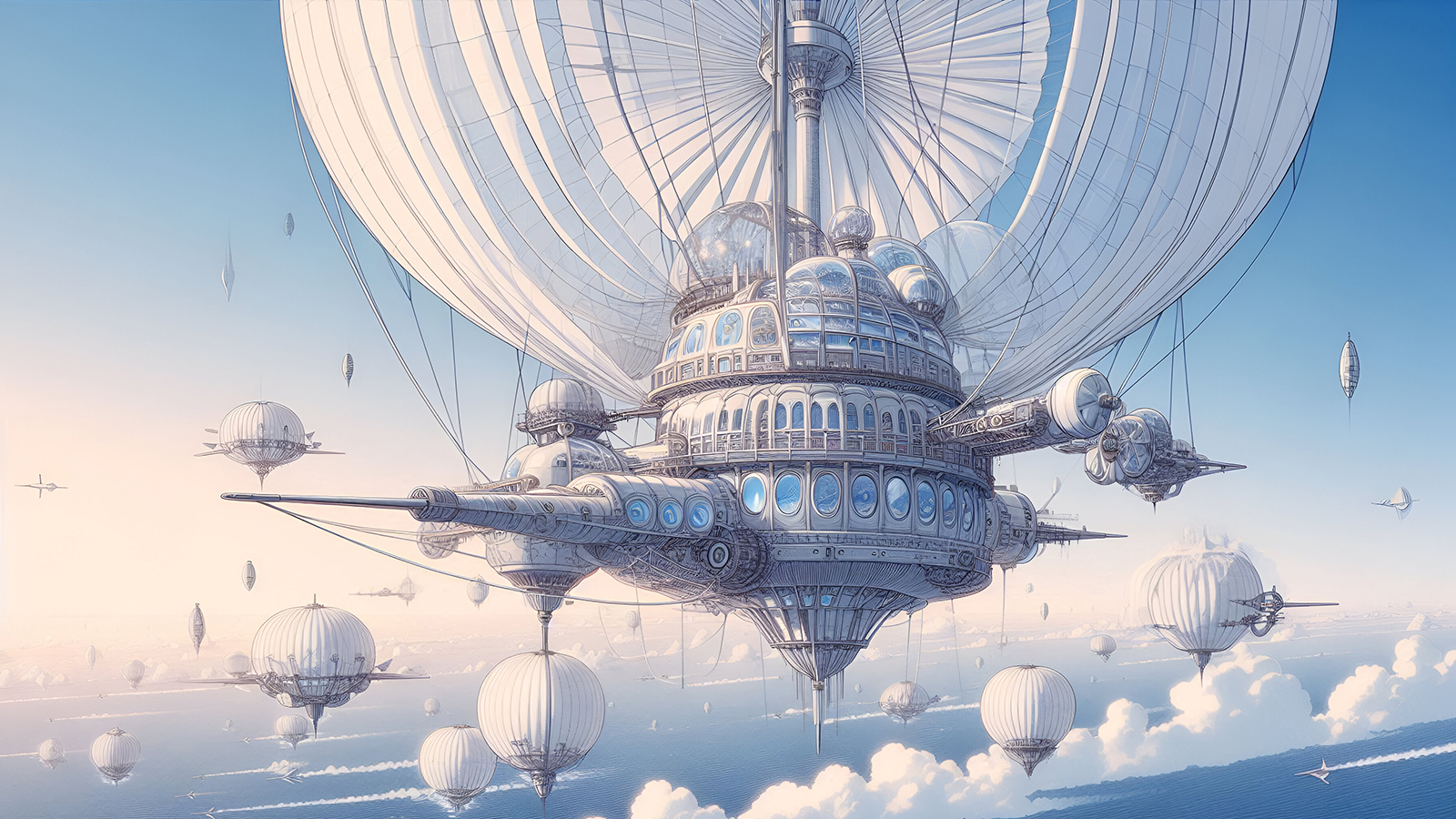
His technical stack reflects a deliberate, curated approach:
- Logic and Strategy: ChatGPT acts as the central brain for worldbuilding, organization, and coherence reviews.
- Scriptwriting: Gemini is employed to support the drafting of podcast scripts, chosen for its adaptability in narrative flow.
- Audio Synthesis: Bisbal utilizes a custom environment built on Google Colab and Gemini TTS, allowing for granular control over tone and pacing.
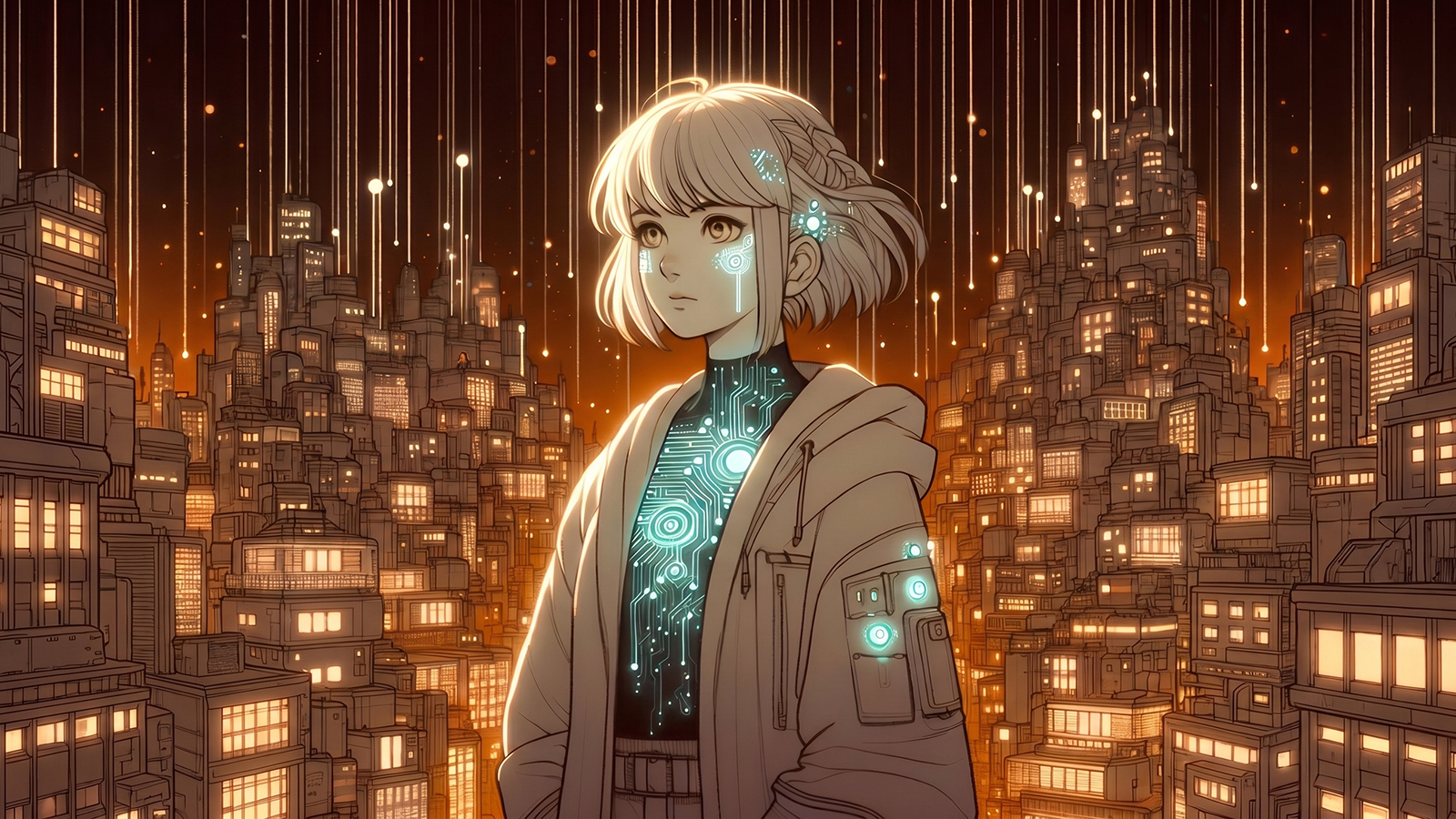
- Visual Identity: DALL-E 3 is the primary driver for imagery, selected specifically for its ability to mimic the "hand-drawn" finish central to his world’s identity.
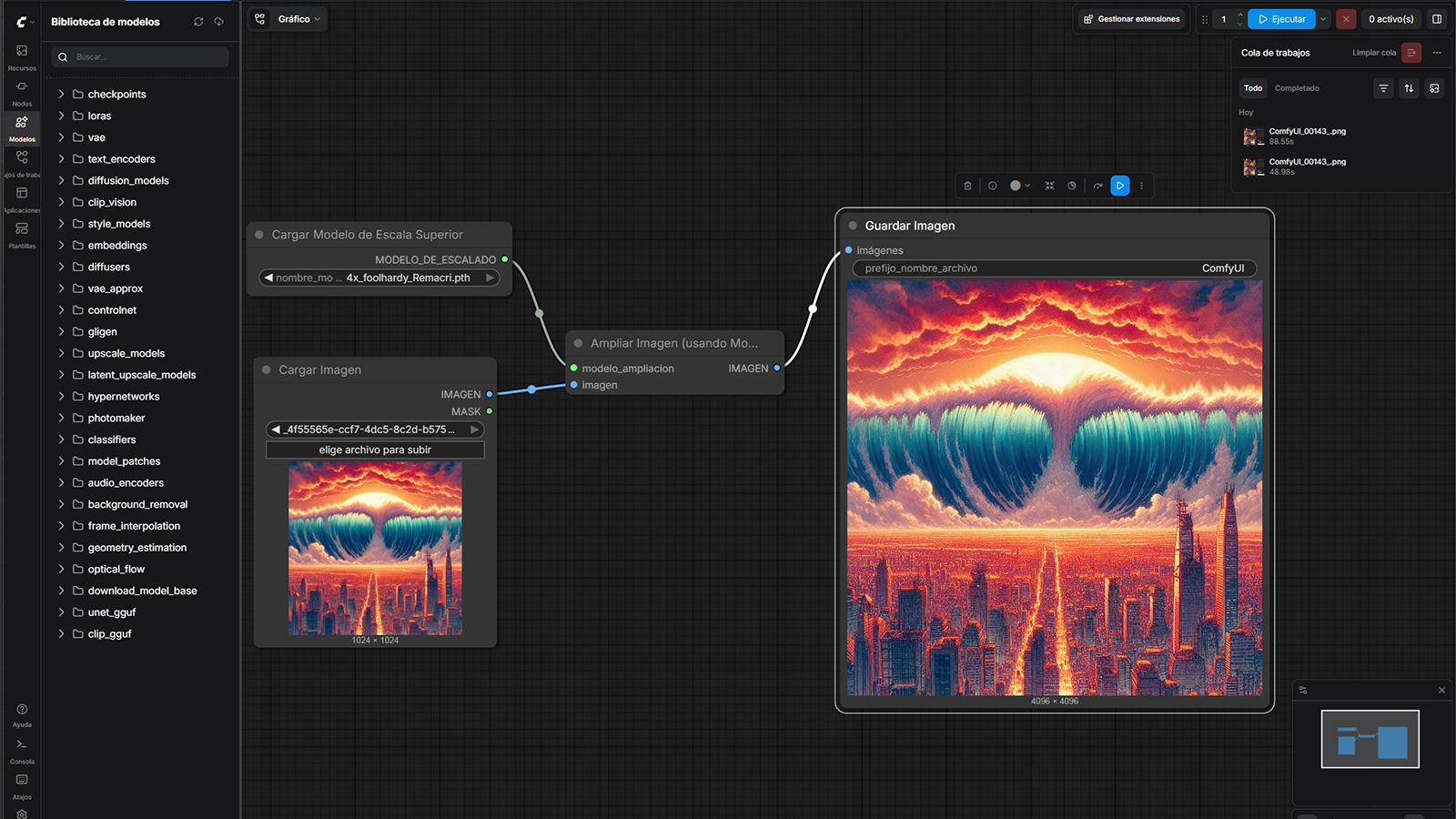
- Post-Production: Tools like ComfyUI and various video-flow models assist in the final retouching and editing stages.
Official Perspective: The Human Element
When asked about the common criticism that AI-generated content is inherently "soulless," Bisbal argues that the fault lies with the user, not the tool. "If you accept the first output as the final answer, you will inevitably produce something generic," he notes.
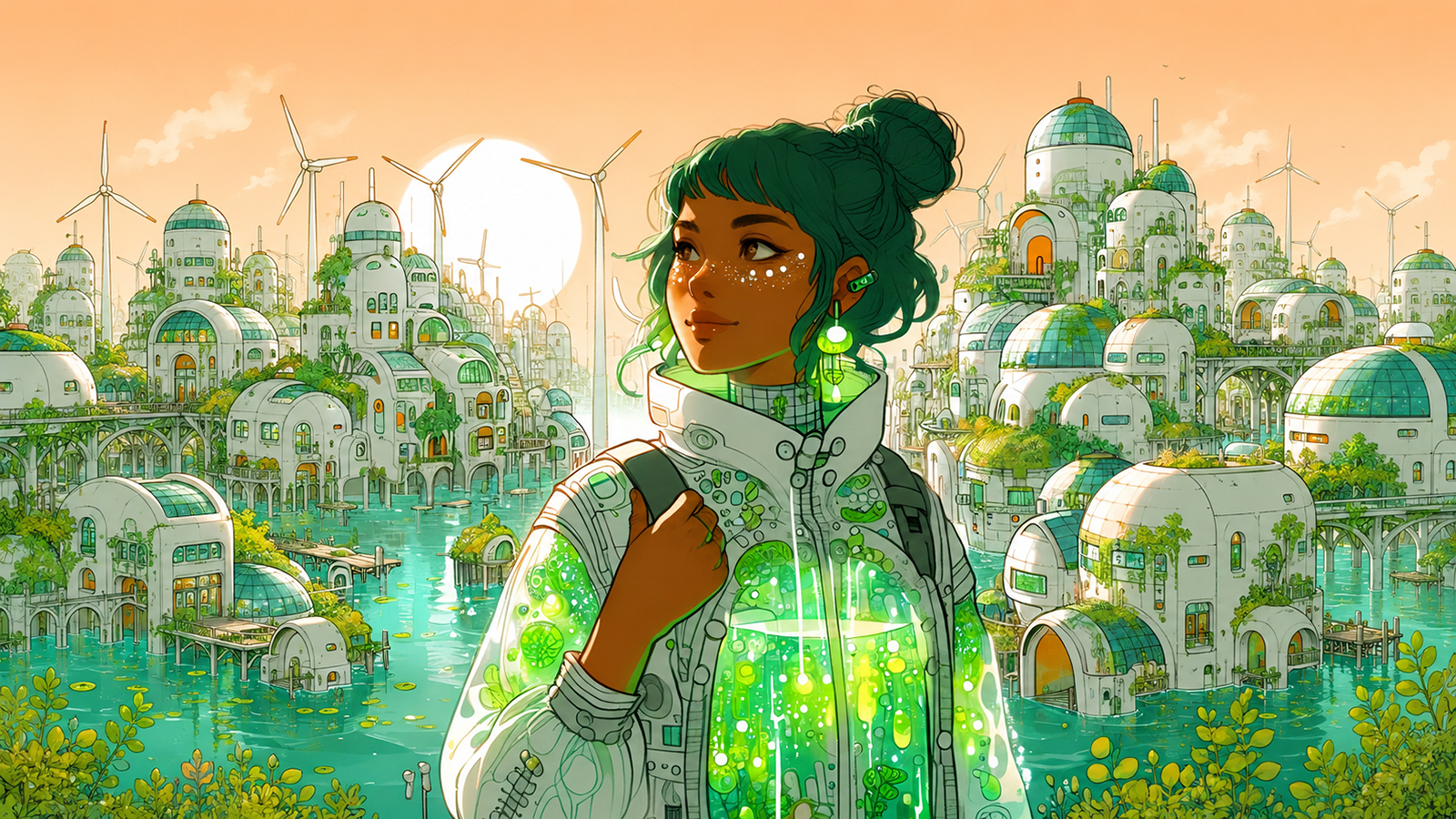
Bisbal’s editorial philosophy centers on the "human question." He ensures that every piece of content, whether a short story or a background image, is rooted in universal human themes such as loss, identity, guilt, or community. If an AI-generated image is visually spectacular but lacks the thematic weight of NUVAGAIA, it is discarded.
His stance on authorship is firm: "AI is a new palette of brushes. It expands what you can attempt, but it does not decide what deserves to exist. Authorship lies in vision, judgment, selection, and direction."
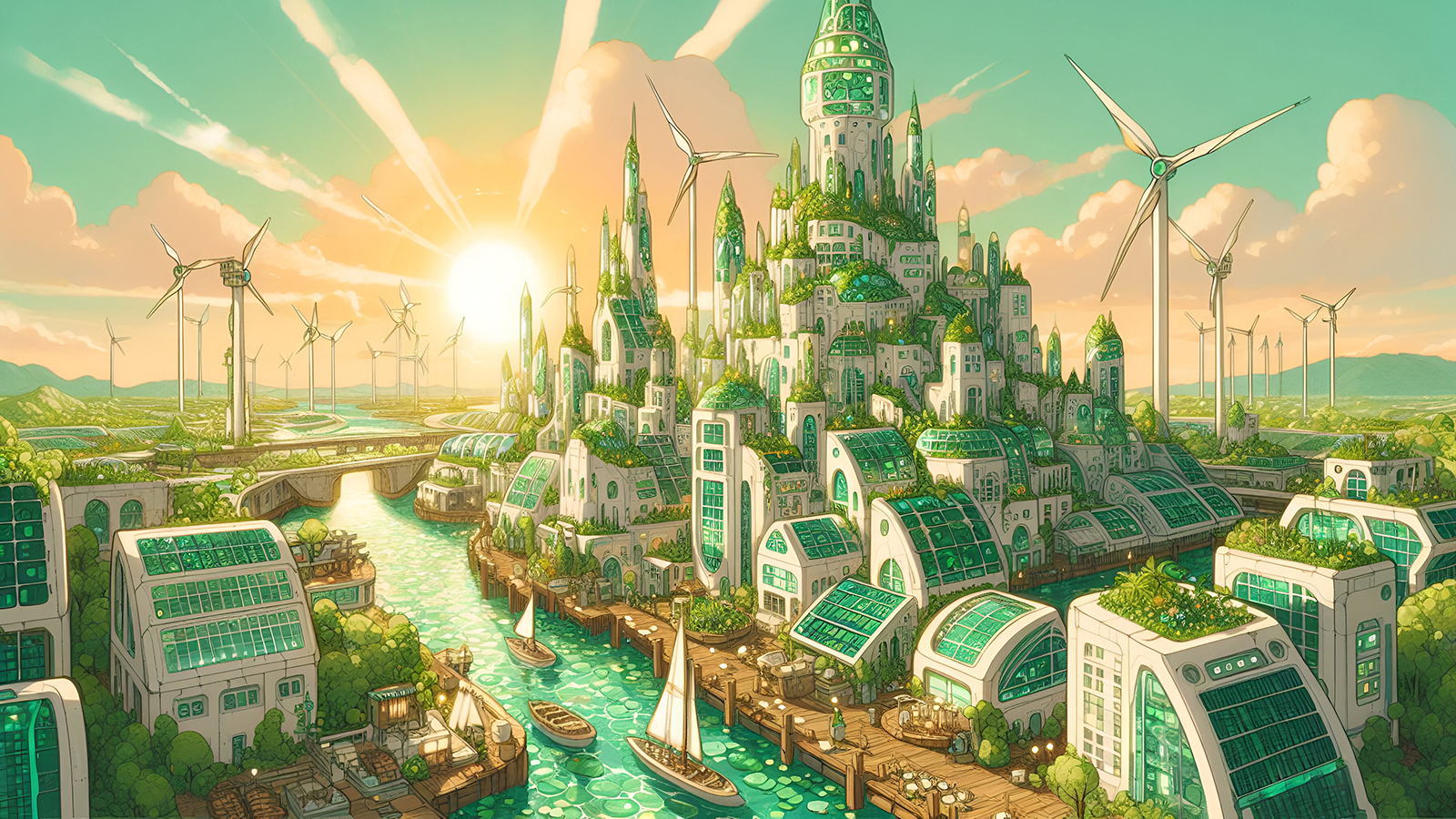
Implications for the Future of Creative Work
The success of NUVAGAIA carries significant implications for the creative industries. We are moving toward an era where the "solo showrunner" is a viable professional archetype. This shift suggests that the barrier to entry for building massive, high-fidelity fictional worlds is lower than at any point in human history.
1. The Death of the "Folder of Notes"
Bisbal admits that without AI, NUVAGAIA would have likely remained a static collection of concepts trapped in a digital folder. By bridging the gap between imagination and materialization, AI has turned the project into a public-facing reality. This suggests that thousands of dormant IPs—ideas currently languishing in the minds of writers and artists—could soon be brought to life.
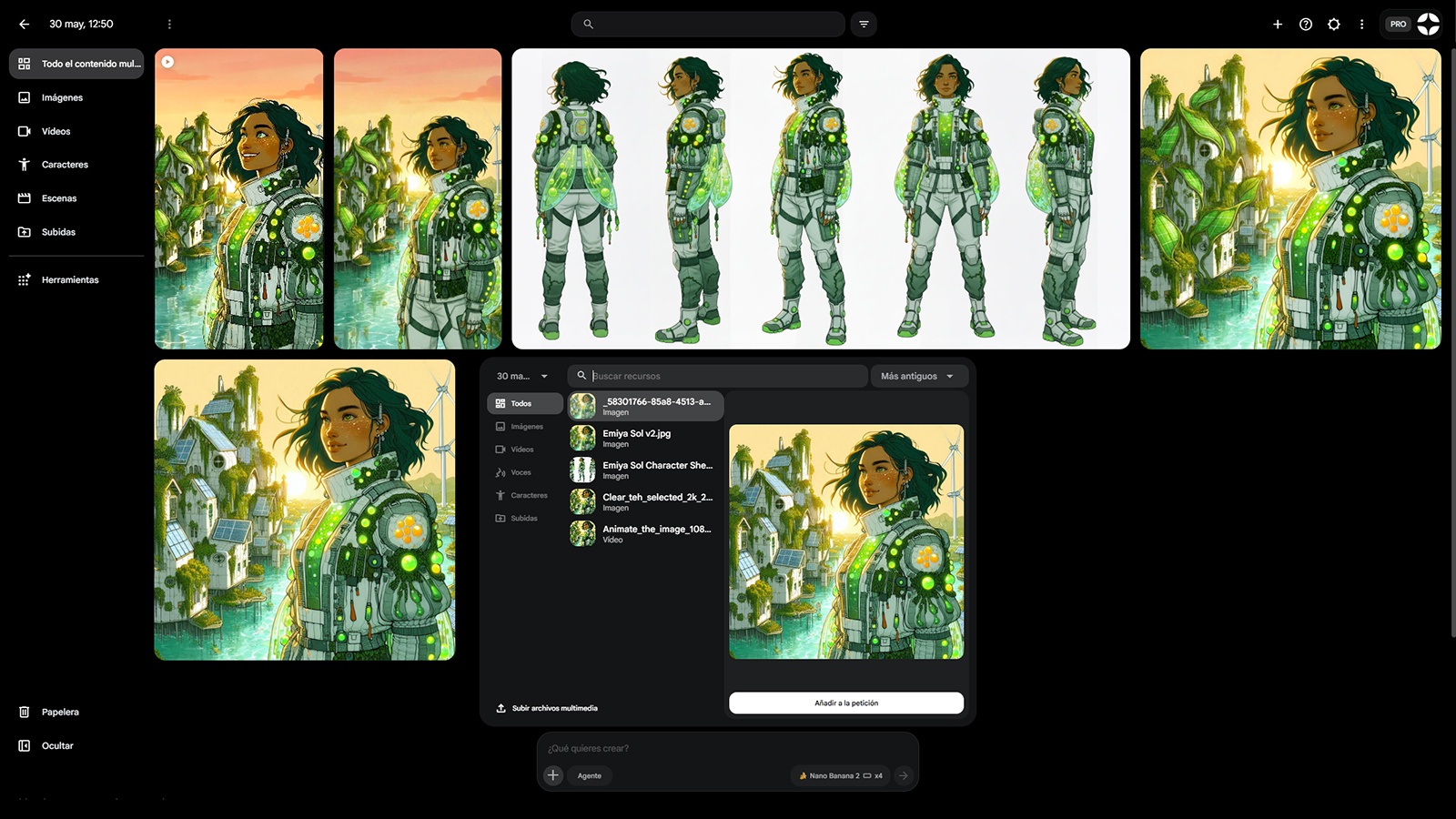
2. The Rise of "Vibe-Coding" and Systematized Storytelling
The concept of "vibe-coding" (a term Bisbal uses to describe the atmospheric development of his website and lore) represents a new frontier in transmedia. By using AI to maintain consistency across formats, creators can ensure that a listener of the podcast has the same visceral experience as a reader of the wiki.
3. Ethical Stewardship
Bisbal acknowledges the legitimate concerns regarding AI—specifically intellectual property, ethics, and the displacement of labor. He advocates for a responsible approach where creators act as "editors-in-chief" of their AI tools. He emphasizes that the responsibility to credit sources, maintain artistic integrity, and provide a fair platform for human work is more critical than ever as these tools become more powerful.
Conclusion: A New Creative Mandate
NUVAGAIA serves as a proof of concept for a decentralized, creator-led future. While the traditional media landscape continues to rely on heavy, centralized production cycles, independent creators are proving that vision and judgment are the most valuable assets in the creative process.
For those who remain skeptical of AI in the arts, Bisbal’s advice is simple: "Start with your own vision, not with the tool." By focusing on the "what" and "why" of a project, the "how" becomes a secondary, albeit powerful, instrument. As the technology continues to advance, the role of the creator will not be to perform the work, but to curate, direct, and imbue the output with the specific human resonance that no algorithm can replicate on its own.
The story of NUVAGAIA is not one of technology replacing art, but of technology enabling a new scale of human expression. As we look toward the future, the most successful creators will be those who, like Bisbal, treat AI as a collaborator rather than a replacement, maintaining the human spirit at the heart of their world-building.
 Lina Hope
  Reynand Wu
  Pevita Pearce