
 By rifanmuazin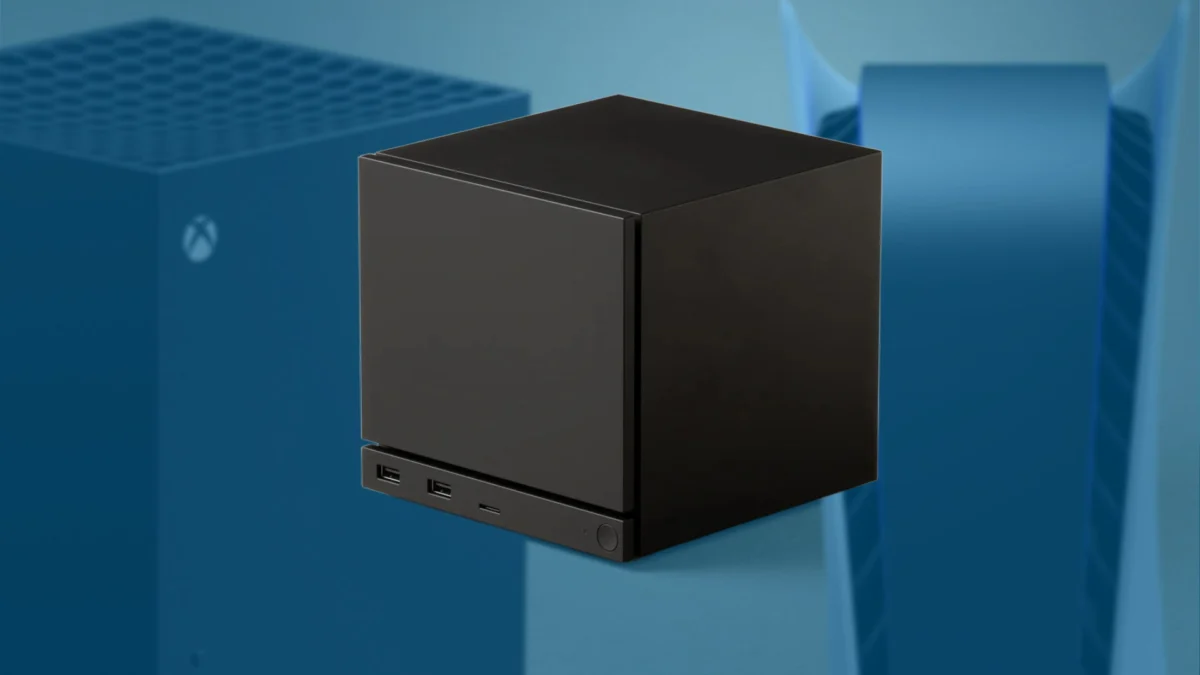
As Valve makes its latest foray into the living room with the launch of the Steam Machine, the company is doing more than just hardware; it is making a profound ideological statement. In an industry where the business model for gaming hardware has remained largely static for decades, Valve is choosing a path of radical transparency and openness. By eschewing the traditional “loss-leader” strategy employed by console giants like Sony, Microsoft, and Nintendo, Valve is challenging the very definition of what a gaming platform is.
The Traditional Console Blueprint: A History of Subsidization
For as long as the console market has existed, the primary players—Sony, Microsoft, and Nintendo—have operated on a razor-and-blades business model. They sell hardware at or below cost, sometimes taking a significant loss on every unit that leaves the factory floor. The goal is to lower the barrier to entry, putting as many boxes as possible into as many living rooms as possible.
Once the hardware is installed, these companies recoup their losses through a "walled garden" approach. They take a cut of every game sold, charge for online subscription services, and mandate strict platform exclusivity. This ecosystem creates a comfortable, curated experience for the consumer, but it inherently limits choice. If you buy a PlayStation, you play PlayStation games; if you buy an Xbox, you are tethered to the Microsoft ecosystem.
Valve, a company built on the foundation of the PC—an inherently open platform—views this model not as a standard, but as a hurdle to true consumer freedom.
The Steam Machine Philosophy: Freedom Over Control
With the official pricing for the new Steam Machine now public, the absence of a subsidized price tag is striking. While industry analysts might have expected a heavily discounted entry-level price to compete with the likes of the PS5 or the upcoming Xbox "Project Helix," Valve is standing firm.
In a recent press release, the company articulated its stance clearly: "While [subsidization] might seem like an easy solution, it doesn’t align with our beliefs about how healthy ecosystems are built. If there’s anything we’re religious about at Valve, it’s our belief that open systems are better in the long run, for ourselves and customers."
Valve argues that subsidization is a tool used by "closed systems" to exert control. By artificially depressing the price of hardware, these companies create a trap where the user is forced into a proprietary environment. Valve’s goal with the Steam Machine is to offer a PC in a console’s form factor, maintaining the flexibility that PC gamers have enjoyed for decades.
Lawrence Yang on the PC Ethos
"A PC is a PC: the second you start locking things into certain SKUs or into certain models, it’s not really a PC anymore," says Lawrence Yang, an interface designer at Valve.
In an exclusive interview, Yang clarified that while the idea of subsidizing hardware was discussed internally, it was ultimately rejected as incompatible with their mission. "We don’t think that people should be locked into a game store," Yang noted. Unlike traditional consoles, the Steam Machine is hardware that respects the user’s autonomy. Owners are free to install Windows, alternative game launchers, or even entirely different operating systems. For Valve, the hardware is not a prison; it is a gateway.
The Market Landscape: Competition and "Project Helix"
As Valve attempts to carve out a niche in the living room, it faces a shifting horizon. Microsoft, for instance, is reportedly developing "Project Helix," a hybrid device intended to bridge the gap between high-end PC gaming and traditional console convenience. Xbox boss Asha Sharma has teased that the device will "lead in performance" and play both Xbox and PC titles.
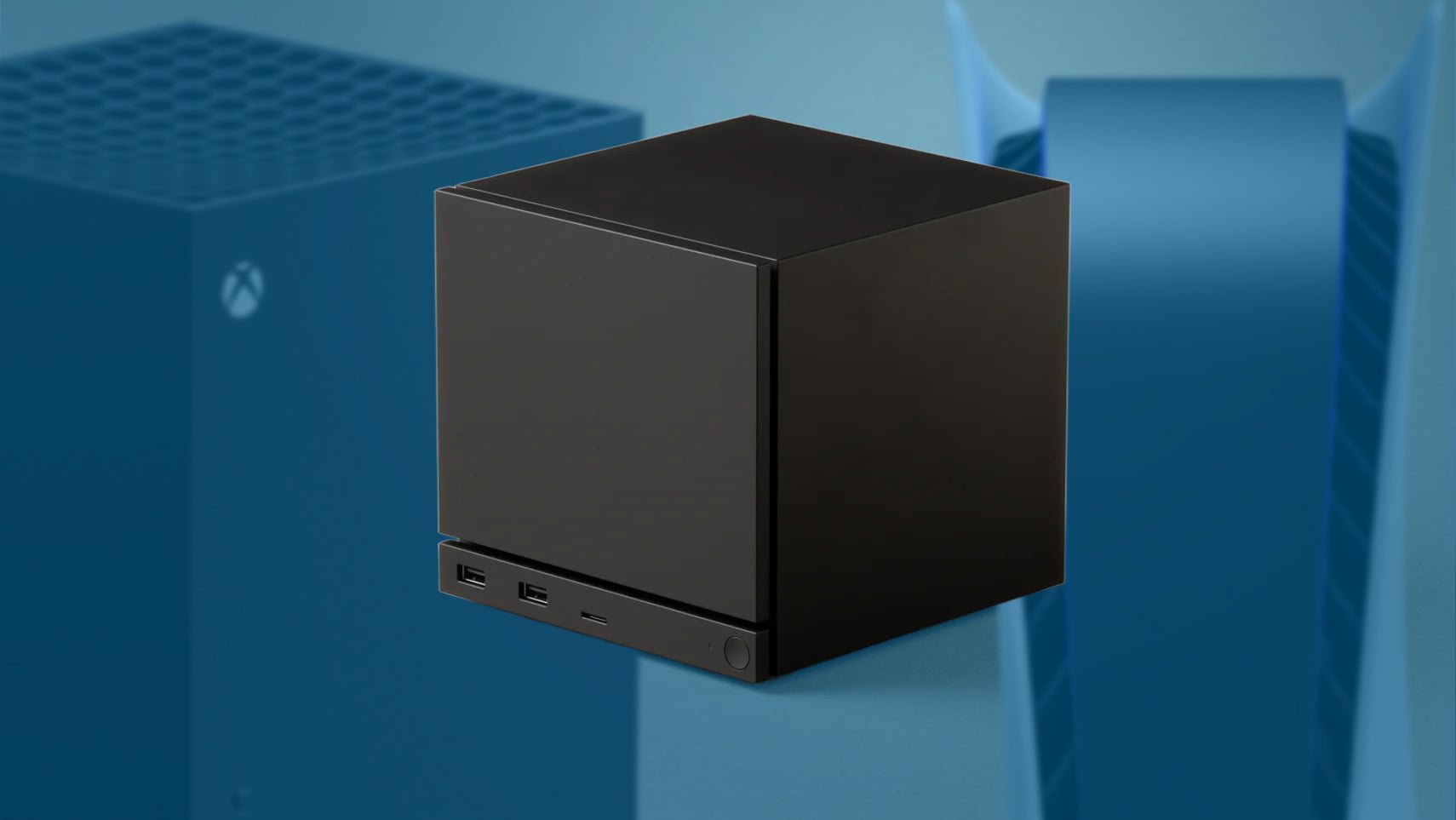
The looming question is whether Microsoft will subsidize Project Helix to gain market share. If they do, they could theoretically offer a more powerful device at a lower price point than Valve’s Steam Machine.
When asked about the threat of such competition, Valve engineer Yazan Aldehayyat offered a surprisingly optimistic take. "We believe in choice," Aldehayyat said. "The more options people have, the better. Steam Machine is just one more way for people to play their games. If [Project Helix] offers different performance points or experiences, that’s great for the consumer."
This perspective underscores a fundamental difference between Valve and its competitors: Valve views the health of the PC gaming ecosystem as a collective victory, whereas traditional console manufacturers view the market as a zero-sum game where one winner must dominate.
The Price of Autonomy: Analyzing the Costs
Despite the ideological purity of Valve’s approach, the practical reality of the Steam Machine’s pricing is difficult to ignore. The entry-level model, equipped with a 512GB SSD, retails for £879. Adding the highly-regarded Steam Controller brings the total to £938. For those seeking higher performance, the 2TB model climbs to £1,149, or £1,428 with the controller.
These prices position the Steam Machine firmly in the premium category, far removed from the "impulse buy" price point of a standard console. This high barrier to entry has already sparked debate among enthusiasts and industry observers. While Valve did not initially intend for the machines to be this expensive, the current market for high-quality components has dictated a premium price.
Chronology of the Launch
- Late last year: Valve announces the Steam Machine initiative, signaling a move toward living room hardware.
- Early current month: Pricing and reservation details are finalized, confirming a premium tier strategy.
- Mid-month: Pre-orders open to the public, with limited stock available.
- Late-month: Official dispatch and rollout begin, coinciding with critical reviews from outlets like Eurogamer.
Implications for the Future of Gaming
The success of the Steam Machine will not necessarily be measured by how many millions of units it sells compared to a PS5 or Xbox. Instead, its success may be measured by its influence on the industry’s trajectory.
If Valve can prove that there is a viable market for "open" living room hardware, it could force a paradigm shift. If consumers begin to prioritize the ability to own their software and move it between devices, the pressure on companies like Sony and Nintendo to open their own platforms could mount. Conversely, if the Steam Machine fails to gain traction due to its price, it may reinforce the narrative that the "walled garden" is the only sustainable model for the mass market.
Furthermore, the "Project Helix" developments suggest that the industry is already moving toward a hybrid model. The lines between "console" and "PC" are blurring. As these two worlds collide, Valve’s insistence on a device that doesn’t restrict the user—that allows for the installation of other storefronts and operating systems—may prove to be a visionary safeguard against a future of total digital gatekeeping.
Conclusion: A New Standard?
"If you buy a game, you should be able to play it on any PC." This statement from Valve serves as the cornerstone of their current hardware philosophy. It is a sentiment that resonates with a growing demographic of gamers who are increasingly wary of the limitations inherent in proprietary consoles.
While the Steam Machine faces an uphill battle against established, subsidized giants, it occupies a unique space. It is a piece of hardware that acts less like a console and more like an extension of the PC gaming heritage. Whether this philosophy of openness can survive in the brutal, price-sensitive reality of the living room remains to be seen. However, for those who value choice, autonomy, and the ability to define their own gaming experience, Valve is offering something that no other company currently dares to: a true, open-ended PC that just happens to fit under your television.
 Laily UPN
  Nila Kartika Wati
  Asro
Asro 