
 By Sagoh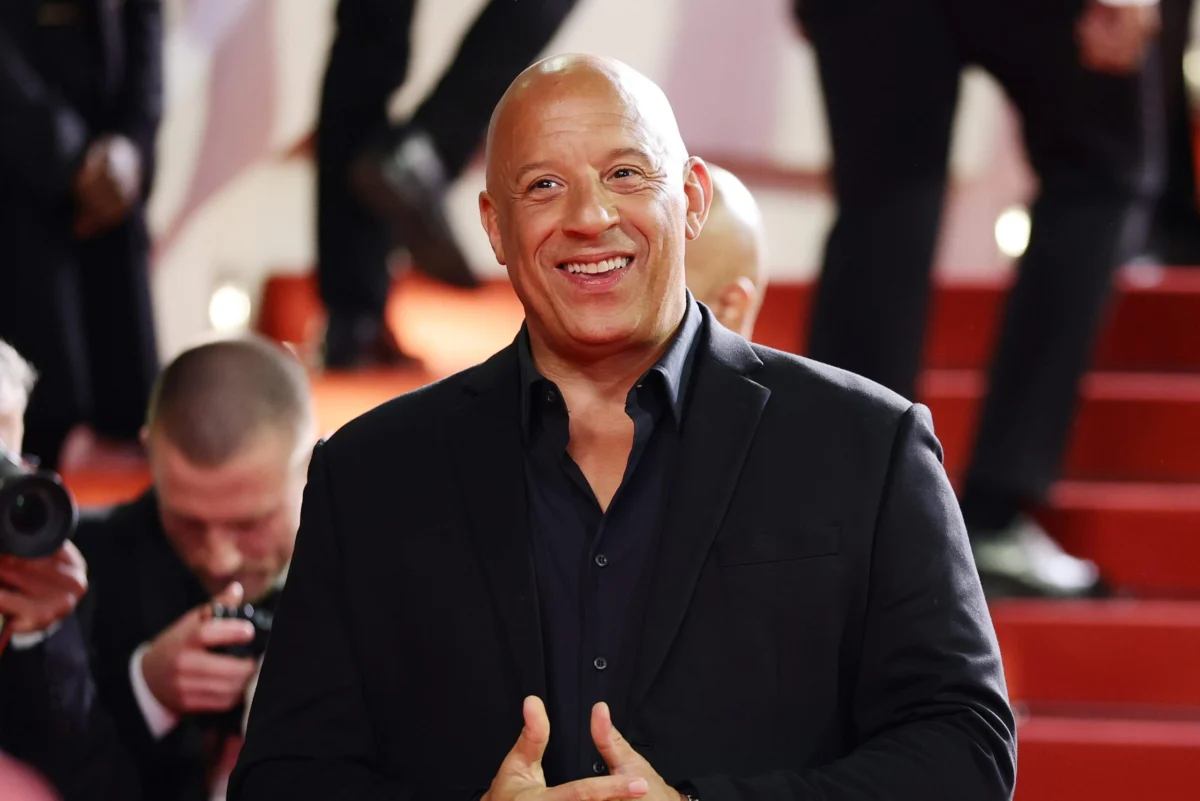
The engines are revving one last time. For over two decades, the Fast and the Furious franchise has defined the modern blockbuster, blending high-octane spectacle with an enduring, albeit occasionally hyperbolic, focus on the theme of "family." Now, as the saga approaches its definitive conclusion, star and producer Vin Diesel has provided fans with a rare, candid glimpse behind the curtain of Fast Forever, the 11th and final installment of the core cinematic series.
On Thursday, Diesel took to Instagram to share a set update, signaling that the production is in full swing. With a release date firmly set for March 17, 2028, the pressure to deliver a fitting end to a multi-billion dollar legacy is higher than ever.
A Legacy in Motion: The Final Lap
For the cast and crew, Fast Forever is not merely another sequel; it is the culmination of a journey that began in the streets of Los Angeles in 2001. Standing on set, a visibly reflective Diesel addressed his global fanbase directly.
"I’m on set. People are grinding. Incredible crews are working," Diesel remarked in his video update. "I just wanted to take a second to say thank you. You guys are the best audience in the world, best fans in the world. You’ve been patient to the industry, you’ve been patient to the studio, and you’ve been patient with me. Over the past three and a half years, we’ve been grinding to try to make the most amazing finale."
The sentiment of patience is well-founded. The development of the final chapter has been a marathon, marked by shifting industry landscapes, the complexities of post-pandemic filmmaking, and the monumental task of wrapping up a story that has spanned continents and defied the laws of physics.
Chronology: From Street Racing to Global Dominance
To understand the significance of Fast Forever, one must look at the trajectory of the franchise. What started as a modest crime drama about underground street racing has evolved into a global phenomenon of unprecedented scale.
- 2001: The Fast and the Furious is released, introducing the world to Dominic Toretto and Brian O’Conner.
- 2003–2006: The franchise experiments with 2 Fast 2 Furious and Tokyo Drift, the latter of which became a cult classic that would later tie back into the main narrative.
- 2009: The "soft reboot" Fast & Furious reunites the original cast, cementing the series as a blockbuster powerhouse.
- 2011–2015: Fast Five through Furious 7 represent the "Golden Era" of the franchise, shifting the tone toward heist-centric, globe-trotting action. Furious 7 remains the peak, grossing $1.5 billion worldwide and serving as an emotional tribute to the late Paul Walker.
- 2017–2023: The series reaches even higher levels of absurdity and scale, including trips to space and deep dives into the Toretto family history.
- 2028: The slated release of Fast Forever, bringing the primary cinematic saga to a close.
Supporting Data: The Financial Heavyweight
The Fast and the Furious series is not just a cultural touchstone; it is a financial juggernaut. With over $7 billion in total box office receipts, it stands as Universal Pictures’ most successful and longest-running franchise in history.
This success has been characterized by consistent international appeal. While many domestic franchises see a drop-off in foreign markets, Fast and the Furious has historically performed exceptionally well in markets ranging from China to Latin America, thanks to its diverse cast and emphasis on universal themes of loyalty and brotherhood.
The studio’s decision to move toward a "final" film suggests a strategic pivot. By concluding the core saga, Universal is essentially resetting the brand, allowing it to transition into a new phase of multimedia expansion rather than continuing to iterate on a single narrative thread that has arguably reached its ceiling.
Beyond the Toretto Family: Diesel’s Expanding Horizons
While Fast Forever is the current priority, Diesel is already looking toward his post-franchise career. During his set update, the actor was quick to highlight his upcoming projects, specifically his collaboration with Mattel Studios on a film adaptation of the classic tabletop game Rock ‘Em Sock ‘Em Robots.
"I’ve been lucky to embark on other characters during the wait for Fast Forever," Diesel noted. His involvement as both a writer and star in the Mattel project signals his intent to remain a key creative force in Hollywood beyond his tenure as Dominic Toretto. This transition is critical for an actor who has been so synonymous with a single role for nearly 25 years. His ability to cultivate new intellectual properties will be the true test of his longevity as a producer in the post-Fast era.
The Implications: A Shift to Television
The conclusion of the film franchise does not mean the end of the Fast and the Furious brand. In a move that surprised many, Universal and Diesel announced earlier this year that the franchise would be expanding into the television space via Peacock.
During the NBCUniversal upfront presentation, Diesel revealed that four separate television shows set within the Fast and the Furious universe are currently in development. "For the last decade, we have realized that the fans have wanted more," Diesel explained. "They wanted us to expand the legacy characters, their stories. And for the last decade, the desire has been for us to enter the TV space."
The involvement of Donna Langley, the chairman of the Universal Studio Group, appears to be the catalyst for this expansion. Diesel credited her leadership with ensuring that the "integrity of the characters" and the "international appeal" of the brand would be preserved in a serialized format.
The Strategic Value of the Peacock Expansion
The pivot to television serves several strategic purposes:
- Retention: By moving the franchise to a streaming service, Universal can keep the brand active without the immense pressure of a $200 million+ theatrical production schedule.
- Character Depth: Television allows for a slower, more nuanced exploration of secondary characters who often get sidelined in the two-hour theatrical format.
- Brand Ecosystem: Much like Marvel or Star Wars, Universal is attempting to build a self-sustaining ecosystem where the legacy of the films feeds into the new streaming content, keeping the audience engaged long after the final credits of Fast Forever roll.
Closing Thoughts: Making the Fans Proud
As the production of Fast Forever continues, the weight of expectation is palpable. The "Fast" family has grown from a small group of street racers to a global team of operatives, and the audience expects a finale that honors this evolution.
"I can feel your support, and that means the world to me," Diesel said to his followers. "So, let me get back to this filming, and just know that I hope to make you all proud."
Whether the final film can recapture the emotional resonance of Furious 7 or the high-octane thrills of Fast Five remains to be seen. However, one thing is certain: the legacy of the Fast and the Furious is cemented in the bedrock of cinema history. From 2001 to 2028, the ride has been long, often chaotic, and undeniably successful. As the final checkered flag approaches, the industry—and the fans—will be watching closely to see if Dominic Toretto can cross the finish line with the same intensity he started with nearly three decades ago.
The road is ending, but for the Fast universe, the journey is simply entering a new gear.
 Siti Muinah
  Ammar Sabilarrohman
  Layla Zulfa