
 By Iffa Jayyana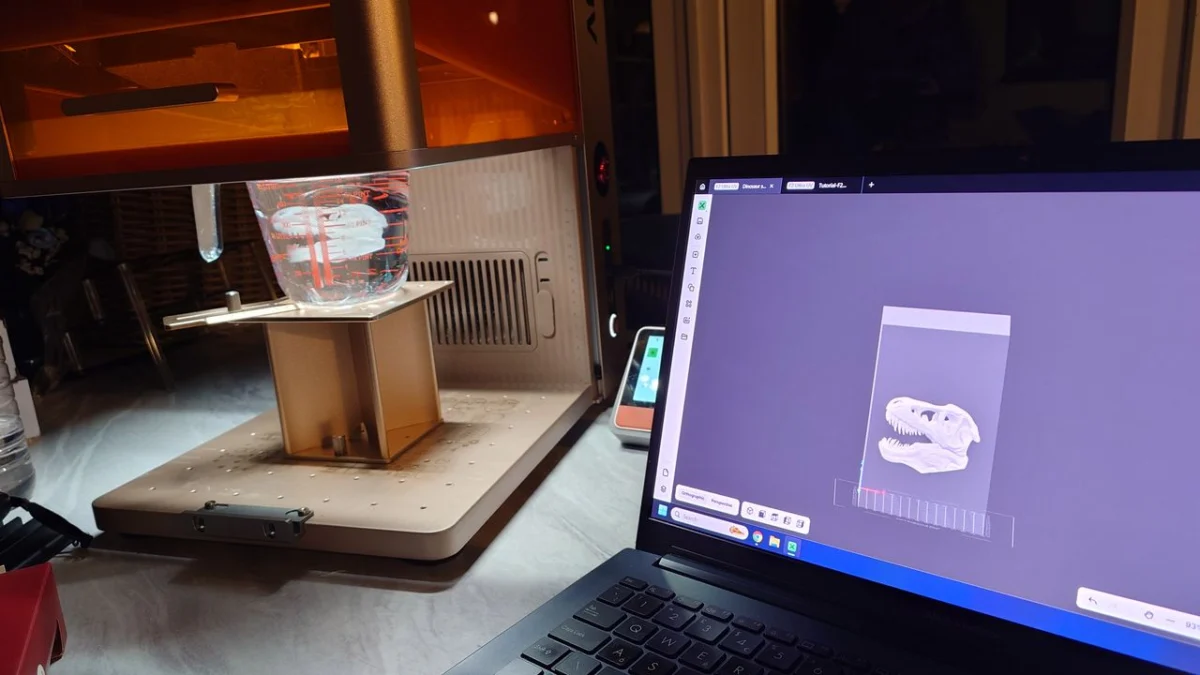
The landscape of desktop fabrication is undergoing a seismic shift. For years, the hobbyist and professional maker markets have been dominated by CO2 and diode lasers, tools that excel at surface etching and material cutting. However, a new frontier has emerged: sub-surface engraving. The xTool F2 Ultra UV laser is currently at the vanguard of this movement, offering a level of precision that allows users to manipulate materials in ways previously reserved for high-end industrial facilities.
For many, the idea of engraving inside a glass object—leaving the surface perfectly smooth while the interior is intricately marked—seemed like science fiction. Yet, recent testing reveals that this capability is not only possible but increasingly accessible for home studios and small-scale manufacturing.
The Core Technology: How UV Laser Engraving Works
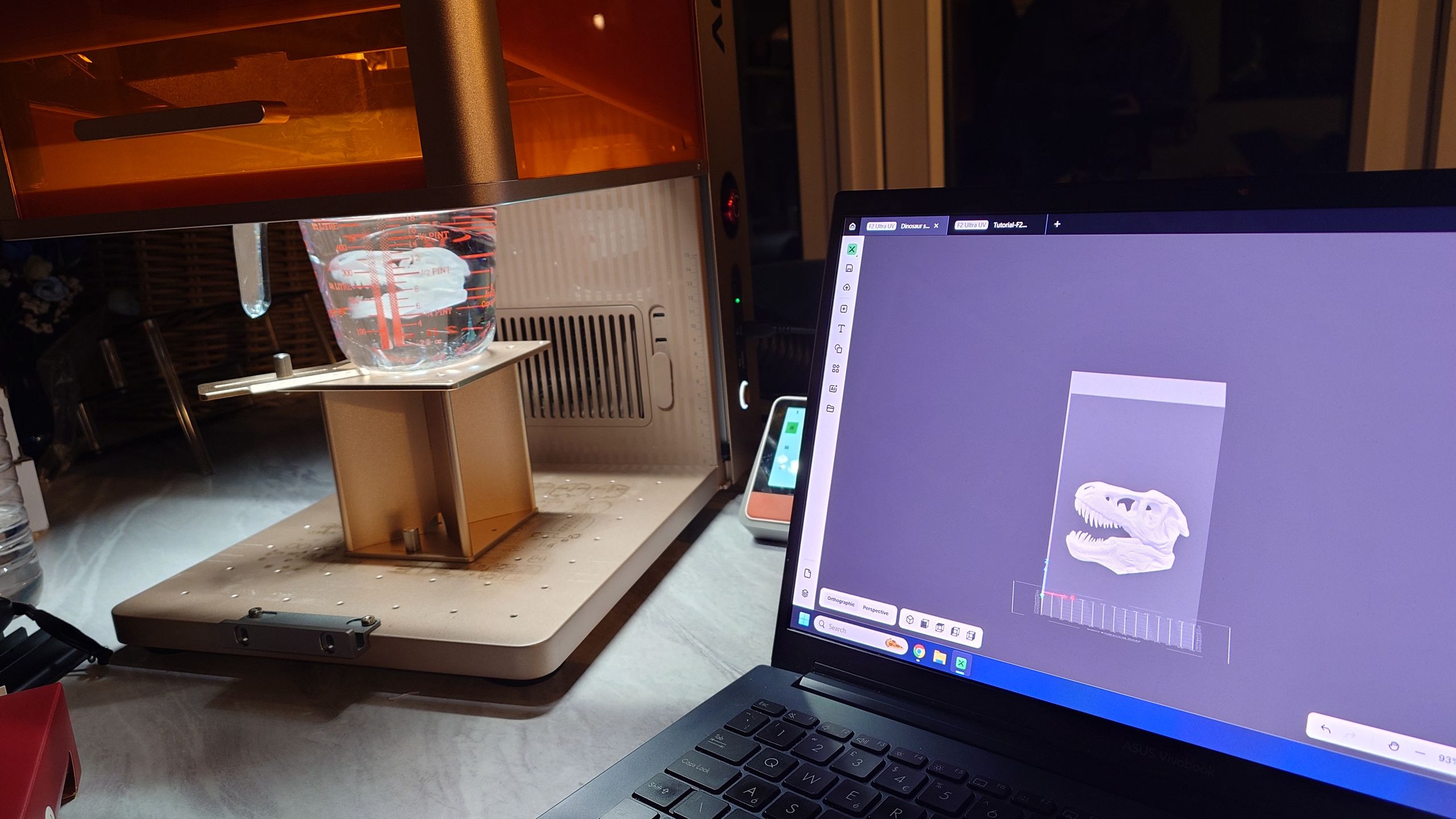
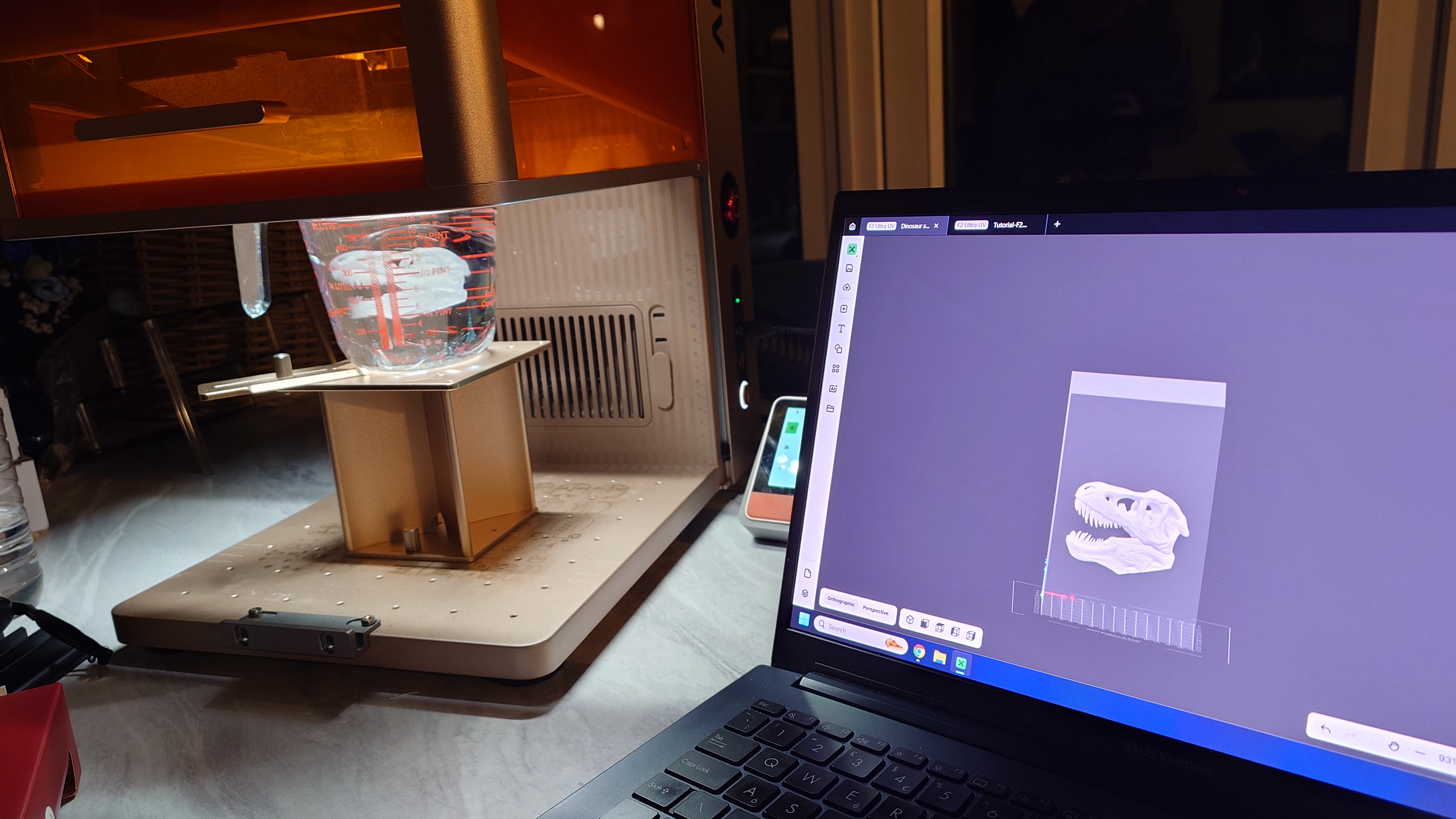
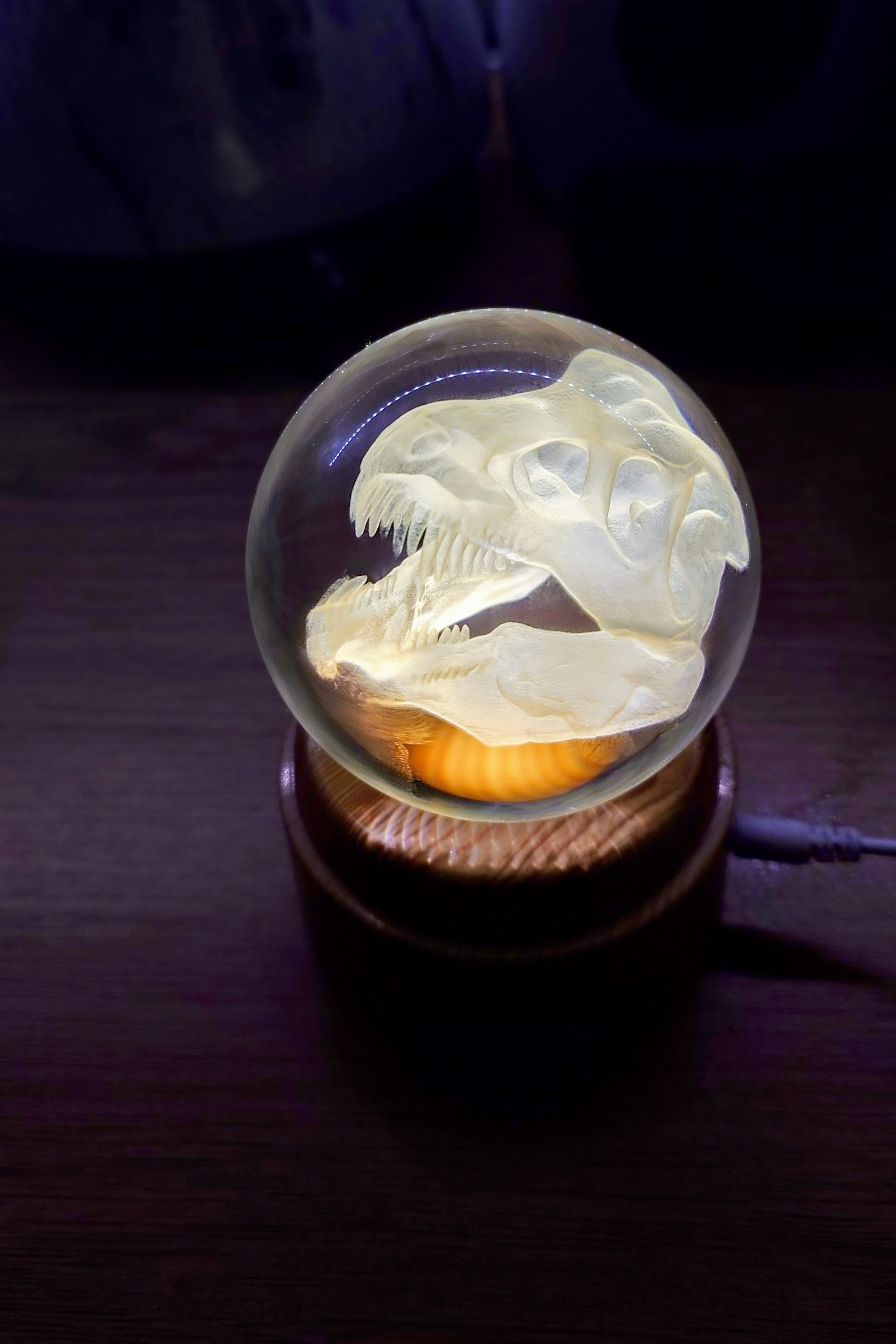
At the heart of the xTool F2 Ultra lies a 5W UV laser system. Unlike traditional diode lasers, which operate in the visible light spectrum and rely on thermal absorption to burn or vaporize material, the UV laser operates at a much shorter wavelength. This allows for "cold" processing. Because the energy is so focused and the wavelength so short, the laser can pass through transparent materials like glass or acrylic without damaging the surface, focusing its energy instead at a specific focal point beneath the surface.
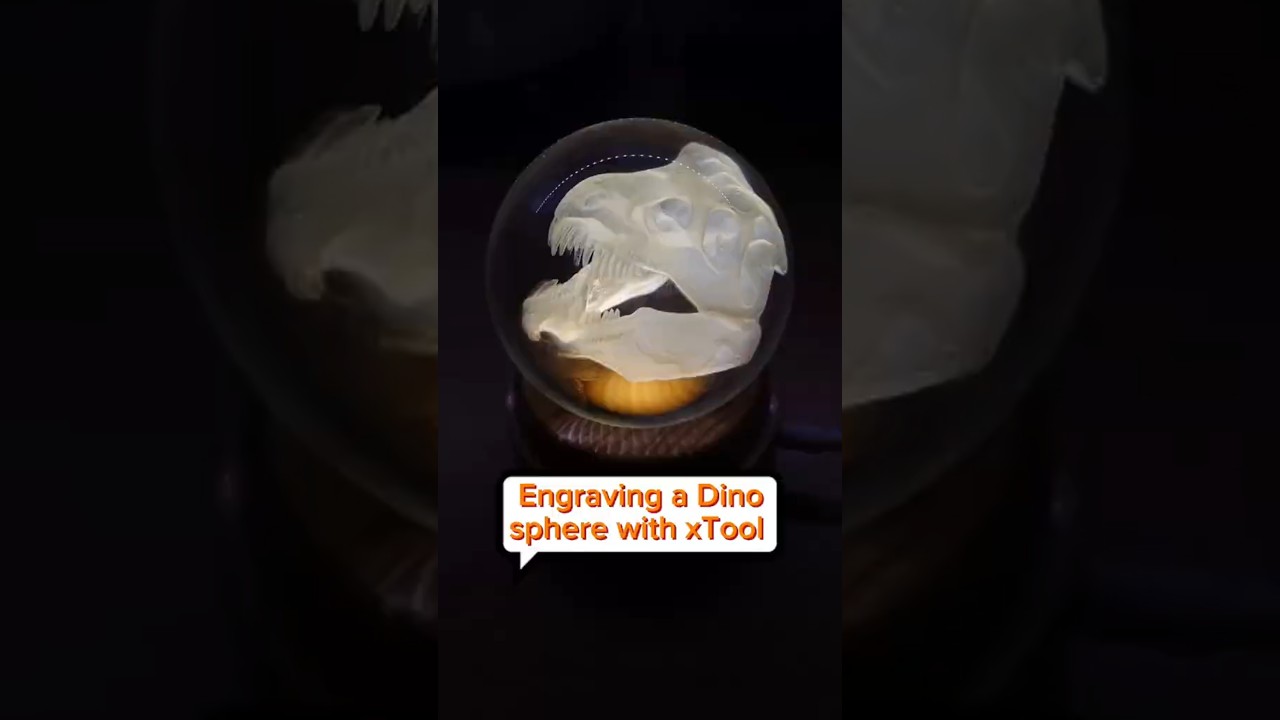
This allows for the creation of intricate 3D-like structures, such as a dinosaur skull suspended within a solid glass sphere, without ever breaking the exterior integrity of the object. For designers and artisans, this opens up a new catalog of possibilities for bespoke jewelry, high-end corporate gifts, and personalized art.
A Chronology of Innovation in Desktop Fabrication
The trajectory of xTool’s recent product launches provides a clear window into the company’s broader strategy: the democratization of industrial-grade technology.
- Q1 2024: The market saw a significant uptick in the demand for multi-material compatibility. Users were no longer satisfied with wood and acrylic; they wanted to experiment with metals, stone, and delicate glassware.
- Mid-2024: xTool introduced the F2 Ultra, specifically engineering it to handle the delicate physics of sub-surface engraving. During initial testing phases, the machine demonstrated an unprecedented ability to handle high-contrast marking on challenging materials like stainless steel and glass.
- Late 2024: Following the success of the F2, xTool unveiled the O1 Omni 4-in-1 texture printer. This signaled a pivot toward "omnidirectional" manufacturing, where the goal is to provide a single, unified ecosystem that can print on, cut, or engrave almost any material a creator encounters.
This rapid sequence of releases suggests that the "home factory" concept—a vision where a single studio can produce professional-grade retail products—is no longer a theoretical goal, but a present reality.
Supporting Data: Efficiency and Material Versatility
What makes the F2 Ultra stand out in a crowded market is not just its "wow factor," but its efficiency in a production environment.
Batch Processing Capabilities
In professional settings, time is the primary constraint. The F2 Ultra is designed for batch processing, allowing designers to set up multiple items—such as business cards, promotional tokens, or wedding invitation components—and process them in a single run. The software integration allows for high-speed alignment, which is critical when working with small, intricate pieces.
Material Compatibility Index
- Glass/Crystal: Capable of interior engraving (sub-surface) and delicate surface etching.
- Metals: Excellent for deep engraving and high-contrast annealing on stainless steel, aluminum, and titanium.
- Polymers: Ideal for high-definition marking on acrylics and engineering plastics, with minimal edge charring.
- Paper/Cardstock: Superior precision for fine-detail cutouts, essential for the high-end stationery market.
Compared to traditional fiber lasers, the F2 Ultra’s UV module provides a more versatile "Swiss Army knife" approach, making it an ideal entry point for creators who do not want to purchase three separate machines to achieve three different types of finishes.
Official Responses and Industry Impact
In discussions with industry experts, the consensus is that the xTool ecosystem is shifting the power dynamic between independent creators and large-scale manufacturing firms.
"The ability to perform sub-surface marking is a game-changer," notes a lead product developer at xTool. "Our goal with the F2 Ultra was to remove the ‘barrier to entry.’ We wanted a designer to be able to pull a glass sphere out of a box, place it under the lens, and produce a gallery-quality piece in minutes, not hours. The feedback from the community—from wedding stationers to tech-art hobbyists—has confirmed that there was a massive, underserved demand for this level of precision."
The release of the O1 Omni further underscores this, as it aims to bridge the gap between digital design and physical texture. By combining texture printing with laser capabilities, xTool is positioning itself as a comprehensive solution provider rather than a mere hardware vendor.
The Implications for Creative Entrepreneurs
For the creative professional, the implications of these advancements are profound.
1. The Death of Outsourcing
Traditionally, custom engraving on difficult materials required sending files to third-party industrial shops, incurring high setup costs and long lead times. With machines like the F2 Ultra, the "middleman" is eliminated. Entrepreneurs can iterate designs in real-time, moving from a digital concept to a finished prototype in under an hour.
2. High-Value Customization
The "personalization economy" is booming. Consumers are willing to pay a premium for items that feel unique and high-end. Sub-surface glass engraving, in particular, offers a "premium" aesthetic that is difficult to replicate with traditional printing or vinyl cutting. This allows makers to justify higher price points for their goods.
3. Workflow Integration
The software suite provided by xTool has evolved to meet these needs, offering features like AI-powered image tracing and automatic material recognition. This allows creators with little technical experience in laser physics to achieve professional results. The learning curve has been drastically flattened, moving the focus from "learning how to use the machine" to "designing the next great product."
Challenges and Considerations
While the technology is impressive, it is not without its challenges. Users must be aware of the safety requirements inherent in using a Class 4 laser system. Proper ventilation and eye protection are non-negotiable. Furthermore, while the F2 Ultra is designed to be user-friendly, mastering the specific settings—such as pulse frequency and power levels—for different types of glass (borosilicate vs. standard soda-lime) requires a degree of experimentation.
The "first-try success" reported by many users is a testament to the machine’s automated features, but true mastery comes from understanding the interplay between material chemistry and laser energy.
Conclusion: A New Era for the Maker
The xTool F2 Ultra UV laser is more than just a tool; it is a catalyst for creativity. By bringing industrial-grade sub-surface engraving into the home and studio, it has effectively unlocked a new dimension of design. Whether you are a wedding stationery professional looking to add depth to your offerings, a jeweler experimenting with glass, or a tech enthusiast looking to push the boundaries of what is possible on a desktop, the current generation of laser hardware offers an unparalleled canvas.
As we look toward the future of digital crafting, it is clear that the line between "amateur" and "pro" is blurring. With the right technology in hand, the only remaining limit is the imagination of the creator.
About the Author:
Beth is a seasoned Ecommerce Writer specializing in creative technology. With a Master’s degree in Photography and a deep background in hardware testing, she focuses on finding the tools that bridge the gap between complex engineering and artistic expression. Whether she is reviewing the latest laser cutters or deep-diving into the world of digital crafting, her mission is to make high-end technology accessible to every maker.
 Nana Muazin
  Raul Delapena Setiawan
  Ammar Sabilarrohman