
 By Neng Nana
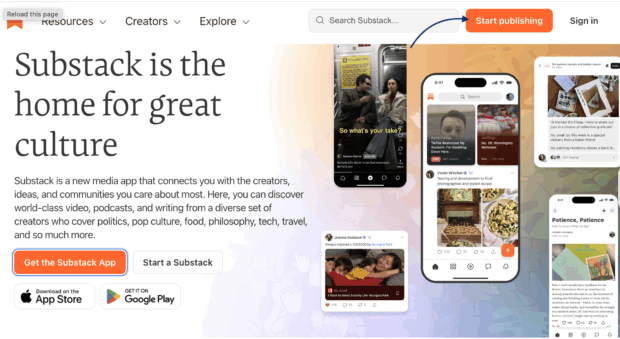
In an era defined by volatile social media algorithms and the erosion of traditional media gatekeepers, Substack has emerged as a formidable force in the digital landscape. What began in 2017 as a streamlined tool for independent writers has evolved into a multi-faceted ecosystem combining elements of blogging, email marketing, social networking, and direct-to-consumer monetization. As we move into 2026, the platform is no longer just a haven for journalists; it has become a critical pillar for brands, marketers, and multimedia creators seeking to "own" their audience relationships.
Main Facts: The Architecture of the Direct-to-Inbox Model
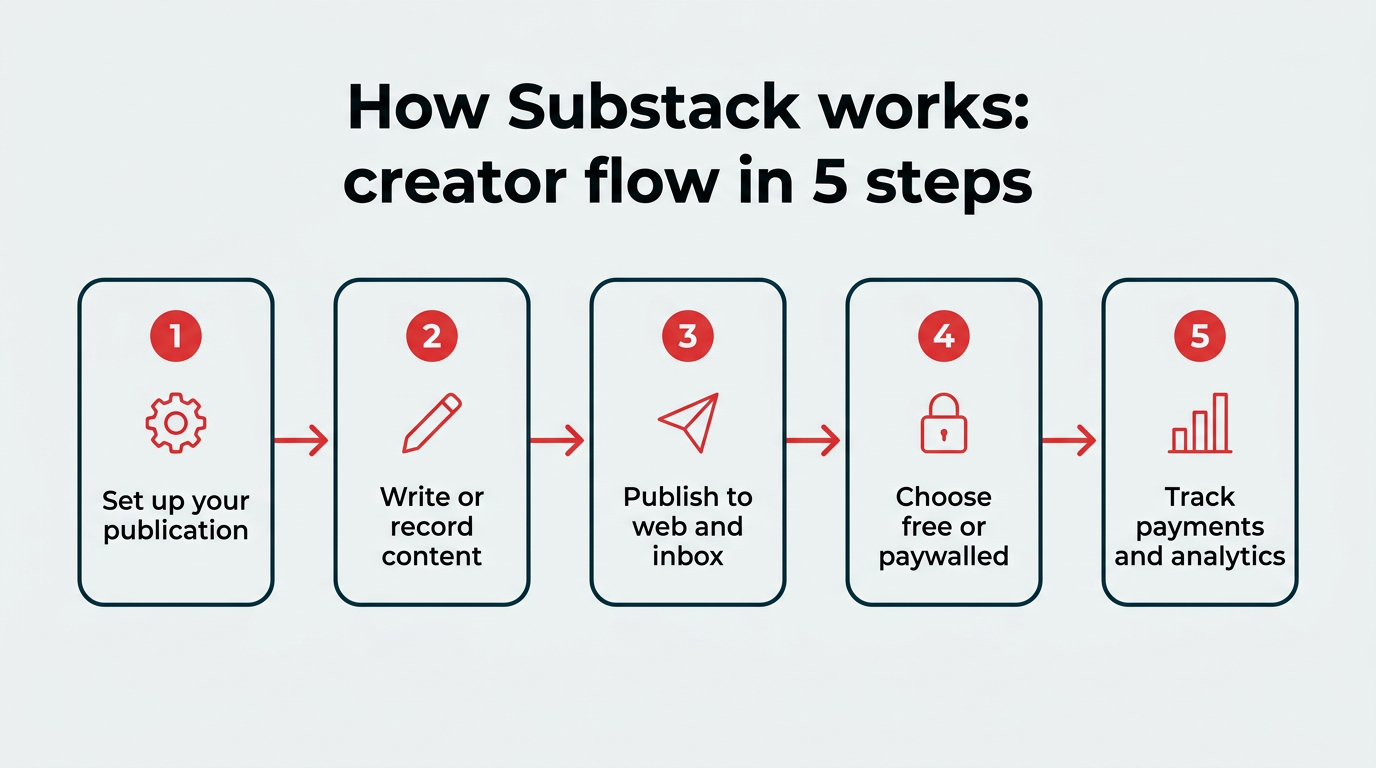
Substack is fundamentally a publishing platform that integrates three core components: a content management system (CMS), an email delivery service, and a subscription-based payment gateway. Unlike traditional social media platforms like Instagram or X (formerly Twitter), where content is served to users based on opaque engagement algorithms, Substack operates on a "pull" model. Readers explicitly opt-in to receive content directly in their inboxes, ensuring a nearly 100% organic reach for every post.

The platform’s versatility allows for a wide range of content formats, including:
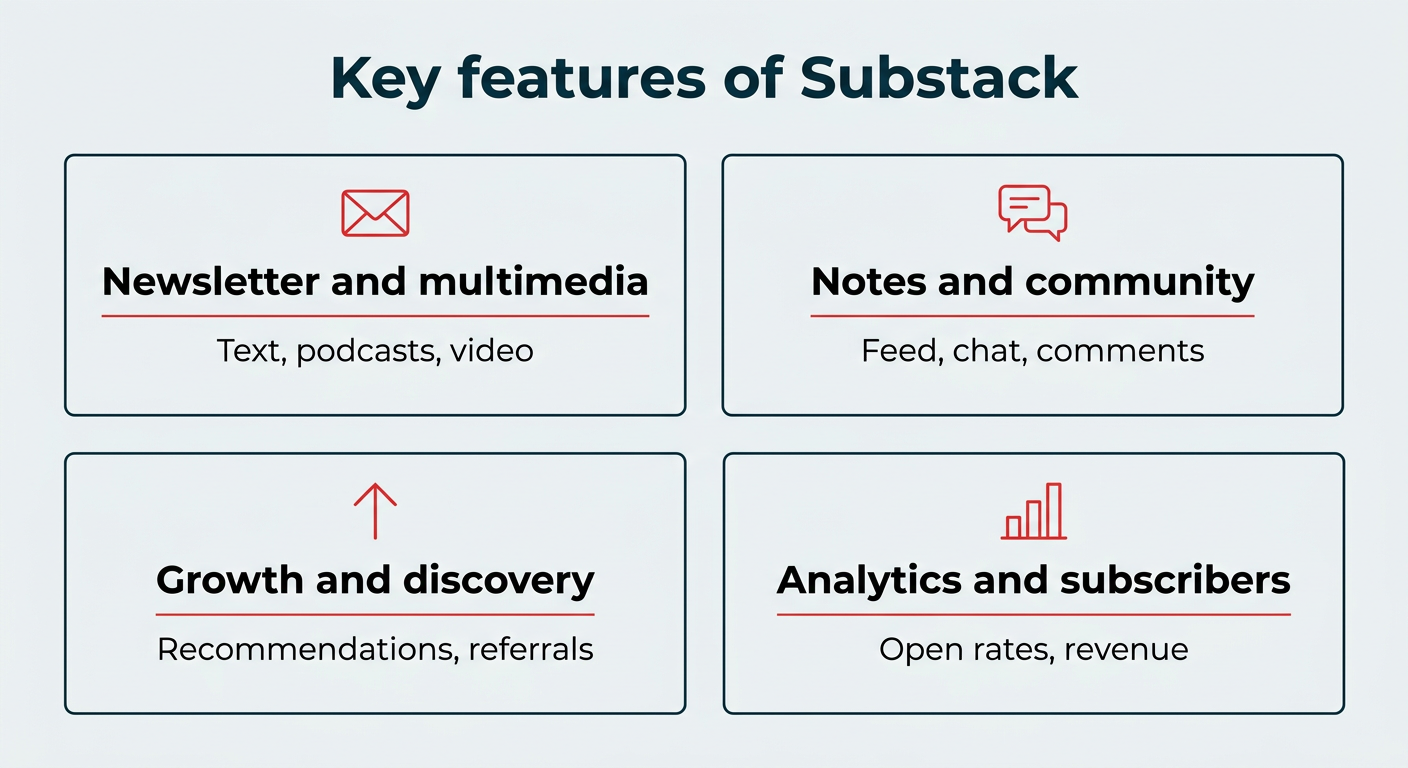
- Long-form writing: Traditional blog posts and investigative journalism.
- Multimedia: Integrated podcast hosting and high-definition video embeds.
- Social Interaction: Short-form updates via "Notes" and community-led "Chats."
- Paid Tiers: Customizable subscription levels that allow creators to paywall specific content.
For the modern professional, Substack represents a shift from "reach" to "depth." While a viral TikTok might be seen by millions, a Substack post is read by a dedicated community that has invited the creator into their most private digital space: the inbox. This intimacy has turned Substack into one of the most effective tools for community-led growth and thought leadership.

Chronology: From Minimalist Newsletter to Social Media Hybrid
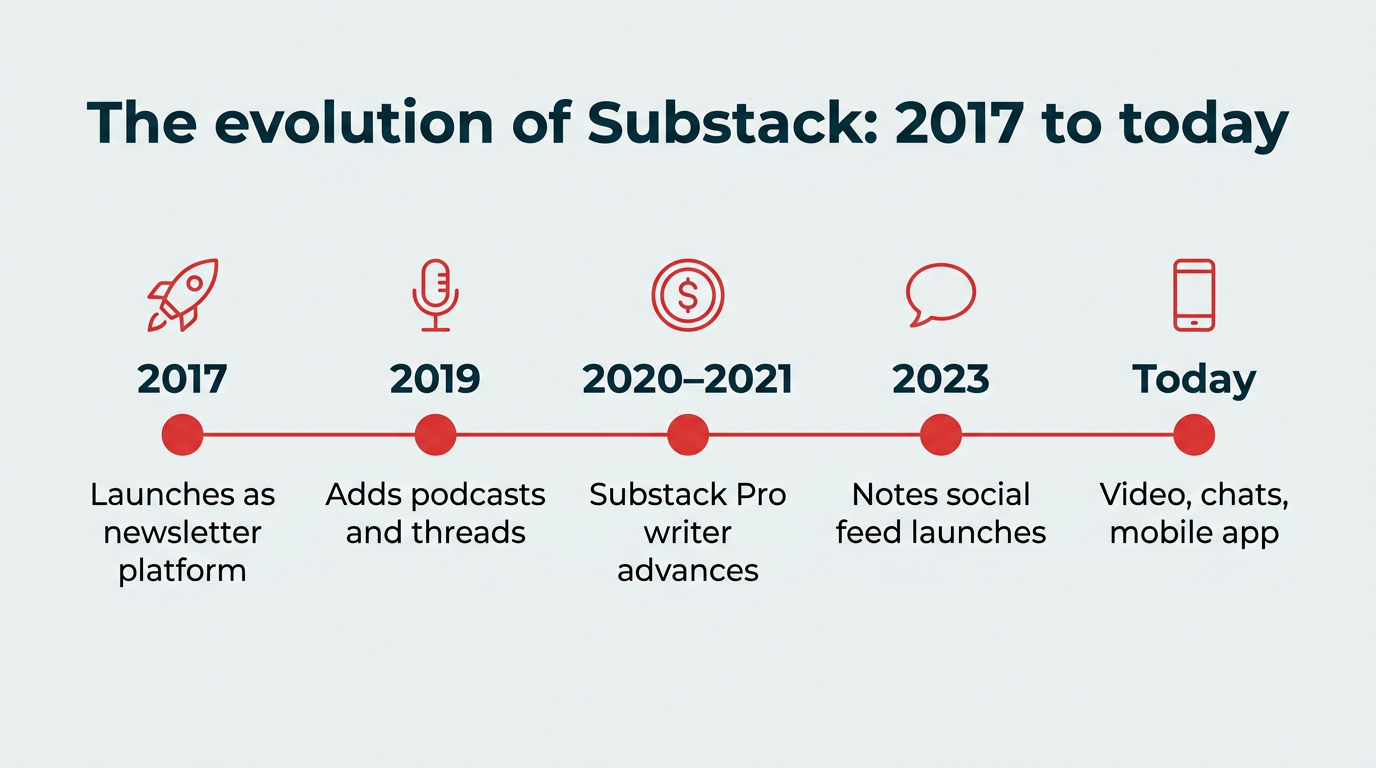
The trajectory of Substack is a case study in iterative disruption. Founded in San Francisco by Chris Best, Hamish McKenzie, and Jairaj Sethi, the platform’s growth can be traced through several defining eras:
2017–2018: The Minimalist Genesis
Substack launched with a singular mission: to provide independent writers with a way to monetize their work without needing technical expertise in web hosting or payment processing. The early adopters were primarily journalists seeking refuge from the crumbling business models of legacy media.
2019–2021: The Expansion into Multimedia and "Substack Pro"
Recognizing that the "newsletter" was just the beginning, the platform introduced podcasting tools and discussion threads in 2019. During the pandemic years (2020–2021), the platform launched "Substack Pro," a controversial program that provided financial advances to high-profile writers to jumpstart their publications. This era solidified Substack’s reputation as a serious competitor to traditional newsrooms.
2022–2023: The Social Pivot
To combat the "discovery problem"—the difficulty of finding new readers without external social media—Substack launched the Substack App and "Notes." Notes functioned as a short-form social feed, allowing creators to cross-promote and interact in a manner similar to X, but within a closed ecosystem of paying or engaged subscribers.
2024–2026: The Enterprise and Brand Era
By 2025, the platform had fully matured. Features like "Sections" allowed creators to run multiple sub-publications under one brand, and advanced video capabilities made it a viable alternative to YouTube for creators seeking a subscription-first model. This period saw a massive influx of corporate brands using Substack for content marketing and employer branding.
Supporting Data: The Economics of Substack
The financial allure of Substack lies in its transparent, performance-based pricing. The platform is free to use for those publishing free content, removing any barrier to entry. However, once a creator decides to monetize, the economic structure follows a "success-sharing" model.
The Revenue Breakdown
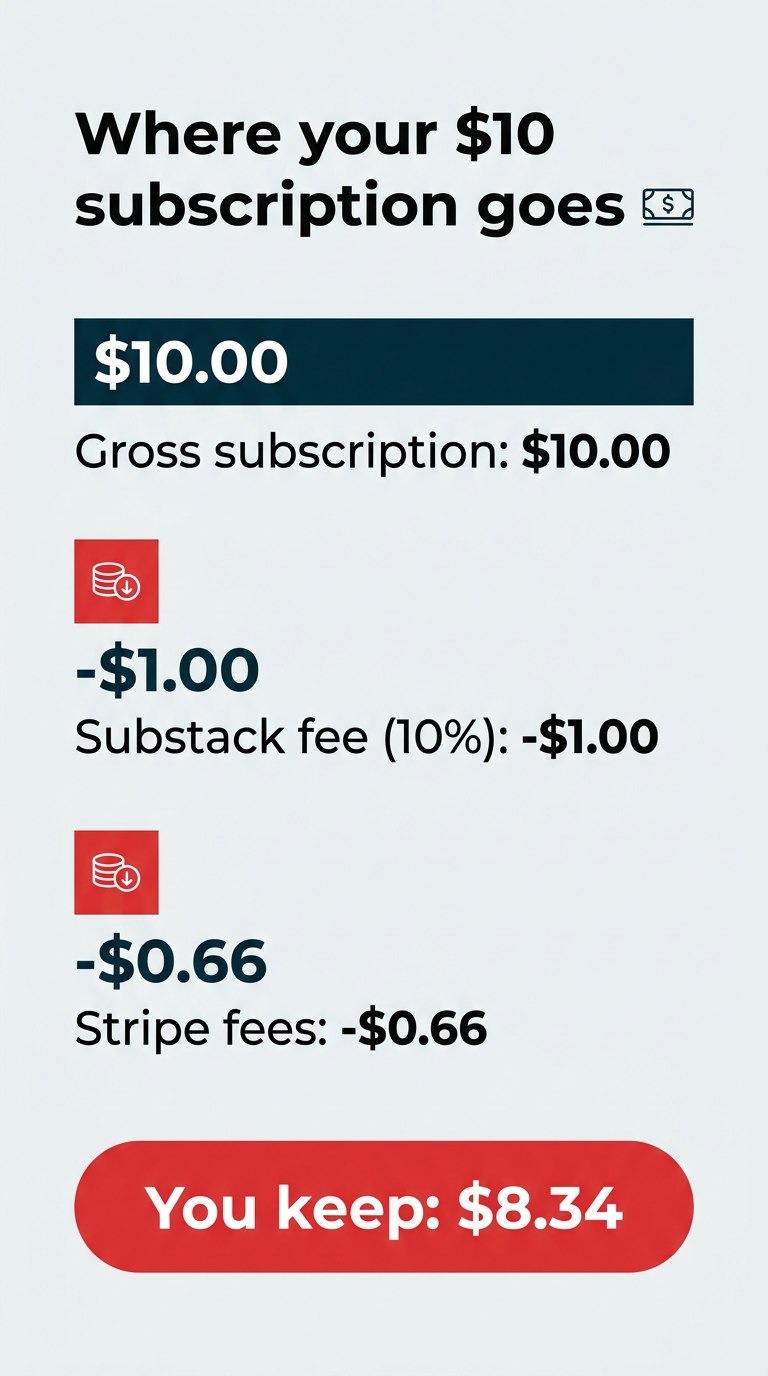
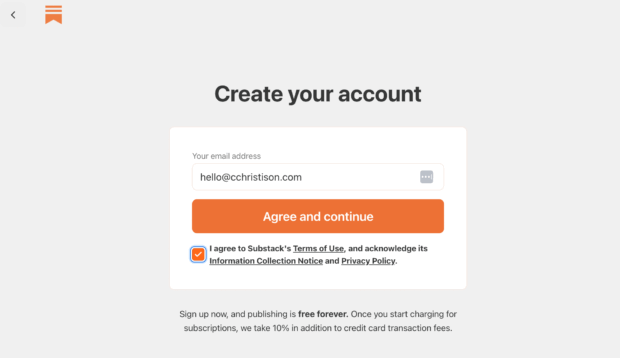
Substack takes a flat 10% cut of gross subscription revenue. This is in addition to credit card processing fees handled by Stripe.
For a hypothetical publication with a $10/month subscription:
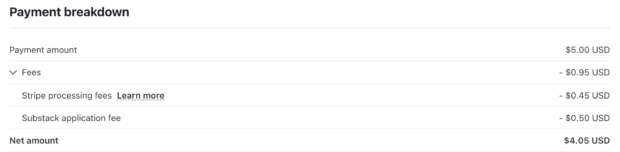
- Gross Payment: $10.00
- Substack Fee (10%): $1.00
- Stripe Fees (U.S. Standard): Approximately $0.66 (including 2.9% + $0.30 transaction fee and 0.7% billing fee).
- Net Creator Revenue: $8.34 per subscriber.
With 1,000 paid subscribers, a creator can generate a net income of $8,340 per month. This high margin, compared to the fractions of a cent offered by ad-revenue models on YouTube or Spotify, has fueled the "middle-class creator" movement.
Comparative Market Positioning
When compared to other publishing platforms, Substack offers a unique balance of ease-of-use and audience ownership:
| Feature | Substack | Medium | WordPress | LinkedIn Newsletters |
|---|---|---|---|---|
| Monetization | Built-in (10% fee) | Partner Program | DIY / Plugins | None (Native) |
| Audience Ownership | High (Email Export) | Low | Total | Low |
| Customization | Limited | Very Limited | Extensive | Very Limited |
| Discovery | Recommendation Network | Internal Algorithm | SEO-driven | LinkedIn Feed |
Official Responses and Expert Perspectives
The platform’s rise has not been without friction. Substack’s leadership has consistently maintained a "hands-off" approach to content moderation, a stance that has drawn both praise and heavy criticism.
The Moderation Debate
In response to controversies surrounding the presence of fringe or inflammatory content, Substack’s founders have reiterated their commitment to free expression. Their official position is that the platform is a tool for writers, not a traditional media company that "amplifies" content through an algorithm. However, this has led to a "brand safety" concern for corporate entities. As noted in the platform’s history, some high-profile creators have publicly migrated to competitors like Ghost due to these moderation policies.

The Professional Insight
Omobolaji Ajibare, Chief Content Officer at TheSocialMediaOga, emphasizes that Substack’s value for businesses lies in its ability to bypass the "algorithmic lottery."
"Unlike Instagram or TikTok, where I’m at the mercy of algorithms, Substack puts me directly into someone’s inbox," Ajibare states. She argues that for brands, Substack should be viewed as a community-building tool rather than a mere marketing channel. "Enterprise teams sometimes overlook the fact that people are tired of being marketed to all the time. Substack offers a chance to have conversations and position your brand as a trusted guide."
Ajibare suggests an "80/20 rule" for success: 80% of content should provide pure value—insights, case studies, or lessons—while only 20% should be dedicated to direct promotion.
Implications: The Future of Digital Publishing
The growth of Substack signals a broader shift in how information is consumed and valued in 2026. Several key implications emerge for the future:

1. The "Brand-as-Publisher" Model
Companies like Tory Burch (What should I wear?) and Betches (Please Advise) have proven that brands can act as media houses. By providing high-value editorial content, these companies are building first-party data sets and "owned" audiences that are immune to changes in privacy laws (like the deprecation of third-party cookies) or social media policy shifts.
2. The Death of Polished Corporate Speak
Substack rewards authenticity. The platform’s culture is rooted in "unpolished" depth. For businesses, this means moving away from overly sanitized press releases toward human-centric storytelling. "Substack works when you sound human," Ajibare notes. "Readers will subscribe for your perspective, not your polish."
3. The Fragmentation of News
As more journalists leave legacy institutions to start Substacks, the news landscape is becoming increasingly fragmented and niche-oriented. While this allows for hyper-specialized expertise, it also places the burden of curation on the reader, who must now manage dozens of individual subscriptions.
4. Platform Dependency Risks
While Substack allows creators to export their email lists—a critical feature for audience ownership—creators are still dependent on Substack’s infrastructure for discovery and community features (like Notes and Chat). The long-term risk remains that Substack could eventually change its fee structure or "lock-in" features, similar to the evolution of other social platforms.
Conclusion
In 2026, Substack stands as a testament to the enduring power of the written word and the direct connection. By combining the old-school reliability of email with the modern functionality of a social network, it has created a viable middle ground for creators and brands alike. Whether it is used as a primary source of income or a strategic extension of a social media plan, Substack has fundamentally changed the power dynamics of the internet, moving the control away from the algorithm and back into the hands of the creator and the reader.
 Basiran
  Nana Muazin
  Nila Kartika Wati