
 By Asro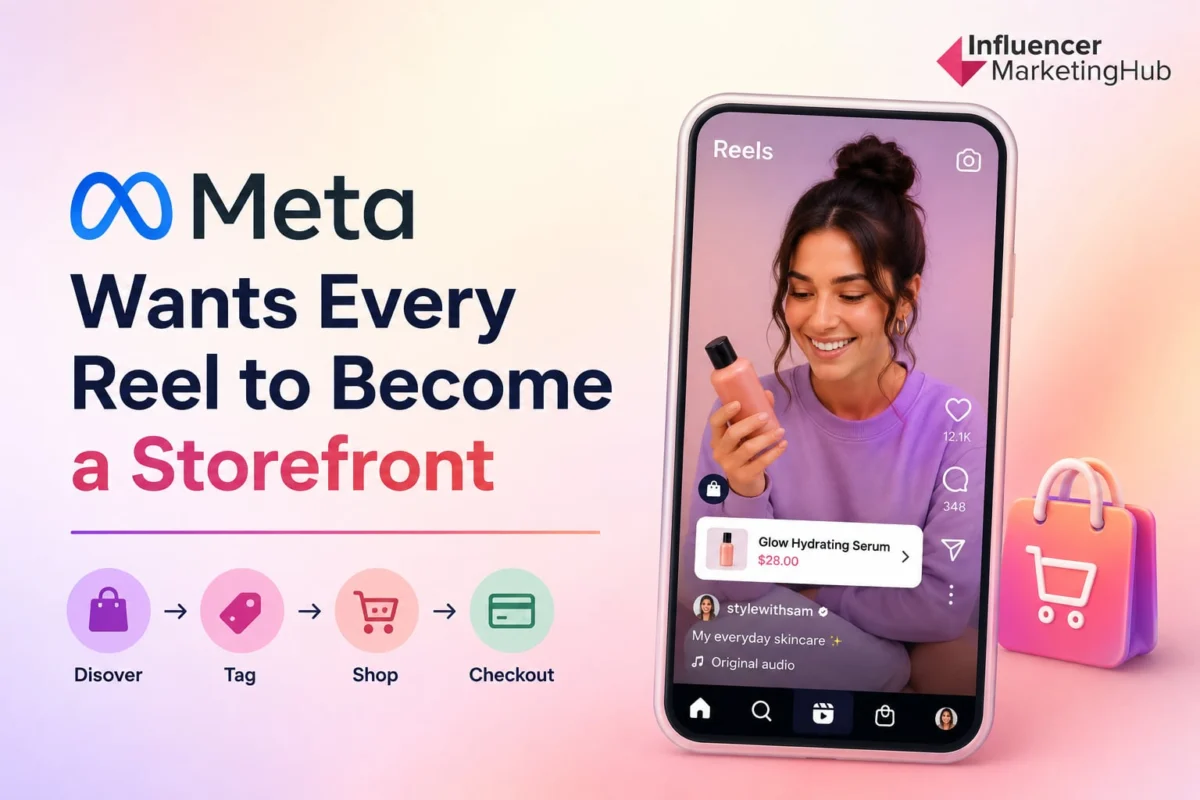
"The era of link in bio is finally over."
This bold declaration, delivered by Nicola Mendelsohn, Meta’s Head of Global Business Group, at the Shoptalk conference earlier this year, serves as the opening salvo in a radical transformation of the digital shopping landscape. For years, the "link in bio" has been the makeshift bridge between social media inspiration and e-commerce conversion. It was a friction-filled necessity—a digital roadblock that forced consumers to break their browsing flow, navigate to an external site, and search for the item they just saw on their screen.
Meta’s latest suite of commerce updates, unveiled at Cannes Lions 2026, signals that this era of fragmented journeys is coming to an abrupt end. By weaving shopping infrastructure directly into the fabric of Reels and Feed posts, Meta is positioning Facebook and Instagram not just as platforms for discovery, but as seamless, end-to-end shopping ecosystems.
The Chronology of a Commerce Shift
The trajectory of social commerce has been a decade-long evolution, moving from simple brand awareness to sophisticated, AI-driven transaction engines.
- 2014–2018 (The Awareness Phase): Brands used social media primarily as a billboard. Influencer marketing was synonymous with brand awareness, with success measured by likes, comments, and follower growth rather than direct attribution.
- 2019–2022 (The "Link in Bio" Era): As the power of creator recommendations became undeniable, platforms introduced rudimentary tools. Creators utilized third-party services to host multiple links, while brands struggled with "leaky funnels"—the phenomenon where potential customers were lost between the click on an Instagram post and the final checkout on a website.
- 2023–2025 (The Integration Phase): Meta began testing native checkout features and affiliate programs in select regions, slowly moving away from off-platform reliance.
- 2026 (The Ecosystem Consolidation): The announcements at Cannes Lions represent the culmination of this strategy. With the introduction of deep-linked affiliate catalogs and AI-driven ad assembly, Meta has effectively collapsed the funnel. Discovery, recommendation, and transaction now occupy the same digital space.
The New Frontier: Every Reel as a Storefront
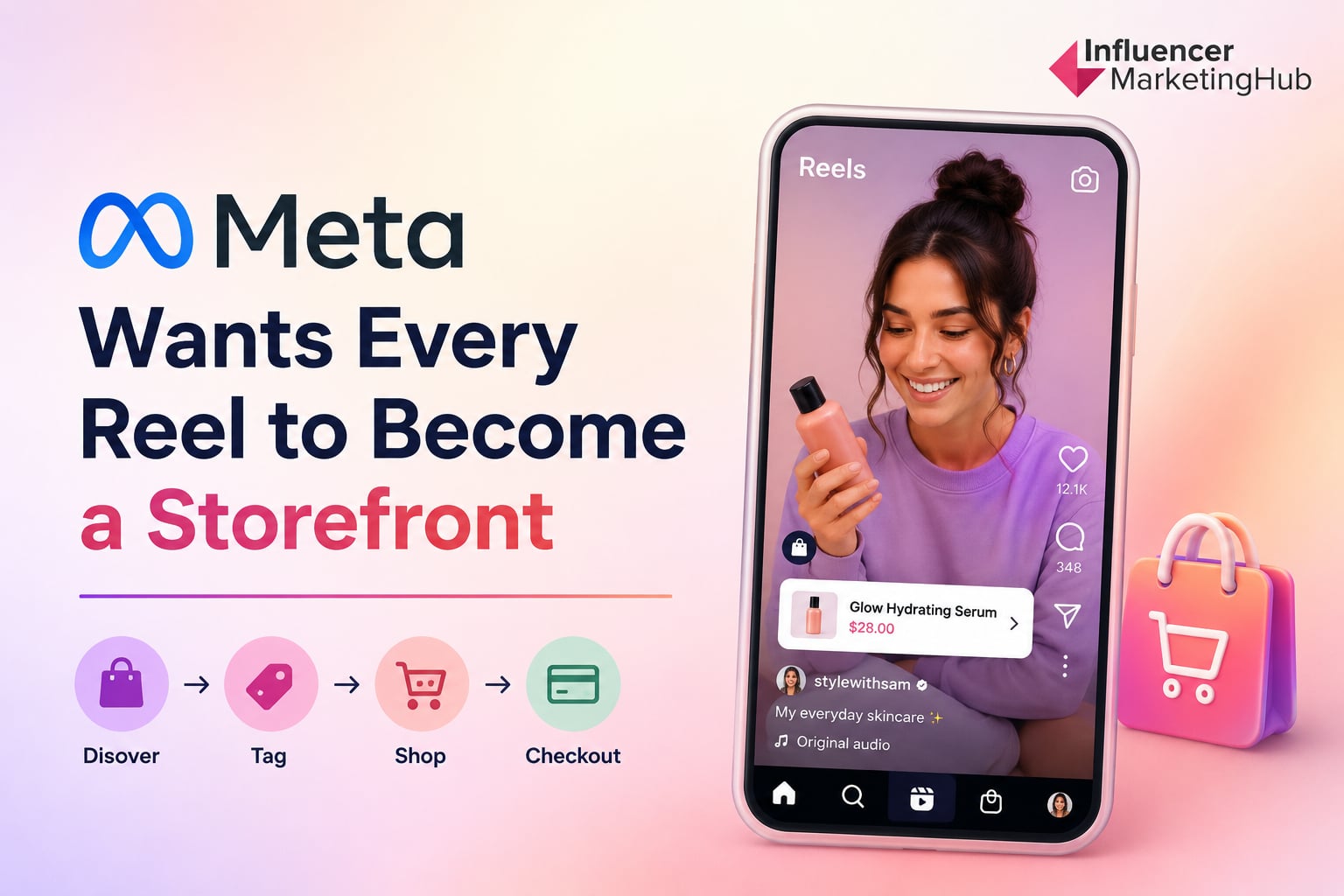
The centerpiece of Meta’s 2026 announcement is the ability for eligible creators in 22 countries to tag products directly from a brand’s catalog within Instagram Reels and Feed posts.
For the modern consumer, this is a profound change in user experience. Consider the standard "Get Ready With Me" (GRWM) video. Previously, a viewer would have to screenshot the video, ask in the comments where the shirt was from, and hope for a reply, or hunt through a messy link-in-bio page. Now, a creator can tag up to 30 products in a single Reel. With a simple tap, the viewer can see pricing, product details, and initiate a purchase—all without leaving the application.
Removing the Friction
Friction is the silent killer of conversion. Industry data consistently shows that for every extra click or page load, the probability of purchase abandonment increases exponentially. By enabling creators to act as native storefronts, Meta is addressing the "leaky funnel" directly. When the recommendation and the point of sale are unified, the impulse to buy is captured at its peak—the moment of inspiration.
Supporting Data: Why Influencers Still Rule the Purchase Path
The necessity of these updates is backed by robust data. Influencer marketing is no longer a peripheral strategy; it is a primary driver of luxury and beauty retail. Recent studies indicate that approximately 27% of beauty shoppers rely entirely on influencer recommendations to inform their purchase decisions.
However, this influence is often squandered by poor technical infrastructure. By tightening the loop between content and commerce, brands can finally achieve the "closed-loop" attribution they have craved for years. When a purchase is made through a creator’s affiliate link within a Reel, the attribution is instant and indisputable. This allows brands to move beyond "vanity metrics" and evaluate creator partnerships based on Return on Ad Spend (ROAS) and Customer Acquisition Cost (CAC).
Official Responses and Strategic Vision
Meta’s vision for the future, as articulated at Cannes, is not merely about adding a few shopping buttons; it is about infrastructure.
Beyond the Reels updates, Meta is rolling out a massive expansion of Live Video Ads on both Facebook and Instagram. These ads allow brands to promote their livestream shopping events to a wider audience, while the integrated shopping tools enable viewers to compare prices and check out in real-time.
Furthermore, the expansion of affiliate partnerships with global giants like Flipkart, Mercado Libre, and Lazada shows that Meta is prioritizing local infrastructure in high-growth markets. By integrating these regional powerhouses into the Meta commerce ecosystem, they are ensuring that the user experience remains localized, secure, and lightning-fast.
Perhaps the most significant behind-the-scenes change is the integration of AI. Starting this summer, Meta will treat product catalog data as a "foundational input" for all Sales campaigns. Advertisers will no longer need to spend hours manually configuring ad formats. Instead, they provide the catalog and the creative assets, and Meta’s AI dynamically assembles the most relevant, high-converting ad experience for every individual user based on their shopping habits and preferences.
The Implications for Brands and Marketers
This shift carries heavy implications for how brands approach their digital strategy in the coming years.

1. The Death of the "Link in Bio" Strategy
Brands must pivot away from relying on static landing pages housed in link-in-bio aggregators. The future is "in-stream." Marketing teams need to focus on optimizing their product catalogs to ensure that the metadata—descriptions, images, and pricing—is perfectly synced with Meta’s systems.
2. Quality of Data is King
As AI becomes the engine of ad delivery, the quality of a brand’s product data becomes as important as the quality of their creative content. If your catalog data is messy or outdated, the AI will fail to serve the right products to the right users. Brands that invest in robust, clean data management will see higher conversion rates and lower costs per acquisition.
3. Creator Partnerships 2.0
Influencer marketing is shifting from a "top-of-funnel" awareness strategy to a "full-funnel" performance strategy. Brands should look for creators who are not just skilled at creating engaging content, but who are also adept at managing product tags and affiliate workflows. The most valuable influencers will be those who can act as both creative directors and digital shopkeepers.
4. Security and Trust
The introduction of virtual cards developed with Mastercard and Visa is a critical move to build consumer trust. By allowing users to complete purchases without exposing their actual payment details to every individual merchant, Meta is addressing one of the biggest hurdles to social commerce: the fear of data breaches and fraudulent transactions.
Conclusion: The Convergence of Content and Commerce
The message from Meta is clear: we are entering an era where the distinction between "consuming content" and "shopping" will disappear entirely.
For the average user, this means a more convenient, streamlined experience where they can purchase what they like the moment they see it. For brands, it represents a golden opportunity to convert influence into measurable, bottom-line revenue. As the digital wall between social platforms and e-commerce stores continues to crumble, the brands that win will be those that embrace this new, unified reality. The era of the link in bio is over; the era of the native, seamless, AI-powered shopping experience has just begun.
 Iffa Jayyana
  Siti Muinah