
 By Nana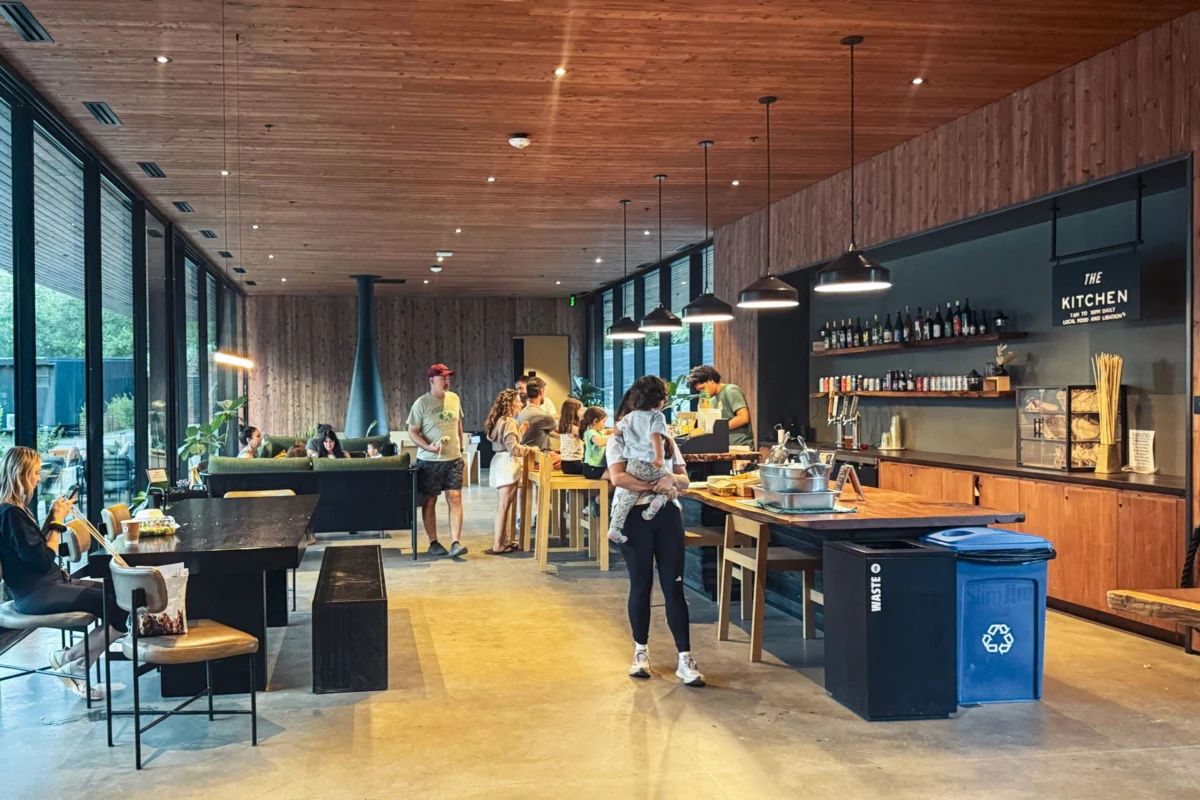
For travelers venturing into the towering majesty of Sequoia National Park, the gateway town of Three Rivers has long presented a logistical bottleneck. Historically, visitors were forced to choose between the spartan, often dated experience of local roadside motels or the complex, gear-heavy commitment of traditional camping. However, the arrival of AutoCamp Sequoia has introduced a third, sophisticated category to the region: luxury glamping. By blending the nostalgic allure of mid-century Airstreams with high-end hospitality, the property promises to transform a national park visit from a grueling endurance test into a seamless, curated retreat.
The Main Facts: A New Standard in Gateway Lodging
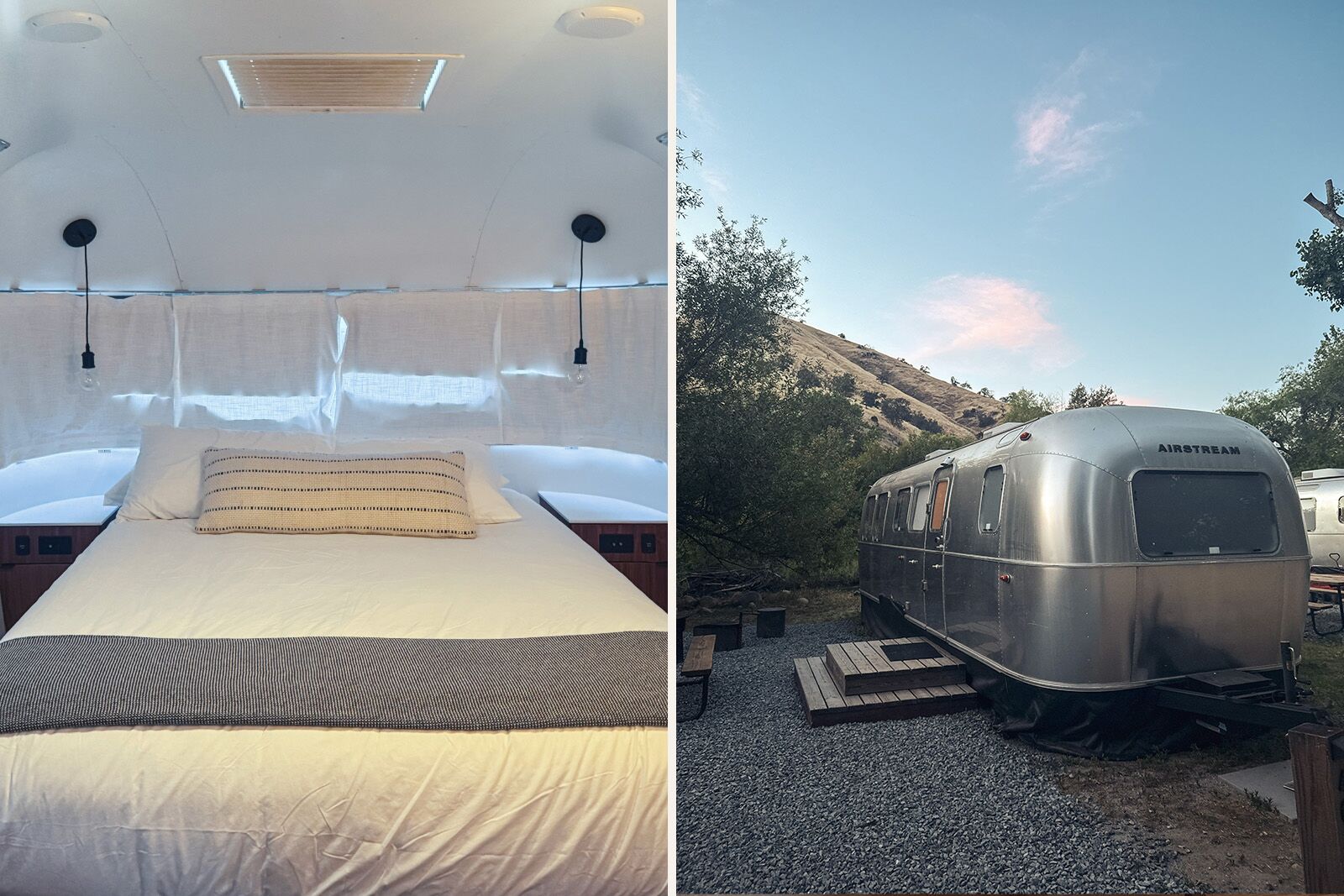
AutoCamp Sequoia offers 85 distinct accommodations, serving as a tactical pivot point for those looking to explore one of California’s most rugged landscapes. The property’s defining feature is its fleet of meticulously renovated Airstreams. Each unit is a triumph of small-space architecture, featuring clever storage solutions, integrated coffee and tea stations, and bathrooms that defy the traditional cramped expectations of trailer living.
However, the resort is not a monolith. Recognizing that different traveler profiles require different solutions, the property also provides:
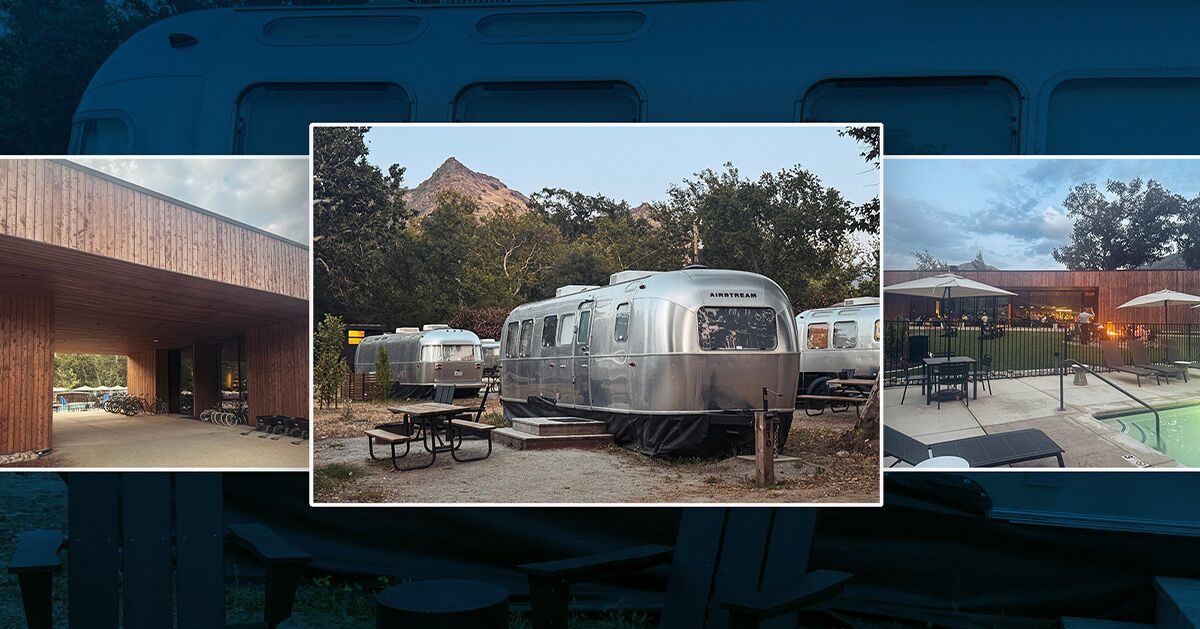
- Private Cabins: Designed with full kitchens and private bedrooms, these are better suited for families or those requiring more square footage.
- Bunk Rooms: Specifically built to accommodate groups of up to six, these units mitigate the logistical nightmare of trying to squeeze a large party into a single vehicle-based unit.
- BaseCamp Suites: A hybrid offering that pairs an Airstream with a traditional canvas tent, providing the quintessential "campout" aesthetic without sacrificing modern comforts.
The resort’s location is its primary value proposition. Situated just 10 minutes from the Ash Mountain Entrance Station, it offers a distinct competitive advantage over budget-conscious travelers staying in Visalia, which sits an hour away from the park gates.
Chronology of the Experience: A Day in the Life
To understand the value of AutoCamp, one must look at the rhythm of a day spent in the park.
The Morning Advantage:
Sequoia National Park is notoriously difficult to access. The single road into the park is a winding, steep ascent that can become a bottleneck during peak hours. Guests at AutoCamp occupy a strategic "launch pad." While visitors from further afield are still navigating the highway, AutoCamp guests are often already passing through the entrance station. This early arrival is critical; it allows guests to secure parking at popular trailheads before the mid-morning crush, turning a potentially chaotic, traffic-choked day into one defined by tranquility and early-morning light.
The Afternoon Return:
The transition from the wilderness to the hotel is often where the "vacation" feeling breaks down for many travelers. After 12 hours of hiking, navigating dust, and dealing with variable weather, returning to a sterile, fluorescent-lit motel room can feel abrupt. At AutoCamp, the transition is curated. Guests can transition from a day of elevation gain to an Adirondack chair overlooking the Middle Fork of the Kaweah River. The inclusion of fast Wi-Fi and high-quality bedding ensures that the ruggedness of the day is tempered by the comforts of the evening.
The Evening Ritual:
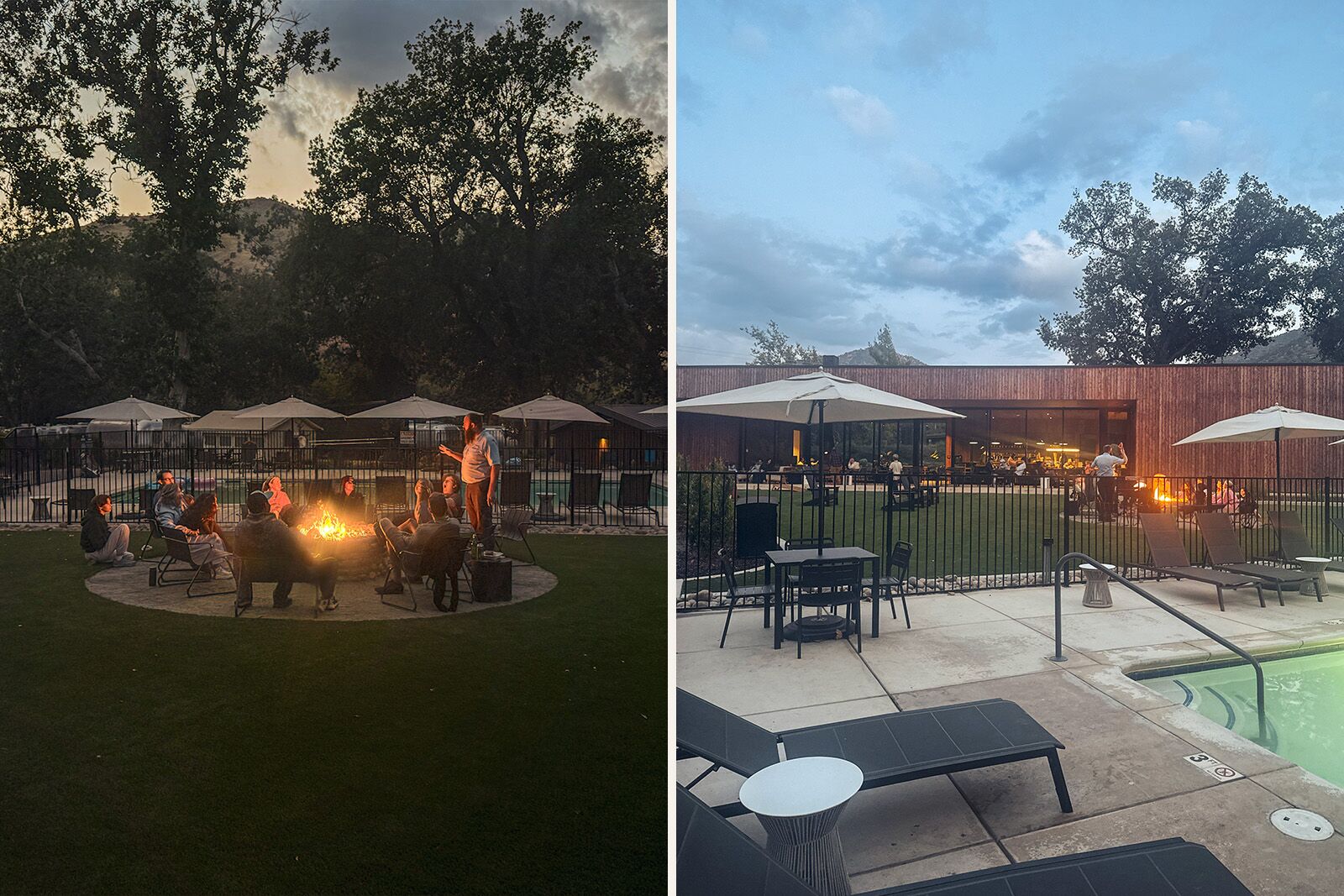
As the sun dips below the mountains, the property fosters a communal atmosphere. The fire pits, which are often the site of nightly s’mores rituals, serve as a social hub. While the property does have strict quiet hours—a necessity given the proximity of the Airstreams—the evenings are marked by a blend of outdoor engagement and refined hospitality.
Supporting Data: Infrastructure and Amenities
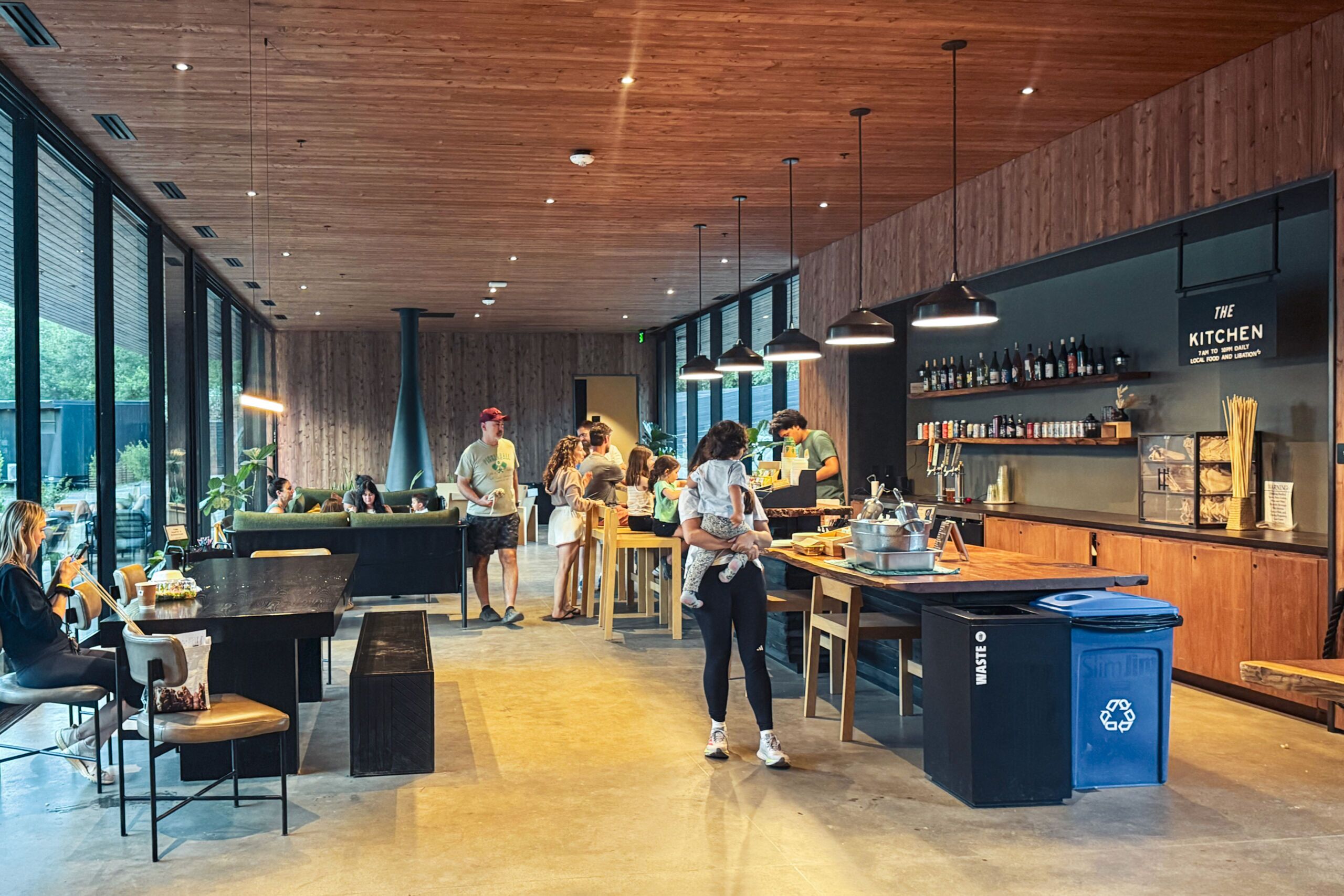
The resort’s commitment to the guest experience extends beyond mere lodging. The "Kitchen" provides an essential service for guests who have exhausted their energy on the trails. Offering breakfast, lunch, and dinner, the on-site dining options remove the need for further driving—a significant boon in a town where a walkable central hub is essentially non-existent.
The programming at AutoCamp Sequoia further differentiates it from standard lodging:
- Educational Engagement: Regular ranger talks are hosted on-site, drawing large crowds and providing deep dives into the park’s ecology.
- Seasonal Activities: The summer calendar is robust, featuring guided bird walks, family outdoor movie nights, and weekend yoga classes.
- On-Site Logistics: The general store functions as a vital lifeline, stocking everything from s’mores kits and local craft beer to essential grab-and-go supplies for long hikes.
Official Perspectives on Market Pricing
The primary point of contention for potential guests remains the pricing, which can reach upwards of $700 per night during peak summer weekends. When compared to the $300-per-night average of standard local motels, this premium is significant.
In response to inquiries regarding the pricing structure, Bryan Terzi, Chief Commercial Officer of AutoCamp, framed the costs as a function of supply, demand, and regional economics. "Like many destinations that experience peak seasonal demand, rates at AutoCamp Sequoia fluctuate throughout the year," Terzi noted. "Summer is one of the most popular times to visit the region… As a boutique property with just 85 accommodations, AutoCamp Sequoia also experiences strong demand during the summer months, which is reflected in seasonal pricing."
The property is clearly targeting a demographic that views time as their most limited resource. For visitors traveling from major hubs like San Francisco, where $700-per-night price points are not uncommon for luxury experiences, the cost is viewed not as an overcharge, but as the price of admission for a frictionless, high-quality National Park experience.
Implications: Is the Luxury Worth the Cost?
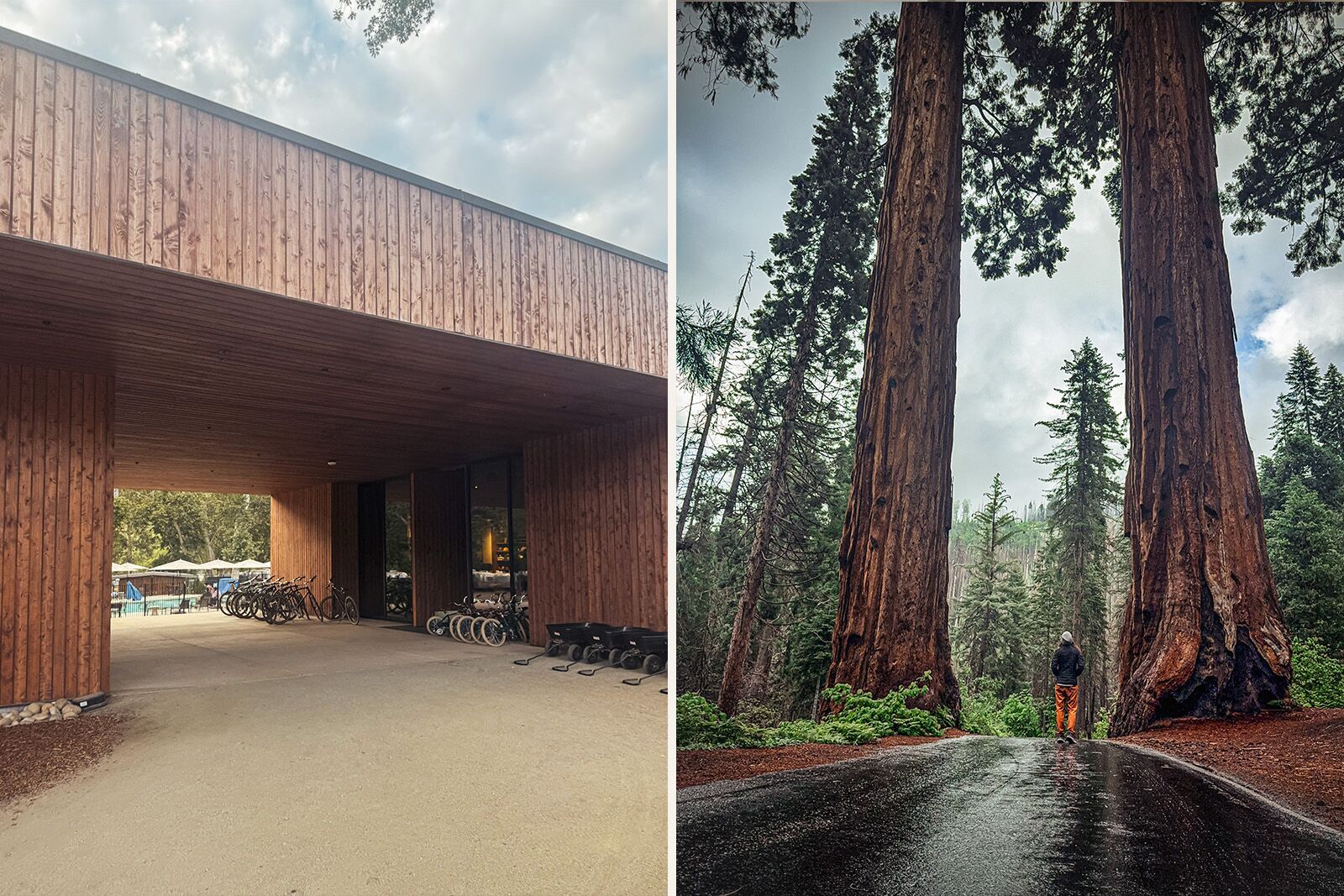
The "AutoCamp effect" forces a reevaluation of what a national park trip should look like. For the budget-sensitive traveler, the resort is likely an unnecessary extravagance; there are ample, if less comfortable, ways to see the General Sherman tree and the surrounding groves.
However, for those who find the "planning puzzle" of national parks to be a deterrent, the property offers a compelling solution. By consolidating dining, recreation, and lodging into one site, AutoCamp removes the friction points that typically cause vacation fatigue.
Key Considerations for Prospective Guests:
- Unit Selection: If privacy is a priority, avoid the central, high-traffic Airstream sites. The "Vista Riverfront Airstream Suites" provide a superior experience, offering both space and a serene connection to the river.
- Sound Management: Because the trailers are parked in close proximity, light sleepers should be prepared. The sounds of neighbors and the mechanical hum of heating/cooling units can be intrusive. Earplugs are highly recommended.
- Group Dynamics: Large groups should bypass the trailers in favor of the cabins or bunk rooms. Attempting to force a group into a space designed for a couple is a recipe for a frustrated trip.
- Off-Season Value: Travelers who are flexible with their schedules should consider visiting during the off-season. When rates drop into the mid-$200 range, the price-to-value ratio shifts dramatically in favor of the guest, making the experience accessible without the peak-season premium.
Ultimately, AutoCamp Sequoia is a barometer for the changing expectations of the modern outdoor traveler. It signals that the desire for "nature" is no longer synonymous with a desire for "hardship." By providing a polished, comfortable basecamp, the property allows guests to engage with the wild on their own terms, proving that for many, the ultimate luxury in a national park is the ability to enjoy the wilderness without sacrificing the creature comforts of home.
 Nana Wu
  Jia Lissa
  Evan Lee Salim