
 By Nana Wu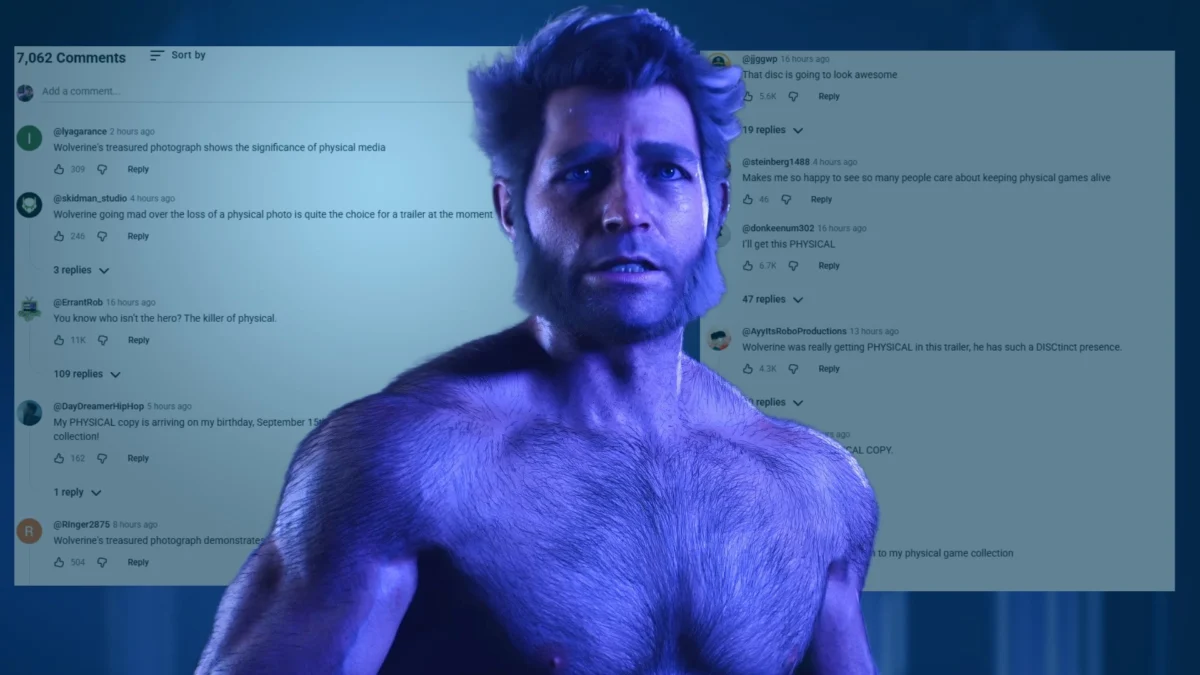
The release of a new cinematic trailer for Insomniac Games’ highly anticipated title, Marvel’s Wolverine, should have been a moment of pure, unadulterated hype for the PlayStation community. Titled "Ain’t No Hero," the trailer offers a visceral look at Logan’s struggle, teasing appearances from iconic adversaries like Lady Deathstrike and long-time ally Sabretooth. Yet, beneath the slick visuals and the promise of a "clawsome" action experience, the game has been thrust into the center of a raging firestorm—not because of its gameplay, but because of the platform holder’s controversial pivot away from physical media.
The "Ain’t No Hero" Trailer: A Cinematic Flashpoint
On September 15th, Insomniac Games is set to launch Marvel’s Wolverine, a game that has long been whispered to be a darker, more mature entry in the studio’s Marvel lineup. The latest trailer serves as a narrative tone-setter, depicting Logan in a series of brutal, chronologically disjointed skirmishes against nameless goons.
The emotional hook of the trailer is surprisingly human: Wolverine is seen repeatedly attempting to protect a physical photograph—a memento that, in a touch of dark irony, he fails to keep safe due to the lack of pockets in his signature yellow spandex suit. As the photo is destroyed, Logan’s rage peaks. While fans were quick to analyze the trailer for Easter eggs, such as Lady Deathstrike’s signature bladed fingers and Sabretooth’s classic yellow-and-brown aesthetic, the discourse quickly shifted from the X-Men’s lore to the existential threat facing game collectors.
Chronology of a Corporate Collision
The friction between the gaming public and Sony Interactive Entertainment did not begin with this trailer. It is the culmination of a months-long tension that reached a boiling point following Sony’s formal announcement that it intends to phase out physical disc production by January 2028.
- Initial Rumors: Throughout late 2023 and early 2024, industry analysts suggested Sony was looking to streamline costs by moving toward a digital-first ecosystem.
- The Announcement: Sony confirmed the transition, citing "industry trends" and the overwhelming consumer shift toward the PlayStation Store.
- The Backlash: Immediately following the news, social media platforms and gaming forums became hotbeds of protest. Petitions emerged, and the hashtag #SavePhysicalMedia began trending.
- The Collision: When Marvel’s Wolverine released its trailer, the existing anger had no outlet. Thousands of fans flocked to the YouTube comment section and the Insomniac Games X (formerly Twitter) feed, effectively hijacking the marketing campaign to send a message to Sony executives.
Supporting Data: The Digital vs. Physical Divide
The intensity of the backlash can be quantified by the metrics seen across social platforms. On the official YouTube upload of the "Ain’t No Hero" trailer, the top-rated comment—which garnered over 10,000 likes in less than 24 hours—reads: "You know who isn’t the hero? The killer of physical."
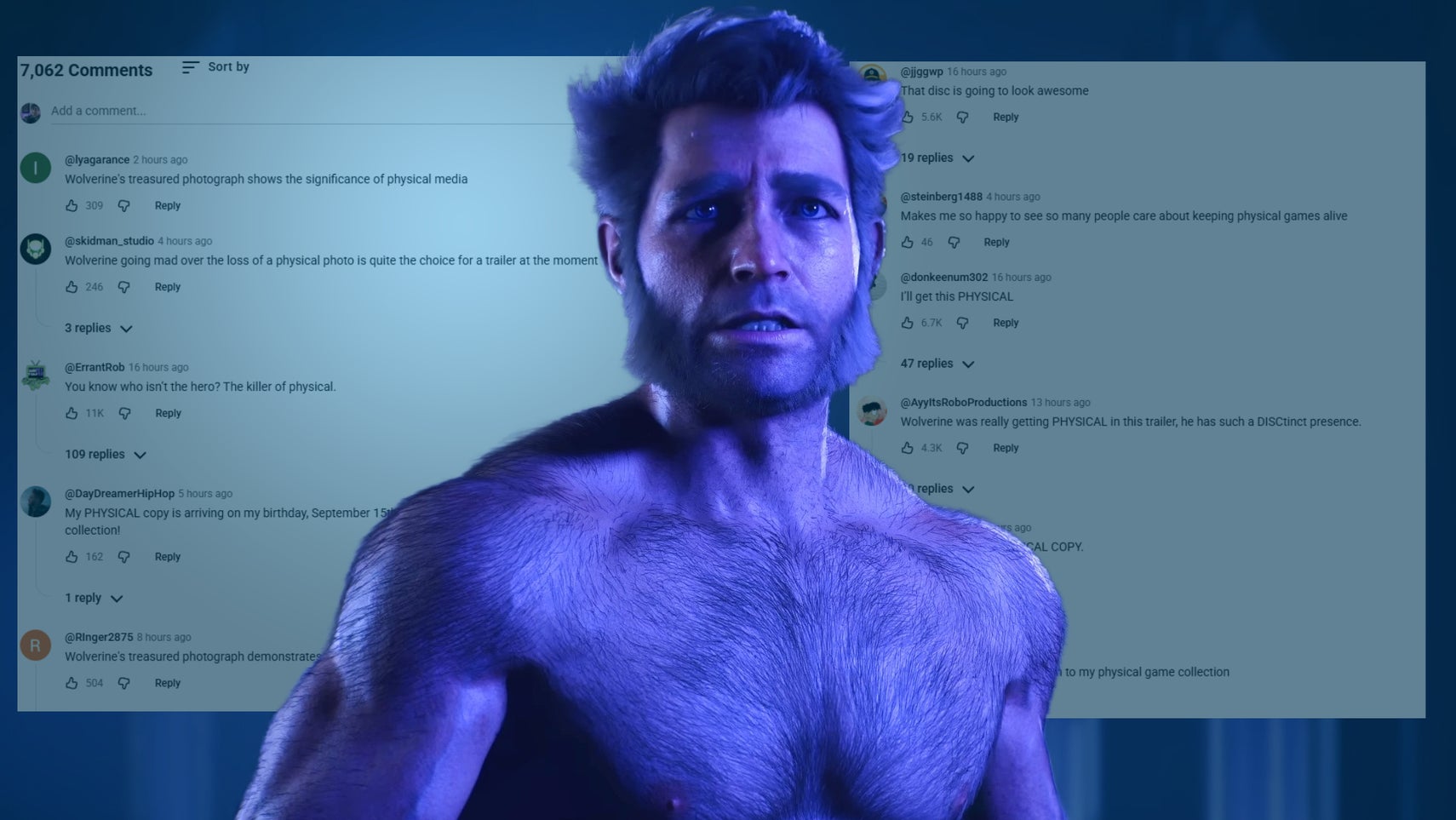
This is not an isolated incident. Across multiple PlayStation-related posts, from Marvel Tokon: Fighting Souls to PowerWash Simulator, the reply sections are dominated by memes, gifs of physical discs being discarded, and direct criticisms of the 2028 sunset date.
Industry experts suggest that this isn’t just "online bluster." Market data indicates that while digital sales have eclipsed physical sales, a significant demographic of "hardcore" gamers—those who buy the most expensive editions and drive the early-adopter conversation—remains deeply committed to physical ownership. When these players feel their purchasing power is being invalidated, they turn to the only forums available to them: the comment sections of the games they were previously excited to buy.
The Plight of the Developer: Insomniac in the Crossfire
Perhaps the most unfortunate aspect of this controversy is the position of Insomniac Games. Developers are rarely responsible for the overarching retail strategy of their parent company. Insomniac, having built a sterling reputation with Marvel’s Spider-Man and Ratchet & Clank: Rift Apart, now finds its creative efforts treated as collateral damage in a battle against Sony corporate policy.
The irony is palpable: Marvel’s Wolverine will indeed receive a physical release. For those currently protesting, the game represents the final few chapters of a medium they feel is being stripped away. By attacking the marketing materials of a game they might actually want to own in physical form, they are sending a signal to Sony that the "cost" of going all-digital is the alienation of their most loyal customer base.
Official Responses and Corporate Strategy
To date, Sony has maintained a "wait-it-out" strategy. By ignoring the vocal minority—or perhaps dismissing them as a manageable segment of the market—Sony is mirroring the path taken by other industries, such as the film and music sectors, which moved almost entirely to streaming models despite initial pushback.

However, Sony’s silence has done little to quell the fire. Critics argue that this transition poses fundamental risks:
- Game Preservation: Without physical discs, the long-term survival of games rests entirely on the servers and the benevolence of the publisher.
- Consumer Rights: Digital ownership is often a "license" rather than a true purchase, meaning users may lose access to games if licensing agreements expire.
- Market Competition: A digital-only storefront removes the competitive pricing found in the second-hand market and third-party retailers, effectively giving Sony a monopoly on pricing for its ecosystem.
Implications for the Future of PlayStation
The implications of this standoff are profound. If the backlash continues to dominate every piece of promotional material for upcoming titles, Sony may face a "brand degradation" effect. When the community identifies a game release primarily with a corporate grievance, the brand equity of the game itself is eroded.
Furthermore, there is a tangible risk to sales. While it is unlikely that the entire market will boycott PlayStation, the "loudest" segment of the community is often the most influential in terms of word-of-mouth marketing. If the narrative remains "Sony is killing game ownership," the company may find it increasingly difficult to cultivate excitement for new IPs.
As we move toward the January 2028 deadline, the divide between the publisher’s vision of a frictionless digital future and the players’ desire for tangible ownership is widening. For now, Marvel’s Wolverine serves as a high-profile arena for this clash of ideologies. Whether this protest remains confined to comment sections or manifests as a material decline in pre-orders remains to be seen. What is clear, however, is that for many gamers, the fight to keep physical media alive is far from over—and they will use every trailer, every announcement, and every platform to ensure their voices are heard.
 Lina Irawan
  Asep Darmawan