
 By Basiran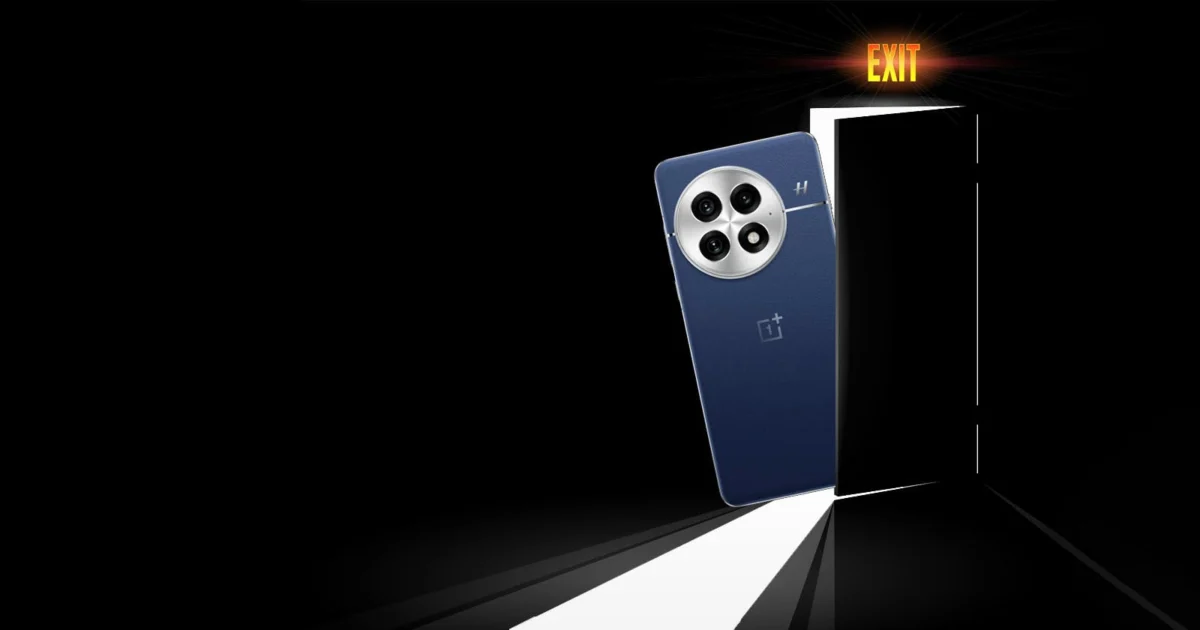
The smartphone industry has long been defined by its ruthless pace and the "survival of the fittest" reality of the global market. Today, that reality claims one of its most prominent disruptors. OnePlus, the brand that once promised to "Never Settle," has officially announced its withdrawal from the North American and European markets. For industry observers and long-time enthusiasts, this isn’t just a corporate restructuring; it is the closing chapter of a decade-long experiment that fundamentally altered the mobile landscape.
While the brand will continue to operate in its home market of China, as well as in India, its departure from the West signals a retreat of a once-formidable challenger. The move, spearheaded by parent company Oppo, marks the end of a unique era in consumer technology, leaving a void where a vibrant, enthusiast-focused alternative once stood.
The Chronology of a Disruptor: From Invitation-Only to Global Player
To understand the magnitude of this exit, one must look back at the origins of OnePlus. Founded in December 2013, the company burst onto the scene with the OnePlus One. At a time when the smartphone market was crowded with heavyweights like HTC, Nokia, LG, and BlackBerry, OnePlus adopted an audacious strategy: offer premium, top-tier hardware at a fraction of the cost, sold exclusively through an invite-only system to manage manufacturing demand and hype.
The "flagship killer" moniker was not just marketing; it was a mission statement. Over the years, the company evolved from a niche startup into a mainstream contender. The 2019 launch of the OnePlus 7 Pro was a turning point, marking the company’s transition into the true flagship territory. It was a device that proved OnePlus could compete not just on price, but on design and innovation—featuring a mesmerizing pop-up camera and one of the best displays on the market.
By 2021, the brand had matured further, entering a high-profile partnership with Swedish camera giant Hasselblad. This collaboration was intended to bridge the gap between mobile photography and professional imaging. For a few years, it seemed as though OnePlus had cemented its place as a permanent fixture, even bringing innovations like MagSafe-style charging and industry-leading RAM configurations to the Android ecosystem. However, the internal landscape began to shift as the company grew more deeply integrated with its parent entity, Oppo. The recent launch of the OnePlus 15—which notably dropped the Hasselblad branding—served as a quiet, final harbinger of the brand’s diminishing identity within the Oppo ecosystem.
The Structural Challenges: Why the Market Rejected the Disruptor
The decline of OnePlus in the West cannot be attributed to a single failure in engineering, but rather a perfect storm of structural, logistical, and cultural barriers.
The Carrier Monopoly
In North America, the smartphone market is heavily dictated by carrier subsidies. Unlike the open markets of Asia, where consumers frequently buy devices unlocked and SIM-free, the American and Canadian markets are dominated by the "Big Three" carriers. These entities effectively act as the gatekeepers of hardware adoption. OnePlus never managed to secure a long-term, sustained foothold within these carrier lineups.
Without the "carrier push"—where retail staff actively demonstrate and sell a device to a consumer walking into a store—the brand remained relegated to online storefronts like Amazon or the OnePlus website. This forced the company to fight an uphill battle against the entrenched duopoly of Samsung and Apple, both of which have mastered the art of carrier relationships and retail placement.
The Stagnation of Consumer Choice
An informal observation of retail environments reveals a troubling trend: a "wall of ignorance" built by young sales staff who are often trained only to sell the dominant brands. Even when high-quality alternatives like OnePlus or Motorola were physically present on display shelves, they were frequently ignored in favor of the familiar logos of the industry giants. This lack of visibility, combined with the difficulty of purchasing premium hardware at full price upfront, created a barrier that few consumers were willing to cross.
The "Oppo" Shadow
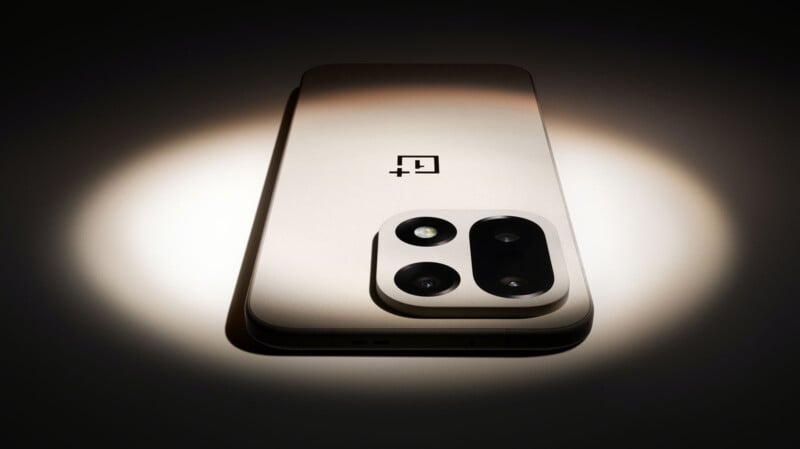
As Oppo tightened its control, the distinctiveness that once defined OnePlus began to fade. Software features, hardware designs, and even marketing strategies started to mirror the broader Oppo product catalog. When the two brands began competing for the same customers within the same price brackets, the redundancy became unsustainable. The decision to pull out of the West appears to be a cold, calculated move by Oppo to consolidate resources and eliminate internal competition, effectively sacrificing the OnePlus brand to bolster its own market position.
Official Responses and the Path Forward for Users
OnePlus has stated that while the brand is exiting, current users will not be left in complete isolation. The company has committed to continuing software updates, security patches, and "applicable support" for existing devices. Furthermore, the company’s official support website remains functional for repairs and warranty claims.
However, the reality of this promise remains murky. With no formal Oppo or OnePlus service infrastructure in the U.S. or Canada, the logistics of hardware repair are currently undefined. Users have been advised that they can continue to use their devices as normal, and the company has promised to honor existing warranty obligations.
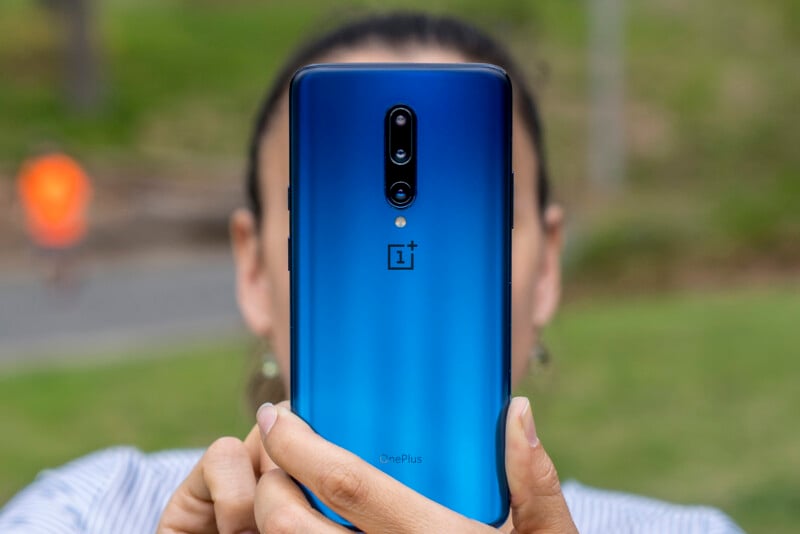
For those who enjoy tinkering, the transition path is more complex. Users have the option to switch to Oppo’s ColorOS or stick with the current build of OxygenOS. While the company claims that its update promises remain in effect, the long-term viability of these devices in a region where the brand no longer officially exists is questionable. In Europe, the situation is slightly more stable, as Oppo maintains a retail presence in many countries and is expected to absorb some of the demand left in the wake of the OnePlus withdrawal.
The Implications: What the Industry Loses
The departure of OnePlus is more than just a business headline; it is a loss for the consumer. Whether one was a fan of the brand or not, the competitive pressure OnePlus exerted on the industry was undeniable.
Innovation through Competition
OnePlus was a primary driver in moving the industry forward. It popularized 90Hz refresh rates, pushed the boundaries of rapid wired and wireless charging, and forced larger manufacturers to justify their premium price tags. When OnePlus challenged the camera performance of a flagship phone, Samsung and Google were forced to respond with better processing, manual controls, and more transparent color science.

The Death of the "Flagship Killer"
The "flagship killer" philosophy was essential in keeping the market honest. By providing top-tier specs for several hundred dollars less than the market leaders, OnePlus kept a check on the aggressive pricing of the industry’s titans. Without a brand willing to disrupt this balance, the market is poised to become even more stagnant, with premium pricing becoming the standard rather than the exception.
The Loss of Software Excellence
OxygenOS stood for years as the gold standard for Android overlays. It managed to provide a clean, snappy, and highly customizable experience that was often preferred over the stock Android experience found on Pixel devices. Its loss in the Western market represents the disappearance of one of the few user interfaces that prioritized usability and speed over bloatware and gimmicks.
Conclusion: A Legacy of Disruption
As OnePlus closes its doors in North America and Europe, the tech community is left to reflect on a brand that was once the definition of youthful, defiant innovation. It proved that a small, focused team could take on the giants and win, at least for a time. It challenged our expectations of what a smartphone should cost and what it should be capable of doing.
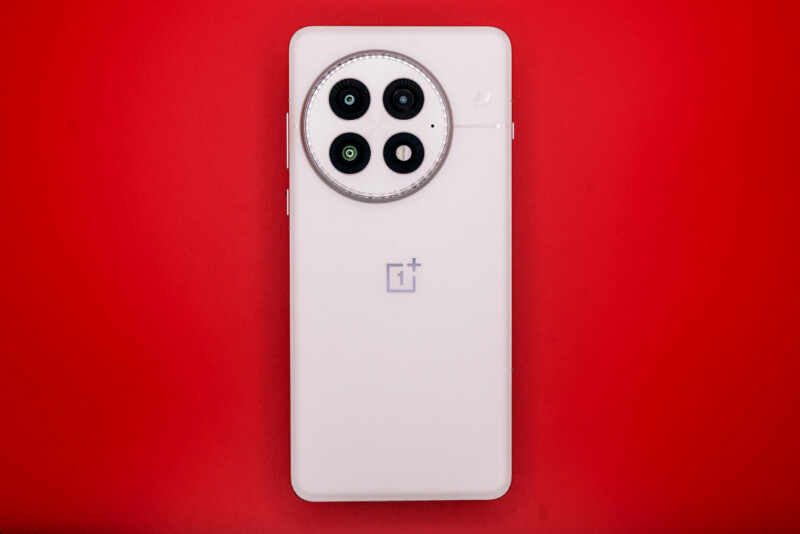
The irony of the current market state is profound: while consumers claim to want choice and innovation, the market architecture—entrenched by carriers and brand loyalty—often works to keep those very things at bay. OnePlus tried to break that wall. While they may have failed to knock it down completely, they certainly left a dent. As we look to the future of the smartphone industry, one can only hope that another brand will emerge to carry the mantle, reminding the giants that the consumer is always watching—and that they are always looking for a reason to settle for something better.
 Raul Delapena Setiawan
  rifanmuazin
  Ammar Sabilarrohman