
 By Sagoh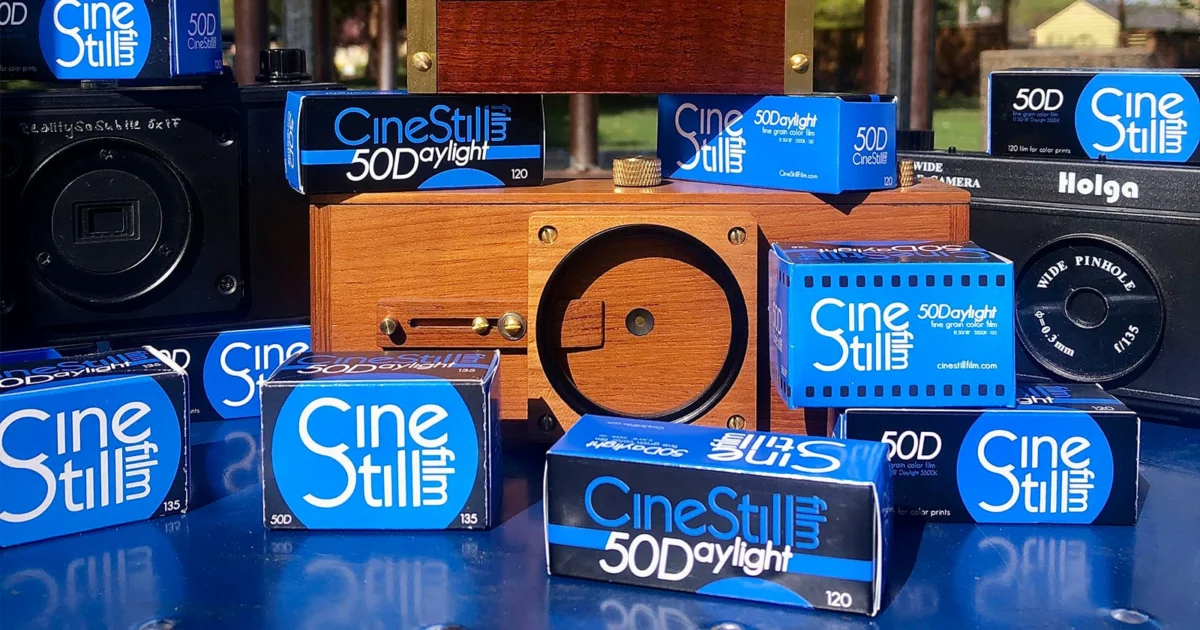
In the ever-evolving landscape of analog photography, certain film stocks achieve cult-like status almost overnight. While CineStill’s 800T—with its distinct tungsten-balanced glow and iconic halation—and the versatile 400D often dominate social media feeds, there is a quieter, more sophisticated sibling waiting in the wings: the CineStill 50D.
Often overlooked in favor of its higher-speed counterparts, the 50D (Daylight) emulsion is a unique beast. Derived from Kodak’s professional motion picture stock, it offers a visual signature that is distinct from the aggressive saturation of Ektar or the warm, classic tones of Portra. For photographers looking to move beyond the "standard" look of consumer-grade color negative film, the 50D provides a gateway into the technical world of cinematography, offering unparalleled fine grain and a delicate, pastel-forward palette.
Main Facts: What Defines CineStill 50D?
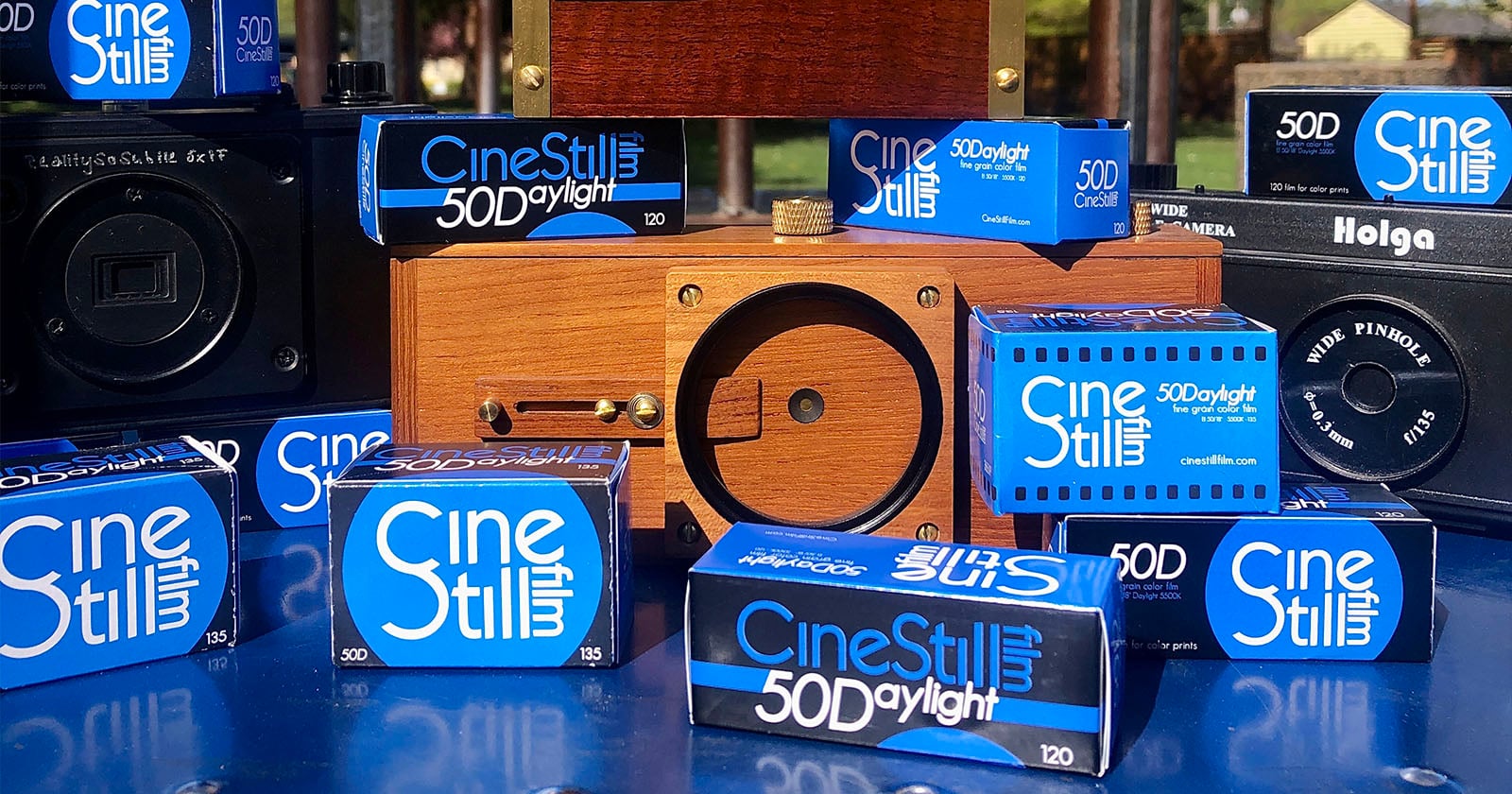
At its core, CineStill 50D is based on the Kodak Vision3 50D (Kodak 5203/7203) color negative motion picture film. This is a professional-grade cinema stock, engineered to be used in high-budget film production where lighting is meticulously controlled.
The "50D" designation is critical. The "50" refers to its base ISO of 50, making it an exceptionally slow film, while the "D" stands for "Daylight" (balanced for 5500K). Because it is natively designed for the high-intensity, controlled environment of a movie set, it possesses incredible exposure latitude and a grain structure that is virtually invisible to the naked eye.
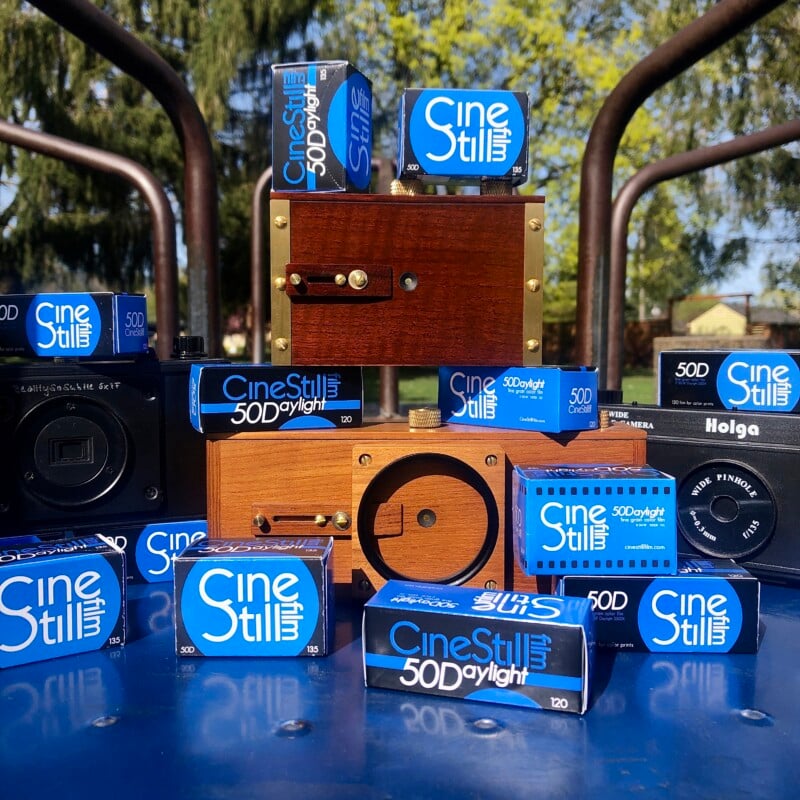
The hallmark of the CineStill experience is the "conversion." Professional motion picture film comes coated with a Remjet (Removable Jet-black) layer—a carbon-based anti-halation backing. This layer serves as a lubricant and anti-static shield for high-speed motion picture cameras. However, this layer is incompatible with standard C-41 chemistry used by local labs. CineStill’s proprietary process involves the precise removal of this layer, transforming cinema-grade stock into a product that can be safely processed at any standard lab.
A Brief Chronology of the "Cine" Revolution
The journey of the 50D began long before it found its way into a 35mm canister for the consumer market.

- The Cinema Era: For decades, Kodak’s Vision3 series was the gold standard for Hollywood blockbusters. Its ability to capture deep shadow detail and manage extreme highlights made it the preferred choice for cinematographers worldwide.
- The Conversion Breakthrough: The introduction of CineStill to the still photography market signaled a democratization of cinematic technology. By developing a method to remove the Remjet layer without damaging the delicate emulsion, CineStill allowed hobbyists to use professional-grade film in their vintage SLRs, rangefinders, and medium-format cameras.
- The Modern Resurgence: As the analog community moved from the initial "novelty" phase of film photography into a more technical appreciation of film stocks, the 50D began to see a rise in popularity. It became the go-to stock for photographers who prioritize technical precision and a "softer" aesthetic over the high-contrast, high-saturation looks that defined the early 2000s.
Supporting Data: Why 50D Outperforms the Competition
When evaluating 50D against industry heavyweights like Kodak Ektar 100 or Fujifilm’s professional range, the differences become clear.
The Pastel Palette
Unlike Ektar, which is famous for punchy, almost digital-like saturation, 50D leans into a pastel aesthetic. It renders blues and greens with a subtle, painterly quality. For landscape photographers, this means that sky and water tones do not overwhelm the frame.

Exposure Latitude
Because this is motion picture film, it is built to handle the extreme dynamic range of a film scene. Photographers will find that 50D is incredibly forgiving when it comes to overexposure. Even in high-contrast lighting situations, the highlights remain smooth, avoiding the "clipping" that often ruins digital files or faster film stocks.
The Halation Effect
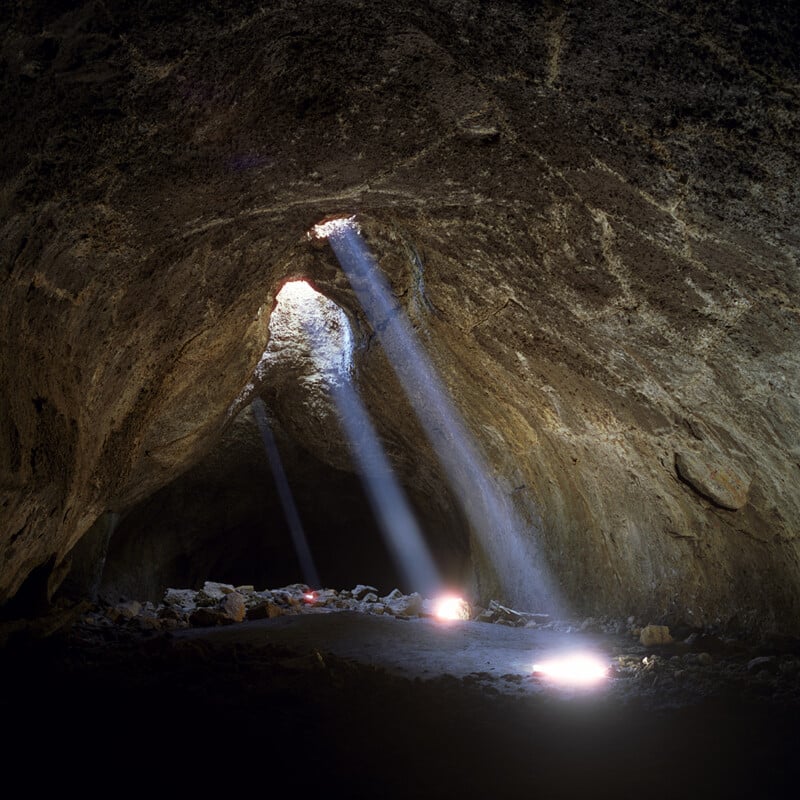
The removal of the Remjet layer creates a unique optical phenomenon known as halation. In standard cinema film, the Remjet layer prevents light from reflecting off the back of the film base. Without it, bright light sources hitting the film can "bleed" into the surrounding emulsion, creating a distinct, red, halo-like glow around highlights. While some purists argue this is a "defect," the artistic community has embraced it as a signature aesthetic that adds a dreamlike quality to night shots or high-contrast sunlit scenes.

Technical Considerations: C-41 vs. ECN2
While CineStill 50D is optimized for C-41 processing, it is important to understand the technical nuances.
- C-41 (Cross-Processing): This is the standard method for most photographers. The result is slightly lower contrast and lower saturation than the original cinema intent, which contributes to that "pastel" look that users love.
- ECN2 (The Original Process): For those seeking the "pure" cinematic look, ECN2 processing is the gold standard. It provides slightly more vivid colors and higher contrast. However, finding a lab that performs ECN2 is significantly harder than finding a standard C-41 lab.
- The "Remjet" Danger: It is vital to repeat: Never take raw motion picture film with the Remjet layer still attached to a standard C-41 lab. The carbon layer will disintegrate into the chemistry, effectively destroying the machine and contaminating every other customer’s film. Always use "pre-removed" stock like CineStill.
Implications for Modern Photographers
The shift toward 50D reflects a broader trend in the analog world: a move toward intentionality. Because the film is ISO 50, it is not a "run-and-gun" stock. You cannot simply shoot it in any lighting condition. It requires a tripod, a steady hand, or, more commonly, a deliberate choice to use it for specific artistic projects.

The Pinhole and Long Exposure Potential
The low ISO makes 50D an ideal candidate for pinhole photography. Where other films might overexpose in the long durations required for a pinhole image, 50D handles the light exposure with grace. Similarly, it excels when paired with Neutral Density (ND) filters, allowing for long-exposure motion blurs of water or clouds without the fear of blowing out the highlights.
Post-Processing and Scanning
One of the most important aspects of using 50D is the realization that the initial scan is not the final product. Due to the film’s unique base, scans often come back with a slight green or yellow cast. This is not a "fault" of the film, but rather a characteristic of its motion-picture heritage. The true power of 50D lies in the post-processing phase. Once the white balance is corrected in software, the film reveals a rich, neutral color depth that rivals even the most expensive medium-format stocks.

Conclusion: Why You Should Try 50D
If you have spent your analog journey relying on 400-speed films, moving to 50D is like moving from a loud, energetic conversation to a quiet, thoughtful meditation. It forces you to slow down, to consider your light, and to plan your composition.
Whether you are shooting a portrait on a Hasselblad or a landscape on a Canon AE-1, the 50D rewards the patient photographer. Its fine grain, unmatched skin tones, and subtle pastel rendering make it a vital tool for any photographer’s kit. The next time you are preparing for a bright, sun-drenched shoot, skip the standard rolls and reach for a canister of 50D. You might find that the "less popular" sibling is exactly what your portfolio has been missing.
This report is brought to you by Blue Moon Camera and Machine in Portland, OR. Dedicated to the preservation of analog photography, Blue Moon provides expert development, printing, and a curated selection of vintage equipment. PetaPixel members can access an exclusive 10% discount on all lab services.
 Raul Delapena Setiawan
  rifanmuazin
  Ammar Sabilarrohman