
 By Pevita Pearce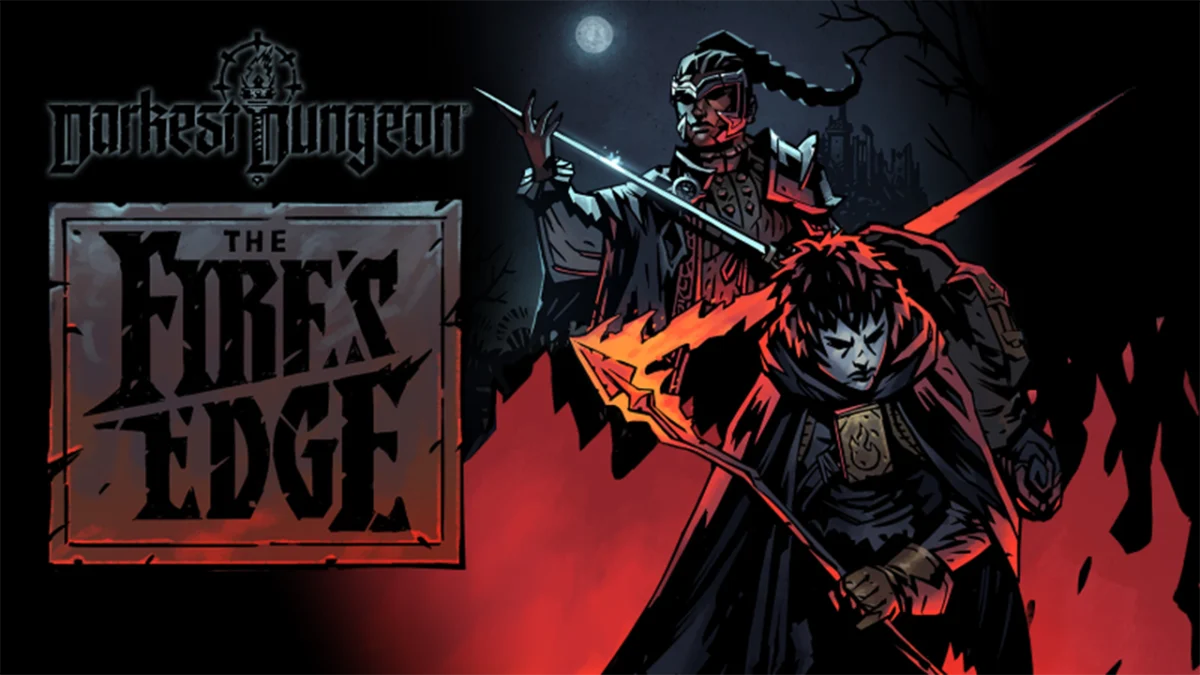
In an industry where sequels often render their predecessors obsolete, Red Hook Studios is taking a refreshingly counter-intuitive approach. The developers behind the critically acclaimed gothic horror roguelike series Darkest Dungeon have announced a surprising new expansion, The Fire’s Edge, not for their latest title, but for the original game that started it all. This move serves as a poignant celebration of the title’s 10th anniversary, bringing fan-favorite elements from the sequel back to the gritty, turn-based roots of the 2016 original.
The Main Facts: Bridging Two Eras
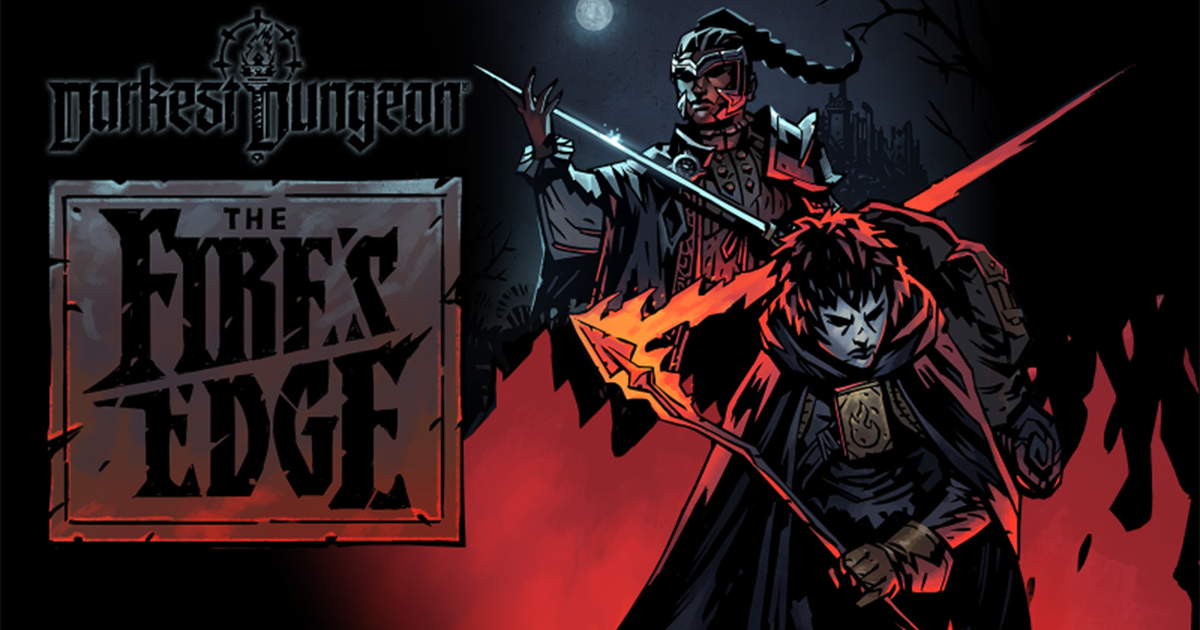
Darkest Dungeon: The Fire’s Edge is slated for release on August 18th, a date that serves as both a nostalgic nod to the series’ history and a significant content injection for the original game’s dedicated player base. The expansion aims to retroactively incorporate the tactical depth of Darkest Dungeon 2 into the framework of the original, most notably by introducing two iconic heroes: the Duelist and the Runaway.
The Duelist is defined by her complex, stance-switching mechanics. She acts as a versatile damage dealer, forcing players to manage her rhythm as she dances between aggressive and defensive combat stances. The Runaway, conversely, introduces an entirely new elemental mechanic to the original game: "Burn." This status effect, a staple of the sequel’s tactical loop, will fundamentally alter how players approach enemy encounters, forcing a reconsideration of long-held party compositions.
Beyond these character additions, the expansion features a comprehensive rework of the trinket system, aiming to modernize the way players equip their heroes. Furthermore, the game’s hub world—the Hamlet—will see the addition of three new districts: the Academie Duello, the Craftworks, and the Archaeological Base Camp. These additions are designed to provide mid-to-late game players with new strategic avenues and character progression paths.
A Chronological Perspective: The Evolution of a Franchise
To understand the significance of this update, one must look at the timeline of the franchise. Darkest Dungeon officially transitioned from Early Access to its full 1.0 release on January 19, 2016. It was an immediate hit, praised for its uncompromising difficulty, unique art style, and the "Affliction System," which treated hero stress as a tangible gameplay threat.
Following years of expansions—including The Crimson Court, The Shieldbreaker, and The Color of Madness—Red Hook turned its gaze toward the future. Darkest Dungeon 2 was released in 2023 following a period of Early Access. While it received generally positive reviews for its innovative approach to combat and narrative, it faced a more polarized reception than its predecessor. Steam user reviews frequently highlighted a divide between fans who preferred the original’s management-heavy, long-form campaign structure and those who appreciated the sequel’s more streamlined, "run-based" roguelite progression.
By releasing The Fire’s Edge in 2024, Red Hook is effectively acknowledging that for many players, the original Darkest Dungeon remains the definitive experience. The release of this DLC acts as a bridge, rewarding the loyalty of those who stuck with the original while providing a tantalizing taste of the mechanical advancements introduced in the sequel.
Supporting Data: Understanding the Player Divide
The decision to revisit the original title is rooted in hard data and community sentiment. While Darkest Dungeon 2 has maintained a healthy player base, the original Darkest Dungeon consistently sustains a robust concurrent user count on platforms like Steam.
The primary critique leveled at Darkest Dungeon 2 by its detractors has been the loss of the "Hamlet management" layer. In the original game, players were responsible for upgrading a town, managing a rotating roster of heroes, and treating them like expendable, yet precious, commodities. The sequel shifted the focus to a stagecoach journey, which removed the macro-management aspect that many players found deeply engaging.
The Fire’s Edge addresses this by introducing new Hamlet districts. By adding content directly to the town-building aspect of the game, Red Hook is leaning into the mechanics that made the original title a long-term staple. Furthermore, the integration of "Burn" mechanics suggests a data-driven approach to game design; if players respond well to these mechanics in the original game, it could provide Red Hook with invaluable feedback for the design of future installments.
Official Responses and Strategic Intent
Red Hook Studios has been relatively quiet regarding the specifics of their internal development priorities, but their actions speak volumes. By concurrently supporting the legacy game with The Fire’s Edge and teasing a significant new DLC for Darkest Dungeon 2 slated for early 2027, the studio is effectively operating a "dual-track" development model.
In recent blog posts, the studio has emphasized that their commitment to the franchise is long-term. "We believe in the longevity of our worlds," a representative stated during a recent community update. This suggests that rather than abandoning older titles, Red Hook views the Darkest Dungeon intellectual property as a living ecosystem. The decision to invest development resources into a game that is nearly a decade old is a rare move in the AAA and high-end indie space, signaling a studio that prioritizes its community’s feedback over the industry-standard push for annual or biannual sequels.
The Broader Implications: What This Means for the Industry
The release of The Fire’s Edge carries several implications for the future of the series and the broader gaming industry:
1. The Death of the "Obsolete Sequel"
By keeping the original game alive, Red Hook is signaling to their audience that they don’t view sequels as replacements. This creates a "collection" model for the franchise, where players can choose which "flavor" of Darkest Dungeon they prefer, knowing that both will continue to receive support.

2. Experimental Design
The inclusion of mechanics from a sequel into a predecessor is a fascinating experiment in "retro-fitting." It allows the developers to see how systems designed for a modern engine interact with legacy code and older game balances. If successful, this could become a blueprint for other developers looking to maintain legacy titles without the overhead of a full engine port.
3. Managing Franchise Fatigue
With a major update for Darkest Dungeon 2 not arriving until 2027, Red Hook is effectively spacing out their content releases to prevent franchise fatigue. By filling the gap with a major DLC for the original game, they satisfy the hunger for new content while buying themselves the necessary time to ensure the next major installment is as polished as possible.
4. A Testament to Community Loyalty
Perhaps the most significant takeaway is the validation of the community. Red Hook is listening to the players who insisted that the original Darkest Dungeon still had life left in it. By responding with substantial, meaningful content rather than a simple balance patch, they are fostering a level of trust that is becoming increasingly rare in the gaming sector.
Final Reflections
As August 18th approaches, the excitement surrounding The Fire’s Edge is palpable. It is a rare moment in gaming where a studio looks backward to move forward. For a decade, players have sent heroes into the dark, watching them descend into madness and death for the sake of the Hamlet. Now, with new tools, new mechanics, and a renewed sense of purpose, those same players are being invited to return to the shadows one more time.
Whether this is a final farewell to the original game or the start of a new chapter of sustained updates remains to be seen. However, one thing is certain: Red Hook Studios has proven that in the world of Darkest Dungeon, even the most ancient evils—and the games that host them—can find new life in the fire.
 Lina Irawan
  Asep Darmawan
  Nana Wu