
 By Lina Irawan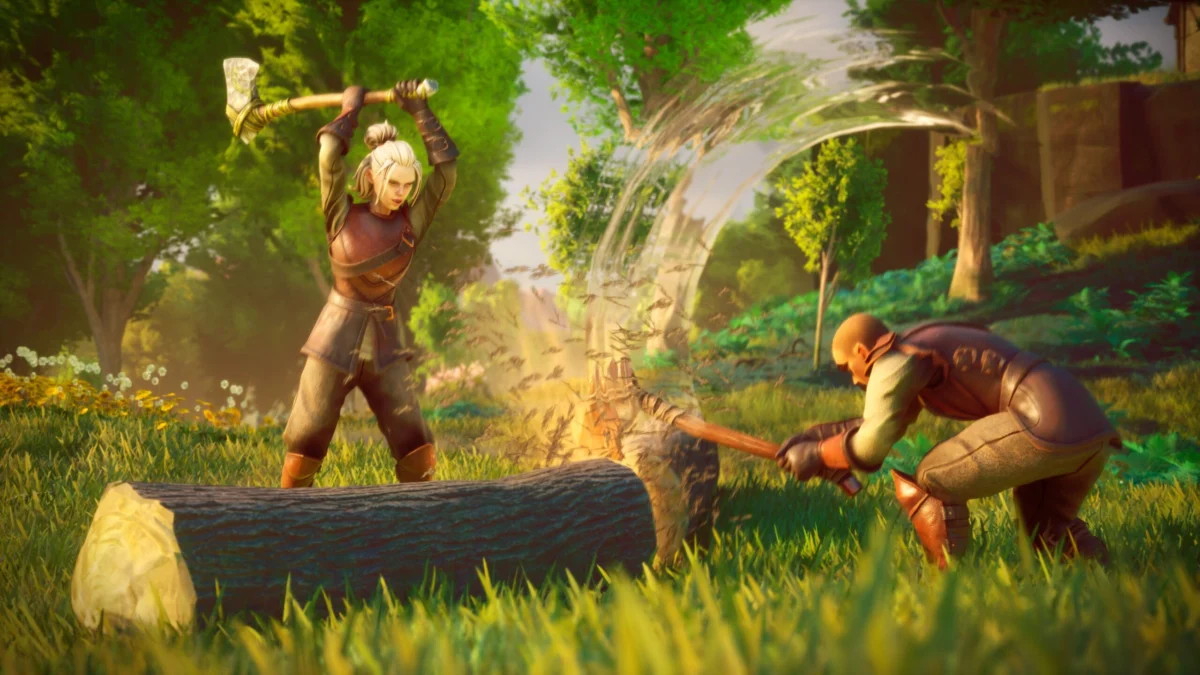
For over two decades, the landscape of the Massively Multiplayer Online (MMO) genre has been dominated by a single titan: World of Warcraft. While numerous challengers have risen and fallen in the "WoW-killer" arena, the genre’s hierarchy has remained remarkably static. However, Jagex, the studio behind the legendary RuneScape franchise, is now signaling a massive strategic shift. CEO Jon Bellamy has publicly outlined an ambitious roadmap to transform RuneScape into the world’s largest MMO brand within the next five years, a move that would require the Cambridge-based developer to displace Blizzard Entertainment’s long-standing industry leader.
The Foundation: A Legacy of Persistence
To understand the audacity of Jagex’s goal, one must first appreciate the longevity of the RuneScape brand. Launched in 2001, the game began as a humble browser-based experiment. Over 25 years later, it remains one of the most resilient properties in digital entertainment.
Unlike many of its contemporaries that relied on high-fidelity graphics and cinematic storytelling, RuneScape thrived on accessibility and deep, sandbox-style progression. This formula fostered a dedicated, aging, and economically stable player base. Today, the franchise operates through a dual-pronged strategy: RuneScape (often referred to as RuneScape 3), which offers a modern, evolving take on the game, and Old School RuneScape (OSRS), a preservationist project that has, against all industry odds, become a cultural phenomenon in its own right.
Chronology of a Growing Empire
The strategy to usurp the throne is not a sudden pivot but the result of a deliberate, decade-long evolution.
- 2001: RuneScape officially launches, marking the beginning of a quarter-century of continuous service.
- 2013: Following significant community outcry regarding changes to the game’s combat system, Jagex launches Old School RuneScape. The move is initially seen as a risky split of the player base, but it quickly becomes the flagship experience.
- 2023–2024: Jagex begins expanding its intellectual property beyond the traditional point-and-click MMORPG format, testing the waters with new survival-crafting mechanics.
- September 2024: The upcoming full release of RuneScape: Dragonwilds from Early Access marks the third major pillar in Jagex’s portfolio.
- The Next Five Years: The "Bellamy Era" targets a total transformation of the company’s market share, aiming to unify its three core titles into a multi-million-player ecosystem that eclipses the current market leader.
Supporting Data: Why the Goal Is More Than Just Talk
When Jagex CEO Jon Bellamy speaks of "headways," he isn’t relying on blind optimism. He is looking at granular, highly favorable engagement data.
The most striking metric shared by the studio is the average daily playtime for Old School RuneScape. Currently, the average session length for an OSRS player sits just under five hours. This is an extraordinary statistic for any game, particularly one with a player base that averages 32 years of age—a demographic typically characterized by full-time employment and limited leisure time.
Bellamy notes that this high engagement is driven by the game’s "second-screen" nature. RuneScape has become a fixture in the professional lives of its players, many of whom keep the game running in the background while performing other tasks. "There are millions of Deloitte consultants out there somewhere who have Excel open on one screen and Old School open on another," Bellamy remarked. By designing for this "reality of play," Jagex has successfully integrated their product into the daily routines of their users rather than demanding their undivided attention.
Official Responses and Strategic Philosophy
In his interview with Chris Dring of The Game Business, Bellamy addressed the inherent risk of cannibalizing his own audience. When asked if having three major titles (RuneScape, OSRS, and Dragonwilds) would lead to internal competition, he adopted a pragmatic, almost retail-oriented philosophy.
"I’m not worried if the strawberry ice-cream outsells the chocolate ice-cream," Bellamy stated. "We just want to sell ice-cream."
This metaphor underscores a shift in how Jagex views its intellectual property. Rather than viewing the games as competing for the same finite pool of time, the company is treating the RuneScape brand as an umbrella. By offering different "flavors"—the modern, high-fidelity experience of RuneScape, the nostalgic, grind-heavy nature of OSRS, and the fresh survival-crafting mechanics of Dragonwilds—Jagex hopes to capture a broader spectrum of the MMO market. The objective is to maximize the total time spent within the Jagex ecosystem, regardless of which specific title is being played.
The Challenge of the "Big Gap"
While the ambition is clear, the path is fraught with obstacles. World of Warcraft is not merely a game; it is a cultural institution backed by the immense resources of Microsoft and Activision Blizzard. The "gap" Bellamy refers to is substantial, both in terms of active subscriber counts and global brand recognition.
To bridge this, Jagex must execute on two fronts:
- Retention: Maintaining the high-engagement, low-friction habits of the existing 32-year-old core demographic.
- Acquisition: Bringing in a new generation of players who may find the classic RuneScape experience archaic or inaccessible.
RuneScape: Dragonwilds will be the primary vehicle for this acquisition. By leaning into the survival-crafting genre—which has seen massive success with titles like Valheim and Minecraft—Jagex is attempting to modernize its gameplay loops to appeal to a wider audience, thereby funneling new players into the wider RuneScape ecosystem.
Implications for the MMO Market
If Jagex succeeds, the implications for the broader gaming industry would be profound. It would signal that the era of the "all-encompassing, single-game MMO" is fading, replaced by "ecosystem-based" play. It would also prove that a studio can achieve global dominance without following the traditional AAA industry trend of high-budget, cinematic, narrative-driven experiences.
Furthermore, the success of this strategy would validate the "second-screen" design philosophy. If a 25-year-old game can maintain a five-hour daily engagement rate, it challenges the industry standard that games must be "blockbuster" experiences to be relevant.
Conclusion: A Long Road Ahead
The dream of reaching the number one spot is, by Bellamy’s own admission, a "lofty" one. The MMO market is notoriously difficult to disrupt, and the loyalty of the World of Warcraft player base is legendary. However, Jagex is playing a long game. With a quarter-century of history, a stable and highly engaged community, and a clear, diversified portfolio, the company is positioned to capitalize on the strengths that others have long ignored.
Whether or not they topple the giant, Jagex has made its intent clear: they are no longer content with being a niche player. They are aiming for the throne, and they are bringing their own "ice-cream" to the party. For a brand that started as a small, browser-based project, the next five years will be the most significant in its history. As the gaming world watches, the question remains: is the RuneScape engine robust enough to sustain the weight of a world-leading title? Only time—and the millions of consultants playing in the background—will tell.
 Sagoh
Sagoh  Asep Darmawan