
 By Asro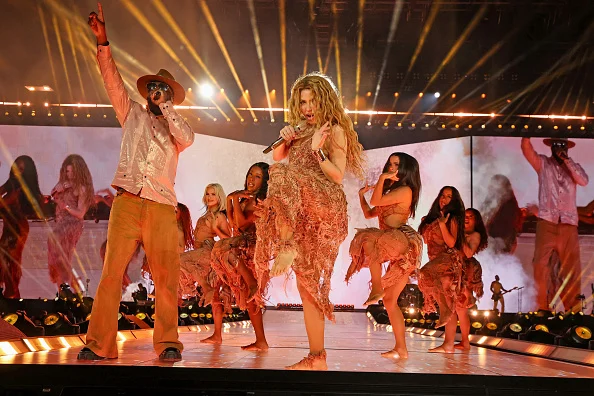
Introduction: The Sovereign of Pop Returns to Brooklyn
Shakira returned to the Barclays Center on Tuesday, July 21, for the second of her back-to-back Brooklyn dates, solidifying her status as a global icon capable of bridging the gap between stadium-sized pop spectacles and intimate, guitar-driven musical heritage. Following a historic appearance at the first-ever World Cup halftime show just two days prior, the Colombian superstar arrived in New York City with an indefatigable momentum. While her setlist was a calculated journey through her decades-long discography, the evening’s apex arrived in the form of a high-voltage collaboration with Wyclef Jean, breathing new life into a track that arguably defined the mid-2000s global pop landscape.
Chronology of a High-Voltage Evening
The night began with an atmosphere of electric anticipation. Following her first sold-out Brooklyn performance, which saw surprise cameos from the likes of Tyla, Ed Sheeran, and Burna Boy, expectations were high for a spectacle that could compete with the previous evening’s star-studded guest list.
Shakira opened the set with a visual flourish, appearing in a bohemian-inspired, earth-toned ensemble—a stark contrast to the glitz of typical arena pop. As the show progressed, the performance evolved from a choreographed spectacle into a raw, unfiltered musical confession.
The turning point occurred mid-show. Without warning, Wyclef Jean emerged, draped in an all-black aesthetic, complete with a fedora and a vibrant bandanna. The crowd erupted as the opening notes of "Hips Don’t Lie"—a track that remains a cornerstone of the Billboard Hot 100’s history—reverberated through the arena. The choreography that followed was precise, serpentine, and hypnotic, showcasing the seamless synergy between the two artists. By the time Jean delivered his iconic verse, the Barclays Center had become a singular, collective voice, marking the most significant emotional peak of the evening.
Supporting Data: The Anatomy of a Global Hitmaker
Shakira’s residency in New York is more than just a series of concerts; it is a statistical validation of her enduring relevance. Her ability to command a venue like the Barclays Center—and soon the UBS Arena—highlights a career trajectory that few artists can emulate.
The success of this tour, titled Las Mujeres Ya No Lloran, underscores the shift in the global music industry where Latin-language tracks no longer require an English-language crossover to achieve dominance. Shakira has spent the last year balancing the chart-topping success of her newer, collaboration-heavy material with a profound reverence for her roots.
The setlist for the Brooklyn show was a deliberate study in range:

- The Rock Foundation: The inclusion of songs from her 1998 breakthrough, ¿Dónde Están los Ladrones?, served as a reminder of her technical proficiency as a musician. Performances of "Ojos Así" and "Ciega, Sordomuda" were not merely renditions; they were anthems that resonated with the demographic depth of the audience, which spanned from Gen Z fans of her modern hits to long-term devotees of her late-90s rock era.
- Instrumentation: The sight of Shakira—often known for her dance-heavy performances—strapping on a glittering pink Fender electric guitar or an acoustic instrument for a soulful rendition of "Inevitable" grounded the show. It shifted the narrative from "pop diva" to "musician," a distinction she has fought to maintain throughout her career.
The Evolution of the Setlist
The structure of the concert was divided into distinct "chapters," reflecting different facets of Shakira’s artistic evolution.
- The Bohemian Opening: Focused on her current artistic state, utilizing earthy tones and minimalist staging to draw focus to her vocal performance.
- The Rock & Roll Nostalgia: A high-energy segment where she embraced an ’80s hair-metal aesthetic, featuring a purple one-piece that channeled a retro, rebellious energy. This was the segment where she leaned most heavily into her guitar-driven roots.
- The Global Pop Climax: Featuring the Wyclef Jean collaboration and transitioning into other English-language staples such as "Underneath Your Clothes."
- The Contemporary Finale: A nod to her present-day dominance, featuring the track "Soltera," which proved that even in a night dedicated to legacy, her current material is more than capable of holding its own.
Implications for the Industry
The success of these Brooklyn dates carries several implications for the music industry at large. First, it confirms that the "nostalgia economy" is particularly potent when the artist in question has maintained a high level of performance quality. Shakira is not merely "revisiting" her hits; she is reinterpreting them, treating her back catalog as a living, breathing entity rather than a museum collection.
Furthermore, the integration of Latin-alternative and rock sounds into an arena-pop environment signals a wider trend. Audiences are increasingly rejecting the "genre-locked" concert experience in favor of artists who can provide a holistic musical history. By playing "Antología" and "Ciega, Sordomuda" alongside her latest viral hits, Shakira is setting a new standard for legacy acts: you do not have to choose between your past and your future.
Official Perspectives and Fan Reception
While official statements from the artist’s camp have been sparse, the resonance of the shows is best measured by the sheer volume of the fan response. The "sing-along" moments during "Dónde Estás Corazón" were reported to be deafening, with the audience carrying the melody long after the backing tracks faded.
Critics have noted that the "second night" of a residency often suffers from a loss of adrenaline; however, in this instance, the opposite was true. By shifting the focus from the high-profile guests of the first night to the core identity of her sound, Shakira managed to craft a more intimate and personal connection with her fans. The Barclays Center, often criticized for its cavernous acoustics, was effectively softened by the acoustic segments and the raw, rhythmic energy of the live instrumentation.
Conclusion: A Legacy Cemented
As Shakira prepares to move her tour to the UBS Arena on Thursday, July 23, the narrative surrounding her current run is clear: she is an artist in her prime. The Brooklyn shows were a testament to her versatility—a balancing act of rock-star grit, pop-star precision, and an unwavering connection to her Latin heritage.
By the time the final notes of the encore faded, the Barclays Center had witnessed more than just a concert; they had witnessed a reaffirmation of Shakira’s place in the pantheon of music history. She is no longer just a performer who makes global hits; she is a definitive cultural force whose legacy is as secure as her future is bright. The "Hips Don’t Lie" moment with Wyclef Jean may have provided the night’s biggest jolt, but it was the quiet, guitar-strumming moments of her early hits that provided the lasting resonance. For those in attendance, it was a reminder that while trends change, true artistry is indelible.
 Nana Wu
  Lina Irawan
  Lina Hope