
 By Asep Darmawan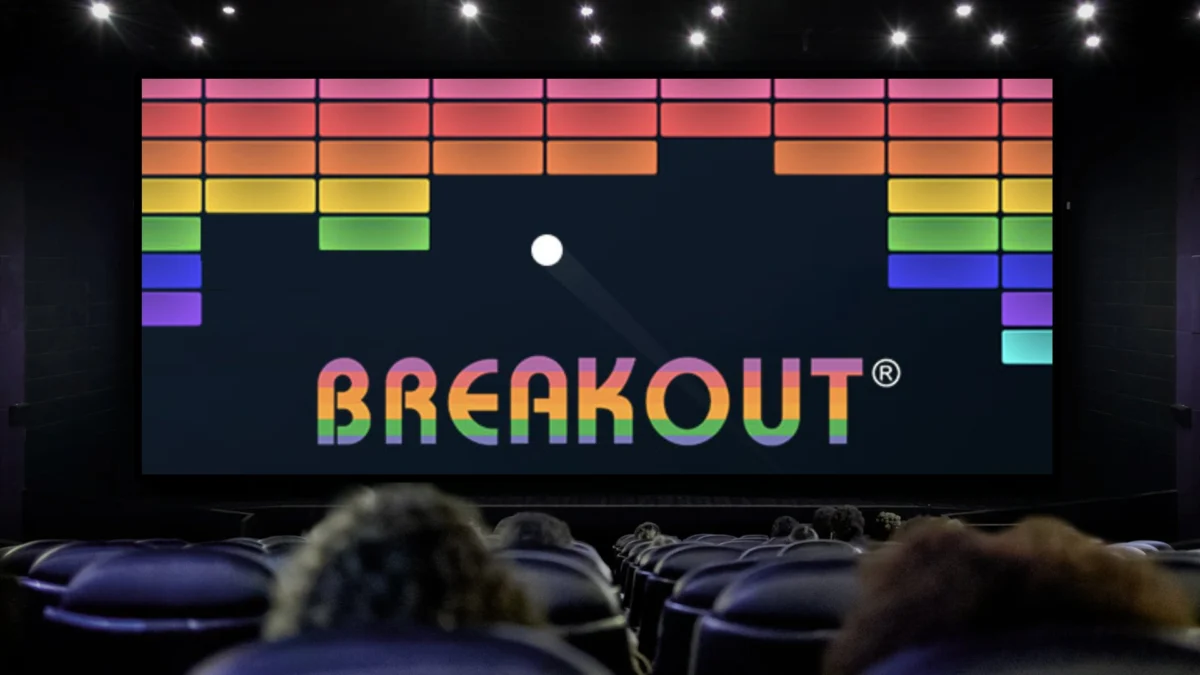
In what stands as one of the most ambitious—and perhaps most perplexing—expansions of intellectual property (IP) in recent memory, Atari has entered into a sweeping partnership with Universal Pictures and Entertainment 360. The deal, which aims to bring the golden age of arcade gaming to the silver screen, will see the development of ten feature films based on the most iconic titles in the Atari library.
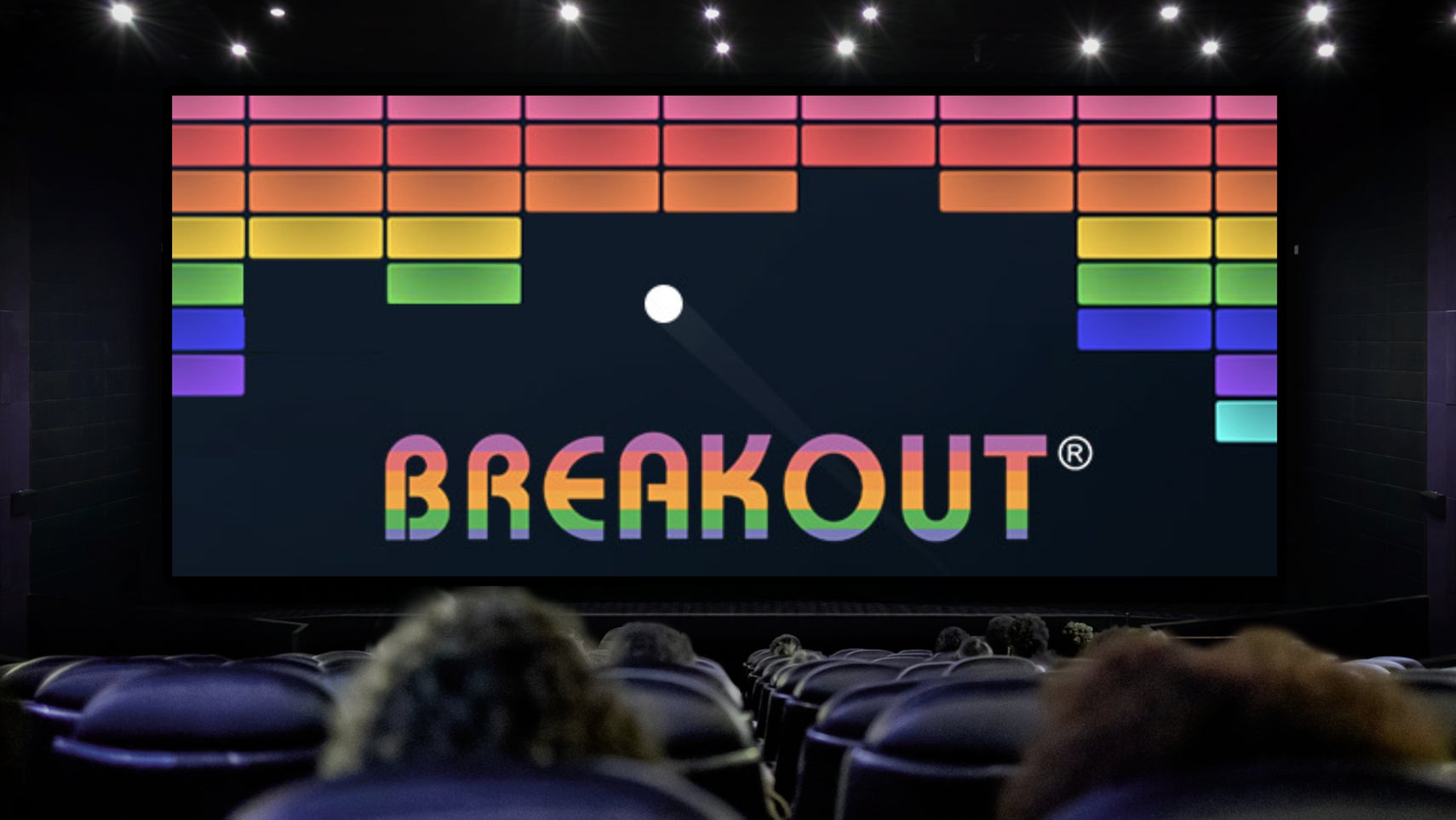
For enthusiasts of gaming history, the list of titles is a "who’s who" of the 1970s and 80s: Asteroids, Adventure, Berzerk, Breakout, Centipede, Crystal Castles, Millipede, Missile Command, Pong, and Yars’ Revenge. As the industry pivots toward cinematic universes, this collaboration seeks to transform simple, single-screen gameplay loops into “big-scale action-adventure fare,” a bold mandate for games that were originally defined by their minimalism.
The Chronology of the Atari-Universal Deal
The partnership, confirmed in late July 2026, represents the culmination of a broader corporate strategy by Atari to reclaim its status as a powerhouse in global pop culture.
- Initial Negotiations: Reports indicate that discussions between Atari, led by CEO Wade Rosen, and Universal Pictures began in early 2026, as Atari sought to leverage its historical catalogue against the current gold rush for video game adaptations.
- The Announcement: Following weeks of industry speculation, the deal was officially confirmed via Deadline, detailing a multi-project roadmap.
- The Development Phase: Currently, the partnership is in its infancy. While ten projects have been greenlit for development, only one is currently confirmed to be in active scripting. Screenwriters Matt Reilly and Carl Hampe have been tapped to draft the first entry in this prospective franchise.
- Future Outlook: While no release dates have been set, the aggressive nature of the deal suggests that Atari and Universal aim to release these films in a staggered format, potentially mirroring the "cinematic universe" model popularized by Marvel Studios.
The Creative Challenge: Adapting the Minimalist
The fundamental challenge facing Universal and Entertainment 360 is the lack of narrative infrastructure in the source material. Unlike The Super Mario Bros. Movie or The Last of Us, which rely on established character arcs and complex world-building, Atari’s catalogue consists of abstract concepts.
In Pong, the "protagonist" is a paddle. In Asteroids, the player is a wireframe triangle dodging geometric debris. Translating these experiences into coherent, feature-length narratives requires a radical reimagining of the source material. Critics of the announcement have drawn comparisons to the 2015 film Pixels, a comedy that utilized retro gaming icons as the catalyst for an alien invasion. The reception of Pixels serves as a cautionary tale: audiences are often skeptical when historical gaming icons are relegated to "Easter egg" status or forced into generic blockbuster templates.
However, industry analysts note that the abstract nature of these games could actually provide a "blank slate" for filmmakers. By removing the baggage of rigid lore, directors and writers have the creative freedom to construct original stories within the aesthetic framework of these classic games.
Supporting Data: The Video Game Adaptation Boom
The move comes at a time when video game adaptations are experiencing a renaissance at the box office. For years, the "video game movie curse"—a phenomenon where adaptations were consistently panned by critics and failed at the box office—seemed insurmountable. Recent successes have shattered that stigma.
Universal Pictures, specifically, has been a key driver in this trend. The studio’s distribution of The Super Mario Bros. Movie resulted in a staggering $1.3 billion global box office performance, proving that the medium has mass-market appeal. Similarly, their success with Five Nights at Freddy’s (2023) demonstrated that even niche, mid-budget horror titles based on games can achieve massive returns on investment.
However, the track record is not flawless. Universal has previously struggled to find the right balance, with their 2005 adaptation of Doom and the 2016 Warcraft film failing to capture the magic of their source material. The Atari deal represents a high-stakes gamble: can the studio replicate the financial triumph of Mario while avoiding the critical pitfalls that have plagued historical gaming adaptations?
Official Responses and Strategic Vision
Atari CEO Wade Rosen has framed the deal as a natural evolution for the company, which has spent the last five years aggressively acquiring legacy gaming brands.
"For more than five decades, Atari has created games and worlds that have remained part of popular culture long after their original release," Rosen stated following the announcement. "We are excited to work with Universal and Entertainment 360 to bring the spirit of our iconic brand and games to a new medium."
The partnership with Entertainment 360—a firm known for its management and production capabilities—suggests that Atari is looking for more than just a quick licensing check. They are looking to foster a long-term brand presence. By entrusting these IPs to a major studio like Universal, Atari is signaling that they view these titles as "evergreen" assets, capable of sustaining a modern media franchise.
The Implications for the Industry
The decision to greenlight ten films simultaneously is an aggressive move that carries significant financial risk. If the first film—the title of which remains a closely guarded secret—fails to resonate with audiences, the appetite for the remaining nine projects could evaporate overnight.
1. The Saturation of Nostalgia
We are currently living through an era of "peak nostalgia." From the reboot of Ghostbusters to the return of 80s-themed synth-wave in pop music, the market is saturated with revivals. The Atari project relies heavily on the audience’s emotional connection to these games. However, for a younger generation that did not grow up in arcades, the "Atari" brand may lack the necessary gravity to stand on its own without a compelling, modern hook.
2. The Narrative "Blank Slate" Strategy
If successful, this deal could set a new industry standard. Instead of adapting games with dense stories, studios might look toward the "Atari model"—finding abstract, recognizable brands and building original, high-concept blockbusters around them. If the scripts by Reilly and Hampe manage to inject genuine emotional weight into a game like Missile Command or Adventure, it would prove that the brand name is the only thing that matters, not the original gameplay experience.
3. The Future of Atari
For Atari, this is an existential pivot. The company has moved away from hardware manufacturing to focus on IP management and digital game development. Successfully launching a film franchise would turn Atari into a transmedia giant, capable of monetizing its catalog through movies, merchandise, and streaming rights.
Conclusion: A Breakout Hit or a Glitch?
As the cameras prepare to roll on the first of these ten projects, the industry remains in a state of watchful waiting. The skepticism is palpable, rooted in the history of poor gaming-to-film transitions. Yet, in an era where Mario can dominate the global box office, the skepticism is tempered by the reality of the market.
Whether this project results in a series of "Breakout" hits or a sequence of forgotten releases, the sheer audacity of the deal is undeniable. For now, we wait to see which of the ten titles will be the first to reach the big screen, and whether the ghosts of the arcade can truly find a new life in the modern cinematic landscape. One thing is certain: in the world of Hollywood, even a simple paddle and a ball are now considered a foundation for a billion-dollar empire.
 Lina Irawan
  Nana Wu