For over two decades, Dutch documentary photographer Jan Banning has embarked on a quiet, methodical, yet profoundly ambitious visual excavation of global governance. His acclaimed ongoing project, Bureaucratics, explores the infrastructure of statepower not through sweeping vistas of parliaments or marble-columned courthouses, but through the intimate, cluttered workspaces of the people who keep the machinery of society turning: the desk-bound civil servants, local police officers, municipal clerks, and regional functionaries.
Following the 2008 publication of his seminal book, Banning has expanded his archive, releasing Bureaucratics Revisited. This updated compendium pairs his foundational work with fresh material, offering a sweeping sociological and artistic study of administrative life across diverse cultures, political systems, and economic realities.
Spanning more than five years of global travel across eight countries—including India, Bolivia, China, France, Russia, Liberia, Yemen, and the United States—Banning’s project captures the invisible glue of civilization. His subjects are remarkably ordinary yet hold immense discretionary authority over the lives of citizens.
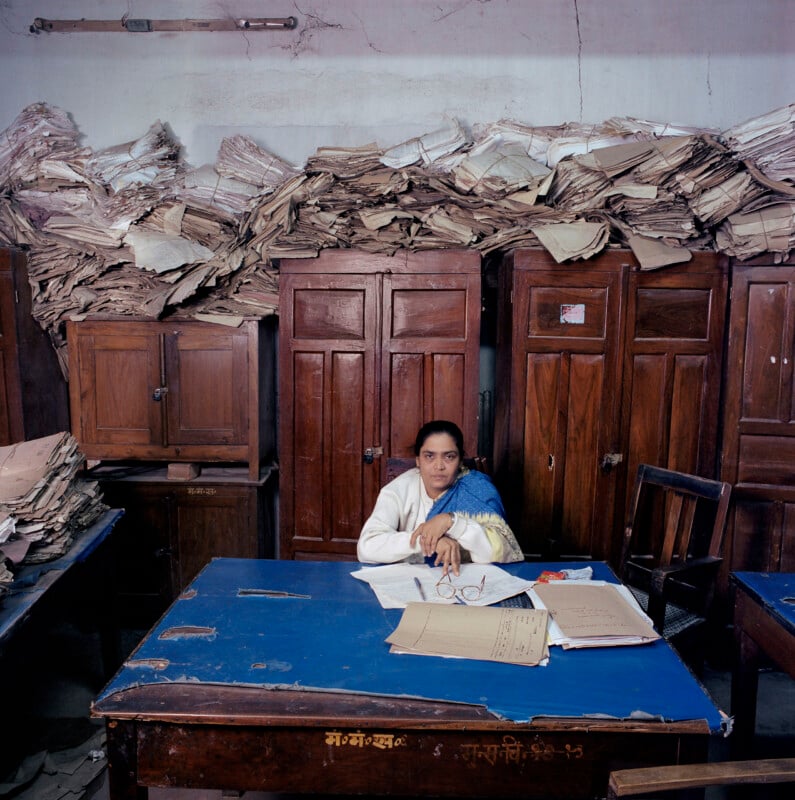
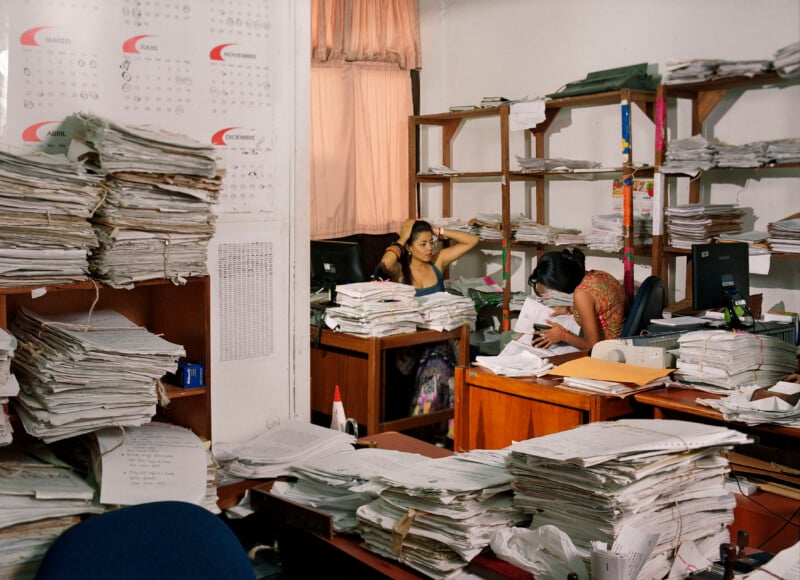
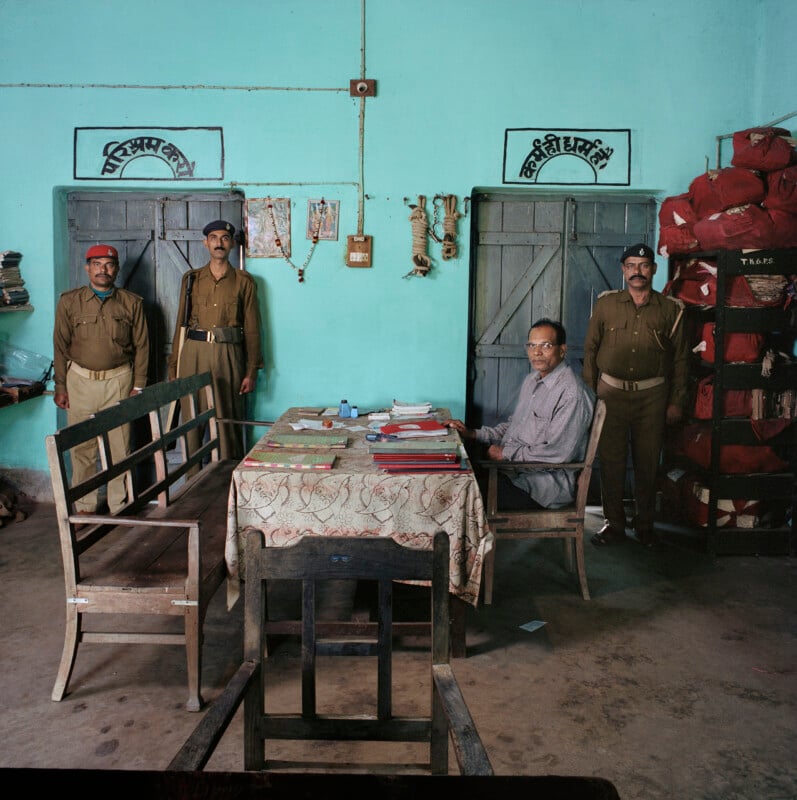
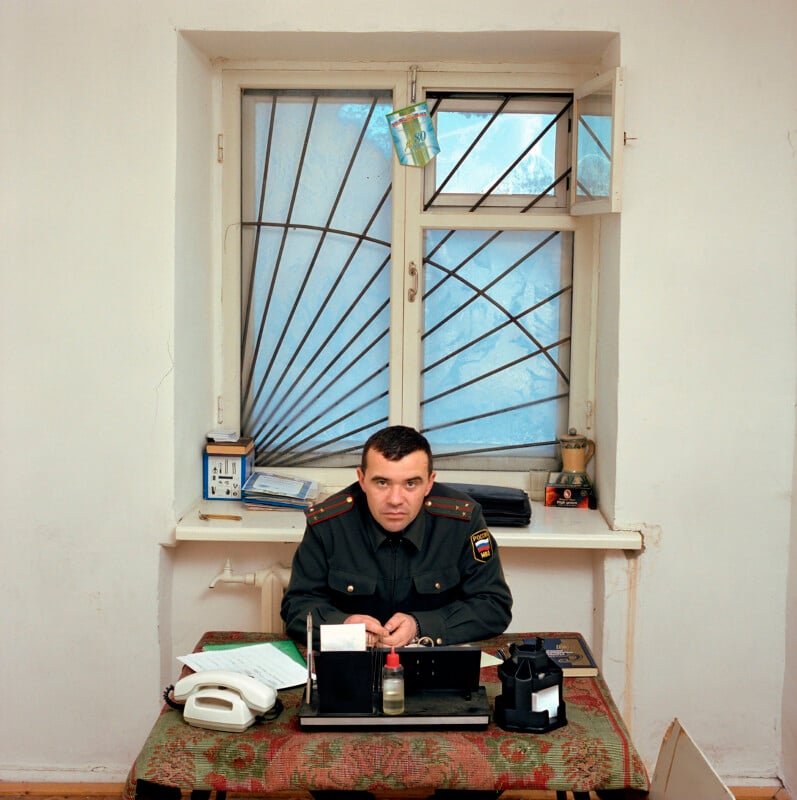
From Sushma Prasad, an assistant clerk navigating towering stacks of paper files in the Old Secretariat of Bihar, India, to Sergej Michailovich Osipchuk, a lone police officer operating without a car, telephone, or even a bicycle in a Siberian village, the project maps the stark disparities and universal realities of public administration.
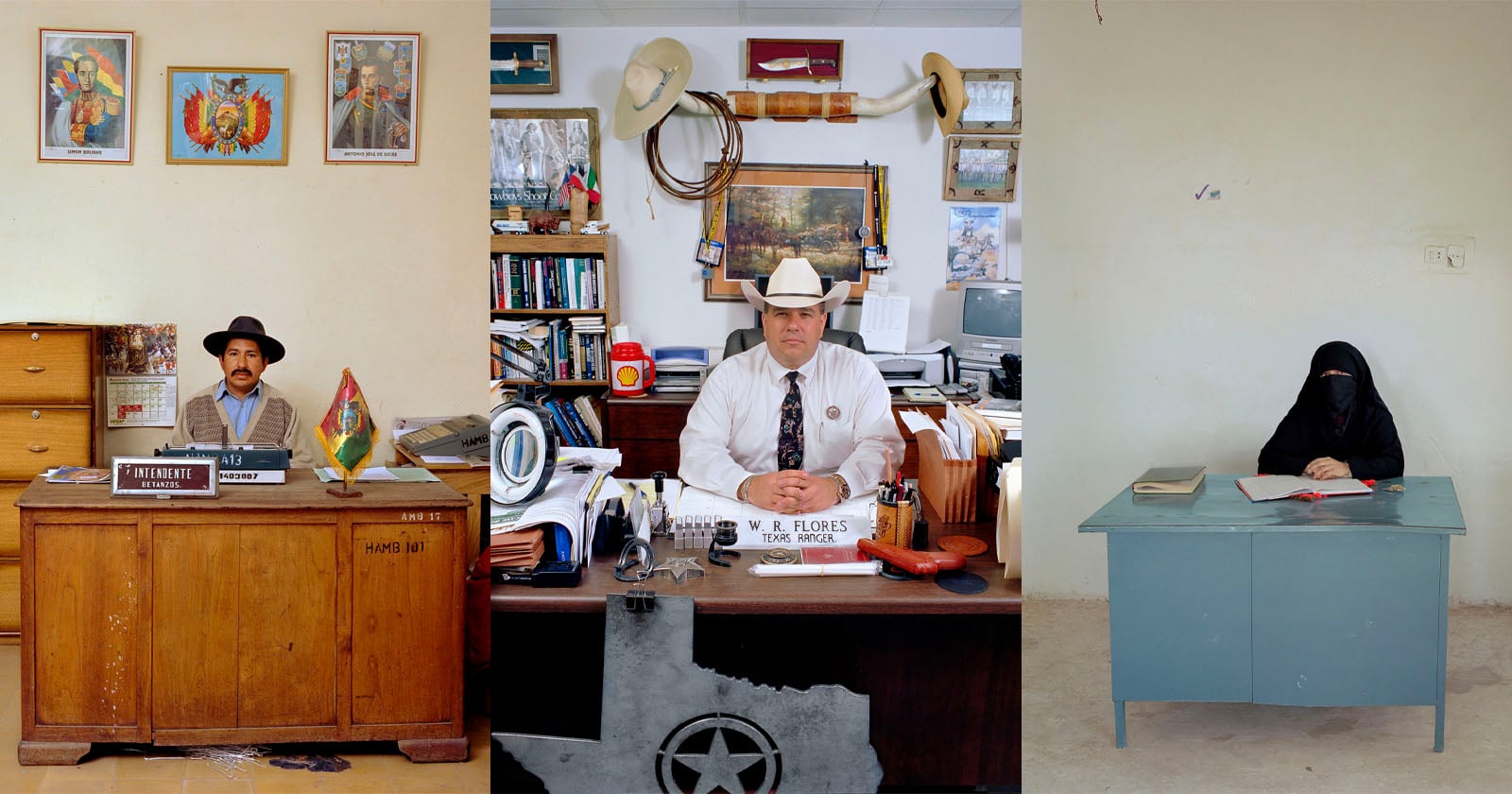
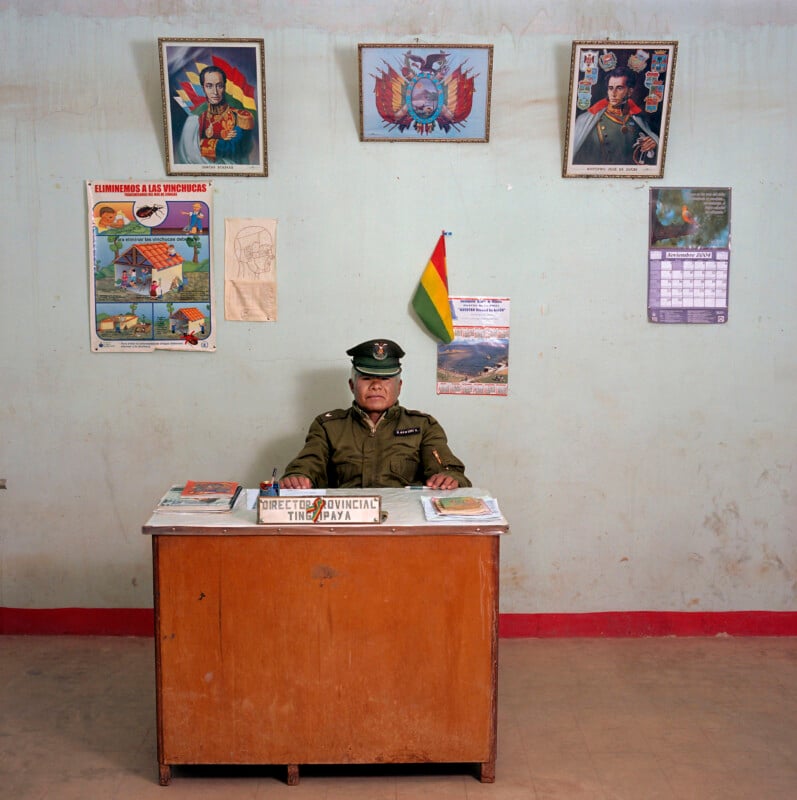
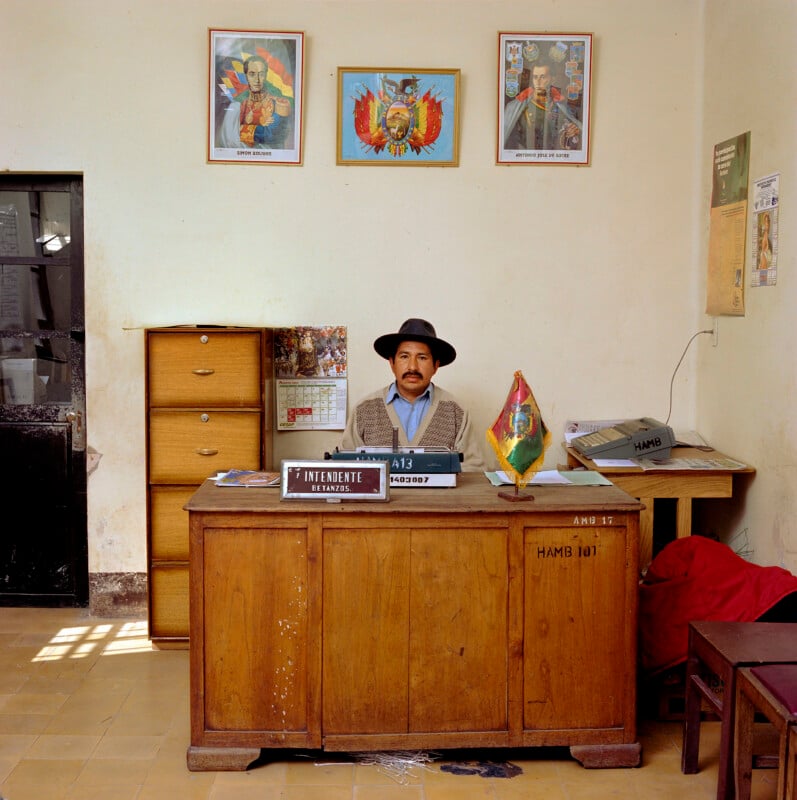
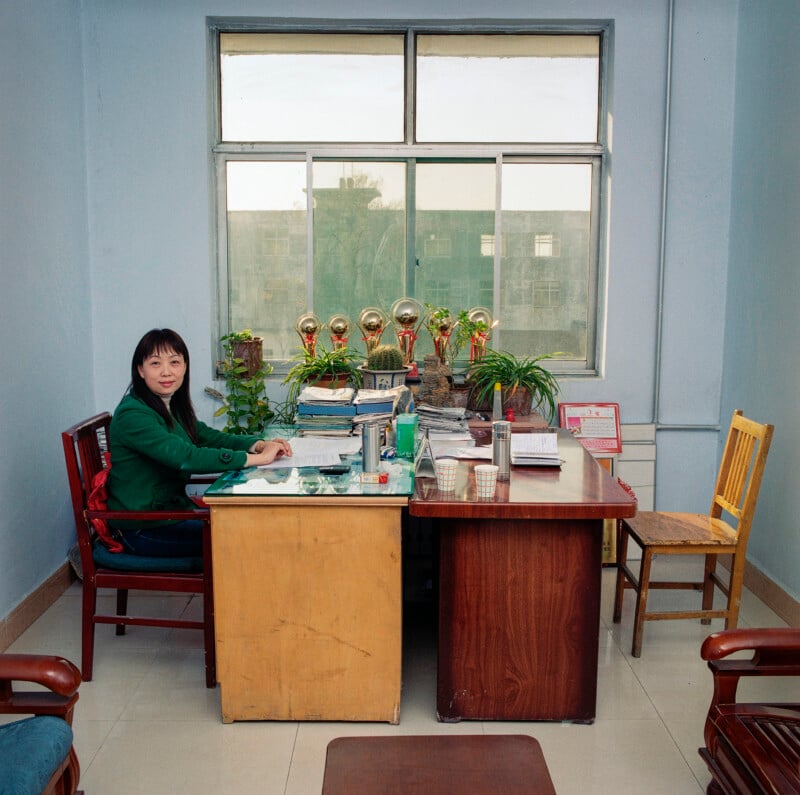
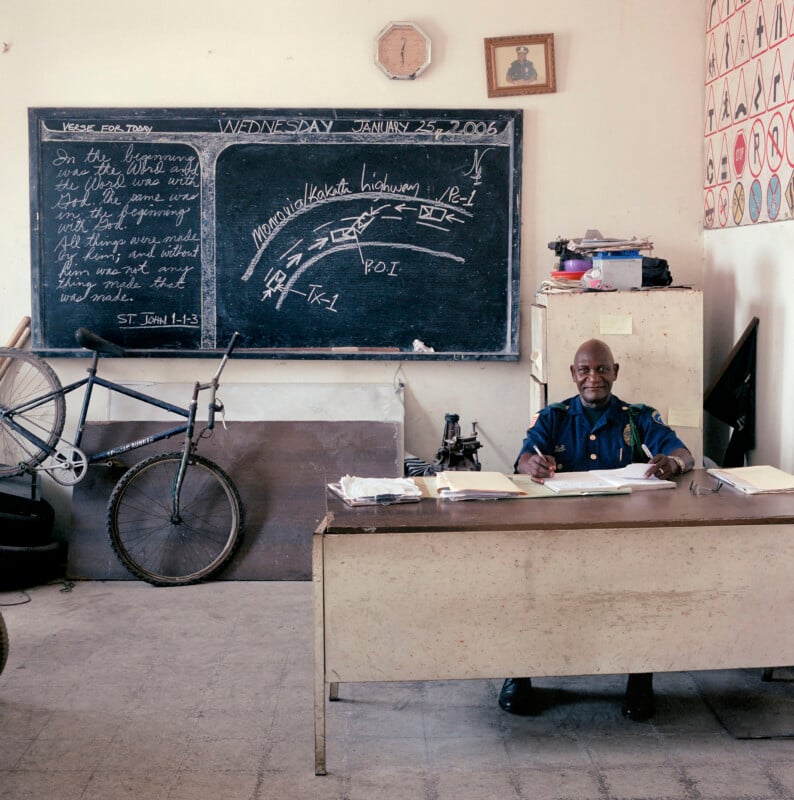
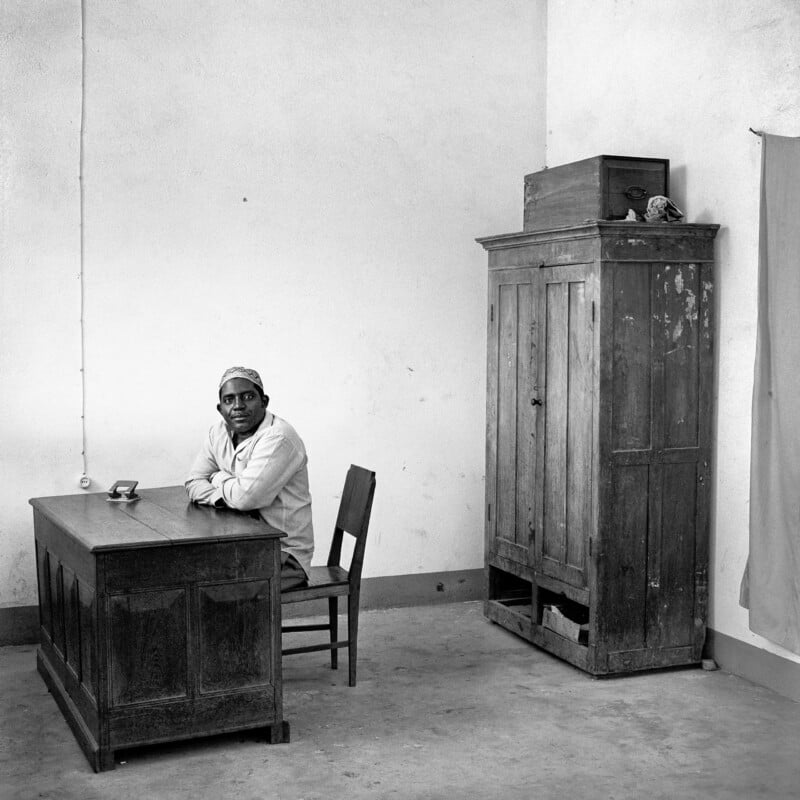
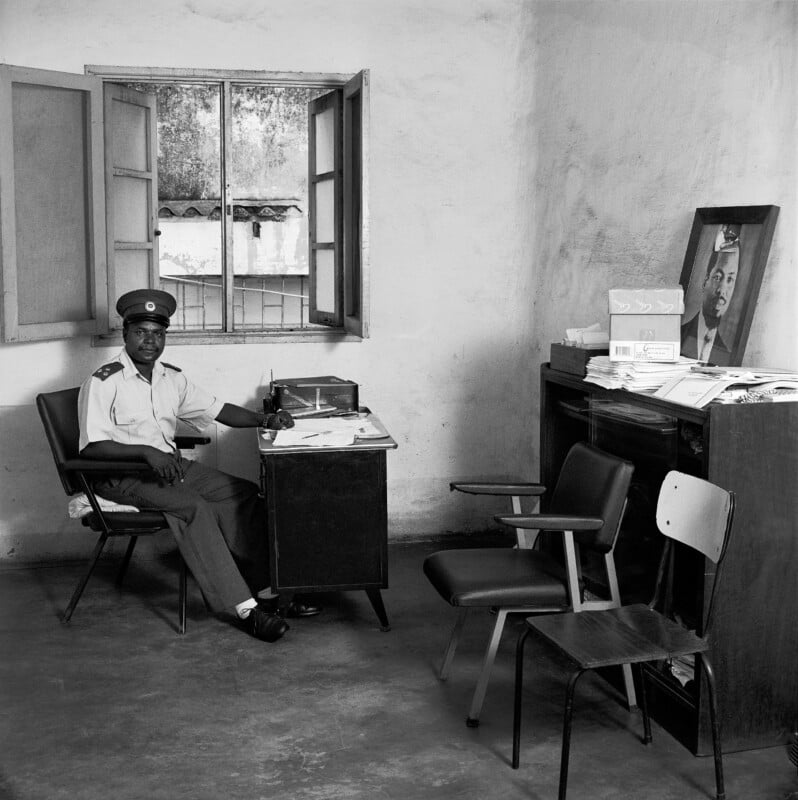
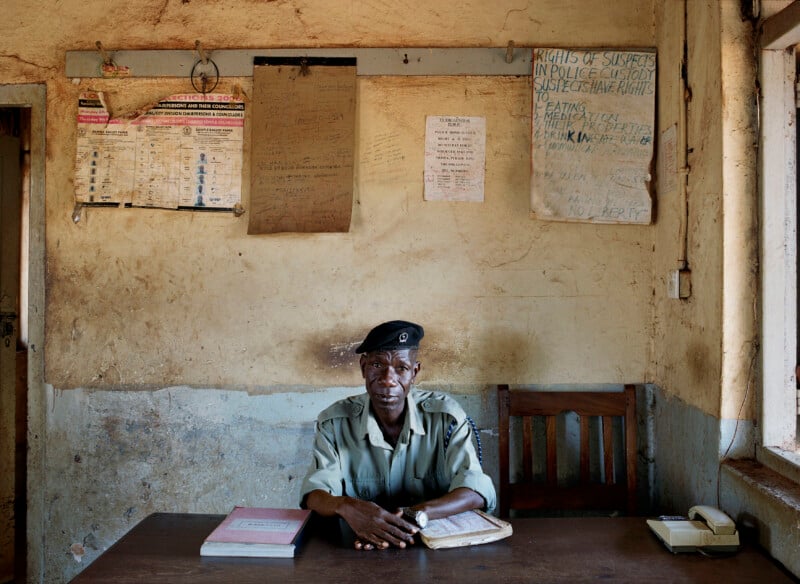
Defined by a strict, symmetrical visual grammar, Banning’s environmental portraits use a square format, frontal perspective, and deadpan clarity. Captured precisely from the eye-level of a citizen stepping up to the desk, these images forge a delicate dialogue between the office as a performative symbol of state authority and the civil servant’s deeply personal, lived workspace.
Chronology
To understand the scale of Bureaucratics Revisited, one must trace the evolutionary timeline of Banning’s global undertaking, which bridges documentary photography, bureaucratic anthropology, and technical mastery over more than twenty years:
2002: Jan Banning initiates his global journey into the heart of civil service, beginning field research and shooting early portraits in countries like Mozambique, where he documented local administrative figures such as Carlos Roska, administrative secretary of Boila-Nametoria.
2003–2005: The geographic scope broadens significantly. Banning travels through South Asia and South America, capturing portraits in India (such as literate constable Jawed Hayat in 2003) and Bolivia (such as municipal police officer Constantino Aya Viri Castro in 2005, working out of a station devoid of a phone or typewriter).
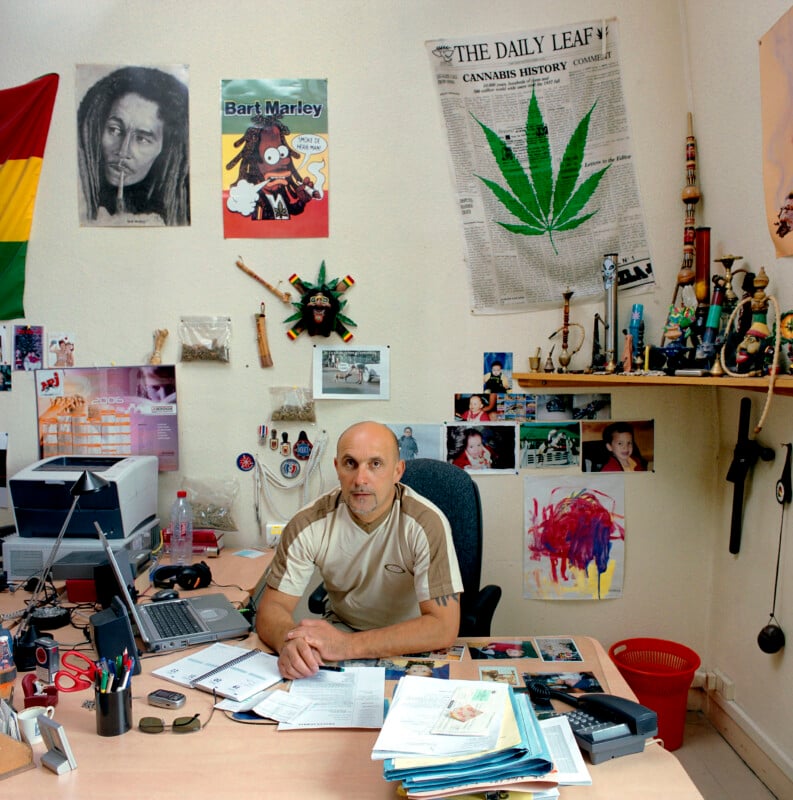
2006–2007: Banning continues his expedition across Europe, Africa, and North America. He photographs narcotics agents in France like Roger Vacher, traffic police in Liberia under Major Adolph Dalaney, agricultural advisors in Yemen, and high-profile state enforcers like Texas Ranger Rudy Flores alongside Houston council agenda director Marty Stein.
2008: The culmination of his initial five-year campaign results in the publication of the widely acclaimed first edition of Bureaucratics, establishing Banning as a premier voice in conceptual documentary photography.
2010–2013: Banning extends his visual archive by focusing heavily on penal and judicial systems in East Africa, capturing striking images of maximum-security prisons and court archives in Uganda, such as Chief Jailor Ivan Niwamanya at Jinja Main Prison.
Present Day: Banning releases Bureaucratics Revisited, an expanded publication synthesizing historical gems from his extensive archive alongside previously unpublished frames and reflections on how state bureaucracy has transformed—or stubbornly remained the same—in the 21st century.
Supporting Data
The depth of Bureaucratics Revisited relies heavily on Banning’s meticulous methodology and deliberate technical choices. Documenting state power requires not only diplomatic finesse to secure permissions in hostile or heavily guarded environments, but also rigorous technical precision.
Technical Evolution
Throughout the project, Banning transitioned across several high-end medium-format camera systems to ensure razor-sharp detail and tonal richness across vastly different lighting environments:
Bronica SQ-Ai: Utilized during the early stages of the project for its reliable square-format medium-format capabilities.
Fuji GX-680III: Adopted for its movements and expansive negative size, allowing for precise architectural control within cramped, cluttered government offices.
Hasselblad H5: Deployed in later phases to maximize digital fidelity and dynamic range, capturing the intricate textures of peeling paint, towering document stacks, and individualized desk ornaments.
Scope and Demographics
Countries Visited: 8 primary nations spanning four continents (Asia, Africa, Europe, and the Americas).
Scale of Governance: Subjects range from local village officers serving communities of fewer than 2,000 residents (such as Siberia’s Oktyabrsky) to administrative personnel managing states and metropolitan hubs with populations exceeding 83 million (such as the State of Bihar, India).
Resource Disparities: The archive highlights extreme infrastructural variances—from high-tech municipal planning offices in industrialized nations to remote outposts in Bolivia and Siberia where law enforcement officers lack basic amenities like typewriters, telephones, or vehicles.
Official Responses
Securing access to government interiors to photograph state workers is notoriously difficult. In the book’s foreword, celebrated British photographer Martin Parr underscores the sheer diplomatic and logistical hurdles Banning overcame to realize the project:
"Receiving permission to shoot portraits of bureaucrats is in itself an achievement, when you consider the countries they decided to visit: India, Yemen, Bolivia and others," writes Parr. "I would not know where or how to start. So they get the go-ahead, and then Banning shoots many portraits, the best of which we see here."
Rather than relying on clandestine or fly-on-the-wall photojournalism, Banning’s approach is collaborative. He requests that his subjects pose formally behind their desks, transforming the administrative space into a stage. This official cooperation coaxes out unexpected vulnerabilities. Bureaucrats willingly surround themselves with personal items—family photographs, religious icons, pop-culture posters like Bob Marley or Bart Simpson, and sports memorabilia—that subtly subvert the cold, monolithic image of the state.
Implications
Bureaucratics Revisited transcends mere photographic cataloging; it serves as a profound sociological commentary on modern civilization. In an era increasingly dominated by digital automation, algorithmic governance, and remote public services, Banning’s work reasserts the physical, human reality underpinning civic life.
The Tension Between Public Authority and Private Identity
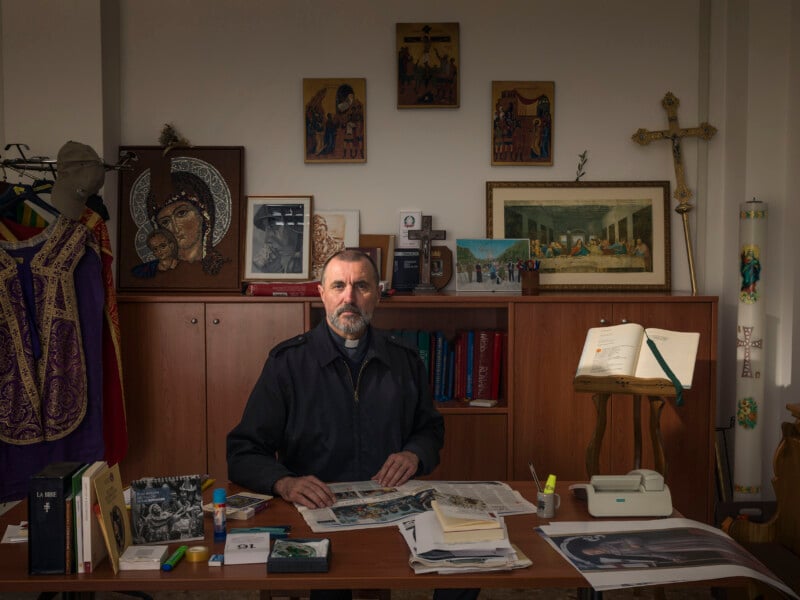
The portraits expose a fascinating psychological duality. The desk acts as a barricade, a theatrical prop meant to project institutional power, order, and impartiality. Yet, the debris scattered across these desks—unpaid bills, half-empty mugs, decaying paper files, and eclectic decorations—betrays the messy humanity of the individuals occupying the seat. A narcotics agent’s office adorned with cannabis imagery (Roger Vacher in France) or a military chaplain surrounded by sacred iconography (Don Albino d’Orlando in Italy) highlights how personal beliefs and cultural quirks bleed into official duties.
The Monumentality of Paperwork
Across multiple continents, the project documents the sheer physical weight of bureaucracy. Piles of paper documents stacked from floor to ceiling—visible in the archives of Colombia’s criminal courts and Uganda’s magistrate offices—visualize the sluggish, analogue momentum of legal and administrative systems. These archives are monuments to human memory, state control, and the bureaucratic inertia that dictates the pace of justice worldwide.
Ultimately, Jan Banning’s Bureaucratics Revisited invites viewers to reflect on their own relationship with the state. By looking directly into the eyes of the clerks, officers, and administrators who hold the levers of power, we are reminded that bureaucracy is neither an abstract cloud nor an unfeeling machine—it is a human construct, sustained, complicated, and tempered by ordinary people every single day.

 By Basiran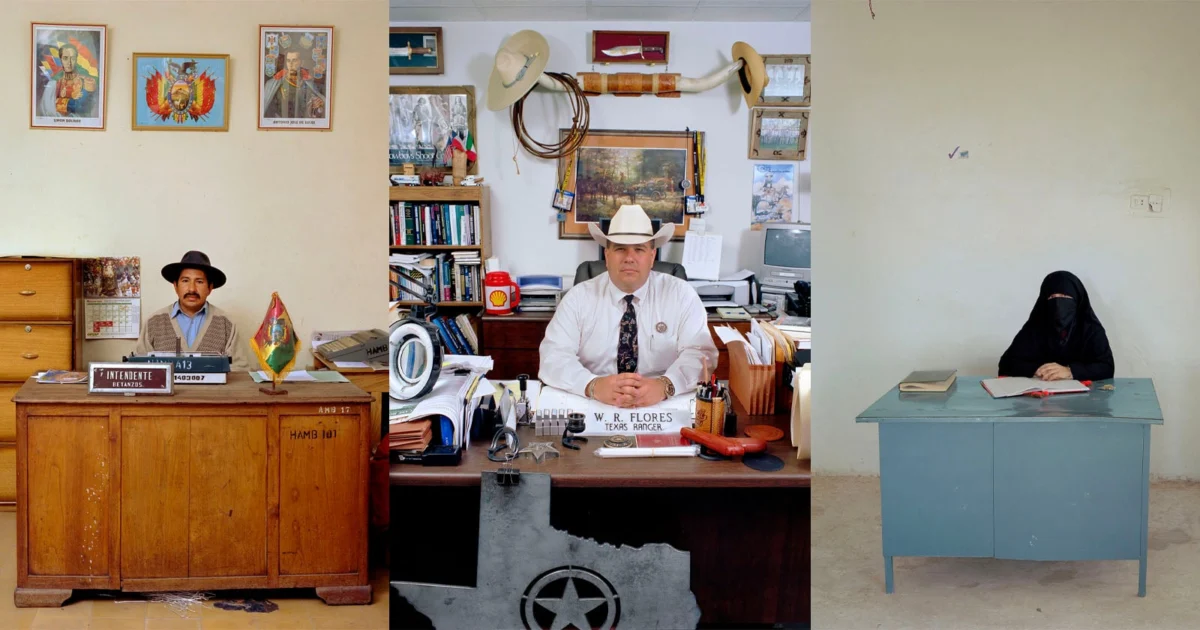
 Suro Senen
  Nana
Nana  Jia Lissa