Modern consumers no longer wait for corporate market research surveys to voice their opinions. Instead, they share unprompted, authentic feedback across millions of digital touchpoints—from Reddit rabbit holes and niche online forums to TikTok video reviews and viral YouTube threads. To capture and make sense of this massive influx of spontaneous data, enterprises increasingly rely on socialintelligencetools.
Unlike traditional social media analytics—which primarily focus on performance metrics, likes, shares, and owned-account reporting—social intelligence harnesses advanced artificial intelligence (AI), natural language processing (NLP), and machine learning to analyze global consumer conversations at scale. These platforms empower brands to decode cultural shifts, track market sentiment, optimize product development, and predict emerging consumer demands before they hit the mainstream.
Industry benchmarks and expert analyses highlight eight of the most prominent social intelligence platforms leading the market: Lumen (by Hootsuite), Brandwatch, Meltwater, Sprinklr, YouScan, Audiense, Pulsar, and Quid. Each platform offers unique capabilities ranging from deep historical archiving and visual logo recognition to predictive retail analytics and PR-led cross-media visibility.
Chronology: The Evolution from Metrics to Meaning
The corporate approach to understanding consumer sentiment has undergone a rapid, necessary evolution over the past decade.
The Early 2010s (Basic Monitoring): Brands relied heavily on manual tracking or rudimentary keyword alerts. The focus was strictly defensive: monitoring brand mentions, avoiding public relations crises, and tallying basic volume metrics.
The Mid-to-Late 2010s (Social Listening Era): Platforms matured to include sentiment analysis and share-of-voice tracking. Companies could finally see what people were saying about them relative to their direct competitors across major social channels.
The Early 2020s (Data Overload): As digital communities fragmented across short-form video apps, decentralized networks, and private messaging ecosystems, marketing teams found themselves drowning in unstructured data. Simple listening tools could no longer explain why metrics fluctuated.
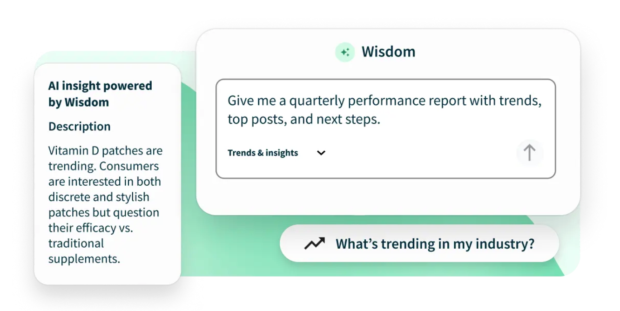
The Present (The Age of Social Intelligence & Generative AI): Today, platforms integrate generative AI layers (such as Hootsuite’s Wisdom, Brandwatch’s Iris AI, and Meltwater’s Mira AI) to synthesize billions of data points. These systems move beyond retrospective reporting, allowing marketing, PR, and product teams to converse naturally with their data, isolate actionable drivers behind viral trends, and generate strategic business next steps instantly.
Supporting Data: Comparing the Top 8 Social Intelligence Tools
Selecting the right social intelligence platform depends heavily on an organization’s specific strategic objectives, data coverage requirements, and integration needs. Below is a comparative breakdown of the industry’s leading solutions:
Tool
Primary Focus / Best For
Data Coverage & Scope
Core AI & Advanced Layer
Lumen
Enterprise and global teams requiring deep social listening and real-time alerts.
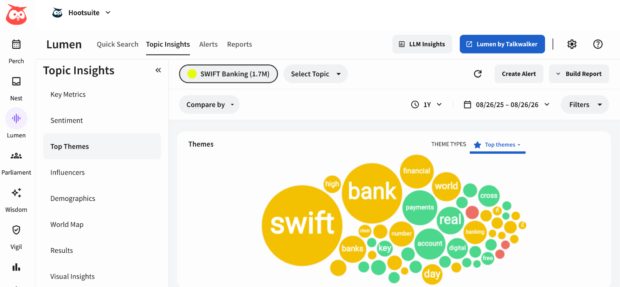
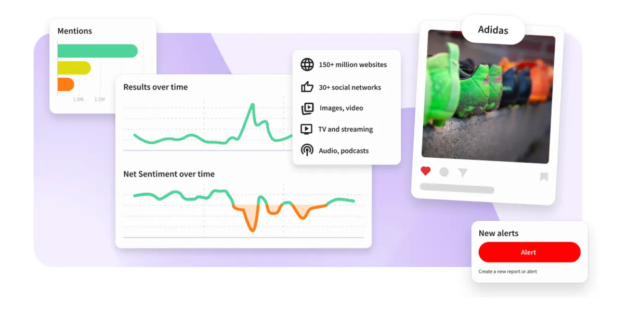
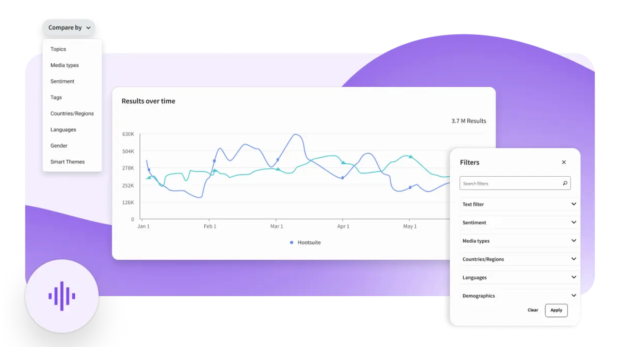
150 million websites and 30+ social channels (including Reddit, LinkedIn, and Bluesky).
Wisdom: Translates raw data into plain-language answers with citations, surfacing trends and next steps.
Brandwatch
Brands seeking massive historical archives of consumer conversations.
100M+ online sources paired with a 1.6-trillion-conversation historical archive.
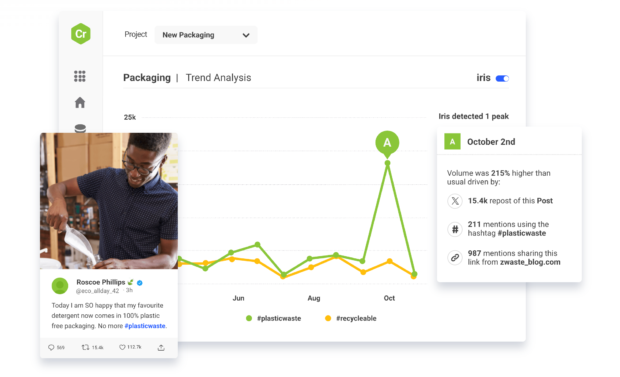
Iris AI: Spotlights trends, scores sentiment, and performs automated image and logo recognition.
Meltwater
PR-led teams tracking traditional media, social channels, and AI assistant visibility.
Traditional news, broadcast, print, social media, and Large Language Models (LLMs).
Mira AI & GenAI Lens: Tracks brand visibility across LLMs like ChatGPT and Claude with sourced citations.
Sprinklr
Enterprise customer experience (CX) and unified multichannel management.
Sprinklr AI: Detects emerging themes, sudden shifts in trends, and operational data anomalies.
YouScan
Visual-first brands and consumer goods companies.
Social networks, digital channels, and advanced image indexing.
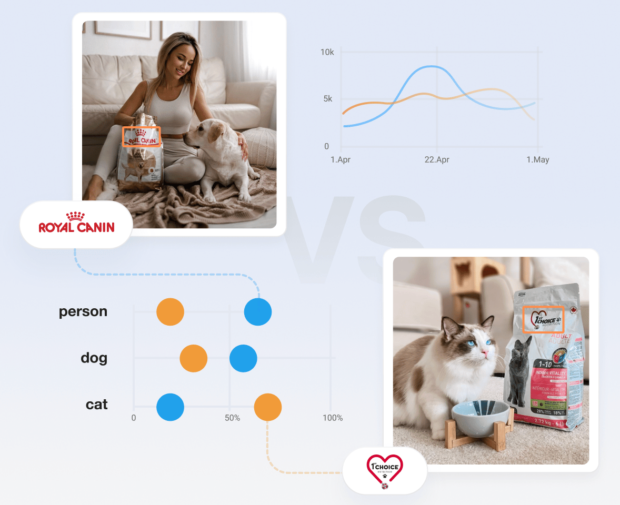
Visual Insights & Insights Copilot: Scans over 500k sources for logos, objects, demographics, and text.
Audiense
Deep audience profiling and behavioral segmentation.
Over 3 billion global consumer profiles.
Audiense Action: Enables chats with AI-powered personas built from real audience segments.
Pulsar
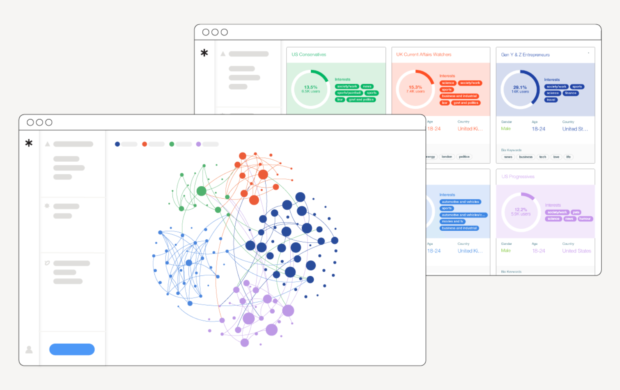
Understanding nuanced audience communities and distinct subcultures.
Social and web data spanning 195 countries and multiple languages.
Narratives AI: Detects and ranks emerging narratives across billions of posts.
Quid
Predictive analytics for shopper demand, pricing, and retail inventory.
Social media, broadcast networks, news publications, and global patents.
Q Agents: Automated workflows designed to forecast market shifts without manual analysis.
Official Perspectives and Expert Insights
To understand the practical realities of deploying these technologies, industry experts emphasize that organizations must look beyond vanity metrics and focus on cultural integration.
Dylan Peterkin, a recognized social intelligence expert, notes that organizations typically outgrow basic listening tools when their objectives shift from measuring short-term campaign performance to genuinely understanding consumer culture.
"A basic tool can help you measure what you spent on an idea and how it performed with your existing audience," Peterkin explains, "but there’s no replacement for full-fledged intelligence: being where your target audience is, and finding ways to exist in those spaces naturally through product and content."
Peterkin also highlights the underappreciated value of conversation clustering—a feature that reveals what an audience cares about outside of targeted brand searches. For instance, while college students discussing textbook prices might look like a simple retail query on the surface, broader conversation clustering reveals a macro-level narrative about young adults struggling to afford basic living essentials.
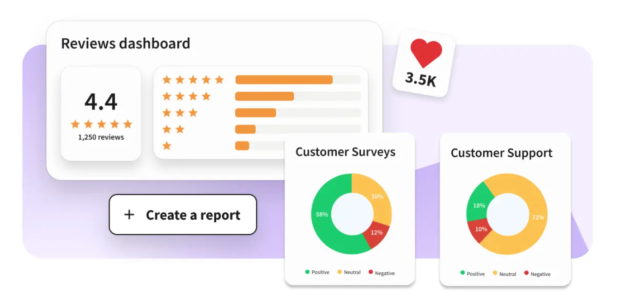
Furthermore, experts stress the necessity of noise reduction and data coverage diversification. Effective tools must seamlessly filter out bot networks, spam, and irrelevant homonyms (such as distinguishing the technology giant Apple from the fruit) while simultaneously tracking off-platform data sources like online customer reviews and customer support tickets. This multi-channel approach provides a holistic picture of the true customer journey.
Implications for Strategy, PR, and Product Development
The widespread adoption of advanced social intelligence platforms carries profound implications for modern business operations across multiple departments:
1. Moving from Reporting to Root-Cause Analysis
Historically, a sudden 700% spike in brand mentions triggered confusion or superficial celebration. Modern AI-backed tools eliminate this ambiguity. By deploying generative AI agents backed by verifiable citations (such as Hootsuite’s Wisdom), teams can instantly determine whether a spike stems from an unscripted celebrity endorsement, a viral user-generated complaint, or automated bot activity. This clarity ensures rapid, appropriate crisis management and resource allocation.
2. Bridging the Gap Between PR and Marketing
Historically siloed departments now leverage unified platforms like Meltwater and Sprinklr to monitor brand reputation holistically. PR teams tracking traditional broadcast media and LLM visibility (via GenAI tracking tools) can now coordinate directly with social media managers tracking TikTok trends, creating a unified front in brand communication.
3. Democratizing Data Literacy
Sophisticated analytics historically required dedicated data scientists to interpret complex charts. Today’s user interfaces utilize natural language processing, allowing any team member to ask conversational prompts—such as "What is shaping the public perception of our brand this week?"—and receive immediate, summarized, and actionable insights. This democratization fosters an enterprise-wide culture driven by real-time audience intelligence.
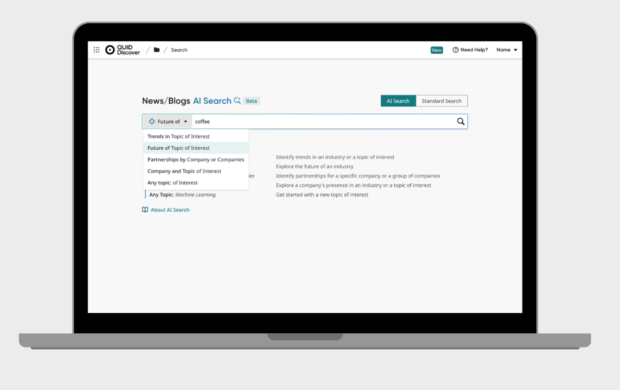
4. Predictive Product Innovation
Platforms like Quid and Audiense push social intelligence past mere communication tracking into predictive territory. By analyzing patent filings, global news, and deep behavioral consumer segments, product development teams can anticipate market demand shifts, allowing brands to innovate proactively rather than reactively.
Ultimately, organizations that master social intelligence will successfully bridge the gap between listening to their customers and actively building products and content that naturally resonate with evolving global culture.

 By Asep Darmawan




 Muslim
  Nana
Nana  Neng Nana