
 By Nana Wu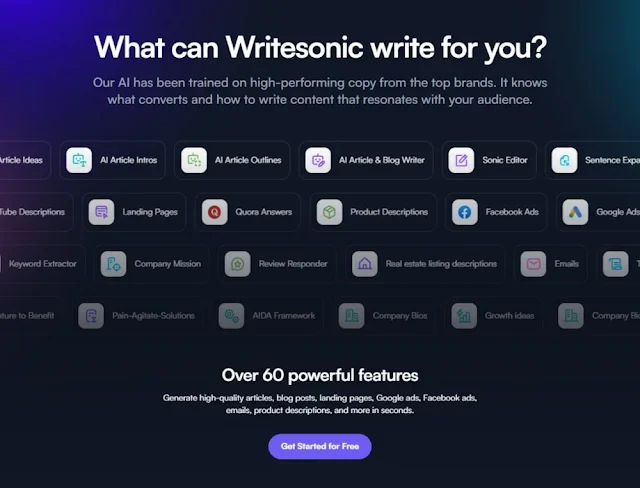
ABSTRACT: In an era where digital presence dictates commercial viability, the demand for consistent, high-quality content has outpaced human writing capacity. Artificial intelligence content generation has emerged not merely as an experimental technology, but as a critical operational pillar for marketers, enterprises, and solo creators. This report evaluates the top 10 AI content generation platforms, detailing their functional capabilities, structural advantages, limitations, and pricing models to guide strategic digital investments.
Main Facts: The Shift Toward Automated Content Operations
The modern digital economy operates on an insatiable appetite for content. From search engine optimization (SEO) articles and email marketing campaigns to dynamic social media advertisements and e-commerce product catalogs, the pressure on marketing teams to produce relevant material daily is immense. Human burnout, resource constraints, and scaling limitations have forced organizations to look beyond traditional human-only copywriting workflows.

Artificial Intelligence (AI) content generators have stepped into this void. Leveraging advanced Large Language Models (LLMs) and natural language processing (NLP), these platforms analyze vast datasets to predict and synthesize contextually accurate, grammatically sound, and engaging prose.
Key developments driving this transition include:
- Efficiency at Scale: Content that historically required days of research and drafting can now be generated in minutes.
- Algorithmic Alignment: Many tools integrate SEO parameters natively, ensuring that the generated text adheres to search engine best practices.
- Cost Optimization: Automated writing solutions offer a fraction of the cost per word compared to hiring traditional freelance agencies or full-time staff copywriters.
Chronology: From Experimental NLP to Commercial Domination
The trajectory of AI content generation has accelerated dramatically over the past several years:
- Pre-2018: Natural language generation was largely rule-based, producing rigid, robotic, and highly predictable text used primarily for automated weather reports or financial summaries.
- 2019–2020: The introduction of advanced transformer architectures revolutionized the field. Early iterations of commercial AI writing assistants began appearing, primarily targeting short-form ad copy and basic paraphrasing.
- 2021–2022: The market matured rapidly. Specialized platforms emerged, offering long-form blog generation, advanced SEO optimization, workflow automation (such as Jasper’s "Boss Mode"), and specialized vertical templates for e-commerce and creative writing.
- Present Day: AI writing tools have evolved from novelty experiments into essential enterprise software, deeply integrated into content management systems and marketing pipelines worldwide.
Supporting Data: Comparative Analysis of the Top 10 AI Content Generators
Selecting the correct AI writing tool requires a granular understanding of individual platform features, pricing tiers, and utility mapping. Below is a comprehensive breakdown of the top 10 solutions currently shaping the landscape.

1. Jasper AI (Formerly Jarvis)
Jasper stands as one of the pioneers and market leaders in AI content generation. It utilizes advanced algorithms to adapt to specific brand voices, writing styles, and media formats.
- Primary Utility: Comprehensive long-form content, marketing copy, and multi-format generation.
- Key Features: Advanced command workflows, multi-language support, and extensive template libraries.
- Pricing: Premium tiers include "Boss Mode" starting at $99 per month, designed for heavy content operations requiring faster execution and long-form document mixing.
2. Copy.ai
Designed for marketing agility, Copy.ai simplifies the creation of high-converting promotional material through an intuitive user interface and a vast array of specialized templates.
- Primary Utility: Social media posts, ad copy, and short-form marketing materials.
- Key Features: Over 90 distinct templates (ranging from bullet-to-blog transformations to hook text), product descriptions, and sales reports.
- Pricing: Offers a robust 7-day free trial with 100 runs per day. Pro plans begin at $49 per month (scaling down to approximately $35 per month when billed annually).
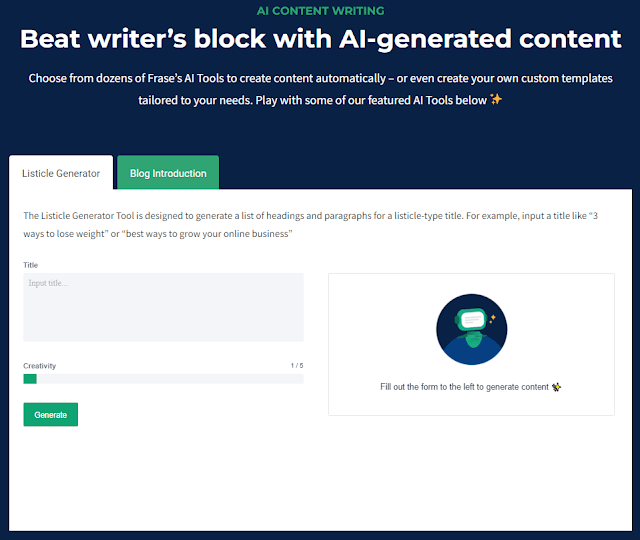
3. Frase AI
Frase operates at the intersection of AI generation and SEO research. Rather than focusing solely on creative writing, it assists users in analyzing top-ranking search results to build competitive content briefs.
- Primary Utility: SEO-optimized content research, outlining, and drafting.
- Key Features: Automated content brief generation, topic scoring, and search intent analysis.
- Pricing: Structured into Solo ($14.99/mo), Basic ($44.99/mo), and Team ($114.99/mo) tiers, with optional enterprise add-ons.
4. Article Forge
Article Forge takes a streamlined, keyword-driven approach to automated blogging, minimizing the setup time required by prompt-heavy platforms.

- Primary Utility: Fully automated, end-to-end blog article generation.
- Key Features: Single-keyword input architecture, automated image/video insertion, and guaranteed Copyscape passing.
- Pricing: Plans range from the Basic Plan ($27/mo for up to 25k words) and Standard Plan ($57/mo) to the Unlimited Plan ($117/mo). Includes a 30-day money-back guarantee.
5. Rytr
Rytr is an accessible, budget-friendly AI writing assistant optimized for solopreneurs, students, and small business owners needing fast, reliable output.
- Primary Utility: Short-to-medium-form copywriting, academic assistance, and blog drafting.
- Key Features: Built-in plagiarism checking, tone of voice customization, and a clean, minimalist interface.
- Pricing: Features a free tier limited to 5,000 characters per month. Premium "Saver" plans start at $9 per month ($90 annually).
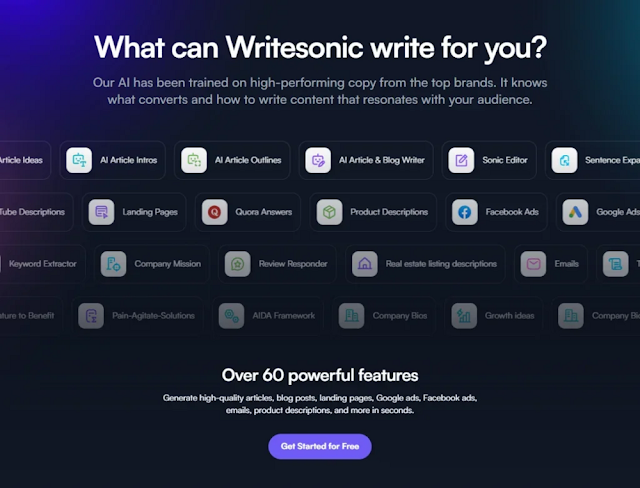
6. Writesonic
Writesonic positions itself as an all-in-one ecosystem for digital marketers, combining article generation with integrated grammar and plagiarism verification tools.

- Primary Utility: Marketing landing pages, long-form articles, and ad campaigns.
- Key Features: Built-in Sonic Editor, multi-language translation, and landing page copy generators.
- Pricing: Operates on a credit-based trial model, with paid tiers divided into Short-form ($15/mo) and Long-form ($19/mo) packages.
7. CopySmith
CopySmith is engineered for enterprise-grade scalability, enabling marketing teams and e-commerce managers to generate bulk content rapidly.
- Primary Utility: Enterprise content generation, bulk product descriptions, and campaign management.
- Key Features: Bulk generation capabilities, team collaboration workflows, and e-commerce platform integrations.
- Pricing: Free trial with no credit card required, followed by a Starter Plan at $19 per month and customizable Enterprise solutions.
8. Hypotenuse.ai
Tailored specifically for the retail and digital commerce sectors, Hypotenuse.ai excels at transforming raw product specifications into compelling marketing narratives.
- Primary Utility: E-commerce product descriptions, automated inventory content, and visual assets.
- Key Features: Bulk product description generation, image generation, and content batching workflows.
- Pricing: Trial period available; paid tiers include the Starter Plan ($29/mo) and Growth Plan ($59/mo), alongside custom Enterprise quotes.
9. Kafkai
Kafkai is built explicitly for SEO professionals and affiliate marketers who require niche-specific content generation at scale.
- Primary Utility: Programmatic SEO article generation and niche blogging.
- Key Features: Niche-trained AI models, bulk article building, and high-volume output pipelines.
- Pricing: Writer Plan ($29/mo for 100 articles), Newsroom Plan ($49/mo for 250 articles), Printing Press ($129/mo), and Industrial Printer ($199/mo).
10. Peppertype.ai
Peppertype.ai functions as a virtual copywriter designed to accelerate the ideation and execution phases of content marketing.

- Primary Utility: Blog post generation, content ideation, and social media planning.
- Key Features: Rapid output generation, user-friendly dashboard, and diverse copywriting modules.
- Pricing: Personal Plan starting at $35 per month, with Team tiers at $199 per month and custom enterprise options.
Official Responses and Industry Perspectives
The rapid adoption of AI writing technologies has sparked robust discourse across the technology and publishing sectors:
- Proponents and Industry Analysts: Technology advocates argue that AI generators do not replace human creativity; rather, they eliminate cognitive friction. By automating the preliminary drafting and structuring phases, writers can dedicate more energy to strategic thought, editorial refinement, and unique brand storytelling.
- Search Engine Stances (e.g., Google): Major search engines have clarified their policies regarding AI-generated content. The prevailing stance emphasizes content quality over creation methodology. If an AI-assisted article provides genuine value, answers user intent, and meets rigorous E-E-A-T (Experience, Expertise, Authoritativeness, and Trustworthiness) standards, search algorithms treat it equitably alongside human-crafted text.
- Ethical and Creative Concerns: Traditional authors and academic institutions have raised valid concerns regarding data privacy, intellectual property rights, and the potential propagation of algorithmic bias. Consequently, the implementation of rigorous fact-checking and plagiarism screening remains mandatory across professional deployments.
Implications: The Future of Digital Content Strategy
The integration of artificial intelligence into content creation workflows carries profound implications for the digital landscape:

- Democratization of Publishing: Small businesses and individual creators who previously lacked the capital to hire dedicated copywriting teams can now produce competitive, professional-grade marketing materials.
- Workflow Transformation: The traditional role of the writer is evolving into that of an "AI Editor" or "Content Architect." Professionals are spending less time staring at blank pages and more time directing, prompting, and polishing algorithmic outputs.
- Market Saturation and Quality Control: As content generation becomes frictionless, the volume of digital information will increase exponentially. In this hyper-competitive environment, raw output volume will lose value; human insight, emotional resonance, and rigorous editorial oversight will become the ultimate differentiators.
Conclusion
Navigating the ecosystem of AI content generators requires aligning specific operational needs with platform strengths. While tools like Jasper AI and Writesonic offer comprehensive feature sets for general marketing, platforms like Kafkai and Hypotenuse.ai serve specialized niches such as programmatic SEO and e-commerce. Organizations that successfully balance AI efficiency with human editorial standards will secure a definitive competitive advantage in the digital marketplace.
 Nila Kartika Wati
  Ali Ikhwan
  Evan Lee Salim