
 By Asro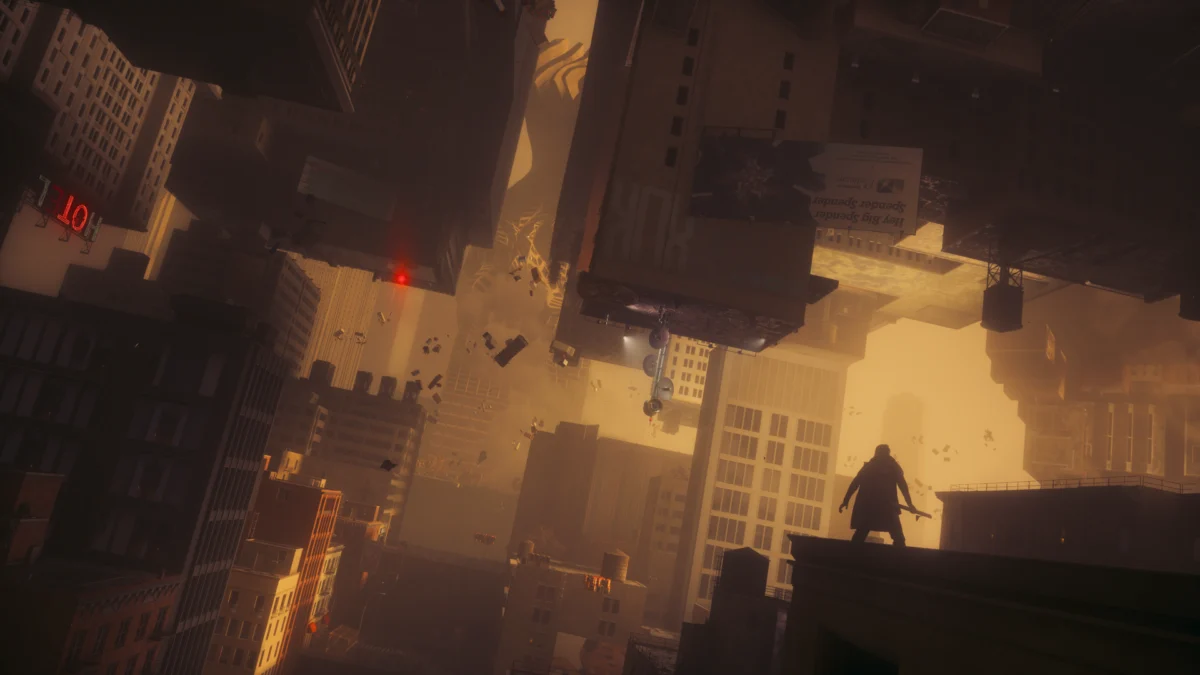
The Verdict: A Bold, Fractured Masterpiece
Control Resonant stands as an audacious testament to Remedy Entertainment’s commitment to "New Weird" aesthetics. By pushing its paranatural vision to a grand, city-wide scale, the game transforms New York into a canvas of impossible geometry and unsettling reality-warping phenomena. While the visual ambition is unparalleled and the narrative depth profound, the experience is occasionally hindered by restrictive level design and a combat loop that leans too heavily on "bullet-sponge" enemy encounters, potentially undermining the thrill of the game’s extraordinary supernatural mechanics.
Main Facts: The New Reality of Remedy’s Manhattan
Released on September 24, 2026, Control Resonant is the latest flagship title from Remedy Entertainment. Built on the studio’s proprietary Northlight Engine, the game expands the scope of the original 2019 title by moving beyond the claustrophobic corridors of The Oldest House and into a surreal, corrupted version of Manhattan.
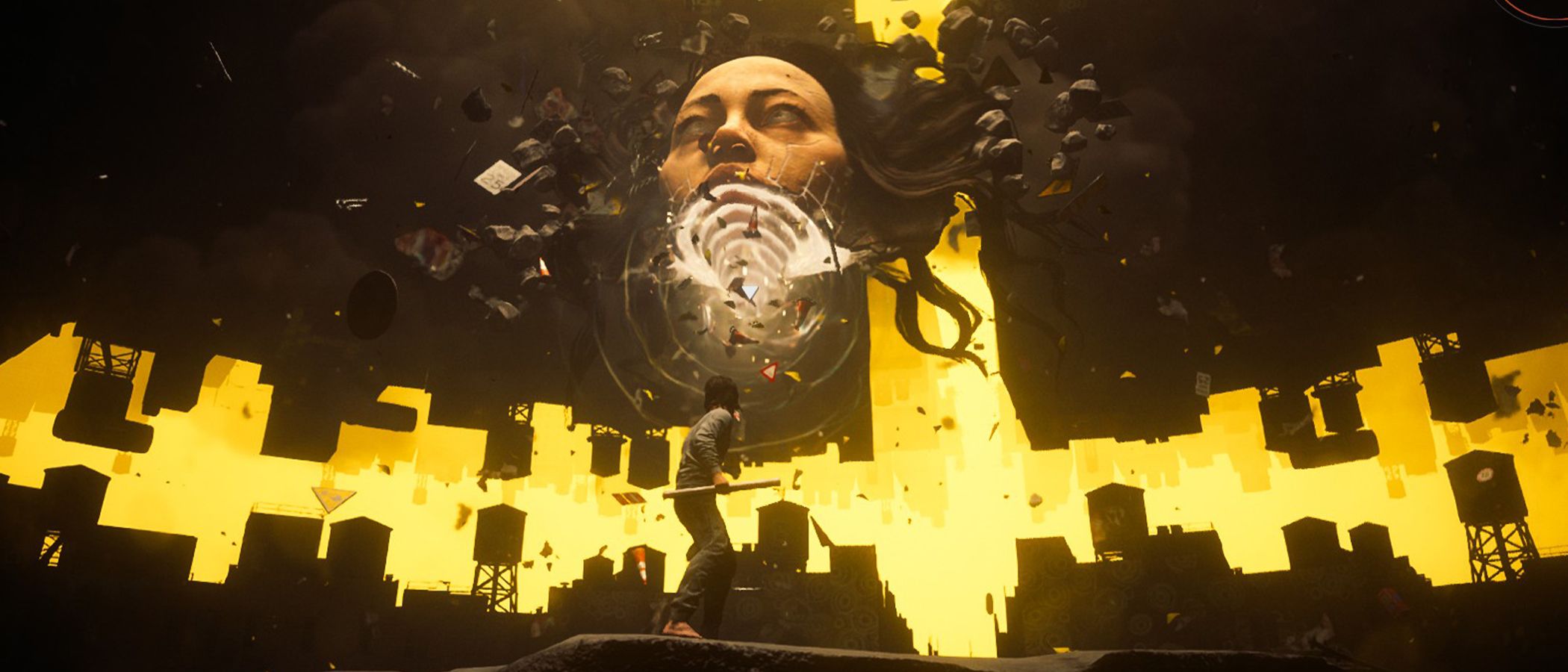
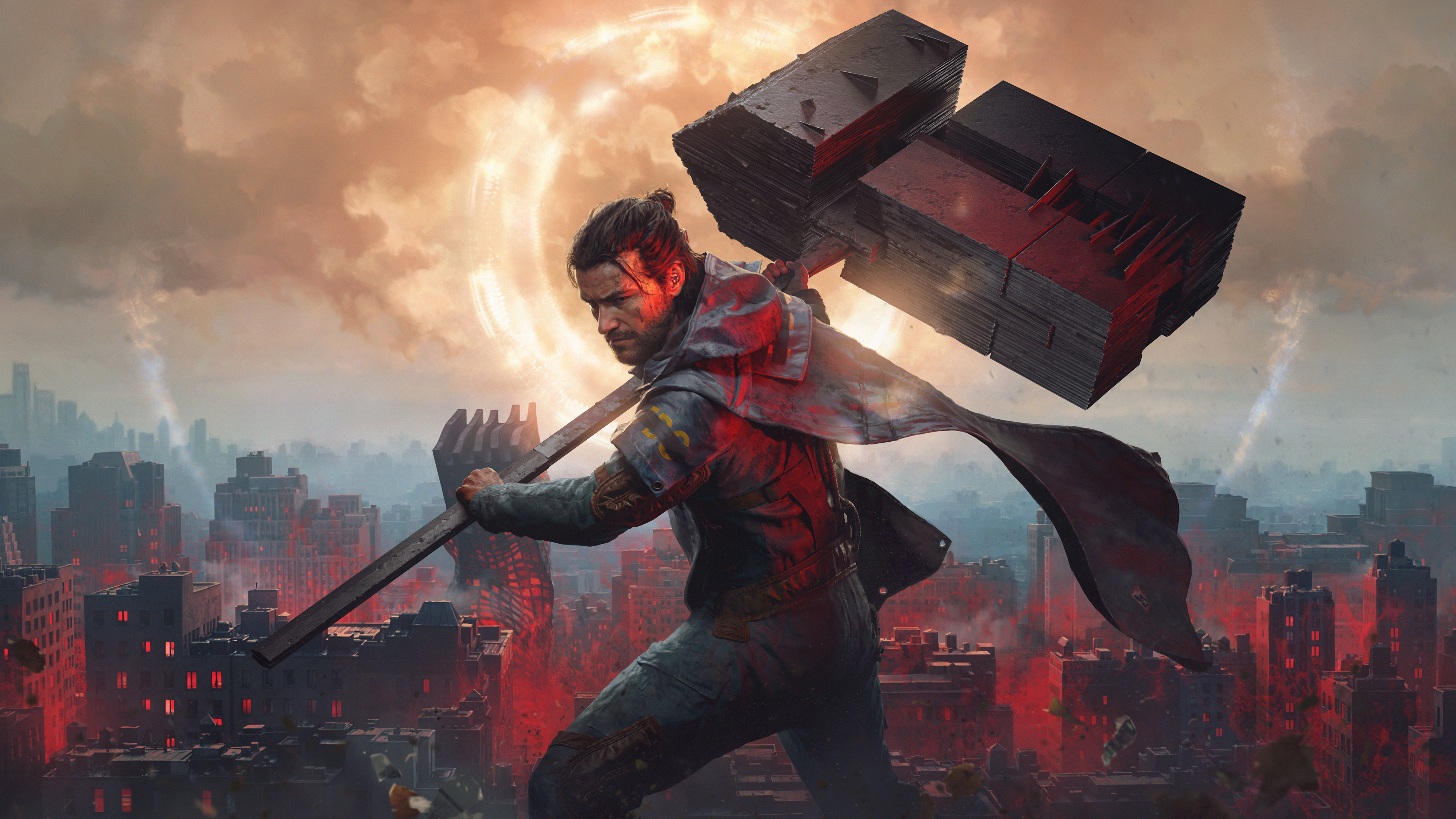
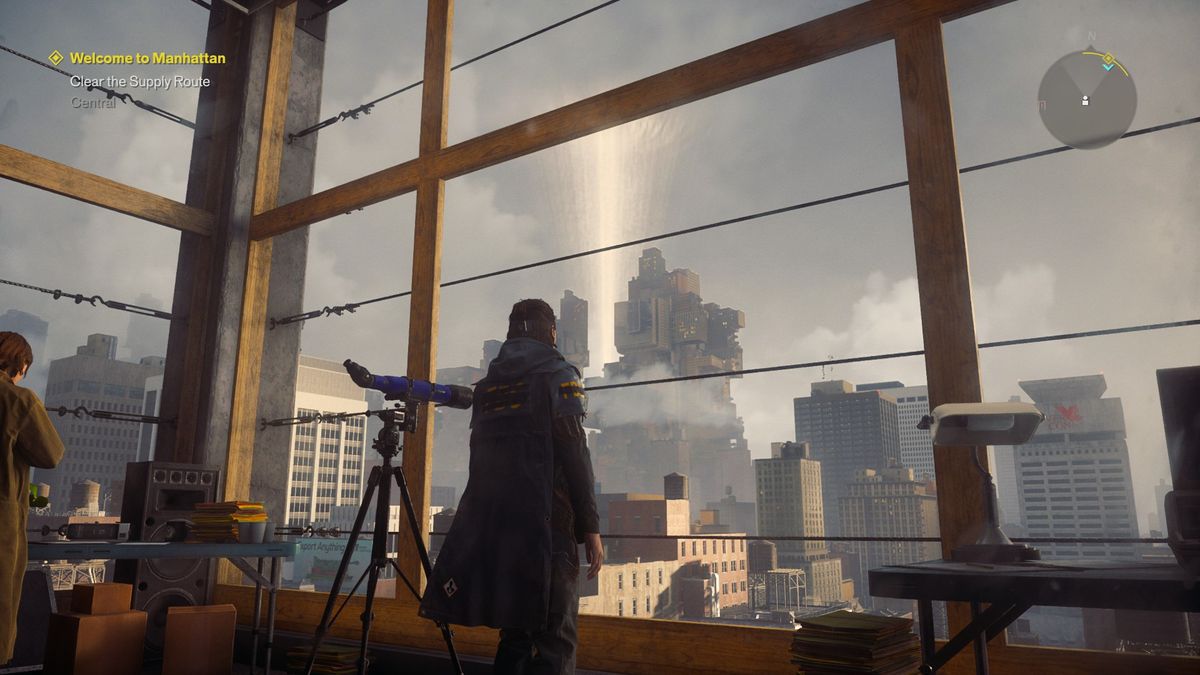
In this sequel, players assume the role of Dylan Faden—the brother of the first game’s protagonist, Jesse Faden. Dylan, previously a victim of the Federal Bureau of Control’s (FBC) unethical experiments, emerges as a complex, tortured protagonist. The game’s aesthetic, which Remedy terms "New Weird," is characterized by shifting urban environments where skyscrapers refract into non-existence and the Hiss—a malevolent, trans-dimensional force—has fundamentally rewritten the laws of physics across the city.
Chronology: From the Oldest House to the Streets
The narrative progression of Control Resonant marks a departure from the linear, contained storytelling of its predecessor.
- The Awakening: The story begins in the aftermath of the original game’s climax, with the Hiss infection bleeding out of the FBC headquarters and engulfing the metropolitan sprawl of New York.
- The Shift in Perspective: By placing players in the shoes of Dylan, Remedy offers a fresh perspective on the FBC’s legacy. Dylan’s connection to the paranatural is visceral and immediate, reflected in his unique combat style and his ability to navigate the fractured city.
- The Descent: As players progress, they uncover the mystery of "patterning"—a chilling phenomenon where reality seems to hallucinate itself into existence. The journey takes players from the familiar streets of New York into deep, underground sectors and surreal, dream-like dimensions, including a notable, stylistic shift into a 16-bit pixel art RPG segment that pays homage to cult classics like Earthbound.
Supporting Data: Technical Ambition and Design Choices
Remedy Entertainment has utilized the Northlight Engine to its fullest potential, integrating full path tracing to render the unsettling beauty of a city in flux.
Visual Fidelity and Environmental Design
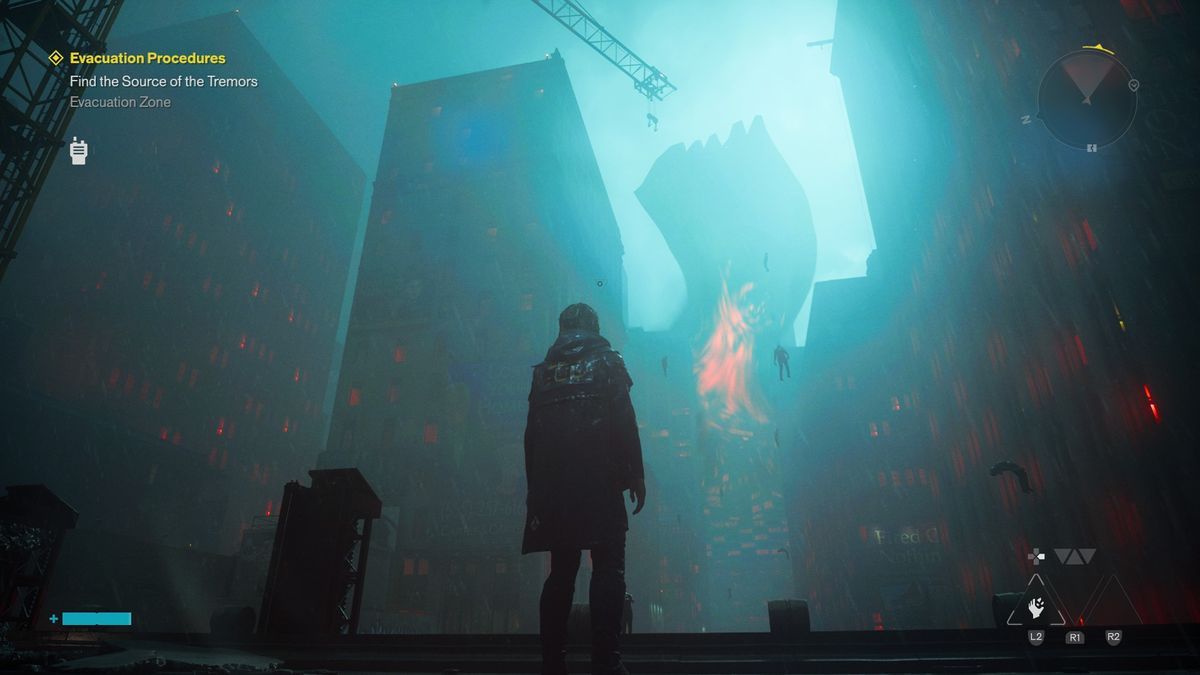
Even on hardware where ray tracing must be disabled to maintain performance, the game’s art direction remains striking. The juxtaposition of mundane, hyper-realistic details—such as the fixtures in an apartment window—against the backdrop of floating debris and shifting streetscapes creates a profound sense of dissonance.
Combat Mechanics: A Shift in Style
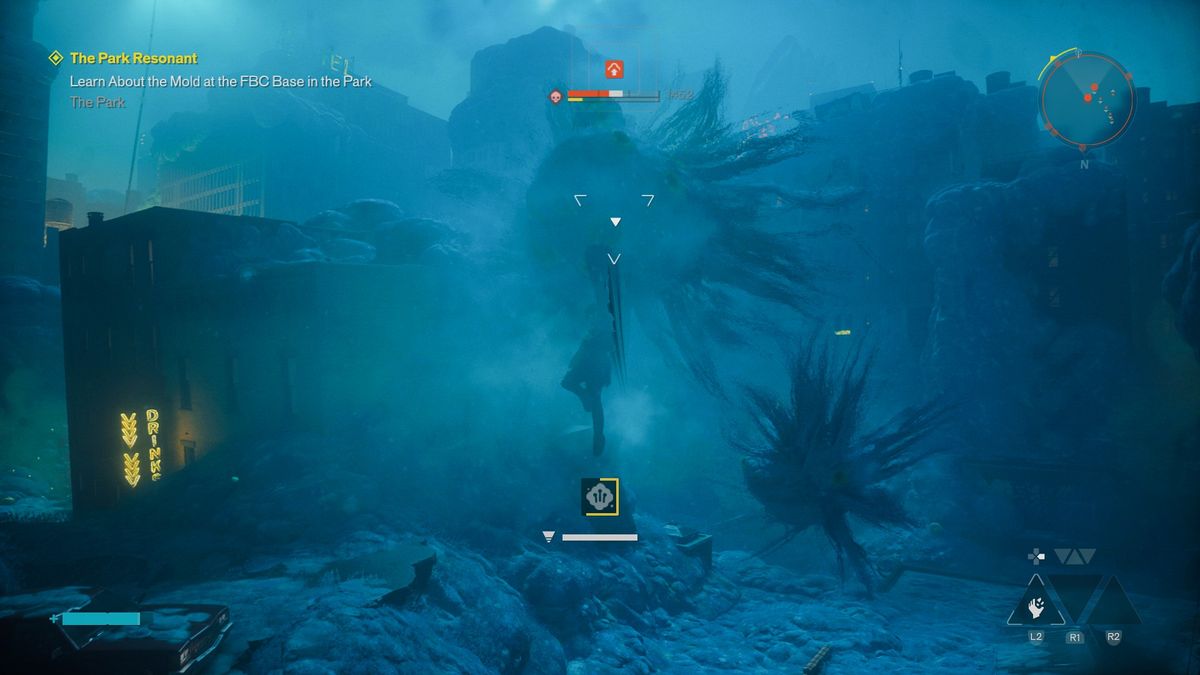
The combat in Control Resonant moves away from traditional cover-based shooting, opting instead for a fluid, melee-focused system. Dylan wields an "Aberrant"—a shape-shifting weapon that can morph from a wide-ranging scythe into swift twin blades.
- Resonant Powers: Upon defeating major bosses, players inherit powers similar to the classic Mega Man progression, allowing them to customize their loadouts in "The Gap"—a stark, abstract mind palace that serves as the player’s hub.
- Combat Flow: The combat demands high mobility. With the ability to perform triple jumps, air-dashes, and gravity manipulation, the game mimics the high-octane feel of titles like Devil May Cry, emphasizing aerial combos over the slow, methodical parrying systems found in other modern action-RPGs.
Official Responses and Accessibility
Remedy has addressed the challenging nature of its combat by implementing a robust suite of accessibility options. These settings allow players to modify damage output and intake, and even toggle one-hit kills, without sacrificing the ability to unlock achievements.
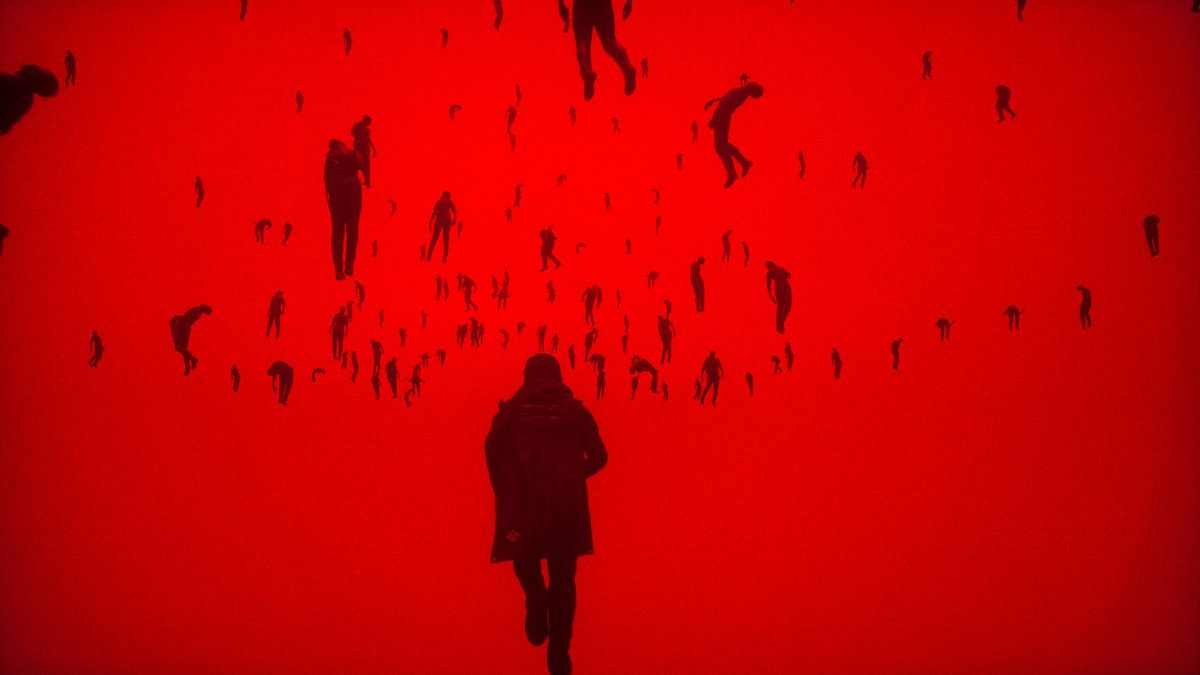
Despite these options, the core design philosophy remains a point of contention. The "sponginess" of enemies—where even standard foes require excessive button-mashing—often feels at odds with the player’s growing arsenal of god-like powers. The game’s tendency to increase enemy health and resilience as the player progresses through zones suggests a reliance on traditional, grind-heavy difficulty scaling that may frustrate players seeking a more balanced power fantasy.
Implications: The Future of the "Remedy Connected Universe"
The release of Control Resonant serves as a critical recovery for Remedy Entertainment following the mixed reception of FBC: Firebreak. It reaffirms the studio’s mastery of atmosphere and environmental storytelling.
Design Limitations and "The Maze"
One of the most persistent issues inherited from the first game is the lack of intuitive signposting. While the developers explicitly chose to avoid modern design crutches like yellow paint or constant navigation waypoints, the result is often aimless wandering. In a city as complex and physically impossible as the one depicted in Resonant, this lack of guidance can lead to frustration, particularly when the environment itself is actively deceiving the player.
A Masterclass in Multimedia Integration
What truly elevates Control Resonant is its refusal to adhere to a single medium. The integration of live-action performances, featuring the return of Matthew Porretta as Casper Darling, alongside a bespoke, original soundtrack, creates a sensory experience that feels truly unique. The "Ashtray Maze" equivalent in this title—and the aforementioned pixel-art flashback—proves that Remedy is still the industry leader in bold, artistic risk-taking.
Final Thoughts
Control Resonant is a game of extremes. It is at its best when it invites the player to lose themselves in its reality-bending architecture and experimental narrative beats. While the combat encounters can feel repetitive and the world navigation occasionally obtuse, these flaws are secondary to the sheer audacity of the vision. For fans of the "New Weird" genre and those who appreciate the intersection of high-concept fiction and interactive design, Control Resonant is an essential, if imperfect, landmark in contemporary gaming. It is a haunting, beautiful, and deeply ambitious experience that, despite its rough edges, proves that Remedy Entertainment remains at the top of its creative game.
 Dwi Wanna
  Suro Senen
  Laily UPN