
 By Asro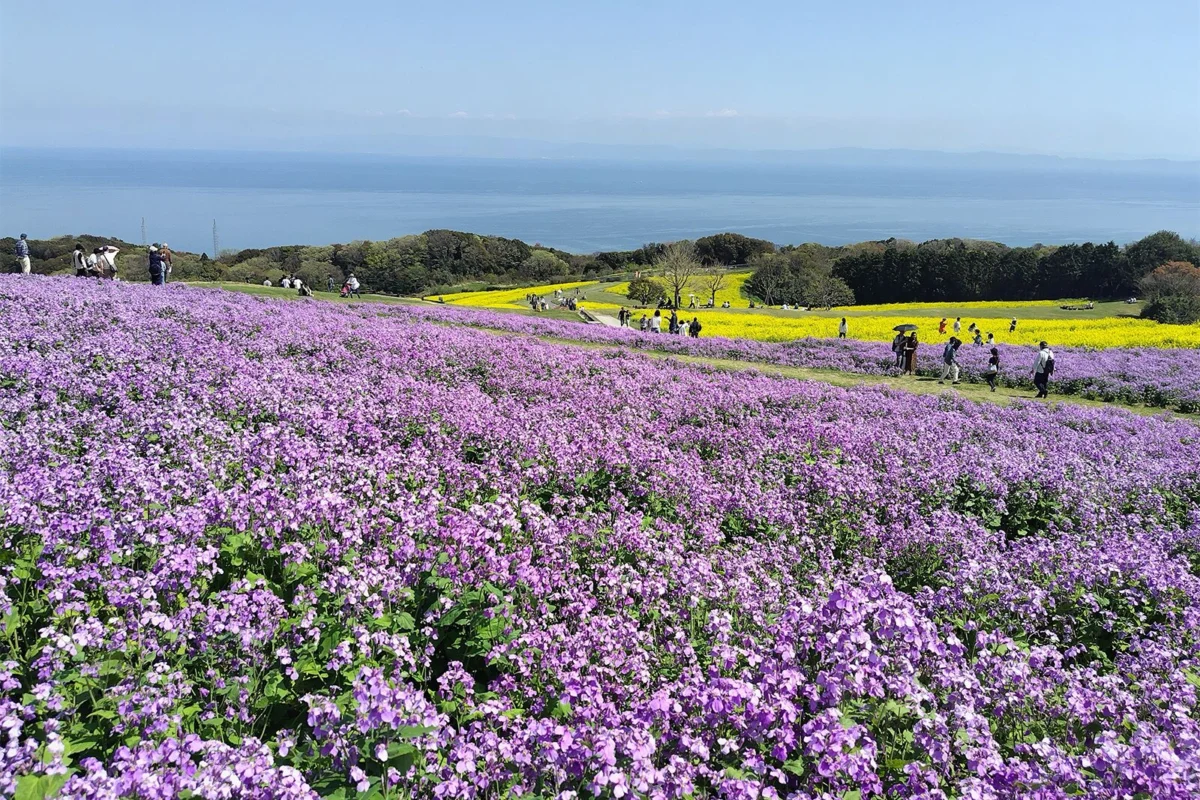
For decades, the standard itinerary for travelers to Japan—the "Golden Route"—has remained anchored in the neon-lit corridors between Tokyo, Kyoto, and Osaka. Yet, for those willing to venture just a few hours west, the Setouchi region offers a profound alternative: a landscape defined by artistic innovation, deep-rooted craftsmanship, and a rugged, mountainous beauty that feels untouched by the frantic pace of modern life.
The Historic Canals of Kurashiki
The journey begins at Okayama Airport, followed by a 45-minute drive into the heart of Kurashiki. The city’s Bikan Historical Quarter acts as a living museum, where white-walled, Edo-period warehouses—originally used to store grain—now house intimate galleries, artisanal boutiques, and cozy cafés. The area’s aesthetic is serene, characterized by weeping willows that drape over the narrow canals.
Upon arrival, the Kurashiki Kokusai Hotel offers more than just a place to sleep; its lobby serves as a sanctuary for art lovers, headlined by a massive, two-story woodblock masterpiece commissioned in 1963 by the legendary folk artist Shikō Munakata. For visitors, the best way to orient themselves is through a 20-minute riverboat tour, which provides a low-angle perspective of the historic architecture that is simply unobtainable from the stone-paved walkways.
The Denim Capital: Kojima
Just a short drive from Kurashiki lies Kojima, a coastal district that serves as the epicenter of Japanese denim culture. At the Betty Smith Jeans Museum & Village, visitors are invited to move beyond passive observation. The workshop experience—selecting custom rivets, buttons, and leather patches—is surprisingly rigorous. Using manual press tools requires significant physical effort, a tactile reminder of the craftsmanship that defines Japanese manufacturing. The result is not merely a souvenir, but a bespoke garment that serves as a tangible connection to the region’s industrial heritage.
Lunch at the nearby Takuzen offers an introduction to the Seto Inland Sea’s culinary philosophy. The signature sawara (Spanish mackerel) meal features the fish prepared in three distinct ways—grilled, raw, and tempura—highlighting the local commitment to seasonal, hyper-fresh ingredients.
Naoshima: The Contemporary Art Island
From Uno Port, a ferry ride to Naoshima feels like a passage into another reality. The boat, adorned in vibrant orange and green, evokes a cinematic quality reminiscent of a Wes Anderson frame. Upon disembarking at Miyanoura Port, one is immediately greeted by Yayoi Kusama’s iconic spotted pumpkin, a beacon for the island’s transformation into a premier contemporary art destination.
The island is best navigated by electric bike, allowing visitors to traverse the undulating hills between Tadao Ando’s stark, concrete architectural marvels. The Chichu Art Museum, a subterranean facility designed to minimize its impact on the landscape, houses a permanent collection dedicated to Claude Monet, James Turrell, and Walter De Maria. For those seeking a blend of luxury and culture, the Benesse House museum-hotel offers an immersive stay where the boundary between gallery and living space dissolves.
Takamatsu: Gardens and Craftsmanship
Takamatsu, accessible via a one-hour ferry from Naoshima, provides a sophisticated contrast. Ritsurin Garden, a 400-year-old landscape masterpiece, rivals the most famous gardens in Kyoto. Its design is deliberate, with every turn of the path unveiling a new, meticulously framed composition of ponds, arched bridges, and sculpted pine trees.
Equally poignant is the Isamu Noguchi Garden Museum. Preserved exactly as the Japanese American sculptor left it, the site offers an intimate window into the creative process. Unfinished sculptures rest beside completed works, and the space serves as a physical manifestation of Noguchi’s life, spent navigating the cultural dualities of the United States and Japan.
The Iya Valley and the Naruto Whirlpools
Leaving the coast, the three-hour drive to the Iya Valley marks a dramatic shift in topography. The landscape transitions from maritime bustle to verdant, steep-sided mountains. This is a remote, cinematic version of Japan, where traditional thatched-roof farmhouses, such as those at Tougenkyo-Iya, cling to the hillsides. Staying here—surrounded by the silence of the valley and the warmth of an irori hearth—is a stark, necessary departure from urban life.
Adventure seekers will find the Iya Kazurabashi vine bridge a test of nerve. Suspended above the Iya River, the structure is a relic of feudal-era engineering. Nearby, the Oboke Gorge offers a more tranquil experience via sightseeing boats that navigate beneath towering, ancient rock formations. Before concluding this leg, a visit to the Naruto Whirlpools is essential. These massive tidal currents, formed by the interaction between the Pacific Ocean and the Seto Inland Sea, are best viewed from the Uzu no Michi walkway. Travelers are cautioned to consult local tide tables, as missing the peak cycle results in a view of calm, unremarkable water rather than nature’s swirling fury.
Awaji Island: Meditation and Clay
The final leg of the journey takes place on Awaji Island, connected to the mainland via the engineering marvel of the Onaruto Bridge. Awaji serves as an idyllic bridge between the rural Iya Valley and the urban intensity of Osaka. At Awaji Hanasajiki, vast fields of sunflowers provide a stunning backdrop for photography, while Gallery Tsuchiza allows visitors to work with traditional Awaji clay.
The emotional highlight of the region, however, is Zenbo Seinei. This open-air retreat, perched amidst the forest, offers guided meditation that uses the natural environment—the rhythmic hum of cicadas—as its soundtrack. A subsequent tea ceremony provides a quiet moment of reflection before the inevitable return to the neon-drenched streets of Osaka.
Implications for the Modern Traveler
The shift from the quiet, rhythmic life of the Setouchi region back to the chaotic, hyper-connected streets of Osaka highlights the "two Japans" that exist in tandem. For the modern traveler, this route offers more than just sightseeing; it offers a lesson in pacing. Whether it is the physical labor of making a pair of jeans, the meditative silence of an Awaji tea ceremony, or the sheer awe of the Naruto whirlpools, this region demands active participation.
Official Guidelines for Travelers
- Art Reservations: Facilities like the Chichu Art Museum require advance booking, often months in advance.
- Cultural Etiquette: While many modern hotels offer private hot springs for guests with tattoos, always verify policies at public onsens in advance.
- Transport: While car rentals provide the most freedom in the Iya Valley, the ferry systems between the islands are highly efficient and constitute a core part of the travel experience.
Quick-Reference Itinerary Guide
| Destination | Key Experience |
|---|---|
| Kurashiki | Exploring the Bikan Historical Quarter and willow-lined canals. |
| Kojima | Customizing denim at the Betty Smith Jeans Museum. |
| Naoshima | Experiencing contemporary art at Chichu and Benesse House. |
| Takamatsu | Walking the historic paths of Ritsurin Garden. |
| Iya Valley | Crossing the vine bridges and staying in restored farmhouses. |
| Naruto | Observing the whirlpools from the Uzu no Michi walkway. |
| Awaji Island | Practicing guided meditation at Zenbo Seinei. |
 Dwi Wanna
  Nana
Nana 