
 By Dwi Wanna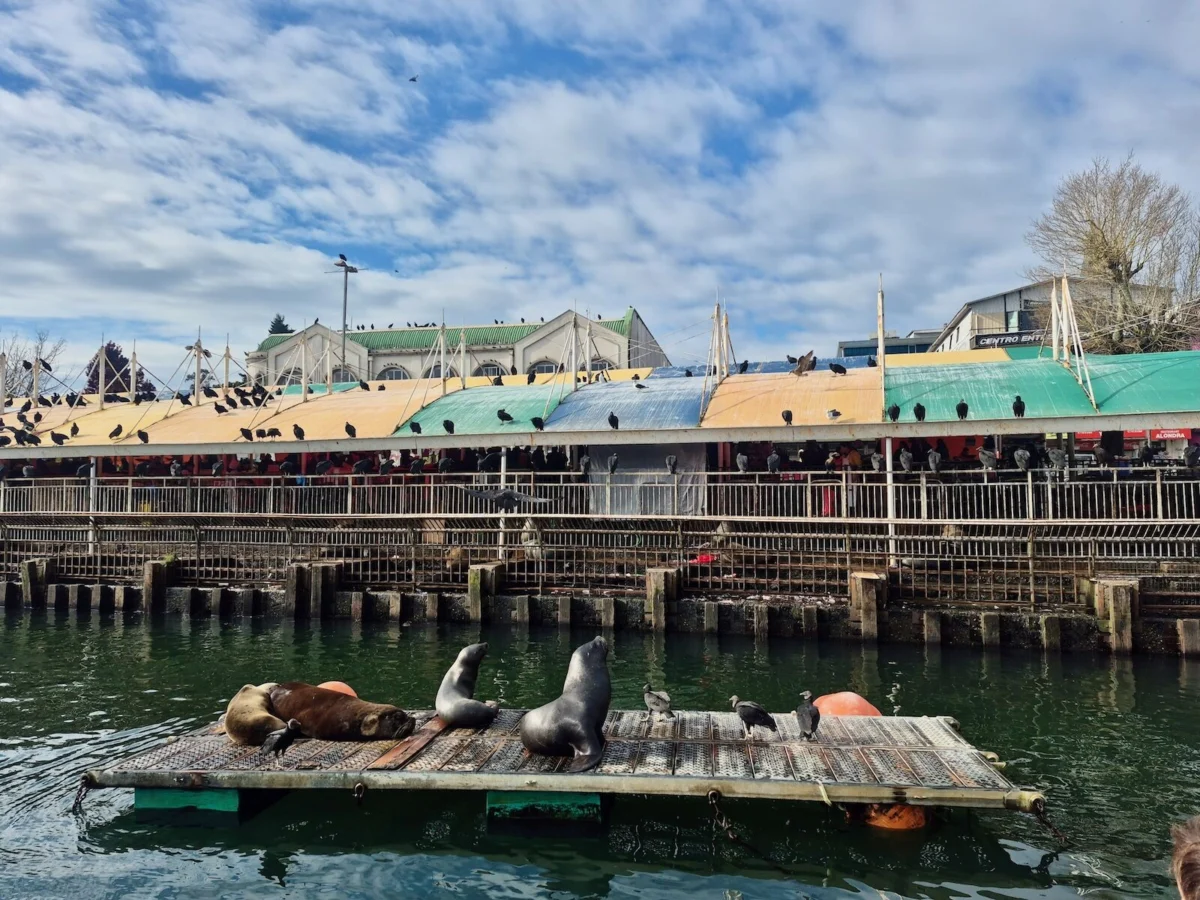
Nestled in the lush, verdant embrace of the Los Ríos region, Valdivia stands as a testament to the resilience of nature and the enduring power of cultural fusion. Once a remote colonial outpost, this city—defined by its complex network of rivers and the encroaching Valdivian rainforest—has reinvented itself as Chile’s undisputed "Capital of Beer." From the remnants of 19th-century German migration to the sobering geological scars of the 1960 earthquake, Valdivia offers a narrative that is as deep and layered as the currents that shape its geography.
I. Main Facts: The Brewing Heart of the South
The identity of Valdivia is inextricably linked to two forces: water and heritage. The city’s evolution into a craft beer powerhouse is not merely a modern trend but a revival of a 170-year-old tradition.
The story begins in the 1850s, when the Chilean government, seeking to stimulate economic growth, invited German immigrants to settle the southern territories. Among them was Carlos Anwandter, an visionary who saw the potential in the region’s pristine water and cool climate. By 1851, Anwandter had established one of Chile’s first commercial breweries. While his original industrial facility was lost to time and the seismic upheavals of history, the spirit of the craft was resurrected in the 1990s by Armin Kunstmann.
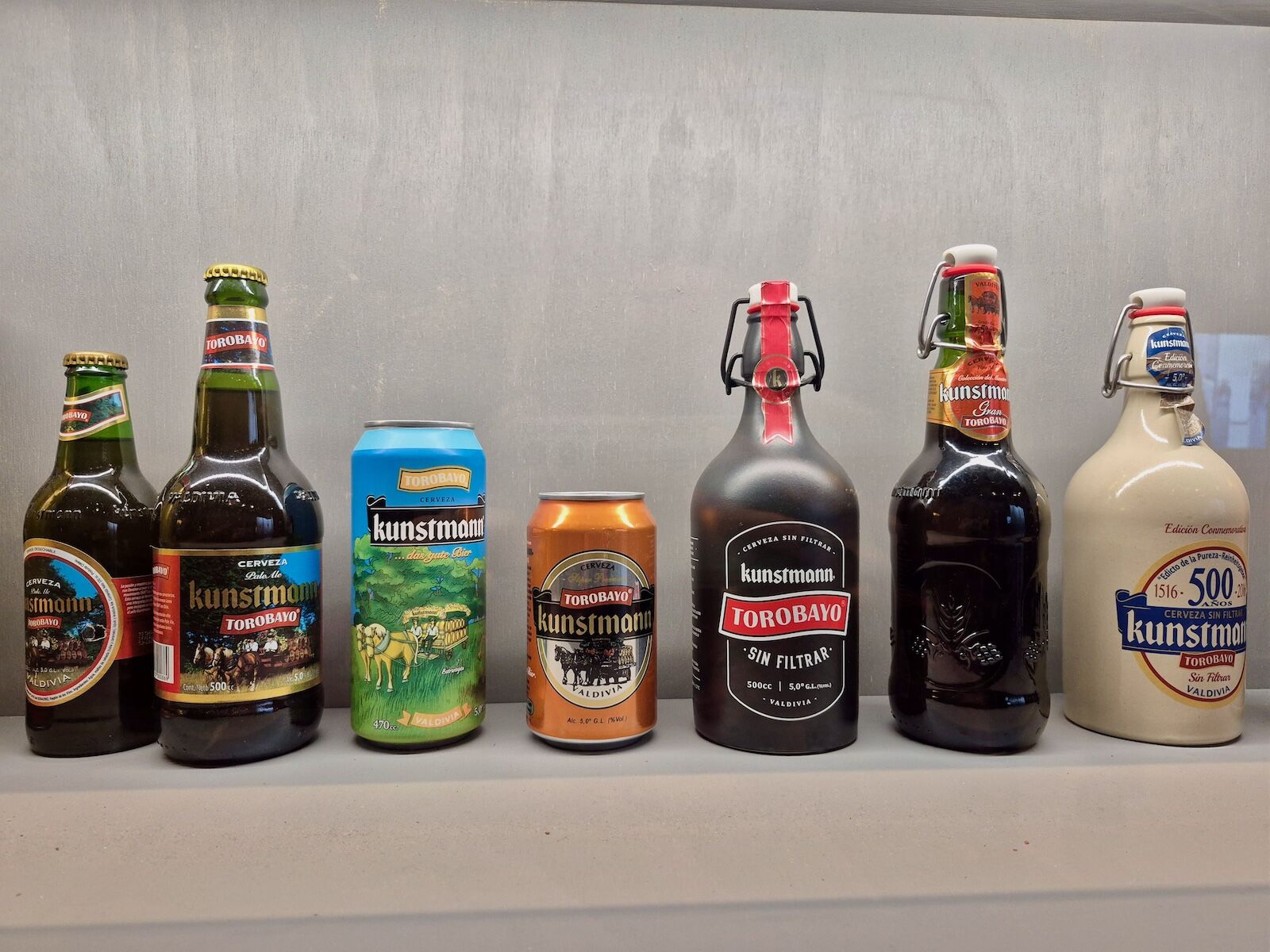
Today, Cervecería Kunstmann stands as a pilgrimage site for beer enthusiasts. The brewery serves as both a production facility and a cultural museum, where the history of German brewing in South America is preserved alongside a modern menu that features crudos—a quintessential Chilean-German steak tartare—paired with award-winning amber ales and crisp, hoppy lagers.
II. Chronology: From Colonial Roots to Modern Craft
To understand Valdivia, one must look at the timeline of its transformation:
- 1851: Carlos Anwandter establishes his brewery on Isla Teja, marking the birth of the Chilean-German brewing tradition.
- 1960: The Great Chilean Earthquake (Valdivia earthquake) strikes with a magnitude of 9.5. The city experiences significant subsidence, with the land sinking up to 6.5 feet. This permanently altered the landscape, turning plains into wetlands and redefining the city’s riverfront.
- 1990s: Armin Kunstmann revitalizes the regional brewing industry, grounding it in the historical legacy of the 19th-century settlers.
- 2007: The administrative region of Los Ríos is officially formed, positioning Valdivia as the cultural and economic nexus of the river-heavy southern landscape.
- Present Day: The city’s beer scene has matured beyond traditional German styles, incorporating Belgian and American craft methodologies, exemplified by modern brewpubs like El Growler.
III. Supporting Data: The Science of Suds and Seismic Shifts
The success of Valdivia’s beer is no accident. The brewery operators often cite the "watery environment" as their secret ingredient. The proximity to the Valdivian rainforest and the Estancilla wetland provides an abundance of soft, mineral-rich water essential for high-quality mashing and fermentation.
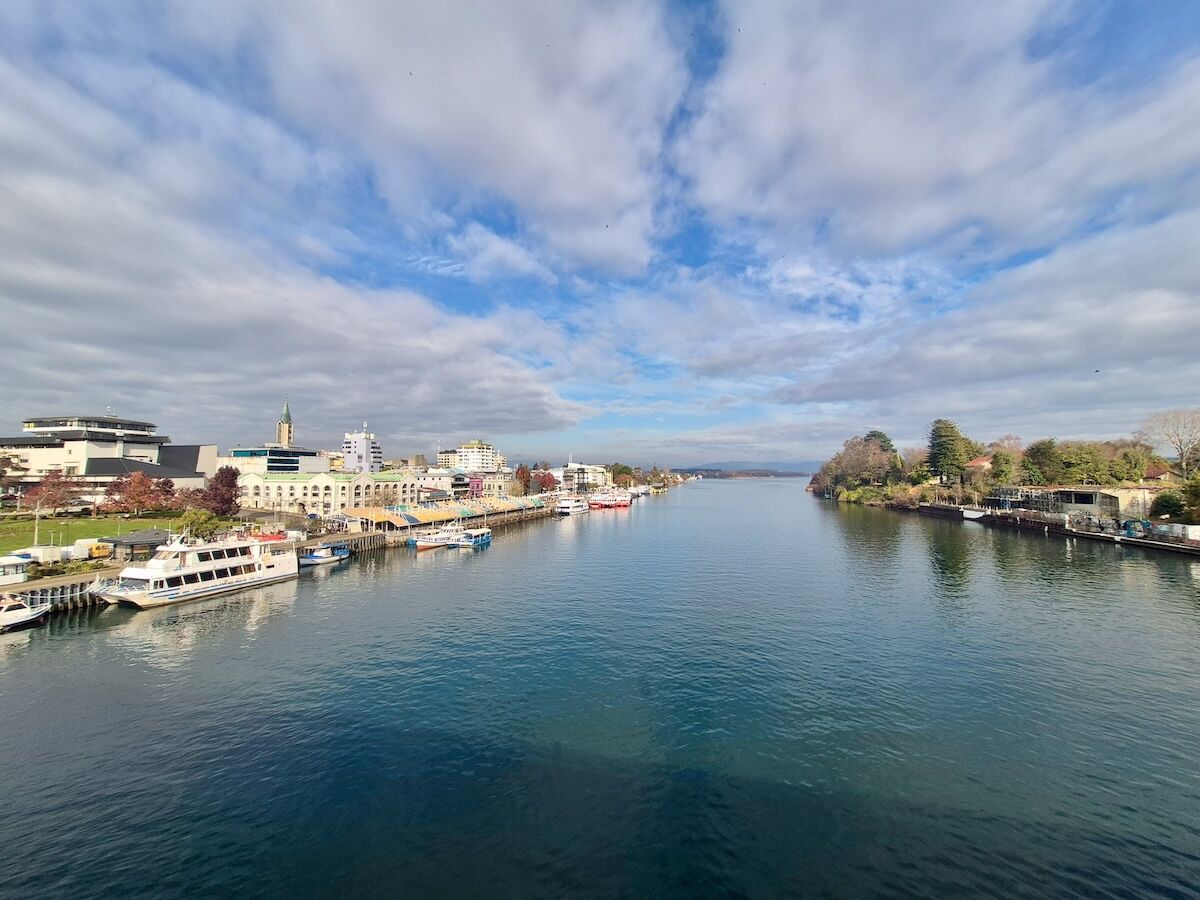
Beyond the brewery walls, the city’s geography provides a unique case study in urban survival. The 1960 earthquake was not merely a destructive event; it was a creator of a new ecosystem. The subsidence caused the rivers to rise, creating the very waterways that now support a robust tourism industry of boat cruises and river commerce.
Key Data Points for Travelers:
- Climate: The region is characterized by high precipitation, feeding the river systems that provide the "liquid gold" for brewers.
- Transportation: The city is accessible via Pichoy Airport, with long-distance bus services (FlixBus, Turbus) providing reliable links from Santiago and Valparaíso.
- Logistics: For visitors seeking the authentic experience, a trip to the Mercado Fluvial is essential to see the intersection of wildlife—the famous lobos marinos (sea lions)—and local trade.
IV. Official Responses and Cultural Significance
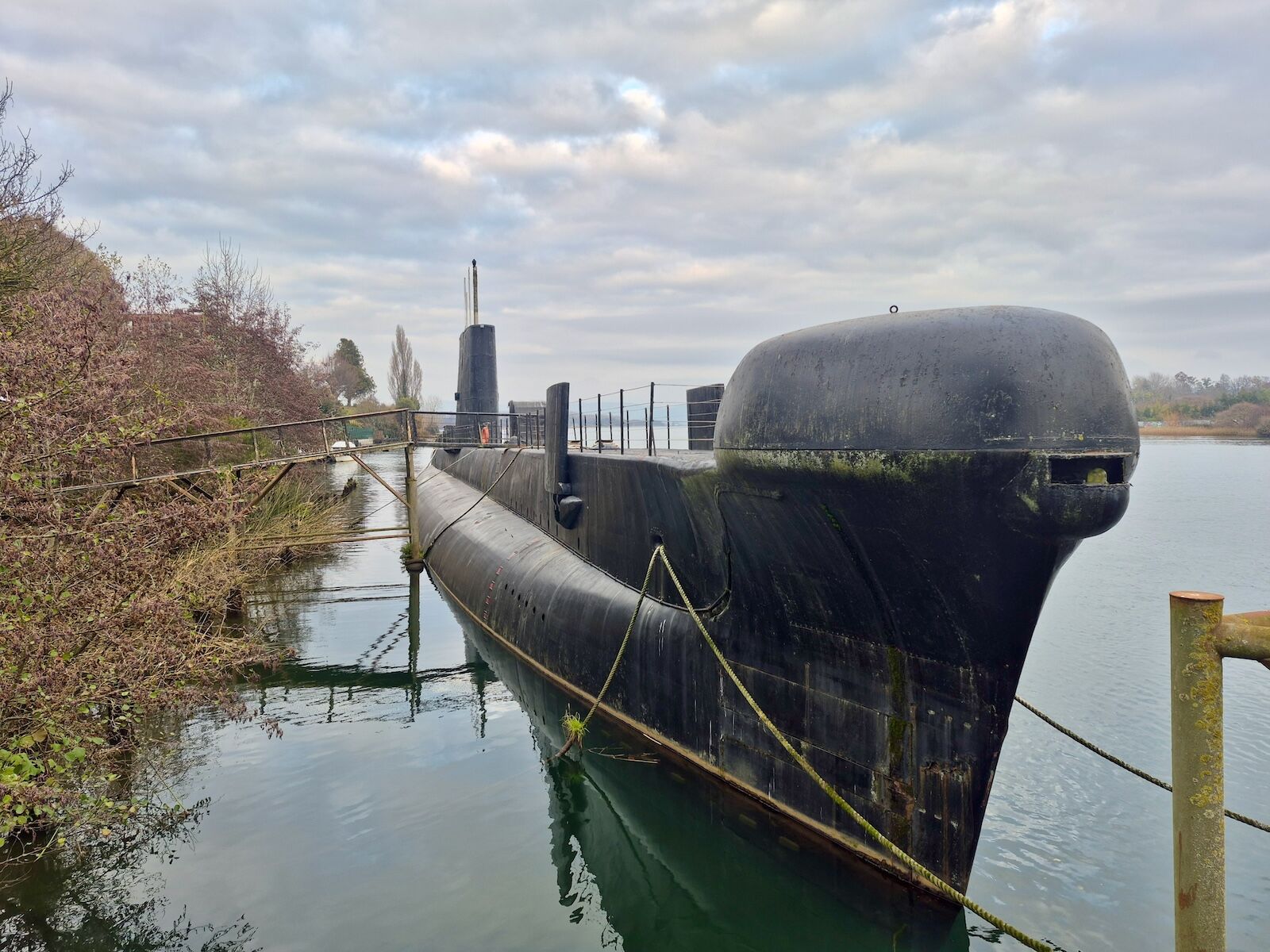
The integration of the O’Brien submarine—a decommissioned Chilean Navy vessel—into the city’s tourism portfolio serves as a unique official recognition of the region’s maritime history. Engineered in Scotland in 1971, the O’Brien provides a claustrophobic, authentic glimpse into military life beneath the waves.
Local cultural leaders argue that Valdivia is a city of "surprises." The juxtaposition of a brutal, cold-war-era submarine sitting in the calm, river-fed harbor, right next to a bustling market where sea lions scavenge for fish, encapsulates the city’s ethos: it is a place where nature, history, and modernity collide.
The municipality and local tourism boards emphasize the importance of sustainable development. As the Los Ríos region grows in popularity, the push to maintain the balance between the industrial growth of the brewing sector and the preservation of the surrounding wetlands remains a priority for regional planners.
V. Implications: The Evolution of a Destination
The rise of the craft beer scene in Valdivia has profound implications for the Chilean tourism industry. It represents a shift away from the "sandy beaches and vineyards" narrative that defines northern and central Chile. Instead, Valdivia offers a "cold-weather, high-culture" experience that resonates with a growing demographic of adventure and culinary travelers.
The Brewing Revolution
While Kunstmann acts as the lighthouse of the industry, the emergence of micro-brewpubs like El Growler on Isla Teja suggests a broader, more decentralized market. These establishments, often led by a mix of local talent and international brewers, are experimenting with hop-forward IPAs and complex stouts that cater to a global palate while maintaining a distinctly local "Valdivian" identity.
Urban Planning and Nature
The city’s relationship with the sea lion colony is perhaps the most striking implication of Valdivia’s environmental policy. Rather than displacing the wildlife, the city has integrated them into the urban experience. The sea lions are not just protected; they are local celebrities, acting as a natural deterrent to the pollution of the docks and providing a constant, if noisy, reminder of the wild nature that sits just beyond the city limits.
Recommendations for the Modern Traveler
For those looking to experience the best of the city:
- Immerse in History: Visit the Museum of History and Anthropology to understand the colonial origins of the city before diving into the beer culture.
- Go Underwater: Secure a spot on the O’Brien submarine tour early in the day. It is an intensive, narrow, and deeply educational experience that highlights the technical prowess of the Chilean Navy.
- The Coastal Route: Travel to Niebla to explore the colonial fortress. The cannons still pointed toward the Pacific represent the city’s former role as a strategic military gatekeeper.
- Stay with Intent: Consider accommodations like Hotel Puerta del Sur. By choosing to stay on Isla Teja, travelers place themselves at the center of the city’s intellectual and culinary life, with direct access to the botanical gardens and the river-front breweries.
Conclusion
Valdivia is a city that refuses to be defined by a single label. It is a place of German tradition and Chilean spirit, of devastating earthquakes and rapid rebirth, of military might and environmental harmony. Whether one is sipping a malty amber ale in the shadow of the rainforest or exploring the torpedo compartments of a retired submarine, Valdivia offers a profound, immersive experience. It is a destination that demands time—time to watch the rivers flow, time to learn the history of the land, and, inevitably, time to appreciate the perfect pint.
 Nana
Nana  Pevita Pearce